
Tiova Inhaler (Tiotropium Bromide)
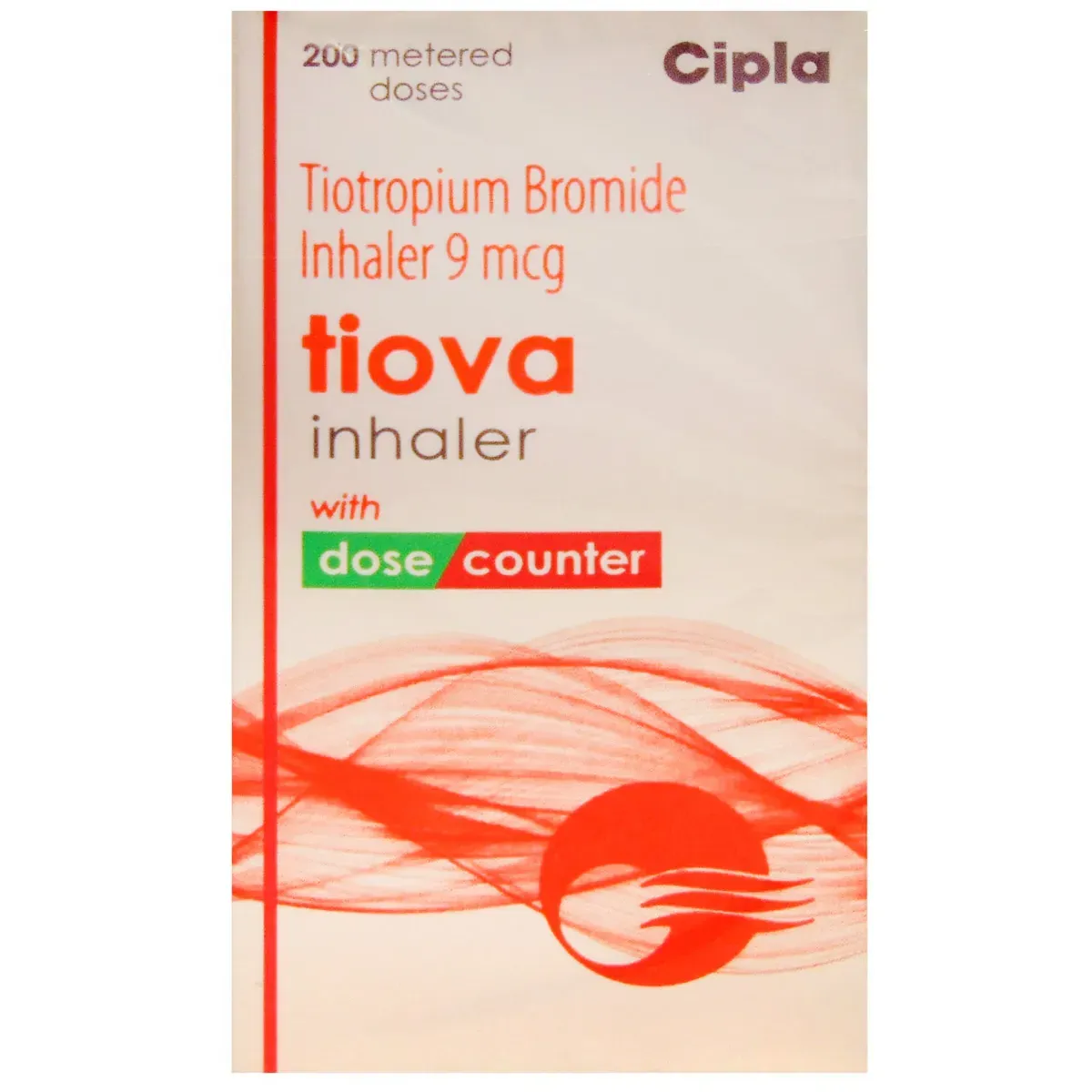
Price range: $15.00 through $42.00
| Active Ingredient | Tiotropium Bromide |
|---|---|
| Manufacturer | Cipla Limited |
| Packaging | 200 MDI in 1 Inhaler |
| Strength | 9 Mcg |
| Delivery Time | 6 To 15 days |
| SKU: | Tiova Inhaler (Tiotropium Bromide) |
The Complete Guide to Tiova Inhaler (Tiotropium Bromide): Uses, Benefits, Dosage, and Management for COPD & Asthma
Breathing is something most people do without a second thought. However, for millions living with chronic respiratory conditions, every single breath can feel like an uphill battle. Persistent shortness of breath, heavy chest tightness, chronic coughing, and wheezing can turn routine daily activities—like climbing a flight of stairs or taking a short walk—into overwhelming challenges.
When managing long-term respiratory disorders, quick-relief rescue inhalers alone are rarely enough. Long-term stability requires a dependable maintenance medication that keeps airways relaxed and open around the clock.
This is where Tiova Inhaler (Tiotropium Bromide) plays a critical role in modern respiratory medicine. As a long-acting bronchodilator, it offers continuous, 24-hour maintenance therapy designed to prevent breathing difficulty before it starts.
In this detailed guide, we will break down everything you need to know about Tiova Inhaler (Tiotropium Bromide). From its active pharmacological mechanism and clinical benefits to step-by-step usage instructions, potential side effects, and practical lifestyle strategies, this article covers all the essentials for better lung health.
What is Tiova Inhaler (Tiotropium Bromide)?
Tiova Inhaler (Tiotropium Bromide) is a prescription maintenance medication used to manage and prevent symptoms caused by chronic obstructive pulmonary disease (COPD) and severe asthma. Manufactured by Cipla Ltd., a globally recognized pharmaceutical company, Tiova contains Tiotropium Bromide as its primary active pharmaceutical ingredient.
Unlike fast-acting rescue inhalers (such as salbutamol or albuterol) that are used to stop sudden, acute attacks of breathlessness, Tiova Inhaler (Tiotropium Bromide) is a long-acting maintenance bronchodilator. It is inhaled once daily to keep bronchial airways dilated continuously, reducing flare-ups and keeping breathing stable over time.
Product Overview and Specifications
| Attribute | Clinical Specification |
| Active Ingredient | Tiotropium Bromide Monohydrate |
| Therapeutic Class | Long-Acting Muscarinic Antagonist (LAMA) / Anticholinergic |
| Primary Indications | Chronic Obstructive Pulmonary Disease (COPD), Maintenance in Asthma |
| Onset of Action | Within 30 minutes |
| Duration of Action | 24 hours (Once-daily dosing) |
| Delivery Mechanism | Pressurized Metered-Dose Inhaler (pMDI) or Dry Powder Inhaler (Rotacaps/Inhalaps) |
| Habit-Forming Potential | None |
How Does Tiova Inhaler (Tiotropium Bromide) Work?
To understand how Tiova Inhaler (Tiotropium Bromide) eases breathing, it helps to look at the nerve pathways controlling your lungs.
Airway smooth muscles are controlled in part by the parasympathetic nervous system through a chemical messenger called acetylcholine. When acetylcholine binds to specific muscarinic receptors (specifically $M_3$ receptors) located on the smooth muscle cells surrounding the bronchial tubes, it triggers muscle contraction and narrows the airways.
The Science Behind LAMA Therapy
Tiotropium Bromide is classified as a Long-Acting Muscarinic Antagonist (LAMA), or an anticholinergic agent:
-
Receptor Binding: When you inhale Tiova Inhaler (Tiotropium Bromide), the medication deposits directly into the tissue lining your lungs.
-
Selective Blockade: Tiotropium binds tightly to the $M_3$ muscarinic receptors on bronchial smooth muscles, preventing acetylcholine from connecting with them.
-
Smooth Muscle Relaxation: By blocking acetylcholine, the medication prevents the signal that causes airway constriction. The smooth muscle bands around the bronchi relax.
-
Sustained Bronchodilation: Tiotropium dissociates very slowly from $M_3$ receptors. This slow dissociation gives Tiova Inhaler (Tiotropium Bromide) a prolonged therapeutic effect that lasts for 24 full hours.
By keeping the airway passages relaxed and open throughout the day and night, it improves airflow ($FEV_1$), minimizes air trapping in the lungs, and makes breathing noticeably easier.
Primary Indications: What Conditions Does It Treat?
Healthcare providers primarily prescribe the Tiova Inhaler (Tiotropium Bromide) for chronic, long-term conditions that affect airflow in the lungs.
1. Chronic Obstructive Pulmonary Disease (COPD)
COPD is a progressive lung condition that includes chronic bronchitis and emphysema. In COPD, the airways become inflamed, narrowed, and clogged with excess mucus, while the air sacs lose their natural elasticity.
Tiova Inhaler (Tiotropium Bromide) serves as a foundational maintenance treatment for COPD. Regular use reduces chronic dyspnea (shortness of breath), increases exercise tolerance, improves daily quality of life, and significantly cuts down on severe COPD exacerbations (sudden worsening of symptoms that require hospital visits).
2. Severe or Persistent Asthma
In patients with severe asthma whose symptoms remain uncontrolled despite using daily inhaled corticosteroids (ICS) and long-acting beta-agonists (LABA), adding Tiova Inhaler (Tiotropium Bromide) provides additional bronchodilation. It acts through a different pathway than beta-agonists, giving lungs an extra layer of protection against airway tightening and nocturnal asthma symptoms.
Key Benefits of Tiova Inhaler (Tiotropium Bromide)
Using Tiova Inhaler (Tiotropium Bromide) consistently offers several distinct advantages for long-term lung management:
-
Convenient Once-Daily Dosing: Because its effects last 24 hours, you only need to use it once every 24 hours, making it easy to build into a daily routine.
-
Reduces Exacerbations and Hospital Visits: Clinical studies show that regular anticholinergic maintenance therapy decreases the frequency and severity of lung flare-ups.
-
Direct-to-Lung Delivery: Inhaling the medication sends it straight to the bronchial tissue. This delivers maximum therapeutic power directly to the target area while keeping systemic side effects low compared to oral tablets.
-
Enhances Physical Capability: By preventing air trapping and improving lung capacity, it helps patients stay active, perform household chores, and exercise with less fatigue.
-
Non-Steroidal Option: Tiotropium Bromide is an anticholinergic bronchodilator, not a steroid. It relaxes airways without the specific side effect profile linked to long-term systemic steroid use.
How to Use Tiova Inhaler (Tiotropium Bromide) Correctly
Mastering proper inhaler technique is crucial. Even the best medication cannot work effectively if it lands on the tongue or back of the throat instead of reaching deep into the lungs.
Step-by-Step Metered-Dose Inhaler (pMDI) Technique
-
Inspect and Prepare: Remove the mouthpiece cap and check for any loose objects or dust inside.
-
Shake the Inhaler: Shake the inhaler well for 5 seconds to ensure the contents are evenly mixed.
-
Exhale Completely: Stand or sit up straight. Turn your head away from the inhaler and exhale gently and completely to empty your lungs.
-
Form a Tight Seal: Place the mouthpiece into your mouth between your teeth (without biting) and close your lips tightly around it.
-
Inhale Slowly and Press: Start breathing in slowly and deeply through your mouth. Just as you begin inhaling, press down firmly on the top of the canister once to release a puff.
-
Continue Breathing In: Keep breathing in slowly and deeply for another 3 to 5 seconds to draw the medication deep into your lower airways.
-
Hold Your Breath: Remove the inhaler from your mouth and hold your breath for 10 seconds, or for as long as comfortable. This lets the fine droplets settle into your lung tissue.
-
Exhale Gently: Breathe out slowly through your nose or pursed lips.
-
Rinse Your Mouth: Rinse your mouth thoroughly with water and spit it out (do not swallow). This reduces dry mouth and localized irritation.
Crucial Rule: Tiova Inhaler (Tiotropium Bromide) is a daily maintenance treatment. Do not use it as a rescue inhaler during an acute, sudden attack of breathlessness. Always keep your fast-acting rescue inhaler close by for emergencies.
Recommended Dosage and Consistency
-
Standard Dosage: For most adult patients, the standard regimen is one inhalation once daily, taken at the exact same time every day (e.g., every morning at 8:00 AM).
-
Establishing a Routine: Taking your dose at a fixed time maintains a steady therapeutic concentration of Tiotropium Bromide in your lung tissue.
-
What to Do If You Miss a Dose: If you miss a scheduled dose, take it as soon as you remember. However, if it is nearly time for your next dose, skip the missed one and return to your regular schedule. Never double up or take two doses within a 24-hour period.
Potential Side Effects and Management
Tiova Inhaler (Tiotropium Bromide) is generally well-tolerated because the drug acts locally within the respiratory system. However, like all anticholinergic medications, it can cause mild side effects in some users.
Common and Mild Side Effects
Because anticholinergic agents reduce secretions throughout the body, the most frequent side effects relate to reduced moisture:
-
Dry Mouth (Xerostomia): The most commonly reported side effect. Sip water frequently, chew sugar-free gum, or suck on hard candies to stimulate saliva flow.
-
Throat Irritation or Coughing: A mild tickle or dry cough right after inhalation. Rinsing your mouth and gargling with water after each dose helps minimize this.
-
Mild Headache or Dizziness: Usually temporary and subsides as your body adjusts to the medication.
-
Constipation or Mild Indigestion: Occasionally occurs due to mild systemic anticholinergic effects on gastrointestinal motility.
Less Common but Serious Side Effects
Contact your physician right away if you experience any of the following uncommon symptoms:
-
Urinary Retention: Difficulty urinating, painful urination, or a weak stream (more common in elderly males with an enlarged prostate).
-
Visual Changes or Eye Pain: Blurred vision, eye redness, or seeing halos around lights. This can happen if medication accidentally gets sprayed directly into your eyes, which may trigger or worsen narrow-angle glaucoma.
-
Paradoxical Bronchospasm: An unexpected, sudden increase in wheezing or tightness right after inhaling the drug. If this happens, use your quick-relief rescue inhaler immediately, discontinue the Tiova inhaler, and seek medical attention.
-
Allergic Reactions: Rash, hives, or swelling of the lips, tongue, or face.
Important Safety Precautions and Warnings
Before starting treatment with Tiova Inhaler (Tiotropium Bromide), share your complete medical history with your healthcare provider.
1. Narrow-Angle Glaucoma
Anticholinergic medications can increase intraocular pressure. If you have a history of narrow-angle glaucoma, use Tiova Inhaler (Tiotropium Bromide) with caution. Take extra care to ensure the inhaler mouthpiece fits securely so medication does not spray into your eyes.
2. Prostatic Hyperplasia or Bladder-Neck Obstruction
Tiotropium can relax bladder wall muscles and tighten the urinary sphincter. If you have an enlarged prostate (benign prostatic hyperplasia) or bladder obstruction, discuss this with your doctor, as the medication could trigger or worsen urinary retention.
3. Kidney Function Impairment
Because Tiotropium Bromide is primarily eliminated through the kidneys, patients with moderate-to-severe renal impairment (creatinine clearance under 50 mL/min) require close monitoring. Higher plasma concentrations can accumulate over time.
4. Pregnancy and Breastfeeding
-
Pregnancy: It should be used during pregnancy only if the potential benefit to the mother outweighs the potential risk to the fetus, under direct medical supervision.
-
Breastfeeding: It is not fully established whether tiotropium passes into human breast milk. Consult your doctor before using this inhaler while nursing.
Drug Interactions
To avoid unwanted interactions, inform your physician about all prescription drugs, over-the-counter medications, vitamins, and herbal supplements you take regularly.
| Drug Category | Potential Interaction | Recommended Advice |
| Other Anticholinergic Agents (e.g., Ipratropium, Aclidinium, Umeclidinium) | Combining multiple anticholinergic drugs increases the risk of side effects like severe dry mouth, constipation, blurred vision, and urinary retention. | Avoid using other short- or long-acting anticholinergics alongside Tiova unless instructed by your specialist. |
| Beta-2 Agonists & Corticosteroids (e.g., Formoterol, Salmeterol, Budesonide) | These medications work additively alongside Tiova through different pathways to open airways. | Commonly and safely prescribed together as combination therapy for complex COPD or asthma. |
Smart Lifestyle Tips for Better Respiratory Health
While Tiova Inhaler (Tiotropium Bromide) provides powerful medical support, combining it with positive daily lifestyle habits can help optimize your lung function even further.
1. Eliminate Tobacco Smoke and Air Irritants
If you smoke, quitting is the single most effective step you can take to slow down the progression of COPD and manage asthma. Avoid secondhand smoke, chemical fumes, wood smoke, and heavy dust. Check daily outdoor air quality forecasts and stay indoors when pollution or pollen levels are high.
2. Stay Physically Active
Engaging in regular, light-to-moderate exercise—such as walking, light cycling, or supervised pulmonary rehabilitation exercises—strengthens your cardiovascular system and respiratory muscles. This helps your body use oxygen more efficiently, making daily activities feel less exhausting.
3. Practice Controlled Breathing Exercises
Techniques such as pursed-lip breathing and diaphragmatic (belly) breathing help keep your airways open longer during exhalation. This clears trapped air from your lungs, reduces shortness of breath, and helps manage anxiety when breathing feels difficult.
4. Hydrate and Eat Well
Drink plenty of water throughout the day to keep mucus thin and easier to clear from your lungs. Eating smaller, nutrient-rich meals prevents a full stomach from pressing against your diaphragm, making it easier to expand your lungs fully.
5. Stay Up to Date on Vaccinations
Respiratory infections like the flu, pneumonia, or COVID-19 can trigger severe COPD flare-ups. Talk to your doctor about getting an annual flu shot and staying current on pneumococcal vaccines to safeguard your lungs.
Frequently Asked Questions (FAQs)
1. Is Tiova Inhaler (Tiotropium Bromide) a steroid?
No. Tiova Inhaler (Tiotropium Bromide) is an anticholinergic bronchodilator (a Long-Acting Muscarinic Antagonist), not a steroid. It works by relaxing smooth muscle tissue around the airways rather than acting primarily as an anti-inflammatory steroid.
2. Can I use Tiova Inhaler during a sudden asthma or COPD attack?
No. Tiova Inhaler (Tiotropium Bromide) is a daily maintenance therapy designed for long-term prevention. It takes roughly 30 minutes to start working and reaches peak effectiveness over several hours. Always use a fast-acting rescue inhaler (such as salbutamol) for sudden, severe breathing trouble.
3. How quickly will I notice an improvement in my breathing?
Some patients notice improved airflow within 30 minutes of their first dose, but the full therapeutic benefits usually build up over 2 to 4 weeks of consistent daily use.
4. What should I do if I experience severe dry mouth?
Dry mouth is a common anticholinergic effect. Sip water regularly throughout the day, use sugar-free lozenges, practice good oral hygiene, and rinse your mouth thoroughly after taking your dose. If dry mouth remains severe or causes mouth sores, consult your healthcare provider.
5. How long do I need to keep using Tiova Inhaler?
Conditions like COPD and persistent asthma are long-term, chronic conditions. Tiova Inhaler (Tiotropium Bromide) is intended for long-term use. You should continue using it every day, even when you feel well, unless your doctor tells you to stop.
6. How should I store my Tiova Inhaler?
Store the inhaler at room temperature, ideally below 25°C (77°F). Keep it away from direct heat, sunlight, freezing temperatures, and moisture. Store it securely out of the reach of children.
Disclaimer:-
This content about Tiova Inhaler (Tiotropium Bromide) is provided for general educational and informational purposes only. It is not intended to replace professional medical advice, diagnosis, or treatment. Use this medicine only as directed by a qualified healthcare professional. Consult your doctor or pharmacist before starting, stopping, or changing any medication, especially if you have other medical conditions or take other medicines. If you experience severe or unusual symptoms, seek medical attention promptly.
Additional information
| unit | 1 Inhaler, 3 Inhaler, 6 Inhaler |
|---|







Reviews
There are no reviews yet.