
Theo Asthalin Tablet (Salbutamol & Theophylline)
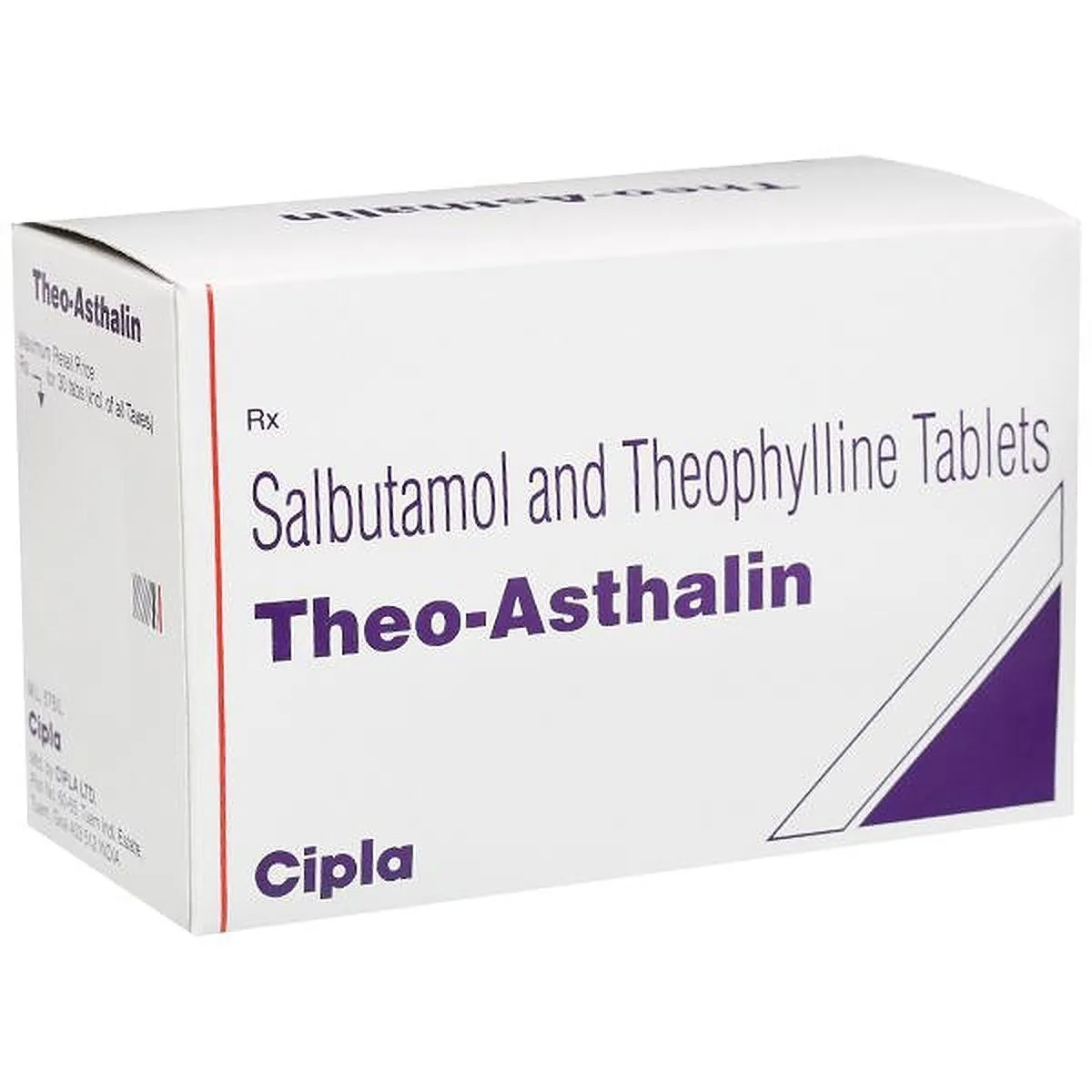
Price range: $6.48 through $19.50
| Active Ingredient | Salbutamol/Theophylline |
|---|---|
| Manufacturer | Cipla Limited |
| Packaging | 10 tablets in 1 strip |
| Strength | 2mg+100mg |
| Delivery Time | 6 To 15 days |
| SKU: | Theo Asthalin Tablet (Salbutamol/Theophylline) |
Complete Guide to Theo Asthalin Tablet (Salbutamol & Theophylline): Uses, Dosage, Mechanism, and Safety
Breathing is something most people take for granted—until it becomes a struggle. For millions living with chronic respiratory conditions, a sudden flare-up, persistent wheezing, or tightness in the chest can make even the simplest tasks feel overwhelming. Conditions like bronchial asthma and Chronic Obstructive Pulmonary Disease (COPD) cause the airways to constrict, swell, and fill with mucus, severely obstructing airflow to the lungs.
When single-ingredient bronchodilators fall short in providing round-the-clock symptom control, combination therapies step in to restore clear airflow. Theo Asthalin Tablet (Salbutamol & Theophylline) is a widely prescribed oral combination medication designed to manage, prevent, and relieve symptoms of bronchospasm associated with severe respiratory disorders.
In this comprehensive, human-centered guide, we will break down everything you need to know about Theo Asthalin Tablet (Salbutamol & Theophylline). From its active ingredient mechanics and medical uses to proper dosage guidelines, potential side effects, drug interactions, and practical safety precautions, this guide provides clear, reliable insights to help you manage your lung health effectively.
What is Theo Asthalin Tablet (Salbutamol & Theophylline)?
Theo Asthalin Tablet (Salbutamol & Theophylline) is a prescription bronchodilator manufactured primarily by Cipla Ltd. It combines two well-established, complementary active ingredients—Salbutamol (also known as Albuterol in some regions) and Theophylline—into a single oral tablet formulation.
Together, these active agents target airway smooth muscle contraction through distinct physiological pathways. While fast-acting inhaled bronchodilators are primarily used to rescue patients from sudden, acute attacks, oral fixed-dose combinations like Theo Asthalin Tablet (Salbutamol & Theophylline) are utilized for sustained, systemic relief and prophylactic management of persistent, chronic airway obstruction.
Active Composition Breakdown
| Active Ingredient | Strength (Standard Tablet) | Primary Drug Class | Primary Mode of Action |
| Salbutamol (as Sulfate) | 2 mg or 4 mg | Short-Acting Beta-2 ($\beta_2$) Agonist | Direct relaxation of smooth muscle via cAMP activation |
| Theophylline (Anhydrous) | 100 mg or 200 mg | Methylxanthine Derivative | PDE inhibition & adenosine receptor blockade |
By uniting a fast-acting $\beta_2$-agonist with a sustained-action methylxanthine, Theo Asthalin Tablet (Salbutamol & Theophylline) provides a dual-action therapeutic approach that addresses both acute muscle spasms and long-term airway inflammation and fatigue.
The Dual Mechanism of Action: How Theo Asthalin Works
To understand why Theo Asthalin Tablet (Salbutamol & Theophylline) is so effective, it helps to examine how its two constituent ingredients work together inside your respiratory system.
                  THEO ASTHALIN DUAL-ACTION MECHANISM
                                   │
         ┌─────────────────────────┴─────────────────────────┐
         ▼                                                   ▼
  SALBUTAMOL (Beta-2 Agonist)                    THEOPHYLLINE (Methylxanthine)
         │                                                   │
  Binds Beta-2 Receptors                              Inhibits PDE Enzymes &
  on Airway Smooth Muscle                             Blocks Adenosine Receptors
         │                                                   │
  Increases Cyclic AMP (cAMP)                         Prevents cAMP Breakdown &
         │                                                   Relaxes Smooth Muscle
         ▼                                                   ▼
┌─────────────────────────────────────────────────────────────────────────────┐
│                       SYNERGISTIC BRONCHODILATION                           │
│  • Rapidly relaxes constricted airway muscles                              │
│  • Enhances mucociliary clearance (clears phlegm)                            │
│  • Strengthens diaphragmatic contractions (reduces breathing fatigue)       │
└─────────────────────────────────────────────────────────────────────────────┘
1. Salbutamol: The Rapid Smooth Muscle Relaxant
Salbutamol is a selective beta-2 ($\beta_2$) adrenergic receptor agonist.
-
Receptor Activation: Once absorbed into the bloodstream, Salbutamol binds selectively to $\beta_2$-receptors located on the surface of smooth muscle cells lining the bronchial tubes.
-
cAMP Production: This binding activates an enzyme called adenylate cyclase, which triggers a rapid increase in intracellular cyclic adenosine monophosphate (cAMP).
-
Muscle Relaxation: Elevated cAMP levels lower intracellular calcium concentrations within the muscle cells. Without sufficient free calcium, the bronchial muscles cannot contract. As a result, constricted airways relax and widen within minutes, allowing air to flow freely into the lungs.
2. Theophylline: The Sustained Airway Stabilizer
Theophylline belongs to the xanthine class of compounds (chemically related to caffeine). Its therapeutic action operates through multiple biochemical pathways:
-
Phosphodiesterase (PDE) Inhibition: Theophylline non-selectively inhibits phosphodiesterase enzymes (specifically PDE3 and PDE4). Since PDE normally breaks down cAMP, inhibiting it allows cAMP levels to remain elevated for much longer periods.
-
Adenosine Receptor Blockade: Adenosine is a naturally occurring compound that can cause bronchoconstriction and trigger histamine release in asthmatic individuals. Theophylline antagonizes adenosine receptors, preventing adenosine-induced airway tightening.
-
Diaphragmatic Stimulation: Beyond relaxing airway smooth muscle, Theophylline increases calcium uptake in the diaphragm, strengthening muscle contraction and helping reduce respiratory muscle fatigue during severe labor breathing.
-
Anti-Inflammatory Effects: At therapeutic doses, Theophylline exhibits mild anti-inflammatory properties by stimulating histone deacetylase activity, which helps reduce mucosal swelling in chronic lung disease.
The Synergistic Effect
When combined in Theo Asthalin Tablet (Salbutamol & Theophylline), Salbutamol drives up cAMP production while Theophylline prevents its breakdown. This biological synergy produces a stronger, more prolonged bronchodilatory response than either medication can achieve alone at lower, safer dosages.
Primary Uses and Medical Indications
Healthcare providers prescribe Theo Asthalin Tablet (Salbutamol & Theophylline) for conditions characterized by reversible or chronic airway obstruction.
1. Bronchial Asthma
Asthma is a chronic inflammatory disorder of the airways marked by episodic wheezing, shortness of breath, chest tightness, and coughing—particularly at night or early in the morning. Theo Asthalin Tablet (Salbutamol & Theophylline) helps prevent nocturnal asthma attacks, reduces exercise-induced tightness, and maintains consistent daytime airway patency.
2. Chronic Obstructive Pulmonary Disease (COPD)
COPD is a progressive lung condition that includes chronic bronchitis and emphysema. Patients with COPD experience persistent airflow limitation and excessive mucus production. Theo Asthalin Tablet (Salbutamol & Theophylline) improves exercise tolerance, reduces chronic dyspnea (shortness of breath), and lowers the frequency of acute exacerbations.
3. Chronic Bronchitis
In chronic bronchitis, persistent inflammation causes the bronchial tubes to swell and produce thick mucus. The dual action of Theo Asthalin Tablet (Salbutamol & Theophylline) relaxes swollen bronchial passages and enhances mucociliary clearance—the natural mechanism by which tiny cilia sweep mucus out of the respiratory tract.
4. Pulmonary Emphysema
Emphysema damages the fragile air sacs (alveoli) in the lungs, reducing their elasticity and trapping air during exhalation. By keeping the larger conducting airways open, Theo Asthalin Tablet (Salbutamol & Theophylline) decreases air trapping and lowers the overall work of breathing.
Proper Dosage and Administration Guidelines
To ensure maximum therapeutic benefit and minimize the risk of adverse reactions, Theo Asthalin Tablet (Salbutamol & Theophylline) must strictly be taken as prescribed by a licensed physician.
General Dosage Recommendations (Adults & Adolescents)
-
Standard Adult Dose: Typically, 1 tablet taken 2 to 3 times daily, depending on the severity of the respiratory condition and individual patient tolerance.
-
Timing: It is best taken after meals with a full glass of water to reduce potential stomach upset.
-
Consistency: Try to take your doses at evenly spaced intervals every day (e.g., morning, afternoon, and evening) to maintain stable blood drug levels.
How to Take the Tablet
-
Swallow the tablet whole with water.
-
Do not crush, chew, or break the tablet, as altering the pill can cause a rapid surge of the active drugs into your bloodstream, increasing the risk of cardiovascular and central nervous system side effects.
-
If you miss a dose, take it as soon as you remember. However, if it is almost time for your next scheduled dose, skip the missed pill and resume your regular schedule. Never double up on doses.
Potential Side Effects and Adverse Reactions
While Theo Asthalin Tablet (Salbutamol & Theophylline) is generally safe when taken as directed, both active components exert systemic effects that can occasionally lead to unwanted reactions. Most side effects are mild to moderate and diminish as your body adjusts to the medication.
Common and Mild Side Effects
These symptoms occur in a minority of patients and usually resolve without requiring treatment discontinuation:
-
Fine Muscular Tremors: Slight shaking, particularly noticeable in the hands (caused by Salbutamol stimulating peripheral beta-2 receptors in skeletal muscle).
-
Palpitations & Mild Tachycardia: A noticeable fast or pounding heartbeat due to sympathetic cardiac stimulation.
-
Gastrointestinal Upset: Nausea, mild stomach discomfort, heartburn, vomiting, or loss of appetite (often triggered by Theophylline stimulating gastric acid secretion).
-
Headaches & Restlessness: Mild tension headaches, nervous energy, or lightheadedness.
-
Insomnia: Difficulty falling or staying asleep, especially if the last dose is taken late in the evening (due to Theophylline’s caffeine-like stimulant effects).
Serious Side Effects (Require Immediate Medical Attention)
In rare cases, higher plasma concentrations or individual hypersensitivity can lead to severe adverse events:
| Body System | Serious Adverse Reaction | Symptoms to Watch For |
| Cardiovascular | Cardiac Arrhythmias | Irregular heart rhythm, chest pain, extreme racing pulse |
| Metabolic | Hypokalemia (Low Potassium) | Muscle weakness, severe cramps, abnormal fatigue |
| Central Nervous System | Neurological Toxicity | Seizures, extreme confusion, severe agitation |
| Respiratory | Paradoxical Bronchospasm | Sudden, severe increase in wheezing immediately after dosing |
| Immunological | Hypersensitivity / Allergy | Hives, facial swelling, skin rash, difficulty swallowing |
If you experience any serious side effects, stop taking Theo Asthalin Tablet (Salbutamol & Theophylline) immediately and contact emergency medical services.
Critical Safety Precautions and Warnings
Because Theophylline has a narrow therapeutic index—meaning the difference between a therapeutic dose and a toxic dose is relatively small—certain precautions are paramount when taking Theo Asthalin Tablet (Salbutamol & Theophylline).
1. Cardiovascular Conditions
Use with extreme caution if you have a history of hypertension (high blood pressure), coronary artery disease, heart failure, or heart rhythm disorders. Both Salbutamol and Theophylline increase heart rate and myocardial oxygen demand.
2. Thyroid Disorders (Hyperthyroidism)
Patients with an overactive thyroid gland are unusually sensitive to sympathomimetic agents like Salbutamol. Taking Theo Asthalin Tablet (Salbutamol & Theophylline) may exacerbate hyperthyroid symptoms such as rapid heart rate, anxiety, and elevated body temperature.
3. Diabetes Mellitus
Beta-2 agonists stimulate glycogenolysis in the liver, which can elevate blood glucose levels. Diabetic patients should monitor their blood sugar levels closely when starting therapy.
4. Peptic Ulcer Disease
Theophylline increases gastric acid secretion and relaxes the lower esophageal sphincter. Patients with active peptic ulcers or severe gastroesophageal reflux disease (GERD) should use this medication cautiously.
5. Seizure Disorders
Because high levels of Theophylline lower the seizure threshold in the brain, patients with epilepsy or a history of convulsions require strict medical monitoring.
6. Pregnancy and Lactation
-
Pregnancy: Theo Asthalin Tablet (Salbutamol & Theophylline) should be used during pregnancy only if the potential benefit to the mother outweighs the risk to the fetus. Salbutamol can also inhibit uterine contractions during late pregnancy.
-
Breastfeeding: Both Salbutamol and Theophylline pass into human breast milk in small amounts. Theophylline can cause irritability or insomnia in nursing infants. Always consult your obstetrician or doctor before taking this medication while nursing.
Important Drug Interactions
Theo Asthalin Tablet (Salbutamol & Theophylline) can interact with numerous other pharmaceutical agents, altering therapeutic efficacy or increasing toxicity risks.
Medications That May Increase Side Effects or Toxicity
-
Beta-Blockers (e.g., Propranolol, Atenolol): Non-selective beta-blockers directly oppose the action of Salbutamol, causing severe bronchoconstriction in asthmatic patients. They should generally be avoided.
-
Macrolide Antibiotics (e.g., Erythromycin, Clarithromycin): These antibiotics inhibit hepatic enzymes (CYP1A2) responsible for clearing Theophylline, raising blood levels and increasing toxicity risks.
-
Fluoroquinolones (e.g., Ciprofloxacin): Significantly decrease Theophylline clearance, leading to elevated plasma levels and potential side effects.
-
Cimetidine & Antifungals (e.g., Ketoconazole): Inhibit liver metabolism of Theophylline, elevating toxicity risks.
-
Diuretics (e.g., Furosemide, Hydrochlorothiazide): Combining diuretics with Salbutamol increases the risk of hypokalemia (dangerously low blood potassium levels).
Medications That May Reduce Efficacy
-
Anticonvulsants (e.g., Phenytoin, Carbobarbital, Phenobarbital): Induce liver enzymes, speeding up Theophylline breakdown and reducing its therapeutic effect.
-
Rifampicin: Accelerates hepatic clearance of Theophylline, lowering its level in the blood.
Dietary Interactions (Caffeine and Dietary Xanthines)
Limit your consumption of caffeinated beverages (coffee, energy drinks, strong tea) and dark chocolate while taking Theo Asthalin Tablet (Salbutamol & Theophylline). Caffeine is chemically similar to Theophylline and can compound central nervous system stimulation, jitteriness, rapid heart rate, and stomach irritation.
Lifestyle and Home Care Strategies for Better Respiratory Health
While Theo Asthalin Tablet (Salbutamol & Theophylline) manages airway constriction effectively, combining medical therapy with proactive lifestyle habits delivers the best long-term outcomes for lung health.
1. Identify and Avoid Asthma Triggers
Keep a detailed journal to pinpoint what triggers your breathing difficulty. Common triggers include:
-
Environmental allergens (pollen, dust mites, pet dander, mold)
-
Airborne irritants (tobacco smoke, vehicle exhaust, strong perfumes, chemical fumes)
-
Cold, dry air or sudden temperature drops
-
Physical overexertion without proper warm-up
2. Practice Diaphragmatic Breathing Exercises
Incorporate respiratory therapy techniques like pursed-lip breathing and diaphragmatic (belly) breathing into your daily routine. These exercises strengthen the diaphragm, optimize oxygen exchange, and keep airways open longer during physical activity.
3. Maintain Optimal Indoor Air Quality
-
Use High-Efficiency Particulate Air (HEPA) purifiers in your bedroom and living areas.
-
Keep indoor humidity levels between 30% and 50% to discourage dust mite proliferation and mold growth.
-
Clean bed linens weekly in hot water.
4. Stay Hydrated
Drink adequate amounts of water throughout the day. Proper hydration thins bronchial secretions, making it much easier for your body to clear phlegm from your lungs.
5. Quit Smoking
If you smoke, seeking professional cessation support is the single most impactful step you can take for your lungs. Smoking continuously destroys alveolar structures, paralyzes airway cilia, and counteracts the beneficial effects of bronchodilator medications like Theo Asthalin Tablet (Salbutamol & Theophylline).
Frequently Asked Questions (FAQs)
1. How quickly does Theo Asthalin Tablet start working?
The Salbutamol component begins relaxing bronchial muscles within 15 to 30 minutes of oral administration. However, peak bronchodilatory effects and sustained stabilization from Theophylline generally take 1 to 2 hours to reach full efficacy.
2. Can I use Theo Asthalin Tablet as a emergency rescue inhaler during a sudden severe attack?
No. Theo Asthalin Tablet (Salbutamol & Theophylline) is an oral medication intended for routine, systemic management and prevention of airway obstruction. For sudden, severe, or life-threatening asthma attacks, always use your fast-acting rescue inhaler (such as a Salbutamol/Albuterol inhaler) as instructed by your doctor, as inhalers deliver medication to the lungs instantly.
3. What should I do if I experience hand tremors while taking this medication?
Fine hand tremors are a known, relatively common side effect of Salbutamol. In most cases, these tremors are harmless and lessen as your body adapts to the drug. However, if the shaking is severe, disturbing, or accompanied by a racing heartbeat, contact your doctor. They may adjust your dosage or modify your treatment plan.
4. Is it safe to drink coffee while taking Theo Asthalin Tablet?
It is best to limit or avoid coffee, energy drinks, and heavily caffeinated foods. Caffeine is a methylxanthine derivative structurally similar to Theophylline. Combining caffeine with Theo Asthalin Tablet (Salbutamol & Theophylline) can increase your risk of jitteriness, insomnia, elevated heart rate, and nausea.
5. Can I stop taking Theo Asthalin Tablet once my breathing improves?
No. You should not discontinue Theo Asthalin Tablet (Salbutamol & Theophylline) abruptly without consulting your prescribing physician. Suddenly stopping a maintenance bronchodilator can lead to a sudden rebound constriction of your airways, causing severe breathing difficulty. Your doctor will advise you on how to taper or adjust your dosage safely.
6. Will Theo Asthalin Tablet cause weight gain?
No, Theo Asthalin Tablet (Salbutamol & Theophylline) is not typically associated with weight gain. Unlike oral corticosteroids, bronchodilators do not cause fluid retention or appetite stimulation.
Disclaimer:-
This information about Theo Asthalin Tablet (Salbutamol & Theophylline) is provided for general educational purposes only and should not be considered medical advice. The medicine should be used only as directed by a qualified healthcare professional. Do not start, stop, or change the dose without consulting your doctor. Always read the product information and seek professional medical advice regarding your individual health condition, other medicines, allergies, and possible side effects.
Additional information
| unit | 300 Tablet, 90 Tablet, 120 Tablet, 150 Tablet |
|---|







Reviews
There are no reviews yet.