
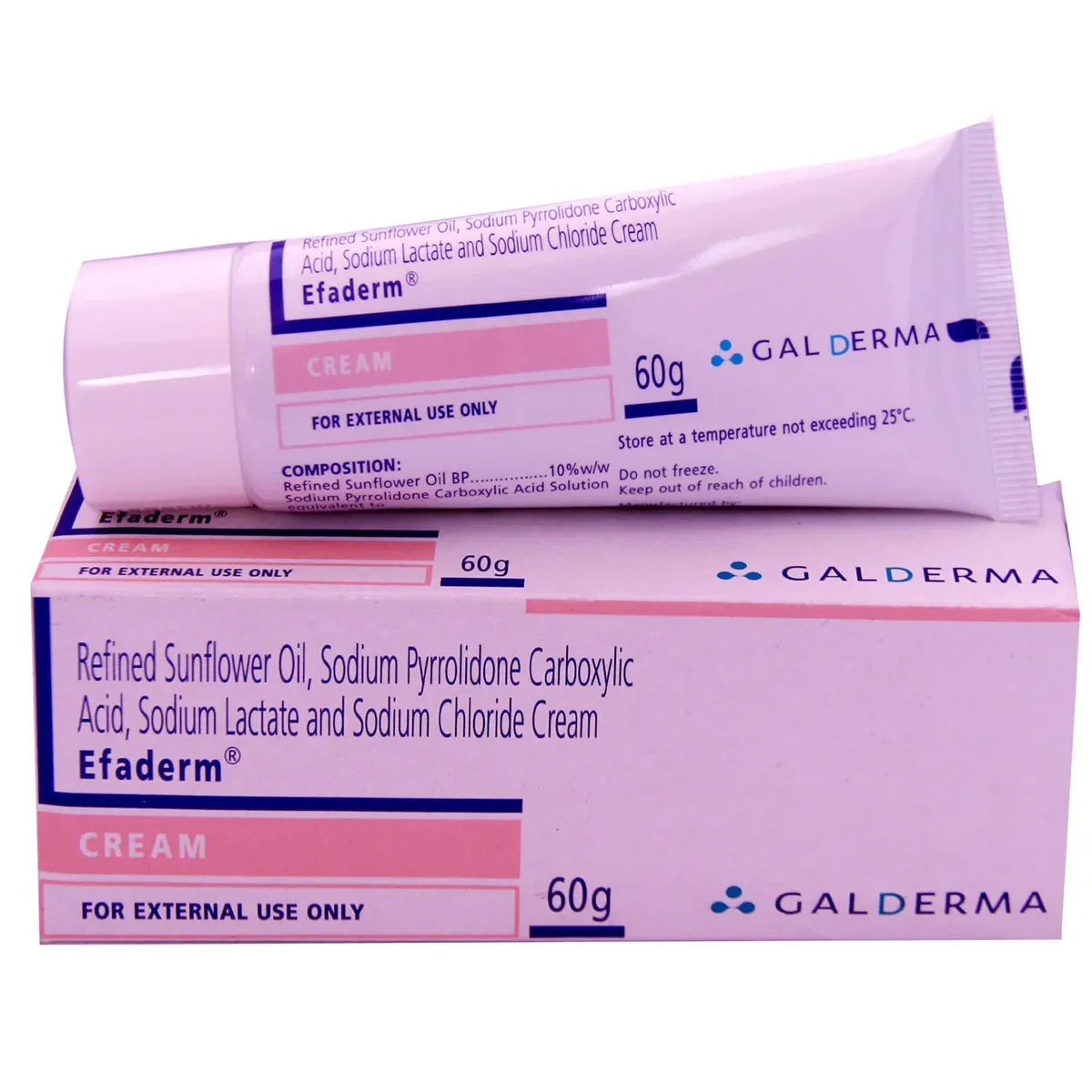
Efaderm Cream (Linoleic Acid Topical & NACL)
Price range: $10.00 through $57.00
| Active Ingredient | Linoleic Acid Topical/NACL |
|---|---|
| Manufacturer | Galderma India Pvt Ltd |
| Packaging | 60 gm cream in 1 tube |
| Strength | 60gm |
| Delivery Time | 6 To 15 days |
| SKU: | Efaderm Cream (Linoleic Acid Topical/NACL) |
Introduction to Efaderm Cream (Linoleic Acid Topical & NACL)
Healthy skin serves as the body’s primary protective barrier against environmental aggressors, irritants, pollution, and microbial invaders. At the core of this protective barrier is the stratum corneum—the outermost layer of the skin—which relies on a precise balance of essential fatty acids, natural lipids, and hydration factors to maintain soft, supple, and resilient tissue. When this natural lipid barrier becomes depleted due to harsh weather, frequent washing, aging, aggressive skin treatments, or underlying skin conditions, the skin rapidly loses moisture.
Compromised skin presents as intense dryness, flaking, redness, roughness, and uncomfortable tightness. This state of severe skin barrier disruption often leads to chronic conditions such as atopic dermatitis (eczema), contact dermatitis, and xerosis (excessively dry skin). Standard cosmetic moisturizers frequently provide only brief surface hydration without addressing the underlying lipid deficiencies or cellular hydration needs.
Efaderm Cream (Linoleic Acid Topical & NACL) is an advanced dermatological emollient and skin barrier repair formulation specifically designed to target lipid depletion and cellular hydration deficits. By pairing Linoleic Acid—an essential Omega-6 fatty acid critical for intercellular lipid structure—with Sodium Chloride (NACL) to support osmotic balance and skin tissue hydration, Efaderm Cream works deep within the skin layers to restore structural integrity, lock in moisture, and calm severe dryness.
Understanding how to use Efaderm Cream (Linoleic Acid Topical & NACL) correctly, its dual active mechanism, daily benefits, and appropriate safety precautions will help you achieve long-lasting skin comfort and optimal barrier health. This comprehensive guide provides clear, simple, and detailed information about Efaderm Cream.
What is Efaderm Cream (Linoleic Acid Topical & NACL)?
Efaderm Cream is a prescription and dermatologist-recommended topical emollient formulated to repair, nourish, and protect dry, sensitive, and compromised skin. Unlike simple occlusive ointments that merely form a greasy seal over the skin surface, Efaderm Cream works actively to restore depleted biological components necessary for long-term barrier repair.
The strength of Efaderm Cream lies in its synergistic combination of two core functional ingredients: an essential fatty acid (Linoleic Acid) and an osmotic fluid balancing agent (Sodium Chloride / NACL).
The Science Behind the Combination Formula
To appreciate why Efaderm Cream is so effective for severe dryness and barrier damage, it helps to examine how its active ingredients function at the epidermal level:
1. Linoleic Acid Topical (Essential Omega-6 Fatty Acid)
Linoleic Acid is an essential polyunsaturated fatty acid that the human body cannot synthesize on its own; it must be supplied externally through diet or topical application. Within the skin, Linoleic Acid is an indispensable building block for ceramides—specifically Ceramide 1 (ceramide EOS)—which forms the primary intercellular lipid matrix holding skin cells together like mortar between bricks.
When skin lacks adequate Linoleic Acid, the lipid barrier becomes porous and weak, leading to elevated Transepidermal Water Loss (TEWL). By replenishing Linoleic Acid topically, Efaderm Cream directly repairs the intercellular lipid cement, restores ceramide synthesis, seals microscopic gaps in the stratum corneum, and halts continuous moisture loss. Additionally, Linoleic Acid possesses mild anti-inflammatory properties that calm redness and soothe skin irritation.
2. Sodium Chloride (NACL – Osmotic and Hydration Regulator)
Sodium Chloride (NACL) plays an essential role in regulating cellular hydration and osmotic balance within skin tissues. In topical barrier formulations, controlled amounts of NACL help draw and retain essential moisture within the dermal and epidermal layers. It assists in maintaining the proper ionic equilibrium of skin cells, encouraging optimal cell hydration, supporting natural desquamation (the gentle shedding of dead skin cells), and relieving the raw, tight sensation associated with severe dehydration.
Primary Indications: What is Efaderm Cream Used For?
Efaderm Cream (Linoleic Acid Topical & NACL) is indicated for a wide variety of dermatological conditions characterized by dry skin, lipid depletion, and impaired barrier function.
1. Atopic Dermatitis (Eczema)
Eczema is fundamentally linked to a deficient skin barrier and reduced ceramide levels, causing severe dryness, intense itching, and recurrent red flare-ups. Efaderm Cream supplies essential Linoleic Acid to rebuild missing lipids, reducing flare-up frequency, soothing itchiness, and restoring long-term skin hydration.
2. Xerosis (Extremely Dry Skin)
Xerosis causes rough, flaking, cracked, and dull skin due to environmental factors (cold winter air, low humidity, air conditioning), aging, or frequent bathing with harsh soaps. Efaderm Cream deeply hydrates parched tissues and smooths rough, flaky textures.
3. Contact Dermatitis (Irritant and Allergic)
Exposure to strong chemicals, detergents, industrial solvents, or allergens strips the skin of its natural protective oils, leaving it raw and inflamed. Efaderm Cream speeds up recovery by reinforcing the natural shield and calming localized irritation.
4. Post-Procedure Skin Recovery
After undergoing clinical procedures such as mild chemical peels, microdermabrasion, laser treatments, or topical retinoid therapy, the skin barrier is temporarily disrupted. Efaderm Cream aids in soothing post-treatment redness, reducing peeling, and accelerating healthy barrier recovery.
5. Ichthyosis and Scaly Skin Conditions
Ichthyosis refers to a group of genetic or acquired skin disorders marked by dry, thickened, scaly skin. The combined moisturizing and lipid-replenishing action of Efaderm Cream helps soften tough scales and improve skin flexibility.
Core Benefits of Efaderm Cream
Incorporating Efaderm Cream (Linoleic Acid Topical & NACL) into your daily skincare routine offers numerous clinical and physiological benefits:
-
Restores the Natural Lipid Barrier: Directly supplies Linoleic Acid to stimulate natural ceramide production and repair the intercellular skin matrix.
-
Reduces Transepidermal Water Loss (TEWL): Seals micro-fissures in dry skin to keep moisture trapped inside for extended periods.
-
Maintains Dermal Osmotic Balance: Sodium Chloride helps retain physiological water balance within skin cells, preventing deep dehydration.
-
Soothes Itching and Tightness: Calms irritation, raw discomfort, and persistent itching caused by dryness and environmental stress.
-
Smooths Flaky and Rough Texture: Gently softens dry flakes and rough patches, restoring a soft, smooth, and healthy skin feel.
-
Non-Greasy Emollient Formulation: Formulated to absorb cleanly into the skin without leaving a heavy, sticky, or suffocating layer.
How to Apply Efaderm Cream: Step-by-Step Guide
To achieve optimal hydration and barrier repair, Efaderm Cream must be applied consistently using proper application techniques.
Step 1: Cleanse the Area Gently
Wash the target skin area using a mild, soap-free, non-foaming cleanser and lukewarm water. Avoid using hot water or harsh antibacterial soaps, as these strip essential natural oils from already dry skin.
Step 2: Pat Dry (Leave Skin Slightly Damp)
Gently pat your skin dry with a clean, soft towel. Do not rub vigorously. Leaving the skin slightly damp immediately before applying Efaderm Cream allows the formulation to trap surface moisture directly into the stratum corneum.
Step 3: Apply an Adequate Amount
Dispense an appropriate amount of Efaderm Cream onto your clean fingertips. Apply a generous layer directly onto the dry, affected skin areas.
Step 4: Massage Gently
Gently smooth the cream into the skin using light, upward circular motions until it is fully absorbed. Do not rub aggressively into raw or irritated areas.
Step 5: Application Frequency
-
Standard Use: Apply Efaderm Cream 2 to 3 times daily, or as directed by your prescribing physician or dermatologist.
-
Optimal Timing: For maximum benefits, always apply Efaderm Cream immediately after bathing or showering while skin is still moist, and once again before going to bed at night.
Crucial Precautions and Safety Warnings
While Efaderm Cream (Linoleic Acid Topical & NACL) is a gentle, skin-compatible formulation, proper precautions should be observed for safe use:
1. For External Use Only
Efaderm Cream is formulated strictly for topical application on intact or dry skin. Do not swallow the cream or apply it internally.
2. Avoid Contact with Eyes and Mucous Membranes
Keep the cream away from your eyes, eyelids, nostrils, and lips. If accidental contact occurs, rinse the area thoroughly with clean, cool water.
3. Do Not Apply on Open Wounds or Infected Skin
Avoid applying Efaderm Cream directly onto open cuts, severe weeping sores, or actively infected skin lesions (such as active bacterial impetigo or weeping eczema) unless explicitly instructed by your doctor. Treat underlying infections first before applying dense barrier repair emollients.
4. Perform a Patch Test for Sensitive Skin
If you have extremely sensitive skin or a history of multiple severe allergies, perform a simple patch test before widespread use. Apply a small dab of cream to your inner forearm and monitor the area for 24 hours. Discontinue use if significant redness, burning, or itching develops.
Potential Side Effects
Efaderm Cream (Linoleic Acid Topical & NACL) is generally exceptionally well tolerated across diverse skin types, including sensitive and pediatric skin. Because its active components mimic natural skin lipids and bodily fluids, adverse reactions are rare.
Mild and Rare Side Effects
-
Transient mild stinging or tingling sensation upon initial application, especially when applied to severely cracked, raw, or dehydrated skin.
-
Mild, temporary skin redness (erythema) in hypersensitive individuals.
-
Minor localized itching if an individual is allergic to any secondary inactive ingredient or preservative in the cream base.
What to Do in Case of Side Effects
If mild stinging occurs on broken or severely dry skin, it usually subsides within a few minutes as the barrier recovers. However, if intense burning, spreading redness, swelling, or an allergic rash develops, wash the area gently with water, discontinue use, and consult your physician.
Special Population Considerations
1. Pediatric Use (Infants and Children)
Efaderm Cream is safe and suitable for use in pediatric patients, including infants and young children suffering from dry skin and atopic dermatitis. Its gentle lipid-replenishing formula helps protect delicate infant skin from moisture loss. Always consult your pediatrician for personalized application advice.
2. Pregnancy and Breastfeeding
-
Pregnancy: Topically applied Linoleic Acid and Sodium Chloride have negligible systemic impact and are considered safe for use during pregnancy to hydrate dry skin and manage pregnancy-related itching.
-
Breastfeeding: Efaderm Cream is safe for nursing mothers. However, if applying the cream to the chest or breast area, wash the nipple area thoroughly before nursing to prevent direct oral ingestion by the infant.
3. Elderly Patients
Aging skin naturally loses its ability to synthesize lipids and retain moisture, making elderly individuals prone to severe dry skin and winter itch. Efaderm Cream is an ideal daily moisturizer for mature skin to maintain elasticity and comfort.
Storage and Handling Instructions
Proper storage ensures that Efaderm Cream maintains its physical texture, stability, and therapeutic effectiveness:
-
Temperature: Store the tube at cool room temperatures, ideally below 25°C (77°F).
-
Protect from Extreme Conditions: Keep away from direct heat, high humidity, freezing temperatures, and direct sunlight.
-
Keep Cap Closed: Always replace the tube cap tightly immediately after each use to prevent oxidation of the essential fatty acids and keep the cream from drying out.
-
Child Safety: Keep the product safely out of the reach and sight of young children and domestic pets.
-
Expiration Date: Always check the expiration date stamped on the tube crimp and outer packaging. Do not use expired product.
Frequently Asked Questions (FAQs)
1. What makes Efaderm Cream different from standard commercial moisturizers?
Standard commercial moisturizers often rely heavily on water and basic petroleum jellies that sit on top of the skin to create a temporary barrier. Efaderm Cream delivers Linoleic Acid—an essential lipid building block—and Sodium Chloride directly into the stratum corneum, actively stimulating natural ceramide synthesis and restoring long-term cellular hydration.
2. How quickly can I expect results for dry skin with Efaderm Cream?
Most individuals experience immediate relief from tightness, rough texture, and dry skin discomfort upon the very first application. Significant structural repair of the skin lipid barrier, reduced flaking, and lasting softness typically become noticeable within 7 to 14 days of consistent daily use.
3. Can I use Efaderm Cream on my face?
Yes, Efaderm Cream can be applied to the face. It is particularly beneficial for facial dry patches, flaking around the nose and mouth, and post-procedure facial recovery. Apply a thin layer and gently massage until absorbed.
4. Is Efaderm Cream suitable for acne-prone skin?
Linoleic Acid is actually known to be beneficial for acne-prone skin, as individuals with acne often have linoleic acid-deficient sebum. However, because Efaderm Cream is an emollient-rich formula designed for dry barrier repair, those with excessively oily skin should apply it sparingly or focus only on dry areas.
5. Can Efaderm Cream be combined with prescription steroid creams?
Yes. Doctors frequently recommend using barrier repair creams like Efaderm alongside topical corticosteroids to manage eczema flare-ups. Typically, you apply the prescribed steroid cream first to active inflammatory patches as directed, wait 15 to 30 minutes for absorption, and then apply Efaderm Cream to nourish and protect the entire skin area.
Medical Disclaimer:-
The information provided in this comprehensive article regarding Efaderm Cream (Linoleic Acid Topical & NACL) is intended strictly for educational, informational, and general reference purposes. It does not constitute formal medical advice, clinical diagnosis, or individualized dermatological treatment guidance. Always seek the advice of a qualified dermatologist, physician, or certified healthcare professional regarding any specific skin condition, barrier repair regimen, or cosmetic concern. Never ignore, delay, or modify professional medical guidance because of something you have read in this article. Individual results may vary based on skin type, underlying cause of dryness, environmental factors, genetics, and adherence to proper application guidelines.
Additional information
| unit | 1 Cream, 3 Cream, 6 Cream |
|---|


Reviews
There are no reviews yet.