
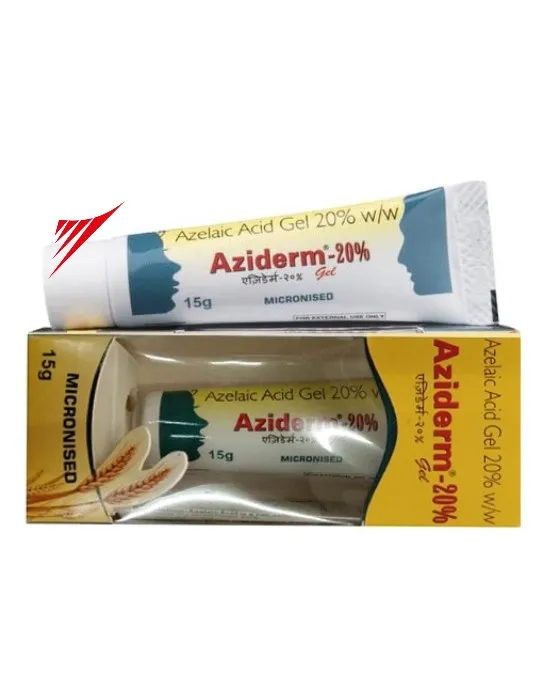
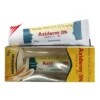
Aziderm 20% Gel (Azelaic Acid)
Price range: $42.00 through $110.00
| Active Ingredient | Azelaic Acid |
|---|---|
| Manufacturer | Micro Labs Limited |
| Packaging | 15 gm in 1 tube |
| Strength | 20% |
| Delivery Time | 6 To 15 days |
| SKU: | Aziderm 20% Gel (Azelaic Acid) |
What Is Aziderm 20% Gel (Azelaic Acid)?
Aziderm 20% Gel (Azelaic Acid) is a topical dermatological preparation containing 20% azelaic acid, an active ingredient used in the management of certain acne-related skin concerns and inflammatory skin conditions. Azelaic acid has properties that can help reduce acne lesions and may gradually improve the appearance of post-acne dark spots. Dermatologists may recommend azelaic acid as part of a treatment routine depending on the individual’s skin type, symptoms, and diagnosis.
Azelaic acid works on several factors involved in acne and skin discoloration. It can help normalize the process of skin-cell buildup inside pores, reduce the growth of certain acne-associated bacteria, and influence pigmentation pathways. The American Academy of Dermatology recognizes azelaic acid as an acne treatment that can also help fade dark spots left after acne.
Because 20% azelaic acid is a relatively concentrated topical formulation, it is important to introduce it carefully and follow the directions provided by a healthcare professional or the product label.
What Are the Uses of Aziderm 20% Gel (Azelaic Acid)?
Acne and Acne-Prone Skin
One of the primary reasons Aziderm 20% Gel (Azelaic Acid) may be recommended is to help manage acne. Acne develops when hair follicles become blocked by oil, dead skin cells, and other factors, eventually resulting in pimples, blackheads, whiteheads, or inflammatory lesions.
Azelaic acid can help address some of the processes associated with acne. It may help reduce follicular plugging and has antimicrobial activity against microorganisms associated with acne. Its anti-inflammatory properties may also be useful when redness and irritation accompany breakouts.
Post-Acne Dark Marks
Another reason dermatologists may consider Aziderm 20% Gel (Azelaic Acid) is the presence of post-inflammatory hyperpigmentation. These dark marks can remain after pimples heal, particularly when acne causes significant inflammation.
Azelaic acid can interfere with melanin production by affecting tyrosinase activity, an enzyme involved in pigmentation. With consistent use, this action may help gradually reduce the appearance of certain areas of unwanted pigmentation.
Certain Rosacea-Related Breakouts
Azelaic acid is also used in some treatment plans for rosacea, particularly when acne-like bumps and pustules are present. The American Academy of Dermatology lists azelaic acid foam or gel among topical treatment options for acne-like breakouts associated with rosacea.
However, not every facial redness or breakout is rosacea. Acne and rosacea can appear similar, so an accurate diagnosis is important before choosing treatment.
How Does Aziderm 20% Gel (Azelaic Acid) Work?
Helps Keep Pores From Becoming Blocked
Aziderm 20% Gel (Azelaic Acid) can help regulate abnormal keratinization within hair follicles. When dead skin cells accumulate excessively inside pores, they can contribute to clogged pores and acne formation.
By helping normalize this process, azelaic acid may support clearer-looking skin over time.
Supports Reduction of Acne-Associated Bacteria
Azelaic acid has antimicrobial activity that can help reduce certain microorganisms involved in acne. This action works alongside its other effects rather than functioning as a conventional antibiotic.
This makes azelaic acid a useful topical ingredient in selected acne treatment routines.
Helps Calm Inflammatory Skin Changes
Inflammation plays an important role in many acne lesions. Azelaic acid has anti-inflammatory properties that may help reduce inflammatory activity associated with certain skin conditions.
This does not mean that every type of redness should be treated with azelaic acid. Persistent, painful, or unexplained redness should be evaluated by a dermatologist.
Influences Excess Pigmentation
Azelaic acid can influence melanin formation and may help improve certain forms of hyperpigmentation. This is particularly relevant when dark spots remain after acne has healed.
Results are gradual rather than immediate, and daily sun protection is important because ultraviolet exposure can make pigmentation more noticeable.
How to Use Aziderm 20% Gel (Azelaic Acid)?
Clean the Skin Gently
Before applying Aziderm 20% Gel (Azelaic Acid), cleanse the affected area using a mild cleanser and lukewarm water. Avoid aggressive scrubbing because excessive friction can increase irritation.
Pat the skin dry gently rather than rubbing it.
Apply a Thin Layer
Use the amount recommended by your healthcare professional and spread a thin layer over the affected skin. Avoid applying excessive quantities because using more product does not necessarily produce faster results.
The medication should be applied only to the areas directed by your healthcare provider.
Wash Your Hands After Application
Wash your hands after applying the gel unless your hands are the area being treated. This helps prevent accidental transfer of the product to the eyes, mouth, or other sensitive areas.
Follow the Recommended Schedule
The frequency of application can vary depending on the condition being treated, formulation, and individual tolerance. Follow your dermatologist’s instructions rather than changing the schedule based on how quickly you want results.
If irritation develops, contact your healthcare professional before making major changes to your treatment routine.
What Are the Benefits of Aziderm 20% Gel (Azelaic Acid)?
May Help Reduce Acne Breakouts
Aziderm 20% Gel (Azelaic Acid) may help reduce certain types of acne by addressing follicular blockage, inflammation, and acne-associated microorganisms.
It is generally considered one of several topical options for acne management, and the most appropriate treatment depends on acne severity and skin characteristics.
May Improve the Appearance of Dark Spots
Persistent dark marks following acne can be frustrating. Azelaic acid may gradually improve the appearance of post-inflammatory hyperpigmentation by influencing melanin production.
People with darker skin tones may be particularly concerned about acne-related pigmentation because inflammation can leave noticeable dark spots. Appropriate acne treatment and sun protection can help reduce the likelihood of persistent discoloration.
Can Be Incorporated Into Different Skincare Routines
When appropriately recommended, azelaic acid can be incorporated into a broader skincare routine. A simple routine involving gentle cleansing, appropriate moisturization, and daytime sun protection can help support the skin barrier while using an active topical treatment.
What Are the Side Effects of Aziderm 20% Gel (Azelaic Acid)?
Common Skin Reactions
Some people may experience local skin reactions after starting Aziderm 20% Gel (Azelaic Acid). Possible effects include:
- Burning or stinging
- Itching
- Dryness
- Redness
- Peeling
- Skin irritation
- Tingling or discomfort
These reactions may be more noticeable when treatment is first started or when the skin is already irritated.
Severe or Persistent Reactions
If significant swelling, intense burning, severe irritation, blistering, or other unusual skin reactions occur, stop using the product and seek medical advice.
People with very sensitive skin may need a slower introduction or a different treatment approach under professional supervision.
Who Should Use Aziderm 20% Gel (Azelaic Acid) Carefully?
People With Sensitive Skin
If your skin frequently reacts to cosmetics, acids, retinoids, or other active ingredients, discuss this with a dermatologist before starting Aziderm 20% Gel (Azelaic Acid).
Introducing several potentially irritating products simultaneously can make it difficult to determine which product is causing a reaction.
People With Damaged or Irritated Skin
Avoid applying the product to severely irritated, broken, scraped, or wounded skin unless a healthcare professional specifically instructs you to do so.
A damaged skin barrier can increase discomfort and sensitivity to topical treatments.
People With Eye or Lip Sensitivity
Azelaic acid products should be kept away from the eyes, lips, nostrils, and other sensitive mucosal areas. If accidental contact occurs, rinse thoroughly with water.
Persistent eye irritation should receive appropriate medical attention.
Can Aziderm 20% Gel (Azelaic Acid) Be Used for Dark Spots?
Understanding Post-Acne Pigmentation
Aziderm 20% Gel (Azelaic Acid) may be useful when dark spots develop after inflammatory acne. These marks are different from active pimples because the acne lesion may already be gone while pigmentation remains.
Treatment usually requires patience because pigmentation can take weeks or months to become less noticeable.
Sun Protection Is Important
Daily broad-spectrum sunscreen is an important part of pigmentation care. Sun exposure can contribute to persistent discoloration and may reduce the visible improvement achieved through a skincare routine.
A dermatologist can recommend a sunscreen that suits your skin type and treatment plan.
Can Aziderm 20% Gel (Azelaic Acid) Be Used Every Day?
Follow Individual Treatment Instructions
Whether Aziderm 20% Gel (Azelaic Acid) should be used once or more frequently depends on the prescribed treatment plan and how your skin responds.
Do not assume that applying the gel more frequently will make acne or pigmentation disappear faster.
Introduce Active Ingredients Carefully
If your skin is new to azelaic acid, gradually building tolerance may be appropriate in some treatment plans. However, the exact schedule should be guided by the product instructions or your dermatologist.
Using too many active ingredients together can increase dryness, burning, and peeling.
What Should You Avoid While Using Aziderm 20% Gel (Azelaic Acid)?
Avoid Harsh Exfoliation
Scrubs, strong exfoliating acids, and abrasive cleansing tools can increase irritation when combined with Aziderm 20% Gel (Azelaic Acid).
A gentle skincare routine is generally preferable while the skin is adjusting to treatment.
Avoid Picking Acne
Squeezing or picking pimples can increase inflammation and raise the risk of persistent marks and scarring. Allow acne treatments to work gradually rather than attempting to remove lesions manually.
Avoid Unnecessary Product Layering
Combining multiple strong acne treatments without professional guidance may increase irritation. Products containing retinoids, benzoyl peroxide, salicylic acid, or other exfoliating ingredients can sometimes be used together, but the appropriate combination depends on the individual’s skin and treatment goals.
How Long Does Aziderm 20% Gel (Azelaic Acid) Take to Work?
Expect Gradual Improvement
Aziderm 20% Gel (Azelaic Acid) does not usually produce overnight results. Acne treatments generally require consistent use over several weeks before meaningful improvement becomes noticeable.
The American Academy of Dermatology notes that people using acne treatments may see fewer breakouts within several weeks, while clearer skin can take longer.
Results Can Vary
The response depends on acne severity, pigmentation, skin sensitivity, treatment consistency, skincare habits, and whether other treatments are being used.
If your condition is not improving or is becoming worse, consult a dermatologist rather than repeatedly increasing the amount of product.
Can Aziderm 20% Gel (Azelaic Acid) Cause Dryness?
Temporary Dryness May Occur
Some people may experience dryness, peeling, burning, or stinging when beginning Aziderm 20% Gel (Azelaic Acid).
These effects can be more noticeable in people with naturally dry or sensitive skin.
Support the Skin Barrier
Using a gentle, fragrance-free moisturizer can help support the skin barrier. Avoid unnecessarily harsh cleansers or frequent exfoliation while the skin is adjusting.
If dryness becomes severe or painful, speak with a healthcare professional.
Aziderm 20% Gel (Azelaic Acid) and Skincare Routine
Morning Routine
A simple morning routine may include gentle cleansing, moisturizer, and broad-spectrum sunscreen. If your dermatologist has instructed you to use Aziderm 20% Gel (Azelaic Acid) in the morning, follow those instructions and allow the product to settle before applying other skincare products.
Evening Routine
An evening routine can focus on gentle cleansing, the prescribed topical treatment, and moisturizer if appropriate.
Keeping the routine simple can make it easier to identify irritation and maintain consistent use.
Important Precautions for Aziderm 20% Gel (Azelaic Acid)
Use Only as Directed
Do not apply larger amounts or use the gel more often than recommended. Topical medicines should be used according to professional guidance or the product instructions.
Keep the Product Away From Sensitive Areas
Avoid contact with the eyes, mouth, and other sensitive areas. If contact occurs, rinse with plenty of water.
Tell Your Doctor About Other Skin Treatments
Before beginning Aziderm 20% Gel (Azelaic Acid), tell your dermatologist about other prescription medicines, over-the-counter acne products, cosmetic treatments, peels, or active skincare ingredients you use.
This information can help reduce the possibility of unnecessary irritation.
When Should You See a Dermatologist?
Persistent or Severe Acne
Deep, painful, cystic, or rapidly worsening acne may require professional treatment. Severe acne can also increase the risk of permanent scarring.
Unexplained Facial Redness
Facial redness can have many causes, including acne, rosacea, irritation, allergy, and other skin conditions. Rosacea can produce acne-like bumps and persistent color changes, making professional diagnosis valuable.
Severe Skin Irritation
If your skin develops intense burning, swelling, blistering, or significant discomfort after applying Aziderm 20% Gel (Azelaic Acid), seek medical advice promptly.
Frequently Asked Questions About Aziderm 20% Gel (Azelaic Acid)
Is Aziderm 20% Gel (Azelaic Acid) Good for Acne?
Aziderm 20% Gel (Azelaic Acid) can be an effective topical option for certain types of acne. It may help address clogged pores, inflammation, and acne-associated microorganisms. A dermatologist can determine whether it is appropriate for your particular acne.
Can Aziderm 20% Gel (Azelaic Acid) Remove Acne Marks?
Aziderm 20% Gel (Azelaic Acid) may help gradually reduce the appearance of post-inflammatory dark marks left after acne. Consistent use and daily sun protection are important for pigmentation management.
Can Aziderm 20% Gel (Azelaic Acid) Make Skin Dry?
Yes, dryness, peeling, burning, itching, or stinging can occur in some users. Using a gentle moisturizer and avoiding excessive exfoliation may help reduce irritation.
Can I Apply Aziderm 20% Gel (Azelaic Acid) on Sensitive Skin?
People with sensitive skin may still use azelaic acid when it is considered appropriate, but they may need careful introduction and monitoring. Discuss its use with a dermatologist if your skin is highly reactive.
Can I Use Makeup After Applying Aziderm 20% Gel (Azelaic Acid)?
Once the topical medication has dried, makeup may generally be applied if it does not irritate the skin. However, follow your healthcare professional’s specific instructions.
Does Aziderm 20% Gel (Azelaic Acid) Work Immediately?
No. Acne and pigmentation usually improve gradually. Consistent treatment is more important than applying excessive amounts in an attempt to speed up results.
Final Thoughts on Aziderm 20% Gel (Azelaic Acid)
Aziderm 20% Gel (Azelaic Acid) is a topical azelaic acid formulation that may be used in selected acne and pigmentation treatment plans. Its multiple actions make azelaic acid a useful ingredient for addressing acne lesions and certain dark marks left after inflammation.
The best results generally come from consistent use, gentle skincare, adequate moisturization, and daily sun protection. Because 20% azelaic acid can cause irritation in some people, it is important to use the product according to professional or label instructions rather than applying excessive amounts.
If acne is severe, persistent, painful, scarring, or accompanied by unusual redness, a dermatologist can help identify the underlying condition and recommend an appropriate treatment plan.
Medical Disclaimer:-
This content is intended for general educational and informational purposes only and should not be considered a substitute for professional medical advice, diagnosis, or treatment. Aziderm 20% Gel (Azelaic Acid) should be used according to the advice of a qualified healthcare professional or the product instructions. Individual results and tolerability may vary. Consult a dermatologist or healthcare professional before starting, stopping, or changing any medication, especially if you have sensitive skin, severe acne, persistent facial redness, or another skin condition. Seek medical attention if you experience severe or unusual skin reactions.
Additional information
| unit | 3 Gel, 6 Gel, 9 Gel |
|---|



Reviews
There are no reviews yet.