
Anti-Cancer Medicines: Understanding Oncology Treatment Options
Cancer treatment has evolved significantly over the past decades, offering patients more targeted and effective therapeutic options than ever before. Anti-cancer medicines, also known as oncology medications or chemotherapeutic agents, represent a critical category of prescription drugs designed to treat various types of malignancies by stopping or slowing the growth of cancer cells in the body.
This category encompasses a diverse range of medications used in the management of different cancers, including solid tumors and blood-related malignancies. These medicines work through various mechanisms to target cancer cells while minimizing damage to healthy tissue. Anti-cancer treatments are prescribed by oncologists and cancer specialists based on the specific type of cancer, the stage of the disease, the patient’s overall health, and individualized treatment protocols.
Understanding Cancer and the Role of Anti-Cancer Medicines
Cancer develops when abnormal cells in the body begin to grow uncontrollably, forming tumors or affecting blood and lymphatic systems. These abnormal cells can invade nearby tissues and spread to other parts of the body through the bloodstream or lymphatic system, a process known as metastasis.
Anti-cancer medicines play a vital role in comprehensive cancer care, which may also include surgery, radiation therapy, immunotherapy, and supportive care measures. The primary goals of cancer treatment include:
– Eliminating cancer cells from the body
– Preventing cancer recurrence
– Slowing disease progression
– Reducing tumor size before surgery or radiation
– Alleviating symptoms and improving quality of life
– Extending survival in advanced disease
The choice of anti-cancer treatment depends on numerous factors, including the cancer type, genetic characteristics of the tumor, stage at diagnosis, patient’s age and overall health, and previous treatment history.
Types of Anti-Cancer Medicines Available
Anti-cancer medications come in various formulations to accommodate different treatment protocols and patient needs:
Oral Formulations:
– Tablets and capsules that can be taken at home
– Liquid suspensions for patients with swallowing difficulties
Injectable Formulations:
– Intravenous (IV) infusions administered in clinical settings
– Subcutaneous injections
– Intramuscular injections
Specialized Delivery Systems:
– Extended-release formulations
– Targeted delivery mechanisms
The prescription status of these medicines is strictly regulated. All anti-cancer medications require a valid prescription from a qualified oncologist or physician specializing in cancer treatment. These are not available over-the-counter due to their potent nature, potential side effects, and the need for medical supervision during treatment.
How Anti-Cancer Medicines Work?
Anti-cancer medicines employ different mechanisms to combat cancer cells, and understanding these approaches helps patients appreciate their treatment journey:
Cell Division Inhibition: Many anti-cancer drugs target rapidly dividing cells, a hallmark characteristic of cancer. These medicines interfere with the cell division process, preventing cancer cells from multiplying.
Hormonal Modulation: Certain cancers, such as breast and prostate cancer, are hormone-sensitive. Hormone therapy medications block the body’s ability to produce specific hormones or interfere with hormone receptors on cancer cells.
Targeted Therapy: Modern anti-cancer medicines can specifically target molecular changes and proteins that are present in cancer cells, offering a more precise treatment approach with potentially fewer effects on healthy cells.
Immune System Enhancement: Some medications work by helping the patient’s own immune system recognize and destroy cancer cells more effectively.
Blood Vessel Growth Prevention: Certain anti-cancer drugs prevent tumors from forming new blood vessels, essentially cutting off their nutrient supply and limiting their ability to grow.
It’s important to understand that because cancer cells and normal cells share many characteristics, anti-cancer medicines may affect healthy, rapidly dividing cells in the body, such as those in the bone marrow, digestive tract, and hair follicles, which can lead to side effects.
Therapeutic Benefits and Treatment Goals:-
Anti-cancer medicines serve multiple therapeutic purposes in comprehensive oncology care:
Curative Intent: In some cases, anti-cancer treatment aims to eliminate cancer from the body, particularly when detected early or in highly treatable cancer types.
Adjuvant Therapy: These medicines may be used after primary treatment (such as surgery) to eliminate any remaining cancer cells and reduce the risk of recurrence.
Neoadjuvant Therapy: Treatment given before surgery or radiation to shrink tumors, making them easier to remove or treat with localized therapies.
Palliative Care: For advanced cancers, anti-cancer medicines can help control symptoms, slow disease progression, and improve quality of life even when cure is not possible.
Maintenance Therapy: Some patients receive ongoing treatment to keep cancer in remission and prevent recurrence.
The effectiveness of anti-cancer treatment varies significantly based on individual factors, and outcomes should always be discussed with your healthcare team based on your specific situation.
Important Safety Considerations and Precautions:-
Anti-cancer medicines are potent medications that require careful monitoring and management:
Medical Supervision: Treatment with anti-cancer medicines must always be conducted under the close supervision of qualified oncology healthcare professionals who can monitor response and manage side effects.
Potential Side Effects: These medications can cause various side effects, ranging from mild to severe, including fatigue, nausea, changes in blood cell counts, increased infection risk, and others specific to each medication. Your healthcare team will discuss expected side effects and strategies to manage them.
Drug Interactions: Anti-cancer medicines can interact with other medications, supplements, herbal products, and even certain foods. Always inform your healthcare provider about everything you’re taking.
Pregnancy and Fertility: Most anti-cancer medicines can cause serious harm to developing fetuses and may affect fertility. Contraception and family planning should be discussed with your oncologist before starting treatment.
Pre-existing Conditions: Patients with liver disease, kidney disease, heart conditions, or other health issues require special consideration and dose adjustments.
Handling Precautions: Some anti-cancer medicines require special handling procedures. Caregivers should receive guidance on safe handling of medications and bodily fluids during treatment.
Adherence to Schedule: Taking medications exactly as prescribed is crucial for treatment effectiveness. Never adjust doses or stop treatment without consulting your oncologist.
The Critical Importance of Medical Consultation:-
Cancer treatment is highly specialized and individualized. Self-medication or obtaining anti-cancer medicines without proper medical supervision is extremely dangerous and can lead to serious health consequences.
Why Professional Guidance is Essential?
Your oncologist will conduct comprehensive assessments, including diagnostic tests, imaging studies, genetic testing, and evaluation of your overall health, before prescribing any anti-cancer medicine. Treatment decisions are based on evidence-based protocols, clinical guidelines, and your unique medical situation.
Regular follow-up appointments are necessary to:
– Monitor treatment effectiveness through imaging and laboratory tests
– Assess and manage side effects
– Adjust treatment protocols as needed
– Screen for complications
– Provide supportive care
Cancer care typically involves a multidisciplinary team including medical oncologists, surgical oncologists, radiation oncologists, nurses, pharmacists, nutritionists, and mental health professionals working together to optimize your treatment outcomes.
Choosing the Right Anti-Cancer Medicine: A Doctor-Led Decision:-
The selection of appropriate anti-cancer treatment is a complex process that only qualified healthcare professionals can navigate effectively. This decision involves:
Comprehensive Diagnostic Evaluation: Including biopsy results, tumor staging, molecular and genetic testing, and assessment of cancer cell characteristics.
Treatment Protocol Selection: Based on established clinical guidelines, current research evidence, and your cancer’s specific features.
Personalized Considerations: Your age, overall health status, organ function, previous treatments, personal preferences, and treatment goals all influence the therapeutic approach.
Risk-Benefit Analysis: Your oncologist will weigh the potential benefits of treatment against possible risks and side effects for your individual situation.
Patients should never select anti-cancer medicines based on internet research, recommendations from non-medical sources, or experiences of other patients. Each cancer case is unique, and what works for one person may not be appropriate or safe for another.
Storage and Handling Guidelines for Anti-Cancer Medicines:-
Proper storage and handling of anti-cancer medications are essential for maintaining their effectiveness and ensuring safety:
General Storage Recommendations:-
– Store medications at room temperature unless otherwise specified
– Keep medicines in their original containers with labels intact
– Protect from direct sunlight, heat, and moisture
– Store away from children and pets
– Some medications may require refrigeration—follow specific instructions
Handling Safety:-
– Wash your hands before and after handling medications
– Avoid crushing or breaking tablets unless instructed by your pharmacist
– If you’re a caregiver, consider wearing disposable gloves when handling medications
– Clean up any spills immediately, following the safety guidelines provided by your pharmacy
Disposal:-
– Never flush anti-cancer medicines down the toilet unless specifically instructed
– Return unused or expired medications to your pharmacy or utilize medication take-back programs
– Follow specific disposal instructions provided with your medication
Travel Considerations:-
– Keep medications in carry-on luggage during air travel
– Bring copies of prescriptions when traveling
– Maintain proper storage conditions during transit
Always consult your pharmacist or healthcare provider for medication-specific storage and handling instructions.
Frequently Asked Questions About Anti-Cancer Medicines
Q: How long does anti-cancer treatment typically last?
The duration of treatment varies widely depending on the type of cancer, treatment goals, and individual response. Some treatments last a few months, while others may continue for years. Your oncologist will develop a treatment plan with a specific timeline and will adjust it based on how your cancer responds and how you tolerate the therapy.
Q: Can I take anti-cancer medicines at home, or do I need to go to a hospital?
This depends on the specific medication and treatment protocol. Many newer anti-cancer medicines are available in oral formulations that can be taken at home, while others require intravenous administration in a clinical setting such as a hospital, infusion center, or oncology clinic. Your healthcare team will explain where and how your treatment will be administered.
Q: Will I lose my hair during anti-cancer treatment?
Hair loss is a potential side effect of some, but not all, anti-cancer medicines. The likelihood and severity depend on the specific medications used, dosage, and treatment duration. Your oncologist can tell you whether hair loss is expected with your particular treatment regimen. If hair loss occurs, it’s typically temporary, and hair usually grows back after treatment concludes.
-
Lupride 1 Mg Injection (Leuprolide Acetate)
Active Ingredient Leuprolide Acetate Manufacturer Sun Pharmaceutical Industries Ltd Packaging 1 mg in 0.5ml Ampoule Strength 1 Mg Delivery Time 6 To 15 days SKU: Lupride 1 Mg Injection (Leuprolide Acetate) Price range: $35.00 through $99.00Lupride 1 Mg Injection (Leuprolide Acetate)
Price range: $35.00 through $99.00 -
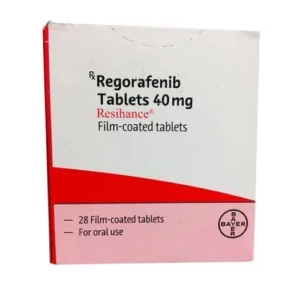
Resihance (Regorafenib) – 40 Mg
Active Ingredient Regorafenib Manufacturer Bayer Zydus Pharma Packaging 28 tablets in 1 strip Strength 40mg Delivery Time 6 To 15 days SKU: Resihance (Regorafenib) – 40 Mg Price range: $700.00 through $1,932.00Resihance (Regorafenib) – 40 Mg
Price range: $700.00 through $1,932.00 -

Spexib (Ceritinib) – 150 Mg
Active Ingredient Afatinib Dimaleate Manufacturer Boehringer Ingelheim India Pvt.Ltd Packaging 7 Capsule in 1 strip Strength 20mg Delivery Time 6 To 15 days SKU: Spexib (Ceritinib) – 150 Mg Price range: $125.00 through $315.00Spexib (Ceritinib) – 150 Mg
Price range: $125.00 through $315.00 -

Tamoxifen 10 Mg (Tamoxifen)
Active Ingredient Tamoxifen Manufacturer Celon Laboratories Ltd Packaging 10 Tablets in Strip Strength 10mg Delivery Time 6 To 15 days SKU: Tamoxifen 10 Mg (Tamoxifen) Price range: $24.50 through $57.00Tamoxifen 10 Mg (Tamoxifen)
Price range: $24.50 through $57.00 -

Veenat 100 Mg (Imatinib)
Active Ingredient Imatinib Manufacturer Natco Pharma Ltd. Packaging 10 Tablets in Strip & 120 Tablets in Bottle Strength 100mg Delivery Time 6 To 15 days SKU: Veenat 100 Mg (Imatinib) Price range: $85.00 through $240.00Veenat 100 Mg (Imatinib)
Price range: $85.00 through $240.00 -

Xovoltib 20 Mg (Afatinib Dimaleate)
Active Ingredient Afatinib Dimaleate Manufacturer Boehringer Ingelheim India Pvt.Ltd Packaging 7 tablets in 1 strip Strength 20mg, 30mg, 40mg, 50mg Delivery Time 6 To 15 days SKU: Xovoltib 20mg (Afatinib Dimaleate) Price range: $840.00 through $2,826.00Xovoltib 20 Mg (Afatinib Dimaleate)
Price range: $840.00 through $2,826.00 -

Letrozole 2.5 Mg
Active Ingredient Letrozole Manufacturer Corona Remedies Private Limited Packaging 10 tablets in 1 strip Strength 2.5mg Delivery Time 6 To 15 days SKU: Letrozole (Letrozole) – 2.5 Mg Price range: $85.50 through $225.00Letrozole 2.5 Mg
Price range: $85.50 through $225.00 -

Lenalid Capsules
Active Ingredient Imatinib Manufacturer Natco Pharma Ltd. Packaging 10 Tablets in Strips & 120 Tablets in Bottle Strength 5 Mg, 10 Mg, 15 Mg, 25 Mg Delivery Time 6 To 15 days SKU: Lenalid 5 Mg (Lenalidomide) Price range: $94.00 through $750.00Lenalid Capsules
Price range: $94.00 through $750.00 -

Imiquimod Cream 5% (Imiquad Cream) 12.5 Mg Sachet
Active Ingredient Imiquimod Manufacturer Glenmark Pharmaceuticals Ltd. Packaging 0.25 gm in 1 sachet Strength 12.5mg Delivery Time 6 To 15 days SKU: Imiquad Sachet (Imiquimod) – 12.5 Mg Price range: $75.00 through $216.00Imiquimod Cream 5% (Imiquad Cream) 12.5 Mg Sachet
Price range: $75.00 through $216.00 -

Imatib 100 Mg (Imatinib)
Active Ingredient Imatinib Manufacturer Cipla Limited Packaging 10 tablets in 1 strip Strength 100mg, 400mg Delivery Time 6 To 15 days SKU: Imatib 100 Mg Price range: $123.00 through $1,050.00Imatib 100 Mg (Imatinib)
Price range: $123.00 through $1,050.00 -

Imat 100 Mg
Active Ingredient Imatinib Manufacturer Zydus Cadila Pharma Packaging 10 tablets in 1 strip Strength 100mg, 400mg Delivery Time 6 To 15 days SKU: Imat 100 Mg Price range: $58.50 through $375.00Imat 100 Mg
Price range: $58.50 through $375.00 -

Hydrea (Hydroxyurea) – 500 Mg
Active Ingredient Hydroxyurea Manufacturer Bristol Myers Squibb Packaging 10 Capsules in 1 strip Strength 500mg Delivery Time 6 To 15 days SKU: Hydrea (Hydroxyurea) – 500 Mg Price range: $20.00 through $56.00Hydrea (Hydroxyurea) – 500 Mg
Price range: $20.00 through $56.00
