
Antibiotics – Essential Medicines for Bacterial Infections
Antibiotics represent one of the most important categories of medicines in modern healthcare, designed to treat bacterial infections that affect various parts of the body. At GenericMedsKart, we offer a comprehensive range of quality-assured antibiotic medications available in multiple formulations to support your treatment needs under proper medical supervision.
This category includes prescription medicines used to combat bacterial infections affecting the respiratory system, urinary tract, skin, digestive system, and other body parts. Understanding how antibiotics work and the importance of using them correctly is essential for effective treatment and preventing antibiotic resistance—a growing global health concern.
Understanding Bacterial Infections and When Antibiotics Are Needed:-
Bacterial infections occur when harmful bacteria enter the body, multiply, and cause illness. Unlike viral infections (such as the common cold or flu), bacterial infections require antibiotic treatment to eliminate the causative organisms.
Common bacterial infections treated with antibiotics include:
Respiratory tract infections: Pneumonia, bronchitis, sinusitis, and strep throat
Urinary tract infections (UTIs): Bladder infections and kidney infections
Skin and soft tissue infections: Cellulitis, wound infections, and abscesses
Gastrointestinal infections: Bacterial gastroenteritis and H. pylori infections
Ear infections: Otitis media and outer ear infections
Sexually transmitted infections (STIs): Chlamydia, gonorrhea, and syphilis
Bone and joint infections: Osteomyelitis and septic arthritis
It’s important to note that antibiotics are ineffective against viral infections, fungal infections, or parasitic diseases. A healthcare provider’s diagnosis is essential to determine whether an antibiotic is appropriate for your condition.
Types of Antibiotic Medicines Available:-
The antibiotic category encompasses various medicine types formulated for different infection sites, patient ages, and treatment requirements:
Oral Formulations:-
Tablets and capsules: Convenient for adults and older children
Liquid suspensions and syrups: Suitable for young children and those with swallowing difficulties
Dispersible tablets: Dissolve in water for easier administration
Injectable Formulations:-
Intravenous (IV) antibiotics: Used in hospitals for severe infections requiring immediate, high-concentration treatment
Intramuscular (IM) injections: Administered when oral medication isn’t suitable
Topical Formulations:-
Antibiotic creams and ointments: For localized skin infections
Eye and ear drops: Target infections in specific areas
Other Specialized Forms:-
Extended-release formulations: Provide longer-lasting effects with less frequent dosing
Combination antibiotics: Contain two or more active ingredients for enhanced effectiveness
How Antibiotics Work to Fight Bacterial Infections?
Antibiotics combat bacterial infections through several mechanisms, depending on the specific class of antibiotic prescribed. Understanding these mechanisms helps patients appreciate why completing the full treatment course is crucial.
Bactericidal antibiotics kill bacteria directly by disrupting essential bacterial processes such as cell wall formation, protein synthesis, or DNA replication. These medicines eliminate the infection-causing organisms from your body.
Bacteriostatic antibiotics prevent bacteria from multiplying, allowing your immune system to eliminate the existing bacteria naturally. These medicines inhibit bacterial growth without directly killing the organisms.
Different antibiotic classes work on different bacterial types and structures. Some antibiotics are “broad-spectrum,” meaning they’re effective against many bacterial species, while others are “narrow-spectrum,” targeting specific bacterial groups. Your healthcare provider selects the most appropriate antibiotic based on:
– The type of infection and its location
– The suspected or confirmed causative bacteria
– Your medical history and any allergies
– Previous antibiotic exposure and resistance patterns
– Your age, pregnancy status, and kidney or liver function
Therapeutic Benefits and Treatment Goals:-
When used appropriately under medical supervision, antibiotic therapy offers several important therapeutic benefits:
Elimination of bacterial infections: Antibiotics directly target and remove the bacteria causing your illness, addressing the root cause rather than just symptoms.
Prevention of complications: Timely antibiotic treatment prevents bacterial infections from spreading to other body parts or developing into more serious conditions such as sepsis, rheumatic fever, or kidney damage.
Symptom relief: As the antibiotic reduces bacterial load, symptoms like fever, pain, inflammation, and discomfort typically improve within a few days of starting treatment.
Reduced transmission: Treating bacterial infections decreases the likelihood of spreading contagious infections to others in your household or community.
Support for surgical and medical procedures: Prophylactic (preventive) antibiotics help prevent infections during and after surgeries, dental procedures, or in immunocompromised patients.
Shortened illness duration: Appropriate antibiotic use can significantly reduce the length of bacterial illness compared to untreated infections.
The primary treatment goal is complete bacterial eradication while minimizing side effects and preventing the development of antibiotic resistance. This requires adherence to the prescribed dosage and duration, even if you feel better before completing the course.
Safety Considerations and General Precautions:-
Antibiotics are generally safe when used as prescribed, but several important safety considerations apply to this medicine category:
Antibiotic Resistance Awareness
Misuse and overuse of antibiotics contribute to antibiotic resistance, where bacteria evolve to survive antibiotic treatment. This global health threat makes infections harder to treat. To help prevent resistance:
– Never use antibiotics without a proper prescription
– Complete the entire prescribed course, even if symptoms improve
– Don’t save antibiotics for future use
– Never share your antibiotics with others
– Don’t pressure healthcare providers to prescribe antibiotics for viral infections
Allergic Reactions and Hypersensitivity
Some individuals develop allergic reactions to certain antibiotics, particularly penicillins and related medicines. Symptoms can range from mild skin rashes to severe, life-threatening reactions (anaphylaxis). Always inform your healthcare provider about:
– Previous antibiotic allergies or adverse reactions
– Family history of drug allergies
– Any new symptoms developing during treatment
Common Side Effects:-
While not everyone experiences side effects, common ones include:
– Gastrointestinal disturbances (nausea, diarrhea, stomach upset)
– Yeast infections due to disruption of normal bacterial flora
– Skin sensitivity to sunlight with certain antibiotics
– Temporary taste changes
Drug Interactions:-
Antibiotics can interact with other medications, supplements, and even certain foods. Important interactions include:
– Oral contraceptives (some antibiotics may reduce effectiveness)
– Blood thinners (warfarin)
– Antacids and calcium supplements (affect the absorption of certain antibiotics)
– Alcohol (should be avoided with some antibiotics)
Special Population Considerations:-
Certain groups require special attention when using antibiotics:
Pregnant and breastfeeding women: Not all antibiotics are safe during pregnancy or lactation
Children: Require age-appropriate formulations and dosing
Elderly patients: May need dose adjustments due to kidney function changes
Patients with kidney or liver disease: Require careful selection and dosing
The Critical Importance of Medical Consultation and Prescription Compliance**
Antibiotics are prescription-only medicines for important medical and public health reasons. Professional medical oversight is essential throughout antibiotic therapy.
Why Professional Diagnosis Matters?
Only a qualified healthcare provider can:
– Accurately diagnose whether your infection is bacterial (requiring antibiotics) or viral (not treatable with antibiotics)
– Identify the most likely causative bacteria based on symptoms, examination, and sometimes laboratory tests
– Select the most appropriate antibiotic for your specific infection
– Determine the correct dosage and treatment duration
– Monitor your response to treatment and adjust if necessary
Self-diagnosis and self-medication with antibiotics can lead to:
– Ineffective treatment if the wrong antibiotic is chosen
– Unnecessary side effects and risks
– Contribution to antibiotic resistance
– Masking of serious conditions requiring different treatment
– Delayed proper diagnosis and treatment
Prescription Compliance Best Practices:-
Following your prescription exactly as directed is crucial:
**Timing and dosing:** Take your antibiotic at the prescribed times with consistent spacing between doses. This maintains effective medicine levels in your bloodstream.
**Complete the full course:** Never stop taking antibiotics early, even if you feel completely better. Bacteria may still be present and can regrow, potentially as resistant strains.
**Food and medication instructions:** Some antibiotics work best on an empty stomach, while others should be taken with food. Follow the specific instructions for your medicine.
**Missed doses:** If you miss a dose, take it as soon as you remember unless it’s almost time for the next dose. Never double up on doses without consulting your healthcare provider.
**Follow-up care:** Attend any scheduled follow-up appointments to ensure the infection has completely resolved, especially for serious infections.
Choosing the Right Antibiotic Medicine – A Doctor-Led Decision:-
Selecting the appropriate antibiotic is a complex medical decision that should always be made by a qualified healthcare provider. Several factors influence this important choice:
Infection-Specific Factors:-
Your doctor considers the type and location of infection, as different antibiotics concentrate in different body tissues. For example, some antibiotics are particularly effective for urinary tract infections because they concentrate in the urine, while others are better suited for respiratory infections.
Bacterial Susceptibility Patterns:-
Healthcare providers rely on local and regional data about which bacteria commonly cause specific infections and which antibiotics they’re sensitive to. In some cases, laboratory culture and sensitivity testing identifies the exact bacteria and the most effective antibiotics against them.
Patient-Specific Considerations:-
Your personal medical profile influences antibiotic selection:
– Age and weight (affects dosing)
– Pregnancy or breastfeeding status
– Kidney and liver function
– Other medications you’re taking
– Previous antibiotic use and responses
– Known drug allergies or intolerances
– Underlying health conditions
Generic vs. Branded Antibiotics:-
Generic antibiotics contain the same active ingredients, strength, and dosage form as branded versions and undergo rigorous quality testing to ensure equivalent effectiveness and safety. They offer a cost-effective treatment option without compromising quality. Your healthcare provider or pharmacist can help you understand your options.
Never attempt to choose an antibiotic based on:
– Previous prescriptions for different infections
– Recommendations from friends or family
– Internet research or online forums
– Leftover antibiotics from past treatments
Only your healthcare provider has the expertise to make this determination safely and effectively.
Storage and Handling Guidelines for Antibiotic Medicines:-
Proper storage and handling of antibiotics ensures they remain effective and safe throughout your treatment course:
General Storage Recommendations
Temperature control: Most oral antibiotics should be stored at room temperature (15-25°C or 59-77°F), away from excessive heat, direct sunlight, and moisture. However, some liquid antibiotics require refrigeration after reconstitution—always follow label instructions.
Moisture protection: Keep antibiotics in their original containers with caps tightly closed. Bathroom medicine cabinets are often unsuitable due to the humidity from showers.
Child safety: Store all medicines out of sight and reach of children, preferably in a locked cabinet. Many antibiotic overdoses in children occur when medicines are left accessible.
Original packaging: Keep antibiotics in their original labeled containers. This ensures you can identify the medicine, dosage instructions, expiration date, and any special storage requirements.
Special Handling for Liquid Antibiotics:-
Liquid suspensions often require reconstitution (adding water to powder) by a pharmacist. These preparations:
– Have limited stability once mixed (typically 7-14 days)
– May require refrigeration
– Should be shaken well before each use
– Must be discarded after the specified period, even if unused
Expiration and Disposal:-
Expiration dates: Never use antibiotics past their expiration date. Expired antibiotics may be less effective and, in rare cases, can be harmful.
Proper disposal: Don’t flush antibiotics down the toilet or throw them in regular trash. Many communities offer medication take-back programs or disposal kiosks at pharmacies. If these aren’t available, mix antibiotics with unpalatable substances (coffee grounds, cat litter) in a sealed container before disposing.
Leftover antibiotics: If you have remaining antibiotics after completing your prescribed course, dispose of them properly. Never save them for future use or share with others.
Travel Considerations:-
When traveling with antibiotics:
– Keep them in carry-on luggage with original labeled containers
– Carry a copy of your prescription when traveling internationally
– Maintain appropriate temperature conditions during travel
– Consider time zone changes when maintaining dosing schedules
Frequently Asked Questions About Antibiotics?
1. Can I stop taking antibiotics once I feel better?
No, you should always complete the full prescribed course of antibiotics, even if your symptoms improve or disappear completely. Bacterial infections may seem resolved while bacteria are still present in your body. Stopping treatment early can allow these remaining bacteria to multiply again, potentially causing the infection to return. Additionally, incomplete treatment contributes to antibiotic resistance, as surviving bacteria may develop resistance to the antibiotic. Only your healthcare provider can determine if it’s safe to discontinue treatment early in specific circumstances.
2. Why don’t antibiotics work for colds, flu, or most coughs?
Colds, flu, and most coughs are caused by viruses, not bacteria. Antibiotics only work against bacterial infections and are completely ineffective against viruses. Taking antibiotics for viral infections provides no benefit, exposes you to unnecessary side effects, and contributes to antibiotic resistance. Your immune system typically clears viral infections without specific treatment, though symptom-relief medicines can help you feel more comfortable during recovery. If a viral infection leads to a secondary bacterial infection, your doctor may then prescribe an appropriate antibiotic.
3. What should I do if I experience side effects from my antibiotic?
Mild side effects like slight stomach upset or mild diarrhea are common and often manageable by taking the antibiotic with food (if permitted). However, you should contact your healthcare provider immediately if you experience severe or concerning symptoms such as persistent watery or bloody diarrhea, severe abdominal pain, difficulty breathing, swelling of the face or throat, severe skin rash or blistering, unusual bruising or bleeding, or yellowing of skin or eyes. For suspected allergic reactions with breathing difficulty or throat swelling, seek emergency medical care immediately.
Access Quality-Assured Antibiotic Medicines at GenericMedsKart.
When prescribed antibiotics by your healthcare provider, obtaining genuine, quality-assured medicines from a trustworthy source is essential for effective treatment outcomes and your safety.
Explore a wide range of quality-assured generic antibiotic medicines in this category at GenericMedsKart, with secure packaging and discreet delivery. Our commitment to pharmaceutical quality, customer privacy, and reliable service ensures you receive the genuine medicines you need, delivered safely to your doorstep, always with proper prescription verification to maintain ethical healthcare standards.
GenericMedsKart is committed to providing accurate, up-to-date information to support informed healthcare decisions. However, medical knowledge continuously evolves. Always consult with healthcare professionals for the most current treatment recommendations.
-

Almox 500 Mg
Active Ingredient Amoxicilin Manufacturer Alkem Laboratories Limited Packaging 10 tablets in 1 strip Strength 500 Mg Delivery Time 6 To 15 days SKU: Almox 500 Mg Price range: $28.20 through $43.20Almox 500 Mg
Price range: $28.20 through $43.20 -

Althrocin 250 Mg
Active Ingredient Erythromycin Manufacturer Alembic Pharmaceuticals, India Packaging 10 tablets in 1 strip Strength 250 Mg Delivery Time 6 To 15 days SKU: Althrocin 250 Mg Price range: $7.25 through $34.60Althrocin 250 Mg
Price range: $7.25 through $34.60 -

Amantrel 100 Mg
Active Ingredient Amantadine Hcl Manufacturer Cipla, India Packaging 15 Capsules in 1 strip Strength 100 Mg Delivery Time 6 To 15 days SKU: Amantrel 100 Mg Price range: $9.00 through $24.00Amantrel 100 Mg
Price range: $9.00 through $24.00 -

Amlip 5 Mg
Active Ingredient Amlodipine Manufacturer Cipla, India Packaging 10 tablets in 1 strip Strength 5 Mg Delivery Time 6 To 15 days SKU: Amlip 5 Mg Price range: $6.60 through $16.60Amlip 5 Mg
Price range: $6.60 through $16.60 -

Azeetop 100 Dt
Active Ingredient Azithromycin Manufacturer Healing Pharma, India Packaging 10 tablets in 1 strip Strength 100mg Delivery Time 6 To 15 days SKU: Azeetop 100 Dt Price range: $37.00 through $93.00Azeetop 100 Dt
Price range: $37.00 through $93.00 -

B-Bact Ointment 5 GM (Mupirocin)
Active Ingredient Mupirocin Manufacturer Wallace Pharmaceuticals Pvt. Ltd. Packaging 5 gm in 1 tube Strength 5gm Delivery Time 6 to 15 days SKU: B-Bact Ointment 5 GM (Mupirocin) Price range: $4.00 through $21.00B-Bact Ointment 5 GM (Mupirocin)
Price range: $4.00 through $21.00 -
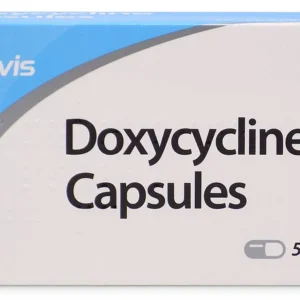
Doxycycline 100 Mg
Active Ingredient Doxycycline Manufacturer Omega Pharma Packaging 10 capsules in 1 strip Strength 100mg Delivery Time 6 To 15 days SKU: Doxycycline 100 Mg Price range: $20.00 through $55.00Doxycycline 100 Mg
Price range: $20.00 through $55.00 -

Flucort Skin Lotion 30ml (Fluocinolone)
Active Ingredient Fluocinolone Manufacturer Glenmark Pharmaceuticals Ltd. Packaging 30 ml in 1 bottle Strength 30ml Delivery Time 6 To 15 days SKU: Flucort Skin Lotion 30ml (Fluocinolone) Price range: $7.00 through $36.00Flucort Skin Lotion 30ml (Fluocinolone)
Price range: $7.00 through $36.00 -

S Amcard 2.5 Mg
Active Ingredient Amlodipine Manufacturer Systopic Laboratories Pvt Ltd Packaging 10 tablets in 1 strip Strength 2.5 Mg Delivery Time 6 To 15 days SKU: Amcard 2.5 Mg Price range: $36.62 through $63.00S Amcard 2.5 Mg
Price range: $36.62 through $63.00 -

Soframycin Cream (Framycetin Sulphate)
Active Ingredient Framycetin Sulphate Manufacturer Sanofi India Limited Packaging 30 gm in 1 tube Strength 1% Delivery Time 6 to 15 days SKU: Soframycin Cream (Framycetin Sulphate) Price range: $3.00 through $15.00Soframycin Cream (Framycetin Sulphate)
Price range: $3.00 through $15.00