Bacterial Infections: Understanding Treatment Options and Antibiotic Medicines
Bacterial infections remain one of the most common reasons people seek medical care worldwide. At GenericMedsKart, our Bacterial Infections category features a comprehensive range of antibiotic medications designed to help patients combat various bacterial diseases under proper medical supervision. This category includes prescription medicines that work against different types of bacterial pathogens, helping patients recover from infections affecting the respiratory system, urinary tract, skin, gastrointestinal system, and other body parts.
Category Details:
– Related Medical Conditions: Respiratory tract infections, urinary tract infections (UTIs), skin and soft tissue infections, gastrointestinal infections, sexually transmitted infections (STIs), bone and joint infections, and other bacterial diseases
– Types of Medicines: Tablets, capsules, oral suspensions, injections, and topical formulations
– Prescription Status: Prescription Required (Rx)
What Are Bacterial Infections?
Bacterial infections occur when harmful bacteria enter the body, multiply, and cause illness. Unlike viral infections, bacterial infections can be effectively treated with antibiotics—medicines specifically designed to kill bacteria or stop their growth. Bacteria are single-celled microorganisms that can invade various parts of the body, triggering an immune response that leads to symptoms such as fever, inflammation, pain, and tissue damage.
Common bacterial infections include strep throat, urinary tract infections, pneumonia, skin infections like cellulitis, ear infections, sinus infections, and foodborne illnesses caused by bacteria such as Salmonella or E. coli. Some bacterial infections are mild and may resolve on their own, while others require prompt antibiotic treatment to prevent serious complications.
The severity and type of bacterial infection determine the choice of antibiotic, dosage, and duration of treatment. Proper diagnosis through laboratory tests, including culture and sensitivity testing, helps healthcare providers identify the specific bacteria causing the infection and select the most effective antibiotic.
Types of Antibiotic Medicines Available:-
The Bacterial Infections category at GenericMedsKart includes various classes of antibiotics, each designed to target specific types of bacteria:
Penicillins and Beta-Lactams
These antibiotics work by disrupting bacterial cell wall formation. They are commonly prescribed for respiratory infections, skin infections, and certain sexually transmitted infections.
Cephalosporins-
A broad class of antibiotics effective against a wide range of bacteria, often used for urinary tract infections, respiratory infections, and skin infections.
Macrolides-
These antibiotics are alternatives for patients allergic to penicillin and are frequently prescribed for respiratory tract infections and certain skin infections.
Fluoroquinolones-
Broad-spectrum antibiotics are used for urinary tract infections, respiratory infections, and gastrointestinal infections when other options are unsuitable.
Tetracyclines-
Effective against a variety of bacterial infections, including respiratory infections, acne, and certain sexually transmitted infections.
Sulfonamides and Combination Antibiotics-
Often used for urinary tract infections and certain types of pneumonia.
Aminoglycosides-
Typically reserved for serious infections and usually administered by injection in hospital settings.
Other Specialized Antibiotics-
Including medicines for tuberculosis, resistant bacterial infections, and specific gastrointestinal infections.
How Antibiotic Medicines Work?
Antibiotics fight bacterial infections through several mechanisms, all aimed at either killing bacteria (bactericidal action) or stopping their growth (bacteriostatic action). Understanding how these medicines work helps patients appreciate the importance of taking them exactly as prescribed.
Disrupting Cell Wall Formation: Many antibiotics prevent bacteria from building or maintaining their protective cell walls, causing the bacteria to burst and die.
Inhibiting Protein Synthesis: Some antibiotics interfere with the bacteria’s ability to produce essential proteins needed for survival and reproduction.
Blocking DNA Replication: Certain antibiotics prevent bacteria from copying their genetic material, stopping them from multiplying.
Interfering with Metabolic Processes: Some antibiotics disrupt critical chemical reactions bacteria need to survive.
It’s important to understand that antibiotics are ineffective against viral infections such as the common cold, flu, or most cases of bronchitis. Taking antibiotics when they’re not needed contributes to antibiotic resistance, a growing global health concern.
Key Therapeutic Benefits and Treatment Goals:-
When prescribed appropriately and taken correctly, antibiotic medicines offer significant benefits:
Elimination of Infection: The primary goal is to eradicate the bacterial infection, allowing the body to heal and return to normal function.
Symptom Relief: As the infection clears, patients typically experience reduced fever, pain, inflammation, and other uncomfortable symptoms.
Prevention of Complications: Timely antibiotic treatment prevents infections from spreading to other body parts or developing into more serious conditions such as sepsis, kidney damage, or rheumatic fever.
Shortened Recovery Time: Appropriate antibiotic therapy can significantly reduce the duration of illness compared to untreated infections.
Protection of Others: Treating bacterial infections, particularly contagious ones, helps prevent transmission to family members and community contacts.
Restoration of Quality of Life: Successful treatment allows patients to return to normal daily activities, work, and social interactions.
The effectiveness of antibiotic treatment depends heavily on correct diagnosis, appropriate medicine selection, proper dosing, and completion of the full prescribed course.
Important Safety Considerations and Precautions:-
Antibiotic medicines are powerful therapeutic agents that require careful use under medical supervision:
General Safety Guidelines:-
Complete the Full Course: Never stop taking antibiotics early, even if symptoms improve. Incomplete treatment can lead to antibiotic resistance and infection recurrence.
Take as Prescribed:** Follow your healthcare provider’s instructions regarding dosage, timing, and whether to take the medicine with or without food.
Watch for Allergic Reactions: Seek immediate medical attention if you develop rash, hives, difficulty breathing, swelling of the face or throat, or severe dizziness.
Report Side Effects: Common side effects include nausea, diarrhea, and stomach upset. Contact your doctor if side effects are severe or persistent.
Avoid Self-Medication: Never use antibiotics left over from previous prescriptions or share antibiotics with others.
Special Populations:-
Pregnancy and Breastfeeding: Some antibiotics are safe during pregnancy, while others may pose risks. Always inform your healthcare provider if you are pregnant, planning pregnancy, or breastfeeding.
Children and the elderly: Dosage adjustments may be necessary based on age, weight, and kidney function.
Patients with Chronic Conditions: Those with liver disease, kidney disease, or other chronic conditions may require special monitoring or dose adjustments.
Drug Interactions:-
Antibiotics can interact with other medications, supplements, and even certain foods. Inform your healthcare provider about all medicines you’re taking, including over-the-counter products and herbal supplements.
The Critical Importance of Medical Consultation and Prescription Compliance:-
Using antibiotics appropriately is essential not just for individual health but for public health:
Why is a prescription mandatory?
Antibiotics are prescription-only medicines because:
– Accurate Diagnosis Required: Only healthcare professionals can properly diagnose bacterial infections and distinguish them from viral illnesses
–Appropriate Selection Needed: Different bacteria require different antibiotics
–Dosage Precision: Correct dosing based on infection type, severity, patient weight, and medical history is essential
– Monitoring Necessary: Healthcare providers need to monitor treatment response and adjust therapy if needed
The Antibiotic Resistance Crisis:-
Misuse and overuse of antibiotics have led to antibiotic resistance, where bacteria evolve to survive antibiotic treatment. This makes infections harder to treat and increases the risk of disease spread, severe illness, and death. Responsible antibiotic use includes:
– Taking antibiotics only when prescribed by a qualified healthcare provider
– Completing the full prescribed course
– Never pressuring doctors to prescribe antibiotics for viral infections
– Never use leftover antibiotics or share prescriptions
When to Seek Medical Attention?
Consult a healthcare provider promptly if you experience:
– Symptoms of bacterial infection, such as persistent fever, severe pain, or worsening condition
– Side effects or allergic reactions to antibiotics
– No improvement after 2-3 days of antibiotic treatment
– Recurring infections despite completing treatment
Guidance on Choosing the Right Antibiotic Medicine:-
Selecting the appropriate antibiotic is a medical decision that must be made by a qualified healthcare provider, never by patients themselves:
Factors Healthcare Providers Consider:-
Type and Location of Infection: Different bacteria cause infections in different body parts, requiring specific antibiotics.
Bacterial Culture Results: Laboratory testing identifies the specific bacteria and which antibiotics will be most effective.
Patient Medical History: Previous antibiotic use, allergies, chronic conditions, and current medications all influence selection.
Infection Severity: Mild infections may be treated with oral antibiotics at home, while severe infections might require intravenous antibiotics in hospital settings.
Local Resistance Patterns: Healthcare providers consider which bacteria in their region have developed resistance to certain antibiotics.
Patient-Specific Factors: Age, pregnancy status, kidney and liver function, and ability to take oral medications all affect the choice.
Why Self-Selection Is Dangerous?
Patients should never attempt to diagnose and treat bacterial infections without medical guidance. What seems like a simple infection could be:
– A viral illness that doesn’t require antibiotics
– A different bacterial strain requiring a specific antibiotic
– A condition that needs additional treatment beyond antibiotics
– An infection complicated by underlying health issues
Your healthcare provider has the training and diagnostic tools necessary to make these critical determinations.
Storage and Handling Guidelines for Antibiotic Medicines:-
Proper storage ensures antibiotic medicines remain effective and safe throughout treatment:
General Storage Recommendations:-
Temperature Control: Most oral antibiotics should be stored at room temperature (15-30°C or 59-86°F) away from heat and direct light. Some liquid formulations require refrigeration—check the label carefully.
Moisture Protection: Keep medicines in their original containers with lids tightly closed. Avoid storing in bathrooms where humidity can degrade medications.
Child Safety: Store all medicines out of reach and sight of children. Use child-resistant packaging when available.
Original Packaging: Keep antibiotics in their original containers with labels intact to avoid confusion and retain important information.
Special Handling Instructions:-
Liquid Suspensions: Some antibiotic suspensions require reconstitution (mixing powder with water) before use. Follow pharmacy instructions carefully and note the expiration date after mixing, which is typically shorter than for tablets.
Refrigerated Items: Ensure refrigerated antibiotics are not frozen, as this can damage the medicine.
Expiration Dates: Never use antibiotics past their expiration date. Expired antibiotics may be less effective or potentially harmful.
Disposal: Do not flush antibiotics down the toilet or throw them in regular trash. Use pharmacy take-back programs or follow local guidelines for safe medication disposal.
Frequently Asked Questions About Bacterial Infections and Antibiotics?
1. How long does it take for antibiotics to work?
Most patients begin feeling better within 2-3 days of starting antibiotic treatment. However, improvement timing varies based on infection type and severity. Complete resolution may take the full course of treatment, typically 5-14 days. If you don’t notice any improvement after 48-72 hours, contact your healthcare provider.
2. Can I stop taking antibiotics once I feel better?
No, you must complete the entire prescribed course even if symptoms disappear. Stopping early allows some bacteria to survive, potentially leading to recurrent infection and antibiotic resistance. The bacteria that remain may become resistant to that antibiotic, making future infections harder to treat.
3. Why can’t I use antibiotics for a cold or flu?
Colds and flu are caused by viruses, not bacteria. Antibiotics only work against bacterial infections and are completely ineffective against viruses. Taking antibiotics unnecessarily contributes to antibiotic resistance and exposes you to potential side effects without any benefit.
Medical Disclaimer and Prescription Notice:-
Important Medical Information: The content provided on this page is for educational and informational purposes only and does not constitute medical advice, diagnosis, or treatment recommendations. It is not intended to replace professional medical consultation or the patient-provider relationship.
Prescription Requirement: All antibiotic medicines featured in this category are prescription-only medications. They require a valid prescription from a licensed healthcare provider and should only be used under proper medical supervision.
Individual Medical Assessment: Bacterial infections vary significantly in type, severity, and appropriate treatment. What works for one patient may not be suitable for another. Only a qualified healthcare professional can assess your specific condition, medical history, and current health status to determine the most appropriate treatment.
No Self-Medication: Never attempt to self-diagnose or self-treat bacterial infections. Never use leftover antibiotics from previous prescriptions, share antibiotics with others, or obtain antibiotics without a valid prescription. Inappropriate antibiotic use contributes to antibiotic resistance and may cause serious harm.
Seek Professional Care: If you suspect you have a bacterial infection, consult with a licensed healthcare provider for proper diagnosis and treatment. In case of medical emergencies, severe symptoms, or adverse reactions to medications, seek immediate medical attention.
Product Information: While we strive to provide accurate and current information, medicine formulations, availability, and recommendations may change. Always refer to the product packaging, patient information leaflet, and guidance from your healthcare provider and pharmacist for complete and up-to-date information about any medication.
Explore a wide range of quality-assured generic antibiotic medicines in this category at GenericMedsKart, with secure packaging and discreet delivery. All orders require valid prescriptions and are dispensed in accordance with pharmaceutical regulations and patient safety standards.
-

B-Bact Ointment 5 GM (Mupirocin)
Active Ingredient Mupirocin Manufacturer Wallace Pharmaceuticals Pvt. Ltd. Packaging 5 gm in 1 tube Strength 5gm Delivery Time 6 to 15 days SKU: B-Bact Ointment 5 GM (Mupirocin) Price range: $4.00 through $21.00B-Bact Ointment 5 GM (Mupirocin)
Price range: $4.00 through $21.00 -
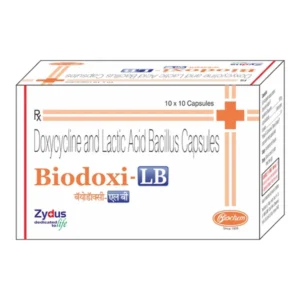
Biodox LB Capsule
Active Ingredient Doxycycline + Lactobacillus Manufacturer Bioderma Solutions Packaging 10 tablets in 1 strip Strength 100mg Delivery Time 6 To 15 days SKU: Biodox LB Capsule Price range: $106.00 through $143.00Biodox LB Capsule
Price range: $106.00 through $143.00 -
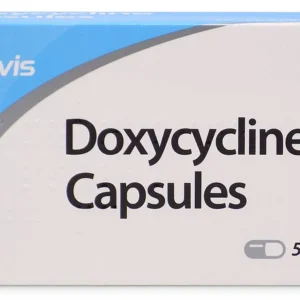
Doxycycline 100 Mg
Active Ingredient Doxycycline Manufacturer Omega Pharma Packaging 10 capsules in 1 strip Strength 100mg Delivery Time 6 To 15 days SKU: Doxycycline 100 Mg Price range: $20.00 through $55.00Doxycycline 100 Mg
Price range: $20.00 through $55.00 -

Eramycin 500 Mg
Active Ingredient Erythromycin Stearate & Bromhexine HCI Manufacturer Vetkind Bioscience, India Packaging 10 tablets in 1 strip Strength 500 Mg Delivery Time 6 To 15 days SKU: Eramycin 500 Mg Price range: $16.25 through $43.88Eramycin 500 Mg
Price range: $16.25 through $43.88 -

Flucort Skin Lotion 30ml (Fluocinolone)
Active Ingredient Fluocinolone Manufacturer Glenmark Pharmaceuticals Ltd. Packaging 30 ml in 1 bottle Strength 30ml Delivery Time 6 To 15 days SKU: Flucort Skin Lotion 30ml (Fluocinolone) Price range: $7.00 through $36.00Flucort Skin Lotion 30ml (Fluocinolone)
Price range: $7.00 through $36.00 -

Soframycin Cream (Framycetin Sulphate)
Active Ingredient Framycetin Sulphate Manufacturer Sanofi India Limited Packaging 30 gm in 1 tube Strength 1% Delivery Time 6 to 15 days SKU: Soframycin Cream (Framycetin Sulphate) Price range: $3.00 through $15.00Soframycin Cream (Framycetin Sulphate)
Price range: $3.00 through $15.00