
Burn Wound Care Medicines: Essential Treatment Solutions for Thermal and Chemical Injuries:-
Burn wounds represent one of the most painful and potentially serious types of tissue injuries, affecting millions of people worldwide each year. Whether caused by heat, chemicals, electricity, or radiation, burns require prompt medical attention and appropriate pharmaceutical intervention to prevent infection, manage pain, and support the healing process. At GenericMedsKart, our Burn Wound category offers a comprehensive range of topical and systemic medications specifically formulated to address the complex needs of burn injury management across different severity levels.
This category encompasses prescription and over-the-counter medicines that work synergistically to create optimal healing conditions, reduce scarring potential, and prevent life-threatening complications such as sepsis. Understanding the proper use of burn wound medications is essential for patients, caregivers, and healthcare professionals managing thermal injuries at home or in clinical settings.
Understanding Burn Wounds: Types, Severity, and Medical Significance:-
Burn wounds occur when skin and underlying tissues are damaged by exposure to excessive heat, caustic chemicals, electrical current, or radiation. The severity of burns is typically classified into three main categories:
First-degree burns affect only the outer layer of skin (epidermis), causing redness, minor swelling, and pain without blistering. These superficial burns usually heal within a week without specialized medical treatment.
Second-degree burns penetrate deeper into the dermis layer, creating painful blistering, severe redness, and swelling. These partial-thickness burns require medical attention and appropriate wound care to prevent infection and scarring.
Third-degree burns destroy all skin layers and may damage underlying fat, muscle, and bone. These full-thickness burns appear white, charred, or leathery and require immediate emergency medical intervention, often including surgical treatment and specialized burn unit care.
Beyond the immediate tissue damage, burn wounds create significant physiological challenges. The compromised skin barrier increases susceptibility to bacterial colonization and systemic infection. Fluid loss through damaged tissue can lead to dehydration and electrolyte imbalances. The inflammatory response triggered by thermal injury can cause localized and systemic complications affecting multiple organ systems.
Proper pharmaceutical management of burn wounds addresses multiple therapeutic goals: preventing microbial infection, managing acute and chronic pain, maintaining adequate tissue hydration, reducing inflammatory responses, promoting epithelial regeneration, and minimizing hypertrophic scar formation.
Types of Medicines Available in the Burn Wound Category:-
The burn wound treatment category includes diverse pharmaceutical formulations designed to address specific aspects of thermal injury management:
Topical Antimicrobial Creams and Ointments form the foundation of burn wound care, creating a protective barrier while delivering antibacterial or antifungal agents directly to the wound surface. These preparations typically contain silver compounds, antibiotics, or antiseptic ingredients that prevent or treat wound infections.
Silver-Based Preparations, including silver sulfadiazine cream,s represent the gold standard in burn wound infection prevention. These formulations release ionic silver that exhibits broad-spectrum antimicrobial activity against bacteria, fungi, and some viruses commonly associated with burn wound infections.
Hydrogel Dressings and Wound Gels provide moisture balance essential for optimal healing while offering cooling relief for painful burn injuries. These water-based formulations maintain a moist wound environment that facilitates cellular migration and tissue regeneration.
Pain Management Medications available in topical formulations (anesthetic creams, lidocaine gels) and systemic forms (oral or injectable analgesics) address the severe discomfort associated with thermal injuries throughout the healing process.
Anti-inflammatory Agents help control excessive inflammatory responses that can delay healing and contribute to scarring. These may include topical corticosteroids for specific burn types and oral anti-inflammatory medications.
Enzymatic Debriding Agents contain proteolytic enzymes that selectively digest necrotic tissue in burn wounds, facilitating natural healing without surgical intervention for appropriate cases.
Antibiotic Preparations in oral, topical, or injectable forms treat established infections or provide prophylaxis in high-risk burn injuries where infection prevention is critical.
Healing Promoters and Epithelialization Agents containing growth factors, vitamins, or other bioactive compounds that stimulate cellular proliferation and accelerate wound closure.
How Burn Wound Medicines Work: Mechanisms of Action Explained?
Burn wound medications employ multiple therapeutic mechanisms to address the complex pathophysiology of thermal injuries:
Antimicrobial Action: Silver-based compounds and antibiotic preparations work by disrupting bacterial cell walls, interfering with DNA replication, or inhibiting essential metabolic processes in microorganisms. When applied to burn wounds, these agents penetrate the damaged tissue to prevent colonization by opportunistic pathogens that thrive in the protein-rich environment of burned skin.
Pain Relief Mechanisms: Topical anesthetics like lidocaine temporarily block sodium channels in nerve fibers, preventing pain signal transmission from the wound site to the brain. Systemic analgesics work through various pathways—some inhibit prostaglandin synthesis to reduce inflammatory pain, while others interact with opioid receptors in the central nervous system to modify pain perception.
Moisture Balance Regulation: Hydrogel formulations and occlusive ointments create an optimal moisture environment that prevents wound desiccation while allowing controlled fluid evaporation. This balanced hydration supports cellular migration, enzymatic activity, and the formation of new tissue without creating conditions favorable to bacterial growth.
Anti-inflammatory Effects: Corticosteroids and non-steroidal anti-inflammatory drugs reduce the production of inflammatory mediators such as cytokines and prostaglandins. By modulating the inflammatory response, these medications prevent excessive tissue damage while maintaining the beneficial aspects of inflammation necessary for healing.
Debridement Action: Enzymatic debriding agents contain proteases that selectively break down the peptide bonds in necrotic tissue proteins. This biochemical debridement removes dead tissue that can harbor bacteria and impede healing, while preserving viable tissue essential for regeneration.
Healing Enhancement: Advanced formulations containing growth factors or bioactive peptides stimulate fibroblast proliferation, collagen synthesis, and angiogenesis (new blood vessel formation). These processes are fundamental to wound closure and restoration of functional skin architecture.
The effectiveness of burn wound medicines depends significantly on appropriate selection based on burn depth, wound size, infection status, and individual patient factors. Multiple medications are often used in combination to address different aspects of the healing process simultaneously.
Key Therapeutic Benefits and Treatment Goals:-
Pharmaceutical intervention in burn wound management pursues several interconnected therapeutic objectives:
Infection Prevention and Control stands as the primary goal, as infection represents the leading cause of morbidity and mortality in burn patients. Appropriate antimicrobial therapy dramatically reduces the risk of localized wound infections and life-threatening systemic sepsis.
Pain Management throughout all healing phases significantly improves patient quality of life and compliance with necessary wound care procedures. Effective analgesia allows patients to tolerate dressing changes, physical therapy, and daily activities essential for recovery.
Acceleration of Healing Time through optimal wound environment maintenance reduces the duration of open wounds, minimizes hospital stays, and decreases overall treatment costs while returning patients to normal function more quickly.
Scar Minimization represents an important cosmetic and functional outcome, particularly for burns affecting visible areas or joints. Proper pharmaceutical management during the acute phase influences long-term scar quality, flexibility, and appearance.
Prevention of Contractures, especially important in burns crossing joints, is supported by medications that control excessive collagen deposition and inflammatory fibrosis that can restrict movement.
Reduction of Systemic Complications, including fluid and electrolyte imbalances, hypermetabolic responses, and immune system dysfunction, can be mitigated through appropriate medication management supporting overall physiological stability.
Psychological Comfort provided by effective symptom control and visible healing progress helps patients cope with the emotional trauma often accompanying significant burn injuries.
The comprehensive approach enabled by modern burn wound medications has transformed outcomes, with many patients achieving complete healing with minimal scarring when treatment is initiated promptly and managed appropriately.
Safety Considerations and General Precautions:-
While burn wound medications are essential therapeutic tools, their use requires careful attention to safety considerations:
Allergic Reactions to topical antibiotics, silver compounds, or other ingredients can occur. Patients should be monitored for signs of hypersensitivity, including increased redness, itching, rash, or swelling beyond the burn area. Sulfa drug allergies may contraindicate silver sulfadiazine use.
Delayed Healing Concerns can arise from prolonged corticosteroid use, which may suppress the immune responses necessary for tissue regeneration. Healthcare providers carefully balance anti-inflammatory benefits against potential healing impediments.
Systemic Absorption of topical medications can occur through damaged skin barriers, particularly with extensive burns covering large body surface areas. This absorption may cause systemic side effects or interact with other medications the patient is taking.
Antimicrobial Resistance Development remains a concern with prolonged or inappropriate antibiotic use. Following prescribed treatment durations and avoiding unnecessary antimicrobial therapy helps preserve the effectiveness of these critical medications.
Pediatric and Geriatric Considerations require dosage adjustments and careful selection of formulations appropriate for different age groups. Children and elderly patients may experience altered drug metabolism and increased sensitivity to certain medications.
Pregnancy and Breastfeeding require special consideration, as some burn wound medications may not be safe for use during these periods. Healthcare providers assess the risk-benefit ratio when treating burn wounds in pregnant or nursing women.
Drug Interactions can occur between systemic burn wound medications and other prescribed treatments. Patients should inform healthcare providers of all medications, supplements, and herbal products they are using.
Proper Application Technique is essential for safety and effectiveness. Using excessive amounts of topical preparations, applying medications to inappropriate burn types, or failing to properly clean wounds before application can compromise outcomes.
Patients experiencing unexpected reactions, worsening wound appearance, fever, increased pain, foul odor, or other concerning symptoms should seek immediate medical attention.
Importance of Medical Consultation and Prescription Compliance:-
Burn wound management requires professional medical expertise to achieve optimal outcomes and prevent serious complications:
Professional Assessment by qualified healthcare providers is essential for accurate burn classification, extent determination, and appropriate treatment planning. What may appear to be a minor burn can involve deeper tissue damage requiring specialized intervention.
Individualized Treatment Plans account for factors including burn depth and size, anatomical location, patient age and health status, timing since injury, and presence of complications. Generic approaches to burn care often prove inadequate for complex cases.
Prescription Medications in the burn wound category are typically dispensed under medical supervision for important safety reasons. Healthcare providers consider contraindications, potential interactions, and appropriate selection among multiple available options.
Monitoring and Follow-Up enables healthcare professionals to assess healing progress, identify complications early, adjust treatment protocols as needed, and determine when medications can be safely discontinued or transitioned.
Prevention of Self-Medication Errors is crucial, as patients may misclassify burn severity, choose inappropriate products, use incorrect dosages, or continue medications beyond appropriate durations without professional guidance.
Documentation and Communication with healthcare providers about medication response, side effects, and healing progress ensure coordinated care, particularly for patients seeing multiple specialists or receiving care in different settings.
Emergency Situations requiring immediate medical attention include extensive burns, electrical or chemical burns, burns to sensitive areas (face, hands, feet, genitals, major joints), burns accompanied by inhalation injury, infected wounds, and burns in very young or elderly patients.
Adherence to prescribed treatment regimens, including application frequency, wound cleaning protocols, and complete treatment courses, directly correlates with improved outcomes and reduced complication rates.
Guidance on Choosing the Right Medicine: Doctor-Led Decision Making:-
Selection of appropriate burn wound medications is a complex clinical decision that should remain under professional medical direction:
Healthcare Provider Evaluation begins with a comprehensive wound assessment, including burn depth classification, total body surface area calculation, presence of infection or contamination, and evaluation of patient-specific risk factors.
Treatment Selection Factors considered by medical professionals include:
– Burn depth and thickness (superficial, partial, or full thickness)
– Extent of body surface area affected
– Anatomical location and functional significance
– Time elapsed since injury occurrence
– Patient age, overall health status, and immune function
– Presence of underlying medical conditions
– Medication allergies and sensitivities
– Concurrent medications and potential interactions
– Access to follow-up care and dressing change capabilities
Antimicrobial Agent Selection depends on local microbial flora patterns, individual patient infection risk, burn characteristics, and laboratory culture results when infection is present. Silver sulfadiazine, mafenide acetate, and various antibiotic preparations offer different spectra of activity and tissue penetration characteristics.
Pain Management Approach is tailored to burn severity and patient needs, ranging from topical anesthetics for minor burns to systemic opioid analgesics for extensive injuries, with consideration of both background pain and procedural pain during dressing changes.
Combination Therapy Decisions involve determining which medications work synergistically for a particular patient’s needs, while avoiding redundant or conflicting treatments.
Duration of Treatment is established based on healing progression, with regular reassessment to determine when medications can be transitioned or discontinued.
Patients should never independently select prescription burn wound medications, alter prescribed treatment regimens, or use medications prescribed for previous injuries without current medical evaluation. Each burn injury presents unique characteristics requiring fresh clinical assessment and appropriate therapeutic decision-making.
Storage and Handling Basics for Burn Wound Medicines:-
Proper storage and handling of burn wound medications preserves their effectiveness and safety:
Temperature Control: Most topical burn preparations should be stored at room temperature away from direct heat sources and sunlight. Some formulations may require refrigeration—always follow package labeling instructions. Avoid storing medications in bathrooms where humidity and temperature fluctuations can compromise stability.
Container Integrity: Keep medications in their original containers with labels intact. Ensure tubes and jars are tightly closed after each use to prevent contamination and preserve product consistency. Never transfer medications to unlabeled containers.
Contamination Prevention: Use clean applicators or gloved hands when removing ointments or creams from containers. Avoid direct contact between the container opening and the wound or contaminated surfaces. Discard medications that have changed color, consistency, or odor.
Expiration Date Awareness: Check expiration dates before use and discard expired medications appropriately. Expired antimicrobial preparations may lose effectiveness, potentially compromising infection prevention.
Child Safety: Store all burn wound medications out of reach of children and pets. Many topical preparations can be harmful if ingested, and analgesic medications pose particular safety risks.
Travel Considerations: When traveling, transport medications in cool, dry conditions. Extreme temperatures in vehicles or luggage holds may degrade certain formulations. Carry prescription medications in original packaging with labels visible.
Disposal Practices: Follow local guidelines for medication disposal. Do not flush medications down toilets unless specifically instructed. Many communities offer medication take-back programs for safe disposal.
Emergency Access: Keep burn wound first-aid supplies and over-the-counter treatments readily accessible in home first-aid kits. Ensure family members know locations and basic usage guidelines for emergencies.
Proper storage and handling practices maintain medication quality and effectiveness while preventing accidental exposures and environmental contamination.
Frequently Asked Questions About Burn Wound Medicines?
Q1: Can I use over-the-counter burn creams for all types of burns?
Over-the-counter burn preparations are generally appropriate only for minor first-degree burns and small superficial second-degree burns. Extensive burns, deep burns, burns to sensitive areas, chemical or electrical burns, and burns showing signs of infection require prescription medications and professional medical care. When in doubt about burn severity, seek medical evaluation rather than relying solely on self-treatment.
Q2: How long should I continue using the antibiotic ointment on a healing burn?
The duration of antibiotic ointment use depends on burn depth, healing progress, and infection risk. Healthcare providers typically recommend continuing topical antimicrobials until the wound is fully re-epithelialized (new skin has completely covered the area). For minor burns, this may be 7-14 days, while deeper burns may require several weeks of treatment. Never discontinue prescribed medications without medical consultation, even if the wound appears healed.
Q3: Is it normal for silver-containing burn creams to cause temporary skin discoloration?
Yes, silver sulfadiazine and other silver-based preparations commonly cause temporary gray-blue discoloration of the skin and wound bed. This discoloration is typically harmless and resolves after treatment completion and wound healing. However, if you notice spreading redness, increased pain, warmth, swelling, or foul discharge, contact your healthcare provider immediately, as these may indicate infection rather than expected silver discoloration.
Medical Disclaimer and Prescription Notice:-
Important Medical Information: The content provided on this page is for educational and informational purposes only and should not be construed as medical advice, diagnosis, or treatment recommendations. Burn wounds vary significantly in severity, depth, extent, and complications, requiring individualized assessment and treatment by qualified healthcare professionals.
Professional Medical Consultation Required: All burn injuries beyond minor first-degree burns should be evaluated by a licensed medical practitioner. Prescription burn wound medications should only be used under the direct supervision of a healthcare provider who has personally examined the injury and determined appropriate treatment.
No Self-Diagnosis or Self-Treatment: The information presented here does not replace professional medical examination, diagnosis, or personalized treatment planning. Patients should never self-diagnose burn severity or self-prescribe medications based on online information.
Emergency Medical Situations: Seek immediate emergency medical care for extensive burns, burns involving airways or causing breathing difficulty, electrical burns, chemical burns, burns to face/hands/feet/genitals/major joints, burns in very young children or elderly individuals, or any burn showing signs of serious infection.
Individual Results May Vary: Treatment outcomes depend on multiple factors, including burn characteristics, promptness of treatment, patient health status, adherence to medical instructions, and individual healing capacity. No specific results or healing timeframes can be guaranteed.
Medication Safety: All medications carry potential risks and side effects. Patients should discuss their complete medical history, current medications, allergies, and health conditions with healthcare providers before starting any burn wound treatment. Report any unexpected reactions or concerns immediately to medical professionals.
Regulatory Compliance: GenericMedsKart operates in accordance with applicable pharmaceutical regulations. Prescription medications are dispensed only with valid prescriptions from licensed healthcare providers. We do not provide medical consultations or prescribe medications.
Updated Medical Information: Medical knowledge and treatment protocols evolve continuously. Patients should consult current medical professionals for the most up-to-date treatment recommendations rather than relying solely on general educational content.
By using burn wound medications, patients acknowledge the importance of professional medical guidance and accept responsibility for following prescribed treatment protocols and seeking appropriate medical care for their specific condition.
Your Trusted Source for Quality Burn Wound Care Solutions:-
Managing burn injuries effectively requires access to reliable, quality-assured pharmaceutical products from reputable sources. GenericMedsKart is committed to providing patients and healthcare professionals with comprehensive burn wound treatment options that meet stringent quality standards.
Explore a wide range of quality-assured generic medicines in this category at GenericMedsKart, with secure packaging and discreet delivery. Our carefully curated selection includes topical antimicrobials, silver-based preparations, pain management solutions, and specialized wound care formulations designed to support optimal healing outcomes under professional medical supervision.
Every product in our burn wound category undergoes rigorous quality verification to ensure authenticity, appropriate storage conditions, and proper handling throughout the supply chain. We partner with trusted manufacturers and maintain strict quality control protocols to deliver medications that meet or exceed international pharmaceutical standards.
For healthcare professionals and patients seeking reliable access to prescription burn wound medications, GenericMedsKart offers convenient ordering, professional packaging, and confidential delivery services that respect patient privacy while ensuring product integrity from our facility to your door.
GenericMedsKart – Quality Care, Delivered with Confidence.
-
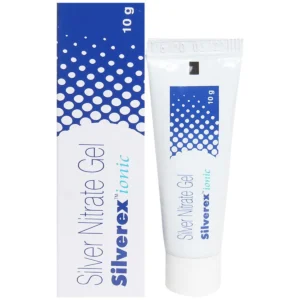
Silverex Ionic Gel (Silver Nitrate)
Active Ingredient Silver Nitrate Manufacturer Sun Pharmaceutical Industries Ltd Packaging 20g in tube Strength 20g Delivery Time 6 To 15 days SKU: Silverex Ionic Gel (Silver Nitrate) Price range: $5.00 through $22.00Silverex Ionic Gel (Silver Nitrate)
Price range: $5.00 through $22.00 -
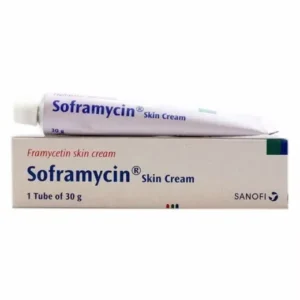
Soframycin Cream (Framycetin Sulphate)
Active Ingredient Framycetin Sulphate Manufacturer Sanofi India Limited Packaging 30 gm in 1 tube Strength 1% Delivery Time 6 to 15 days SKU: Soframycin Cream (Framycetin Sulphate) Price range: $3.00 through $15.00Soframycin Cream (Framycetin Sulphate)
Price range: $3.00 through $15.00