Eye and Ear Care Medicines: Essential Treatments for Ocular and Otic Health
Eye and ear care medicines represent a vital category of pharmaceutical treatments designed to address a wide range of conditions affecting vision and hearing. From treating minor irritations to managing chronic conditions, these specialized medications help preserve sensory health and improve quality of life for millions of patients worldwide.
This category encompasses both prescription and over-the-counter (OTC) treatments for various eye and ear disorders. Understanding how these medicines work, when they’re needed, and how to use them safely is essential for effective treatment and optimal health outcomes.
Understanding Eye and Ear Health Conditions:-
Common Eye Conditions
The eyes are complex sensory organs vulnerable to numerous conditions that can affect vision and comfort. Common eye health issues include:
Bacterial and viral eye infections, such as conjunctivitis (pink eye), cause redness, discharge, and discomfort
Allergic conjunctivitis, triggered by environmental allergens, leading to itching, watering, and inflammation
Dry eye syndrome, resulting from insufficient tear production or poor tear quality
Glaucoma is a group of conditions involving increased intraocular pressure that can damage the optic nerve
Inflammatory eye conditions, including uveitis and blepharitis
Age-related conditions such as cataracts and macular degeneration
Common Ear Conditions:-
Ear health problems can range from minor discomfort to conditions that significantly impact hearing and balance:
Otitis externa (swimmer’s ear), an infection of the outer ear canal
Otitis media, or middle ear infections, are particularly common in children
Excessive earwax buildup can cause discomfort and temporary hearing reduction
Ear inflammation and irritation from various causes
Fungal ear infections require specialized antifungal treatment
Eustachian tube dysfunction affects ear pressure regulation
Types of Eye and Ear Care Medicines:-
Eye Care Medications:-
Antibiotic Eye Drops and Ointments
These prescription medications treat bacterial eye infections by eliminating harmful bacteria. Common formulations include drops and ointments applied directly to the affected eye.
Antihistamine and Anti-Allergy Eye Drops
Available in both prescription and OTC forms, these medicines relieve itching, redness, and watering caused by allergic reactions. They work by blocking histamine receptors or stabilizing mast cells.
Artificial Tears and Lubricating Drops
OTC products that supplement natural tear production, providing relief for dry, irritated eyes. Various formulations address different severities of dryness.
Glaucoma Medications
Prescription eye drops that reduce intraocular pressure through various mechanisms, including reducing fluid production or improving drainage. These are critical for preventing vision loss.
Anti-Inflammatory Eye Drops
Including corticosteroids and non-steroidal anti-inflammatory drugs (NSAIDs), these prescription medications reduce inflammation and swelling in various eye conditions.
Antiviral Eye Medications
Specialized prescription treatments for viral eye infections, such as herpes simplex keratitis.
Ear Care Medications:-
Antibiotic Ear Drops
Prescription medications that treat bacterial ear infections by directly targeting pathogens in the ear canal.
Antifungal Ear Drops
Specialized prescription treatments for fungal infections affecting the ear canal.
Corticosteroid Ear Drops
Prescription anti-inflammatory medications that reduce swelling, redness, and discomfort in various ear conditions.
Combination Ear Drops
Prescription formulations combining antibiotics with corticosteroids for comprehensive treatment of infection and inflammation.
Earwax Removal Solutions
OTC products containing ingredients like carbamide peroxide or hydrogen peroxide that soften and help remove excess earwax.
Pain Relief Ear Drops
OTC solutions containing local anesthetics for temporary relief of ear pain are often used alongside medical treatment.
How Eye and Ear Care Medicines Work?
Mechanisms of Action for Eye Medications:-
Eye medications work through various targeted mechanisms depending on the condition being treated:
Antibiotics interfere with bacterial cell wall synthesis or protein production, effectively eliminating the infection at its source. The topical application delivers high concentrations directly to the affected tissue.
Antihistamines block histamine receptors on conjunctival cells, preventing the allergic cascade that causes itching, redness, and swelling. Mast cell stabilizers prevent the release of histamine and other inflammatory mediators.
Glaucoma medications either reduce the production of aqueous humor (the fluid inside the eye) or improve its drainage through the trabecular meshwork, thereby lowering intraocular pressure and protecting the optic nerve.
Lubricating drops supplement the tear film’s components, providing moisture and protection to the corneal surface while improving visual comfort.
Mechanisms of Action for Ear Medications:-
Ear medications deliver therapeutic agents directly to the affected area:
Antibiotic ear drops achieve high local concentrations of antimicrobial agents that penetrate infected tissue, killing bacteria without systemic side effects.
Anti-inflammatory agents reduce swelling in the ear canal, which improves drainage, reduces pain, and speeds healing. They also help restore normal ear canal function.
Earwax softeners break down the chemical bonds in accumulated cerumen, allowing it to be naturally expelled or more easily removed, restoring hearing clarity and comfort.
Treatment Goals and Patient Benefits:-
Appropriate use of eye and ear care medicines can provide significant therapeutic benefits:
For Eye Conditions:-
Rapid infection resolution, typically within days to weeks, depending on severity
Relief from uncomfortable symptoms, including itching, burning, redness, and discharge
Prevention of complications that could lead to vision impairment
Management of chronic conditions like glaucoma to preserve long-term vision
Improved visual comfort and quality of life for those with dry eye syndrome
Protection of ocular structures from progressive damage
For Ear Conditions:-
Effective infection treatment, reducing pain, and preventing complications
Restored hearing clarity by addressing infections or wax buildup
Reduced inflammation that can cause discomfort and affect ear function
Prevention of infection spread to surrounding structures
Improved comfort during and after treatment
Support for natural healing processes in the ear canal
Important Safety Information and Precautions:-
General Safety Guidelines:-
Proper Administration Technique
Correct application is essential for effectiveness. Always wash your hands before use, avoid touching the dropper tips to any surface, and follow the precise dosing instructions provided by your healthcare provider or on the product label.
Contamination Prevention
Never share eye or ear medications with others. Replace caps immediately after use and discard medications after the prescribed treatment period, even if the solution remains.
Contact Lens Considerations
Many eye medications require the removal of contact lenses before application. Wait at least 15 minutes after using eye drops before reinserting lenses, unless otherwise directed.
When to Seek Immediate Medical Attention?
Contact your healthcare provider or seek emergency care if you experience:
– Sudden vision changes or vision loss
– Severe eye pain or increasing pain despite treatment
– Signs of severe allergic reaction (difficulty breathing, facial swelling)
– Severe ear pain, especially with fever or drainage
– Hearing loss or sudden changes in hearing
– Symptoms that worsen or don’t improve within the expected timeframe
Important Patient Considerations:-
Pregnancy and Breastfeeding
Always inform your healthcare provider if you are pregnant, planning pregnancy, or breastfeeding, as some eye and ear medications may require special consideration or alternative treatments.
Children and Elderly Patients
Dosing and product selection may differ for pediatric and geriatric patients. Always use age-appropriate formulations as directed by a healthcare professional.
Drug Interactions
While topical eye and ear medications have limited systemic absorption, inform your doctor about all medications, supplements, and herbal products you’re taking.
Existing Medical Conditions
Certain eye or ear conditions, as well as systemic diseases like diabetes or immune disorders, may affect treatment choices and outcomes.
The Essential Role of Healthcare Professional Consultation:-
Self-diagnosis and self-treatment of eye and ear conditions can lead to delayed proper care, complications, and potentially permanent damage to these delicate sensory organs.
A qualified healthcare provider should always:
– Conduct a thorough examination to accurately diagnose your condition
– Determine whether prescription medication is necessary
– Select the most appropriate medication based on your specific condition and medical history
– Provide detailed instructions on proper administration technique
– Monitor your response to treatment and adjust therapy as needed
– Screen for potential complications or underlying serious conditions
For eye conditions, an optometrist or ophthalmologist can perform specialized examinations to identify issues that may not be apparent to patients. **For ear conditions**, primary care physicians or otolaryngologists (ENT specialists) have the tools and expertise to properly visualize and diagnose problems within the ear canal and middle ear.
Many serious eye and ear conditions present with symptoms similar to minor issues. Professional evaluation ensures you receive appropriate treatment promptly, preventing complications that could affect your vision or hearing long-term.
Proper Storage and Handling:-
Storage Requirements:-
Temperature Control
Most eye and ear medications should be stored at room temperature (59-86°F or 15-30°C) unless otherwise specified. Some formulations may require refrigeration—always check the product label.
Light Protection
Keep medications in their original containers, which are designed to protect contents from light degradation. Store in a cool, dry place away from direct sunlight.
Moisture Considerations
Bathrooms are often too humid for medication storage. Choose a bedroom drawer or medicine cabinet in a less humid area of your home.
Shelf Life and Expiration:-
– Check expiration dates before each use and discard expired medications
– Many eye and ear drops must be discarded 28 days after opening, even if the solution remains
– Never use medications that appear cloudy, discolored, or contain particles
– Write the opening date on the bottle for multi-use products
Safety Around Children and Pets:-
Store all medications in child-resistant containers and keep them out of reach of children and pets. Even topical medications can be harmful if ingested.
Frequently Asked Questions?
How long does it typically take for eye or ear infection drops to work?
Most patients notice improvement within 24-48 hours of starting treatment, though complete resolution usually requires completing the full prescribed course (typically 5-7 days). If symptoms don’t improve within 2-3 days, contact your healthcare provider.
Can I use expired eye or ear drops in an emergency?
No. Expired medications may have reduced effectiveness and could potentially harbor bacterial contamination, especially once opened. The sterility of eye and ear products cannot be guaranteed past expiration dates.
Is it normal to experience temporary stinging or blurred vision after applying eye drops?
Mild, brief stinging or temporary blurred vision immediately after application is common with many eye medications. However, severe burning, lasting discomfort, or worsening symptoms warrant contacting your healthcare provider.
Medical Disclaimer and Prescription Requirements:-
This information is for educational purposes only and is not intended to replace professional medical advice, diagnosis, or treatment. Eye and ear conditions can range from minor to serious, and some require urgent medical attention.
Many eye and ear care medications require a valid prescription from a licensed healthcare provider. Self-diagnosis and self-treatment can lead to complications, delayed appropriate care, and potential permanent damage to vision or hearing.
Always consult with a qualified healthcare professional before starting, stopping, or changing any medication regimen. Your doctor or pharmacist can provide personalized guidance based on your specific medical history, current health status, and individual needs.
In case of medical emergency, including sudden vision loss, severe eye or ear pain, or signs of serious infection, seek immediate medical attention. This content does not constitute a doctor-patient relationship and should not be used for emergency medical situations.
Browse trusted generic medicines in this category at GenericMedsKart, with secure packaging and discreet delivery. All prescription medications require a valid prescription from your healthcare provider before dispensing.
-

Cyclophil Me 25mg (Cyclosporine)
Active Ingredient Cyclosporine Manufacturer Biocon Limited Packaging 5 capsules in 1 strip, 6 capsules in 1 strip Strength 25mg, 50mg, 100mg Delivery Time 6 To 15 days SKU: Cyclophil Me 25mg (Cyclosporine) Price range: $21.00 through $200.00Cyclophil Me 25mg (Cyclosporine)
Price range: $21.00 through $200.00 -

Herbal Kajal (Herbal)
Active Ingredient Herbal Manufacturer Himalaya Drug Company Packaging 3 gm in 1 pack Strength 3gm Delivery Time 6 To 15 days SKU: Herbal Kajal (Herbal) Price range: $4.00 through $20.00Herbal Kajal (Herbal)
Price range: $4.00 through $20.00 -
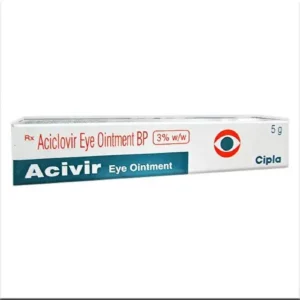
Acivir Eye Ointment (Acyclovir)
Active Ingredient Acyclovir Manufacturer Cipla Limited Packaging 5gm in a Tube Strength 3% Delivery Time 6 To 15 days SKU: Acivir Eye Ointment (Acyclovir) Price range: $3.00 through $15.00Acivir Eye Ointment (Acyclovir)
Price range: $3.00 through $15.00 -
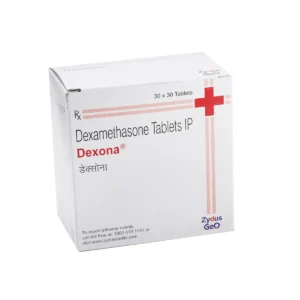
Dexona (Dexamethasone)
Active Ingredient Dexamethasone Manufacturer Zydus Cadila Pharma Packaging 0.5 Mg Strength 30 tablets in 1 strip Delivery Time 6 To 15 days SKU: Dexona (Dexamethasone) – 0.5 Mg Price range: $9.00 through $29.00Dexona (Dexamethasone)
Price range: $9.00 through $29.00