
Genital Warts Treatment Medicines:-
Genital warts are a common sexually transmitted infection caused by certain strains of human papillomavirus (HPV). This category features prescription and over-the-counter topical treatments designed to help manage visible genital warts under medical supervision. While these medicines can address existing warts, it’s essential to understand that they form part of a comprehensive care approach that includes proper diagnosis, regular monitoring, and preventive health measures.
Understanding Genital Warts and HPV Infection:-
Genital warts appear as small, flesh-colored or gray growths in the genital and anal areas. They are caused primarily by HPV types 6 and 11, which are considered low-risk strains. While genital warts are not life-threatening, they can cause physical discomfort and emotional distress.
The condition is highly transmissible through skin-to-skin contact during sexual activity. Many people with HPV never develop visible warts, as the immune system often clears the infection naturally over time. However, when warts do appear, medical treatment can help remove them and reduce transmission risk.
Early consultation with a healthcare provider ensures accurate diagnosis, as other conditions can resemble genital warts. Professional evaluation also helps rule out high-risk HPV strains associated with cervical and other cancers.
Types of Medicines Available for Genital Warts:-
This category includes several types of topical medications that work through different mechanisms to treat visible genital warts:
Topical Immune Response Modifiers: These prescription medicines stimulate the body’s natural immune system to fight the virus causing warts. They are applied directly to affected areas and work by enhancing local immune activity.
Topical Cytotoxic Agents: These prescription solutions work by destroying the abnormal tissue of warts. They contain compounds that prevent wart cells from dividing and growing, causing the warts to gradually break down and disappear.
Topical Antimitotic Medications: Available by prescription, these medicines stop cell division in wart tissue, leading to wart destruction over a treatment course of several weeks.
Keratolytic Preparations: Some over-the-counter options contain ingredients that soften and gradually remove wart tissue through a gentle exfoliating action.
The choice of treatment depends on factors including wart location, size, number, pregnancy status, and individual health considerations. Your healthcare provider will recommend the most appropriate option for your specific situation.
How These Medicines Support Treatment?
Genital wart treatments work locally at the application site to address visible warts through various mechanisms. Some medications enhance the immune system’s ability to recognize and attack HPV-infected cells, while others directly destroy wart tissue through chemical action.
Treatment typically requires consistent application over several weeks to months. The medicines are designed for external use only and must be applied according to precise instructions to maximize effectiveness while minimizing side effects.
It’s important to understand that these medicines treat visible warts but do not eliminate HPV from the body entirely. The virus may remain dormant in surrounding skin, which is why warts can sometimes recur even after successful treatment. However, many people’s immune systems eventually suppress the virus to undetectable levels over time.
Treatment Goals and Patient-Focused Benefits:-
The primary objectives of genital wart treatment include:
Visible Wart Removal: Reducing or eliminating existing warts to improve physical comfort and appearance
Symptom Relief: Alleviating discomfort, itching, or irritation associated with warts
Transmission Risk Reduction: Lowering the likelihood of spreading HPV to sexual partners
Psychological Well-being: Addressing emotional concerns and improving quality of life
Preventing Wart Spread: Stopping warts from multiplying or spreading to other areas
Successful treatment often improves confidence and intimate relationship quality. However, realistic expectations are important—treatment may require patience, and multiple courses may be necessary for complete clearance.
Regular follow-up with your healthcare provider ensures treatment progress is monitored and adjustments are made as needed.
Important Safety Information and Precautions:-
When using genital wart medicines, consider these essential safety guidelines:
Before Starting Treatment:
– Obtain a confirmed diagnosis from a qualified healthcare provider before using any treatment
– Inform your doctor about all medical conditions, especially immune system disorders, pregnancy, or plans to become pregnant
– Disclose all current medications, including supplements and over-the-counter products
– Discuss any known allergies or previous reactions to topical medications
During Treatment:
– Follow application instructions exactly as prescribed or directed on the package
– Apply only to external genital areas as directed—never internally or on mucous membranes unless specifically instructed
– Wash hands thoroughly before and after application
– Avoid sexual contact during treatment periods or as advised by your healthcare provider
– Do not share medications or apply to a partner’s warts
– Report any severe burning, pain, ulceration, or unexpected reactions immediately
Special Considerations:
– Pregnant or breastfeeding women must consult their healthcare provider, as some treatments are contraindicated during pregnancy
– Patients with compromised immune systems may require modified treatment approaches
– Some medications can weaken condoms and diaphragms—discuss barrier method alternatives with your provider
Never increase dosage or frequency beyond recommendations, as this can cause severe skin damage without improving effectiveness.
The Importance of Professional Medical Guidance:-
Self-diagnosis and self-treatment of genital warts are strongly discouraged. What appears to be genital warts may be other conditions requiring different treatment, including more serious infections or precancerous changes.
A healthcare provider can:
– Confirm the diagnosis through visual examination or testing
– Assess the extent and severity of the condition
– Recommend the most appropriate treatment based on your individual circumstances
– Monitor treatment response and adjust the approach as needed
– Screen for other sexually transmitted infections
– Guide partner notification and prevention strategies
– Offer information about HPV vaccination for future protection
Regular gynecological examinations and cervical cancer screening remain important for women, as different HPV strains can cause genital warts and cervical abnormalities.
Sexual health counseling and partner communication support may also be beneficial components of comprehensive care.
Storage and Handling Guidelines:-
Proper storage ensures medication effectiveness and safety:
– Store medicines at room temperature away from excessive heat and moisture
– Keep medications in original containers with labels intact
– Store securely out of reach of children and pets
– Do not use medications past their expiration date
– Dispose of unused or expired medicines according to local pharmaceutical waste guidelines
– Avoid exposing topical solutions to direct sunlight or freezing temperatures
– Keep tubes and bottles tightly closed when not in use
If the medication’s appearance, color, or consistency changes, do not use it and consult your pharmacist.
Frequently Asked Questions?
How long does genital wart treatment typically take?
Treatment duration varies from a few weeks to several months, depending on the medicine used, wart characteristics, and individual response. Consistency with the prescribed regimen is essential for optimal results.
Can genital warts be cured completely?
Treatments can effectively remove visible warts, but HPV may remain in the body. Many people’s immune systems eventually suppress the virus naturally, reducing or eliminating recurrence over time.
Are these treatments safe during pregnancy?
Some genital wart treatments are not safe during pregnancy. Always inform your healthcare provider if you are pregnant, planning pregnancy, or breastfeeding before starting treatment.
Medical Disclaimer:-
This information is intended for educational purposes only and does not constitute medical advice, diagnosis, or treatment recommendations. Genital warts require professional medical evaluation and individualized treatment planning. Always consult a qualified healthcare provider before starting any medication or treatment regimen. The content provided here should not replace professional medical consultation or delay seeking appropriate care. Individual results may vary, and treatment effectiveness depends on multiple factors specific to each patient’s situation.
Prescription Notice:-
Many medications in this category require a valid prescription from a licensed healthcare provider. GenericMedsKart operates in full compliance with pharmaceutical regulations and dispenses prescription medicines only upon receipt of a legitimate prescription. Proper medical supervision is essential for safe and effective treatment of genital warts.
-
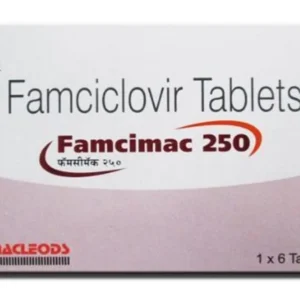
Famcimac 250 Mg (Famciclovir)
Active Ingredient Famciclovir Manufacturer Macleods Pharmaceuticals Pvt Ltd Packaging 6 tablets in 1 strip, 3 tablets in 1 strip Strength 250mg, 500mg Delivery Time 6 To 15 days SKU: Famcimac 250 Mg (Famciclovir) Price range: $110.70 through $654.00Famcimac 250 Mg (Famciclovir)
Price range: $110.70 through $654.00