
# Heart Care Medicines: Supporting Cardiovascular Health
Cardiovascular health is fundamental to overall well-being, and maintaining heart function requires careful attention, lifestyle modifications, and often medication support. The Heart Care category at GenericMedsKart includes a range of prescription medications designed to help manage various cardiovascular conditions under proper medical supervision.
Heart disease remains one of the leading health concerns globally, affecting millions of individuals across different age groups. Whether managing blood pressure, cholesterol levels, heart rhythm irregularities, or other cardiac conditions, appropriate medication—when prescribed by a qualified healthcare provider—plays a vital role in treatment plans.
This category exists to provide access to quality-assured generic cardiovascular medications that support heart health management as part of comprehensive treatment approaches guided by medical professionals.
## Understanding Cardiovascular Health Conditions
Heart care encompasses the management of various conditions affecting the cardiovascular system, which includes the heart and blood vessels. Common conditions that may require medication include:
**Hypertension (High Blood Pressure)**: A condition where blood pressure remains consistently elevated, potentially increasing strain on the heart and blood vessels over time.
**Coronary Artery Disease**: Occurs when the arteries supplying blood to the heart become narrowed or blocked, potentially affecting heart muscle function.
**Heart Failure**: A chronic condition where the heart doesn’t pump blood as efficiently as needed to meet the body’s demands.
**Arrhythmias**: Irregular heartbeats that may be too fast, too slow, or erratic, affecting the heart’s ability to pump effectively.
**High Cholesterol (Hyperlipidemia)**: Elevated levels of cholesterol and other lipids in the blood that may contribute to arterial plaque buildup.
**Angina**: Chest discomfort resulting from reduced blood flow to the heart muscle, often occurring during physical exertion or stress.
These conditions vary significantly in severity and treatment approaches. Diagnosis and ongoing management should always be conducted by qualified cardiologists or healthcare providers who can assess individual health status and determine appropriate treatment strategies.
## Types of Heart Care Medications Available
The Heart Care category includes various classes of cardiovascular medications, each designed to address specific aspects of heart health:
**Antihypertensive Medications**: These include ACE inhibitors, angiotensin receptor blockers (ARBs), beta-blockers, calcium channel blockers, and diuretics that help manage blood pressure levels through different mechanisms.
**Cholesterol-Lowering Medications**: Statins and other lipid-modifying agents work to reduce cholesterol levels and support vascular health.
**Antiplatelet and Anticoagulant Medications**: These help prevent blood clot formation, which is important for certain cardiovascular conditions.
**Heart Rhythm Medications**: Antiarrhythmic drugs help maintain a regular heart rhythm in patients with rhythm disturbances.
**Medications for Heart Failure**: Including ACE inhibitors, beta-blockers, diuretics, and other agents that support heart function and reduce symptoms.
**Nitrates**: Used to relieve angina symptoms by improving blood flow to the heart muscle.
All medications in this category are prescription-based and require proper medical evaluation before use. The specific medication, dosage, and treatment duration must be determined by your healthcare provider based on your individual health profile, test results, and medical history.
## How Heart Care Medicines Support Treatment
Cardiovascular medications work through various mechanisms to support heart health and manage symptoms:
**Blood Pressure Management**: Antihypertensive medications help relax blood vessels, reduce fluid volume, or decrease the force of heart contractions, which collectively help maintain blood pressure within target ranges.
**Cholesterol Reduction**: Statins and related medications work by inhibiting cholesterol production in the liver or reducing cholesterol absorption, helping to lower overall cholesterol levels and support arterial health.
**Blood Clot Prevention**: Antiplatelet and anticoagulant medications reduce the risk of harmful clot formation that could lead to serious cardiovascular events.
**Heart Rhythm Regulation**: Antiarrhythmic medications help stabilize electrical activity in the heart, promoting more regular heartbeats.
**Symptom Relief**: Many heart medications help reduce symptoms such as chest pain, shortness of breath, and fatigue, improving quality of life.
**Cardiovascular Protection**: Beyond immediate symptom management, many cardiac medications provide long-term protective benefits for the heart and blood vessels when used consistently as prescribed.
These medications are most effective when combined with lifestyle modifications including heart-healthy diet, regular physical activity, stress management, smoking cessation, and weight management—all under medical guidance.
## Treatment Goals and Patient-Focused Benefits
The primary objectives of cardiovascular medication therapy include:
**Symptom Management**: Reducing or eliminating uncomfortable symptoms like chest pain, palpitations, shortness of breath, and excessive fatigue that may interfere with daily activities.
**Risk Reduction**: Lowering the likelihood of serious cardiovascular events such as heart attack, stroke, or heart failure progression through consistent medication adherence and medical monitoring.
**Improved Quality of Life**: Enabling patients to engage more fully in daily activities, work, and social interactions with greater confidence and comfort.
**Disease Progression Control**: Helping slow or stabilize the advancement of cardiovascular conditions through targeted pharmacological intervention.
**Blood Pressure and Cholesterol Control**: Maintaining these vital parameters within therapeutic targets established by your healthcare provider.
**Enhanced Heart Function**: Supporting the heart’s ability to pump blood efficiently throughout the body, ensuring adequate oxygen and nutrient delivery to tissues.
Success in cardiovascular treatment requires partnership between patients and healthcare providers, with regular monitoring, medication adjustments when needed, and ongoing communication about symptoms and concerns.
## Important Safety Considerations and Precautions
Cardiovascular medications require careful management and awareness:
**Medical Supervision is Essential**: Heart medications must only be used under the direct supervision of a qualified healthcare provider. Never start, stop, or adjust dosages without medical consultation.
**Regular Monitoring**: Many cardiac medications require periodic blood tests, blood pressure checks, heart rate monitoring, or other assessments to ensure effectiveness and safety.
**Drug Interactions**: Heart medications may interact with other prescriptions, over-the-counter drugs, supplements, or certain foods. Always inform your healthcare provider about all substances you’re taking.
**Side Effects Awareness**: While many patients tolerate cardiovascular medications well, potential side effects can occur. Report any unusual symptoms to your healthcare provider promptly.
**Consistency Matters**: Taking medications at the same time each day helps maintain steady therapeutic levels. Missing doses can affect treatment effectiveness.
**Lifestyle Integration**: Medication works best alongside appropriate lifestyle modifications. Discuss diet, exercise, and other lifestyle factors with your healthcare team.
**Pregnancy and Nursing**: Many cardiovascular medications are not suitable during pregnancy or breastfeeding. Women who are pregnant, planning pregnancy, or nursing should discuss this with their healthcare provider.
**Gradual Changes**: Some heart medications should not be stopped abruptly. Always follow your healthcare provider’s instructions regarding medication discontinuation.
**Emergency Situations**: Know when to seek immediate medical attention—such as chest pain, severe shortness of breath, fainting, or other concerning symptoms.
## Proper Storage and Handling Guidelines
Maintaining medication quality through proper storage is important for effectiveness:
– Store most cardiovascular medications at room temperature (68-77°F or 20-25°C) unless otherwise directed
– Keep medications in their original containers with labels intact for proper identification
– Protect from excessive heat, moisture, and direct sunlight
– Store medications out of reach of children and pets
– Avoid bathroom storage where humidity levels fluctuate
– Check expiration dates regularly and dispose of expired medications properly
– Do not transfer medications to different containers unless using approved medication organizers
– Follow specific storage instructions for medications requiring refrigeration
– Keep nitroglycerin and similar emergency medications easily accessible as directed by your healthcare provider
– Consult your pharmacist about proper disposal methods for unused or expired medications
## Frequently Asked Questions
**Can I stop taking my heart medication if I feel better?**
No, cardiovascular medications often need to be taken long-term even when you feel well. Many heart conditions don’t cause noticeable symptoms, but the medication continues to provide important protective benefits. Always consult your healthcare provider before making any changes to your medication regimen.
**How long does it take for heart medications to work?**
The timeframe varies by medication type. Some medications provide rapid symptom relief within minutes to hours, while others—like cholesterol-lowering medications—work gradually over weeks to months. Your healthcare provider can explain the expected timeline for your specific treatment.
**What should I do if I miss a dose?**
If you miss a dose, take it as soon as you remember unless it’s almost time for your next scheduled dose. Do not double up doses. For specific guidance regarding missed doses of your particular medication, consult your pharmacist or healthcare provider.
**Are generic heart medications as effective as brand-name versions?**
Yes, generic medications approved by regulatory authorities contain the same active ingredients in the same strengths as brand-name versions and must meet rigorous quality and effectiveness standards. Your healthcare provider can address any specific concerns about generic medications.
**Can I drink alcohol while taking heart medications?**
Alcohol can interact with many cardiovascular medications and may affect blood pressure or heart function. Discuss alcohol consumption with your healthcare provider, who can advise whether it’s safe and, if so, what amount may be acceptable based on your specific medications and health status.
## Medical and Prescription Disclaimer
**Important Medical Information**: The content provided on this page is for educational and informational purposes only and is not intended to serve as medical advice, diagnosis, or treatment recommendation. This information should not replace consultation with qualified healthcare professionals.
**Prescription Requirement**: All medications in the Heart Care category are prescription medications that require valid prescriptions from licensed healthcare providers. GenericMedsKart does not provide medical advice or prescribe medications. Always consult with your physician, cardiologist, or qualified healthcare provider regarding your specific cardiovascular health concerns, diagnosis, and treatment options.
**Individual Variation**: Cardiovascular conditions and treatment responses vary significantly among individuals. Information presented here is general in nature and may not apply to your specific health situation. Your healthcare provider will determine the most appropriate treatment approach based on your medical history, current health status, laboratory results, and other individual factors.
**No Guarantees**: Medication effectiveness varies among patients, and no specific outcomes can be guaranteed. Treatment success depends on many factors including proper diagnosis, appropriate medication selection, dosage accuracy, patient adherence, lifestyle factors, and individual biological response.
**Emergency Situations**: If you experience chest pain, severe shortness of breath, loss of consciousness, or other serious symptoms, seek immediate emergency medical attention. Do not delay emergency care to consult information on this website.
**Regulatory Compliance**: GenericMedsKart operates in compliance with applicable pharmaceutical regulations and requires valid prescriptions for all prescription medications. We are committed to safe, legal, and ethical medication dispensing practices.
**Verification**: Always verify medication information with your healthcare provider or pharmacist. Check that you receive the correct medication, strength, and instructions before use.
—
## Your Trusted Source for Cardiovascular Care
Managing heart health requires dedication, professional guidance, and access to quality medications. GenericMedsKart is committed to supporting your cardiovascular treatment journey by providing access to quality-assured generic medicines that meet rigorous pharmaceutical standards.
Our medications undergo strict quality control processes and come with proper documentation and patient information materials. We understand the importance of reliability and discretion in healthcare, which is why we ensure secure packaging and discreet delivery for all orders.
**Explore quality-assured generic medicines in this category at GenericMedsKart, with secure packaging and discreet delivery.**
—
*Remember: Your heart health is precious. Work closely with your healthcare provider, attend regular check-ups, follow prescribed treatment plans, and adopt heart-healthy lifestyle practices for optimal cardiovascular wellness.*
-

Axcer 90 Mg
Active Ingredient Ticagrelor Manufacturer Sun Pharmaceutical Industries Ltd Packaging 14 tablets in 1 strip Strength 90 Mg Delivery Time 6 To 15 days SKU: Axcer 90 Mg Price range: $15.00 through $57.00Axcer 90 Mg
Price range: $15.00 through $57.00 -
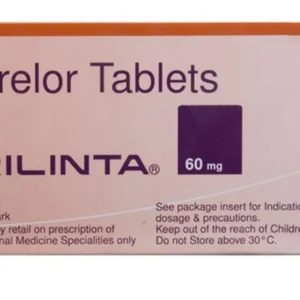
Brilinta 60 Mg
Active Ingredient Ticagrelor Manufacturer AstraZeneca Packaging 10 tablets in 1 strip Strength 60 Mg, 90 Mg Delivery Time 6 To 15 days SKU: Brilinta 60 Mg Price range: $10.94 through $57.68Brilinta 60 Mg
Price range: $10.94 through $57.68 -

Minipress XL 2.5 Mg (Prazosin)
Active Ingredient Prazosin Manufacturer Pfizer India Ltd Packaging 30 tablets in 1 strip Strength 2.5 Mg And 5 Mg Delivery Time 6 To 15 days SKU: Minipress XL (Prazosin) Price range: $37.00 through $115.00Minipress XL 2.5 Mg (Prazosin)
Price range: $37.00 through $115.00 -

Prazopress XL 2.5 Mg (Prazosin)
Active Ingredient Prazosin Manufacturer Sun Pharmaceutical Industries Ltd Packaging 30 tablets in 1 strip Strength 2.5 Mg Delivery Time 6 To 15 days SKU: Prazopress XL 2.5 Mg (Prazosin) Price range: $27.00 through $80.00Prazopress XL 2.5 Mg (Prazosin)
Price range: $27.00 through $80.00