Hodgkin’s Disease Medicines: Essential Treatment Support:-
Welcome to the Hodgkin’s Disease medicines category at GenericMedsKart. This section provides access to prescription medications that form part of comprehensive treatment protocols for Hodgkin’s lymphoma, a type of cancer affecting the lymphatic system. All medicines in this category are available only with a valid prescription from a licensed healthcare provider.
Understanding Hodgkin’s Disease:-
Hodgkin’s disease, also known as Hodgkin’s lymphoma, is a cancer of the lymphatic system—part of the body’s immune network. It originates in white blood cells called lymphocytes and is characterized by the presence of Reed-Sternberg cells, which distinguish it from other types of lymphoma.
This condition typically affects lymph nodes in the neck, chest, or armpits, though it can spread to other parts of the body. Early diagnosis and appropriate treatment have made Hodgkin’s lymphoma one of the most treatable forms of cancer, particularly when detected in early stages.
Common Signs and Symptoms:-
Patients with Hodgkin’s disease may experience painless swelling of lymph nodes, persistent fatigue, unexplained fever, night sweats, unintentional weight loss, and persistent itching. However, diagnosis requires professional medical evaluation, including physical examination, imaging studies, and biopsy confirmation.
Types of Medicines in This Category:-
The Hodgkin’s disease category includes several classes of prescription medications used as part of evidence-based treatment regimens:
Chemotherapy Agents:-
These medications work by targeting rapidly dividing cancer cells. Chemotherapy for Hodgkin’s lymphoma often involves combination protocols such as ABVD (Adriamycin, Bleomycin, Vinblastine, Dacarbazine) or BEACOPP regimens. Each agent has a specific mechanism of action that disrupts cancer cell growth and division.
Immunotherapy Medications:-
Targeted biological therapies help the immune system recognize and attack cancer cells more effectively. These include monoclonal antibodies and checkpoint inhibitors designed for specific types or stages of Hodgkin’s lymphoma.
Supportive Care Medications:-
Treatment often includes medicines to manage side effects, prevent infections, control nausea, and support overall health during cancer therapy. These supportive medications play a crucial role in maintaining quality of life throughout treatment.
How These Medicines Support Treatment?
Medications for Hodgkin’s disease work through various mechanisms depending on their classification:
Cell Growth Inhibition: Chemotherapy agents interfere with cancer cell replication by targeting DNA synthesis, cell division processes, or metabolic pathways essential for tumor growth.
Immune System Modulation: Immunotherapy drugs enhance the body’s natural defense mechanisms, helping immune cells identify and destroy cancerous lymphocytes more effectively.
Symptom Management: Supportive medications address treatment-related side effects, reduce complications, and help patients maintain strength and well-being during intensive therapy protocols.
Treatment plans are highly individualized based on disease stage, patient age, overall health status, and specific disease characteristics identified through diagnostic testing.
Treatment Goals and Patient-Focused Benefits:-
The primary objective of treatment is to achieve complete remission—eliminating all detectable signs of disease. Modern treatment approaches for Hodgkin’s lymphoma aim to:
Maximize Cure Rates: Current protocols achieve high remission rates, particularly in early-stage disease
Preserve Quality of Life: Balancing treatment effectiveness with manageable side effects
Minimize Long-Term Effects: Using the lowest effective treatment intensity to reduce future complications
Support Physical and Emotional Wellbeing: Comprehensive care addressing both disease and patient needs
Many patients achieve long-term remission and return to normal activities following successful treatment completion.
Important Safety Information and Precautions:-
Cancer treatment medications require careful medical supervision due to their potency and potential side effects:
Medical Monitoring Requirements:-
Regular blood tests, imaging studies, and clinical assessments are essential throughout treatment to monitor response, detect complications early, and adjust therapy as needed.
Common Side Effects to Report:-
Patients should promptly communicate any concerning symptoms to their healthcare team, including severe nausea, signs of infection (fever, chills), unusual bleeding or bruising, extreme fatigue, breathing difficulties, or allergic reactions.
Drug Interactions:-
Chemotherapy and immunotherapy agents can interact with other medications, supplements, and even certain foods. Always inform your oncology team about all substances you’re taking, including over-the-counter products and herbal supplements.
Fertility and Pregnancy Considerations:-
Many cancer treatments can affect fertility and may cause severe harm to developing fetuses. Discuss family planning concerns with your oncologist before starting treatment, and use effective contraception during therapy if recommended.
Infection Prevention:-
Treatment can temporarily weaken the immune system, increasing infection risk. Follow your healthcare team’s guidance on avoiding exposure to illness, practicing good hygiene, and recognizing early infection signs.
Professional Medical Guidance is Essential:-
Treatment for Hodgkin’s disease must always be prescribed and supervised by qualified oncology specialists. Self-medication or treatment modification without professional guidance can result in serious complications, treatment failure, or disease progression.
Your oncology team will develop a personalized treatment plan considering your specific diagnosis, disease stage, overall health, treatment history, and individual circumstances. Regular follow-up appointments ensure optimal treatment outcomes and early detection of any concerns.
Storage and Handling Guidelines:-
Cancer treatment medications often require specific storage conditions to maintain effectiveness and safety:
– Store medications at the temperature range specified on the label, typically in a cool, dry place or refrigerated as directed
– Keep all medicines in their original containers with clear labeling
– Store securely away from children and pets
– Never share prescription medications with others
– Follow disposal instructions for any unused or expired medications—many cancer drugs require special disposal procedures
– Handle chemotherapy agents carefully; some may require gloves during administration
Consult your pharmacist or healthcare provider if you have questions about proper medication storage or handling.
Frequently Asked Questions?
Q: How long does treatment for Hodgkin’s disease typically last?
Treatment duration varies based on disease stage and specific protocol, but typically ranges from 3-6 months for early-stage disease to 6-8 months or longer for advanced stages. Your oncologist will provide a personalized timeline.
Q: Can I work during Hodgkin’s lymphoma treatment?
Many patients continue working during treatment, though this depends on individual factors including treatment intensity, side effects, and job requirements. Discuss your specific situation with your healthcare team.
Q: Are generic cancer medications as effective as brand-name versions?
Generic medications approved by regulatory authorities contain the same active ingredients in the same strengths as brand-name equivalents and meet rigorous quality standards. Your oncologist can discuss medication options appropriate for your treatment plan.
Medical and Prescription Disclaimer:-
Important Medical Information: The content on this page is for educational purposes only and does not constitute medical advice, diagnosis, or treatment recommendations. Hodgkin’s disease is a serious medical condition requiring professional oncological care.
All medications in this category are prescription-only and must be obtained with a valid prescription from a licensed healthcare provider. Treatment decisions should be made in consultation with qualified oncology specialists who can evaluate your individual medical situation.
GenericMedsKart does not provide medical advice or treatment recommendations. We do not diagnose conditions or suggest specific medications. Always consult with your doctor, oncologist, or qualified healthcare professional regarding any questions about your health, medical conditions, or treatment options.
Information presented here should not replace professional medical consultation. If you experience a medical emergency, seek immediate medical attention or call emergency services.
The availability of medications on this platform does not imply endorsement or recommendation for use. Treatment efficacy and safety vary by individual, and what works for one patient may not be appropriate for another.
Explore quality-assured generic medicines in the Hodgkin’s disease category at GenericMedsKart, with secure packaging and discreet delivery.
-

P Carzine 50 Mg (Procarbazine)
Active Ingredient Procarbazine Manufacturer Alkem Laboratories Ltd Packaging 10 capsules in 1 strip Strength 50mg Delivery Time 6 To 15 days SKU: P Carzine 50 Mg (Procarbazine) Price range: $55.00 through $149.00P Carzine 50 Mg (Procarbazine)
Price range: $55.00 through $149.00 -
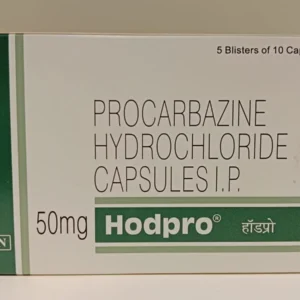
Hodpro 50 Mg (Procarbazine)
Active Ingredient Procarbazine Manufacturer Neon Laboratories Packaging 10 capsules in 1 strip Strength 50mg Delivery Time 6 To 15 days SKU: Hodpro 50 Mg (Procarbazine) Price range: $40.00 through $109.00Hodpro 50 Mg (Procarbazine)
Price range: $40.00 through $109.00