
Life Saving Drugs:-
Overview:-
Life Saving Drugs are essential medicines used in the prevention, control, or emergency management of serious and potentially life-threatening medical conditions. These medicines play a critical role in stabilizing patients, managing acute episodes, and supporting long-term treatment plans when prescribed and monitored by qualified healthcare professionals.
Conditions Commonly Addressed:-
Medicines in this category are commonly used in the care of conditions such as:
Severe infections and sepsis
Cardiac emergencies and cardiovascular disorders
Respiratory distress and critical asthma
Diabetes-related complications
Neurological emergencies
Cancer and immune-related conditions
Organ failure and post-transplant care
Types of Medicines Included:-
This category may include a range of formulations, depending on clinical need:
Tablets and capsules
Injectable medicines
Infusions and critical care drugs
Emergency-use medications
Supportive and adjunct therapies
How These Medicines Support Treatment?
Life saving medicines work through different mechanisms depending on the condition. Some act rapidly to restore vital functions, while others control disease progression, prevent complications, or support essential body systems. Their use is carefully determined by healthcare providers based on diagnosis, severity, and patient history.
Treatment Goals and Patient Benefits:-
The primary goals of life saving drug therapy include:
Preserving life during medical emergencies
Stabilizing critical health conditions
Preventing disease progression and complications
Supporting recovery and long-term disease management
When used appropriately, these medicines contribute significantly to improved survival and better clinical outcomes.
Safety Information and Precautions:-
Most life saving drugs require strict medical supervision
Dosage and duration vary by condition and patient profile
Monitoring through tests or clinical follow-ups may be necessary
Not suitable for unsupervised or casual use
Importance of Medical Guidance:-
Life saving medicines should **only be used as prescribed** by a qualified healthcare professional. Self-medication or misuse may lead to serious adverse effects or reduced treatment effectiveness.
Storage and Handling:-
Store medicines as instructed on the label or packaging
Protect from excessive heat, moisture, or light if specified
Keep out of reach of children
Do not use expired or improperly stored medicines
FAQs (Very Short)?
Q1. Are life saving drugs available without a prescription?
Most require a valid prescription.
Q2. Can these medicines be used long-term?
Some are for emergencies, others for long-term care—doctor guidance is essential.
Q3. Are generic life saving drugs safe?
Approved generics meet required quality and safety standards.
Q4. Can I stop taking them once I feel better?
No. Treatment changes should only be made by a doctor.
Medical & Prescription Disclaimer:-
Information provided here is for educational purposes only and does not replace professional medical advice. Life saving drugs should be taken strictly under the supervision of a licensed healthcare provider. Always consult a doctor before starting, stopping, or changing any medication.
-
MyHep All (Sofosbuvir & Velpatasvir)
Active Ingredient Sofosbuvir/Velpatasvir Manufacturer Mylan Pharmaceuticals Packaging 28 tablets in 1 bottle Delivery Time 6 To 15 days SKU: MyHep All (Sofosbuvir/Velpatasvir) – 400mg/100 Mg Price range: $300.00 through $870.00MyHep All (Sofosbuvir & Velpatasvir)
Price range: $300.00 through $870.00 -
Lupride 1 Mg Injection (Leuprolide Acetate)
Active Ingredient Leuprolide Acetate Manufacturer Sun Pharmaceutical Industries Ltd Packaging 1 mg in 0.5ml Ampoule Strength 1 Mg Delivery Time 6 To 15 days SKU: Lupride 1 Mg Injection (Leuprolide Acetate) Price range: $35.00 through $99.00Lupride 1 Mg Injection (Leuprolide Acetate)
Price range: $35.00 through $99.00 -

P Carzine 50 Mg (Procarbazine)
Active Ingredient Procarbazine Manufacturer Alkem Laboratories Ltd Packaging 10 capsules in 1 strip Strength 50mg Delivery Time 6 To 15 days SKU: P Carzine 50 Mg (Procarbazine) Price range: $55.00 through $149.00P Carzine 50 Mg (Procarbazine)
Price range: $55.00 through $149.00 -
Pomalid 2 Mg (Pomalidomide)
Active Ingredient Pomalidomide Manufacturer Natco Pharma Ltd. Packaging 21 capsules in 1 strip Strength 2mg Delivery Time 6 To 15 days SKU: Pomalid 2 Mg (Pomalidomide) Price range: $248.00 through $985.00Pomalid 2 Mg (Pomalidomide)
Price range: $248.00 through $985.00 -

Refagut 400 Mg (Rifaximin)
Active Ingredient Rifaximin Manufacturer Sun Pharmaceutical Industries Ltd Packaging 10 tablets in 1 strip Strength 400mg Delivery Time 6 To 15 days SKU: Rifagut 400 Mg (Rifaximin) Price range: $56.00 through $160.00Refagut 400 Mg (Rifaximin)
Price range: $56.00 through $160.00 -
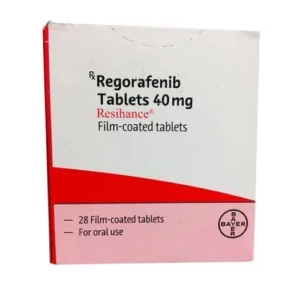
Resihance (Regorafenib) – 40 Mg
Active Ingredient Regorafenib Manufacturer Bayer Zydus Pharma Packaging 28 tablets in 1 strip Strength 40mg Delivery Time 6 To 15 days SKU: Resihance (Regorafenib) – 40 Mg Price range: $700.00 through $1,932.00Resihance (Regorafenib) – 40 Mg
Price range: $700.00 through $1,932.00 -
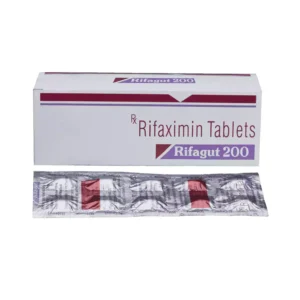
Rifagut 200 Mg (Rifaximin)
Active Ingredient Rifaximin Manufacturer Irritable bowel syndrome, Hepatic encephalopathy Packaging Sun Pharmaceutical Industries Ltd Strength 200mg, 550mg Delivery Time 6 To 15 days SKU: Rifagut 200 Mg (Rifaximin) Price range: $42.00 through $260.00Rifagut 200 Mg (Rifaximin)
Price range: $42.00 through $260.00 -
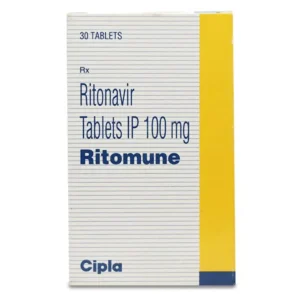
Ritomune (Ritonavir) – 100 Mg
Active Ingredient Ritonavir Manufacturer Cipla Limited Packaging 60 Tablets in 1 box Strength 100gm Delivery Time 6 To 15 days SKU: Ritomune (Ritonavir) – 100 Mg Price range: $90.00 through $240.00Ritomune (Ritonavir) – 100 Mg
Price range: $90.00 through $240.00 -

Spexib (Ceritinib) – 150 Mg
Active Ingredient Afatinib Dimaleate Manufacturer Boehringer Ingelheim India Pvt.Ltd Packaging 7 Capsule in 1 strip Strength 20mg Delivery Time 6 To 15 days SKU: Spexib (Ceritinib) – 150 Mg Price range: $125.00 through $315.00Spexib (Ceritinib) – 150 Mg
Price range: $125.00 through $315.00 -

Tamoxifen 10 Mg (Tamoxifen)
Active Ingredient Tamoxifen Manufacturer Celon Laboratories Ltd Packaging 10 Tablets in Strip Strength 10mg Delivery Time 6 To 15 days SKU: Tamoxifen 10 Mg (Tamoxifen) Price range: $24.50 through $57.00Tamoxifen 10 Mg (Tamoxifen)
Price range: $24.50 through $57.00 -

Temonat 20 Mg (Temozolomide)
Active Ingredient Temozolomide Manufacturer Natco Pharma Ltd. Packaging 5 capsules in 1 strip Strength 20mg, 100mg, 250mg Delivery Time 6 To 15 days SKU: Temonat (Temozolomide) – 20 Mg Price range: $90.00 through $335.00Temonat 20 Mg (Temozolomide)
Price range: $90.00 through $335.00 -
Temoside 20 Mg (Temozolomide)
Active Ingredient Temozolomide Manufacturer Cipla Limited Packaging 5 capsules in 1 strip Strength 20mg, 100mg, 250mg Delivery Time 6 To 15 days SKU: Temoside 20 Mg (Temozolomide) Price range: $54.00 through $350.00Temoside 20 Mg (Temozolomide)
Price range: $54.00 through $350.00


