
Psoriasis Medicines
Understanding Psoriasis and Its Treatment Options
Psoriasis is a chronic, immune-mediated skin condition characterized by red, inflamed patches of skin covered with silvery scales. It occurs when skin cells grow faster than normal, leading to buildup on the skin’s surface. Psoriasis can vary in severity, from mild localized patches to more widespread involvement that may affect quality of life.
This category includes medicines commonly used to help manage Psoriasis symptoms, reduce inflammation, and support long-term disease control under professional medical guidance.
Medical Conditions Covered in This Category:-
Medicines listed under this category are commonly prescribed for:
- Plaque Psoriasis
- Scalp Psoriasis
- Guttate Psoriasis
- Inverse Psoriasis
- Psoriatic flare-ups and chronic skin inflammation
- Psoriasis-related itching, redness, and scaling
In some cases, Psoriasis may also be associated with joint involvement, requiring coordinated care.
Types of Medicines Included
Psoriasis management often involves different types of medicines depending on disease severity and patient response, such as:
- Topical treatments (creams, ointments, lotions)
- Oral systemic medicines
- Injectable or biologic therapies
- Supportive skin treatments to relieve dryness and irritation
These medicines may be prescribed alone or in combination as part of a personalized treatment plan.
How These Medicines Support Treatment
Medicines used for Psoriasis work in several general ways, including:
- Slowing down excessive skin cell growth
- Reducing inflammation and redness
- Modulating immune system activity
- Relieving itching, scaling, and discomfort
- Because Psoriasis is a long-term condition, treatment focuses on symptom control and maintaining skin health rather than short-term relief alone.
Treatment Goals and Patient-Focused Benefits:-
The main objectives of Psoriasis treatment include:
- Reducing visible skin symptoms
- Managing flare-ups effectively
- Improving skin comfort and appearance
- Supporting long-term disease management
- Enhancing daily comfort and quality of life
- Treatment outcomes depend on individual response and adherence to medical advice.
Safety Information and General Precautions:-
Psoriasis medicines should be used responsibly and under medical supervision. Important points include:
- Some treatments may require regular monitoring
- Long-term use should follow the doctor’s recommendations
- Inform your healthcare provider about other medicines you are using
- Report any unexpected skin reactions or side effects promptly
- Avoid using prescription medicines without proper medical advice.
Importance of Professional Medical Guidance-
Psoriasis treatment varies significantly from person to person. All prescription medicines in this category should be used only after consultation with a qualified dermatologist or healthcare professional. Self-treatment or incorrect use may worsen symptoms or cause unwanted effects.
Storage and Handling Guidance:-
General storage recommendations include:
- Store medicines as instructed on the label
- Keep topical products tightly closed
- Protect from excessive heat and direct sunlight
- Do not use medicines beyond their expiry date
- Keep all medicines out of reach of children
- Always follow manufacturer-specific storage instructions.
Frequently Asked Questions (FAQs)
1. Is Psoriasis a curable condition?
Psoriasis is a chronic condition. Treatment focuses on managing symptoms and reducing flare-ups rather than providing a permanent cure.
2. Are Psoriasis medicines safe for long-term use?
Many treatments are used long-term under medical supervision, with regular monitoring when required.
3. Do all Psoriasis patients need prescription medicines?
Not always. Mild cases may respond to topical treatments, while moderate to severe cases may require prescription therapies.
4. Can Psoriasis medicines be used on sensitive skin areas?
Some medicines may be suitable, while others are not. Always follow your doctor’s advice for sensitive areas.
Medical & Prescription Disclaimer:-
This content is provided for educational purposes only and does not replace professional medical advice. Psoriasis medicines should only be used as directed by a qualified healthcare provider. Always consult your doctor or dermatologist for diagnosis, treatment decisions, and medication use.
-

Aceret 25 Mg (Acitretin)
Active Ingredient Acitretin Manufacturer Glenmark Pharmaceuticals Ltd. Packaging 10 capsules in 1 strip Strength 25 Mg Delivery Time 6 to 15 days SKU: Aceret 25 Mg (Acitretin) Price range: $87.00 through $245.00Aceret 25 Mg (Acitretin)
Price range: $87.00 through $245.00 -

Cyclophil Me 25mg (Cyclosporine)
Active Ingredient Cyclosporine Manufacturer Biocon Limited Packaging 5 capsules in 1 strip, 6 capsules in 1 strip Strength 25mg, 50mg, 100mg Delivery Time 6 To 15 days SKU: Cyclophil Me 25mg (Cyclosporine) Price range: $21.00 through $200.00Cyclophil Me 25mg (Cyclosporine)
Price range: $21.00 through $200.00 -

Faceclin Gel (Clindamycin & Nicotinamide)
Active Ingredient Clindamycin/Nicotinamide Manufacturer Abbott India Pvt. Ltd. Packaging 20 gm in 1 tube Strength 20g Delivery Time 6 To 15 days SKU: Faceclin Gel (Clindamycin/Nicotinamide) Price range: $6.00 through $32.00Faceclin Gel (Clindamycin & Nicotinamide)
Price range: $6.00 through $32.00 -
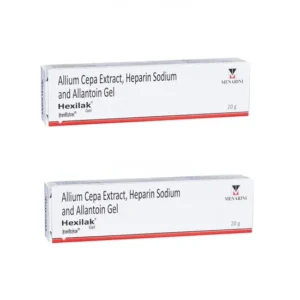
Hexilak Gel (Extractum Cepae, Heparin & Allantoin)
Active Ingredient Extractum cepae/Heparin/Allantoin Manufacturer Menarini India Pvt Ltd Packaging 20 gm gel in 1 tube Strength 20g Delivery Time 6 to 15 days SKU: Hexilak Gel (Extractum Cepae/Heparin/Allantoin) Price range: $15.00 through $80.00Hexilak Gel (Extractum Cepae, Heparin & Allantoin)
Price range: $15.00 through $80.00 -

Momate S Ointment (Mometasone & Salicylic Acid)
Active Ingredient Mometasone/Salicylic Acid Manufacturer Glenmark Pharmaceuticals Ltd Packaging 20 gm in 1 tube Strength 20g Delivery Time 6 to 15 days SKU: Momate S Ointment (Mometasone/Salicylic Acid) Price range: $12.00 through $59.00Momate S Ointment (Mometasone & Salicylic Acid)
Price range: $12.00 through $59.00 -

Pasitrex Ointment (Calcipotriol)
Active Ingredient Calcipotriol Manufacturer Sun Pharmaceutical Industries Ltd Packaging 20 gm in 1 tube Strength 0.005% Delivery Time 6 to 15 days SKU: Pasitrex Ointment (Calcipotriol) Price range: $12.00 through $59.00Pasitrex Ointment (Calcipotriol)
Price range: $12.00 through $59.00 -
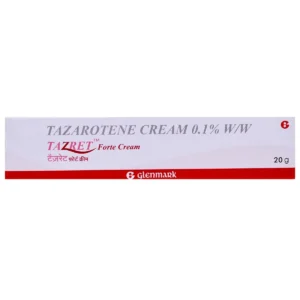
Tazret Forte Cream (Tazarotene)
Active Ingredient Tazarotene Manufacturer Glenmark Pharmaceuticals Ltd. Packaging 15gm in 1 tube Strength 0.1% Delivery Time 6 to 15 days SKU: Tazret Forte Cream (Tazarotene) Price range: $6.00 through $36.00Tazret Forte Cream (Tazarotene)
Price range: $6.00 through $36.00