
IVERMECTIN
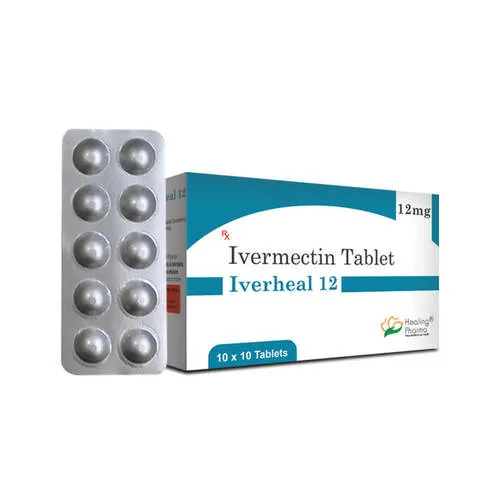
Price range: $16.00 through $99.00
| Generic Name: | Ivermectin |
|---|---|
| Manufacturer: | Menarini India Pvt Ltd |
| Packaging: | 1 Tablet in 1 strip |
| Strength: | 6mg/12mg |
| Delivery Time: | 6 To 15 days |
| SKU: | Ivermectin |
IVERMECTIN – Antiparasitic Medicine
What is IVERMECTIN?
IVERMECTIN is a prescription antiparasitic medication widely used to treat various parasitic infections in humans. Originally derived from naturally occurring compounds, this medicine belongs to a class of drugs known as anthelmintics, which work by eliminating parasitic organisms from the body.
IVERMECTIN is FDA-approved for treating conditions such as intestinal strongyloidiasis (caused by the roundworm Strongyloides stercoralis), onchocerciasis (river blindness caused by Onchocerca volvulus), and certain ectoparasitic infections like scabies and head lice. It has been included in the World Health Organization’s List of Essential Medicines due to its significant role in controlling parasitic diseases globally.
This medication is available in tablet form for oral administration and is prescribed based on the specific type and severity of the parasitic infection. IVERMECTIN should only be taken under medical supervision, as proper diagnosis and dosing are essential for safe and effective treatment.
How IVERMECTIN Works?
IVERMECTIN works by targeting the nervous system of parasites, leading to their paralysis and eventual death. Specifically, it binds to glutamate-gated chloride channels found in the nerve and muscle cells of invertebrate parasites. This binding increases the permeability of cell membranes to chloride ions, causing hyperpolarization of the nerve cells, which results in paralysis and death of the parasite.
Because these particular chloride channels are not present in mammals, IVERMECTIN selectively affects parasites while having minimal direct impact on human cells. Once the parasites are immobilized, the body’s immune system can more effectively clear them from the system.
The medication is absorbed into the bloodstream after oral administration and distributed throughout body tissues, where it encounters and eliminates the targeted parasites. The onset and duration of therapeutic effect depend on the type of infection being treated, with some conditions requiring single-dose treatment while others may need repeated dosing over time.
Key Benefits and Expected Outcomes:-
IVERMECTIN offers several therapeutic benefits when used appropriately for parasitic infections:
Effective Parasite Elimination: The medication demonstrates high efficacy against a range of parasitic organisms, helping to clear infections that can cause significant discomfort and health complications if left untreated.
Symptom Relief: By eliminating the underlying parasitic infection, IVERMECTIN helps reduce associated symptoms such as itching, skin lesions, abdominal discomfort, and other manifestations specific to the type of parasite involved.
Prevention of Complications: Timely treatment with IVERMECTIN can help prevent serious complications associated with parasitic infections, including secondary bacterial infections, chronic inflammatory conditions, and, in some cases, visual impairment or systemic spread of infection.
Single or Short-Course Treatment: For many conditions, IVERMECTIN can be effective with a single dose or a short treatment course, improving adherence and convenience compared to longer-term therapies.
Well-Established Safety Profile: With decades of clinical use worldwide, IVERMECTIN has a well-documented safety profile when used as prescribed for approved indications.
It’s important to note that individual responses to treatment may vary based on the type of infection, severity, immune status, and other health factors. Complete resolution of symptoms may take time even after parasites are eliminated, as the body heals from the infection. IVERMECTIN should be used only as directed by a healthcare professional following proper diagnosis.
How to Take IVERMECTIN?
IVERMECTIN should be taken exactly as prescribed by your healthcare provider. General guidance includes:
Timing: The medication is typically taken on an empty stomach with a full glass of water, usually at least one hour before or two hours after a meal. This helps optimize absorption.
Dosing Frequency: Depending on the condition being treated, IVERMECTIN may be prescribed as a single dose, multiple doses separated by intervals, or periodic doses over an extended period. Your doctor will determine the appropriate regimen based on your specific diagnosis.
Follow-Up: Some parasitic infections require follow-up examinations or repeat doses to ensure complete clearance. Attend all scheduled medical appointments to monitor treatment progress.
Missed Dose: If you miss a dose and are on a multi-dose regimen, contact your healthcare provider for guidance. Do not double doses without medical advice.
Special Populations: Dosing adjustments may be necessary for certain patient groups. Always inform your doctor about any other medications you’re taking and any pre-existing health conditions.
Do not self-medicate or adjust your prescribed dose without consulting your healthcare provider. Proper medical diagnosis is essential before starting IVERMECTIN, as not all conditions that may seem parasitic actually require this medication.
Available Strengths and Formulations:-
IVERMECTIN is commonly available in the following oral tablet strengths:
- 3 mg tablets
- 6 mg tablets
- 12 mg tablets
The prescribed strength and quantity depend on your body weight, the specific parasitic infection being treated, and your overall health status. Your healthcare provider will calculate the appropriate dose based on these factors.
Generic and Brand Alternatives: IVERMECTIN is available as both generic formulations and under various brand names, depending on your region. Generic versions contain the same active ingredient and are therapeutically equivalent to branded products, often at a more accessible price point.
Topical Formulations: For certain skin conditions, IVERMECTIN is also available in topical cream or lotion forms, which are applied directly to affected areas rather than taken orally. These are prescribed for different indications and are not interchangeable with oral tablets.
Always use the formulation and strength prescribed specifically for your condition. Substitutions should only be made after consultation with your healthcare provider or pharmacist.
Possible Side Effects:-
Like all medications, IVERMECTIN may cause side effects, although not everyone experiences them. Understanding potential reactions helps you monitor your response to treatment.
Common Side Effects (generally mild and temporary):
- Dizziness or lightheadedness
- Nausea or mild stomach discomfort
- Diarrhea
- Loss of appetite
- Fatigue or weakness
- Mild skin rash or itching (may also indicate parasite die-off)
Less Common but More Serious Side Effects:
- Severe skin reactions or worsening rash
- Vision changes or eye pain (particularly in onchocerciasis treatment)
- Confusion, altered mental state, or difficulty concentrating
- Severe dizziness or loss of balance
- Rapid heartbeat or chest discomfort
- Severe abdominal pain
- Difficulty breathing or swelling of face, lips, or throat (signs of allergic reaction)
In the treatment of onchocerciasis, some patients may experience a temporary inflammatory response known asthe Mazzotti reaction as dying parasites release antigens. This can include fever, itching, rash, swollen lymph nodes, and joint pain. Your doctor will monitor for this possibility if you’re being treated for this condition.
When to Seek Medical Attention: Contact your healthcare provider promptly if you experience severe or persistent side effects. Seek immediate emergency care if you develop signs of a serious allergic reaction or severe neurological symptoms.
Most side effects are temporary and resolve as your body adjusts to the medication or as the infection clears. However, always report any concerning symptoms to your healthcare provider for proper evaluation.
Safety Advice and Precautions:-
To ensure safe use of IVERMECTIN, consider the following important precautions:
Medical History Disclosure: Inform your healthcare provider about your complete medical history, particularly:
- Liver disease or impaired liver function
- Kidney problems
- Immune system disorders (including HIV/AIDS)
- Central nervous system conditions
- History of allergic reactions to medications
- Pregnancy, planning pregnancy, or breastfeeding
Drug Interactions: IVERMECTIN may interact with certain medications. Discuss all current medications with your doctor, including:
- Blood thinners (warfarin)
- Anticonvulsant medications
- Other antiparasitic drugs
- Medications that affect liver enzymes
- Herbal supplements and over-the-counter medications
Special Populations:
Pregnancy and Breastfeeding: IVERMECTIN should be used during pregnancy only when clearly needed and prescribed by a doctor after careful risk-benefit assessment. The medication can pass into breast milk, so discuss breastfeeding plans with your healthcare provider.
Elderly Patients: Older adults may be more sensitive to certain effects of IVERMECTIN and may require careful monitoring during treatment.
Children: Dosing in pediatric patients must be carefully calculated based on weight. It is generally not recommended for children weighing less than 15 kg (approximately 33 pounds) except under specific medical circumstances.
Alcohol: While it does not have a direct interaction with alcohol, avoiding alcohol during treatment is advisable, as it may increase the risk of certain side effects like dizziness or liver stress.
Driving and Operating Machinery: It may cause dizziness or drowsiness in some individuals. Avoid driving or operating heavy machinery until you know how the medication affects you.
Not for Self-Diagnosis: It should never be taken without a proper medical diagnosis and prescription. Inappropriate use for unproven indications may be ineffective and potentially harmful.
Always follow your healthcare provider’s specific instructions regarding precautions relevant to your individual health situation.
Storage Instructions:-
Proper storage of IVERMECTIN helps maintain its effectiveness and safety:
- Temperature: Store at room temperature, typically between 20°C and 25°C (68°Fando 77°F). Brief exposure to temperatures between 15°andto 30°C (59and to 86°F) is generally acceptable.
- Protection from Elements: Keep tablets in their original container, tightly closed, and protected from light, moisture, and excessive heat. Do not store in bathrooms or areas with high humidity.
- Child Safety: Keep IVERMECTIN and all medications out of reach and sight of children. Consider using child-resistant containers and storing them in locked cabinets if children are present in the household.
- Expiration Date: Check the expiration date on the packaging and do not use the medication beyond this date. Expired medication may lose effectiveness and should be properly disposed of.
- Disposal: Do not flush medications down the toilet or pour them into drains unless specifically instructed. Consult your pharmacist or local waste disposal company about medication take-back programs or proper disposal methods in your area.
- Travel: When traveling with IVERMECTIN, keep it in its original labeled container and maintain appropriate storage conditions. Check regulations if traveling internationally, as requirements may vary.
Following these storage guidelines ensures that your medication remains safe and effective throughout the prescribed treatment period.
FAQS OF IVERMECTIN?
What is IVERMECTIN used for?
IVERMECTIN is a prescription medication primarily used to treat certain parasitic infections. Your healthcare provider will determine if it’s appropriate for your specific condition based on medical evaluation and diagnosis.
Is IVERMECTIN safe for everyone to use?
IVERMECTIN may not be suitable for everyone. People with certain medical conditions, pregnant or breastfeeding women, and those taking specific medications should inform their healthcare provider before use to ensure safety and appropriateness.
What are the common side effects of IVERMECTIN?
Common side effects of IVERMECTIN may include dizziness, nausea, or mild skin reactions. Most people tolerate it well, but any unusual or persistent symptoms should be reported to your healthcare provider promptly.
Can I take IVERMECTIN with other medications?
IVERMECTIN may interact with certain medications. Always inform your healthcare provider and pharmacist about all medications, supplements, and herbal products you’re currently taking to avoid potential interactions and ensure safe use.
Should I take IVERMECTIN with food or on an empty stomach?
IVERMECTIN is typically taken on an empty stomach with water for optimal absorption. However, your healthcare provider or pharmacist will give you specific instructions based on your prescription and individual needs.
How quickly does IVERMECTIN work?
The timeframe for IVERMECTIN to work varies depending on the condition being treated. Some people notice improvement within days, while others may need longer. Follow up with your healthcare provider as directed to monitor progress.
Medical Disclaimer:
This information is for general educational purposes only and does not replace professional medical advice—always consult your healthcare provider before using IVERMECTIN.
Additional information
| mg | Ivecop 12, Ivecop 6, Ivermectol 12, Ivermectol 6, Vermact 12, Vermact 6 |
|---|---|
| unit | 20 Tablet, 40 Tablet, 60 Tablet |
Reviews
There are no reviews yet.