Acne Treatment Medicines: Your Guide to Prescription Skincare Solutions
Acne is one of the most common dermatological conditions affecting millions of people worldwide, across various age groups and skin types. Our acne treatment category provides access to prescription and over-the-counter medications designed to help manage acne symptoms, reduce breakouts, and support clearer, healthier skin under proper medical guidance.
This category includes topical creams, gels, oral tablets, and combination therapies that address different types and severities of acne. All medications should be used as directed by a qualified healthcare provider who can assess your individual skin condition and recommend the most appropriate treatment plan.
Understanding Acne: Causes and Impact
Acne develops when hair follicles become clogged with oil (sebum) and dead skin cells, creating an environment where bacteria can multiply and cause inflammation. This process results in various types of blemishes including whiteheads, blackheads, papules, pustules, nodules, and cysts.
Multiple factors contribute to acne development
Hormonal changes – during puberty, menstruation, pregnancy, or due to certain medical conditions
Excess sebum production- triggered by hormonal fluctuations or genetics
Bacterial colonization- particularly by Cutibacterium acnes (formerly Propionibacterium acnes)
Inflammation within the skin’s follicular structures
Dietary factors- and lifestyle habits that may influence skin health
Stress, which can exacerbate existing acne conditions
Certain medications that may trigger or worsen breakouts
Acne can range from mild comedonal acne with occasional breakouts to severe cystic acne that may lead to scarring if left untreated. The psychological and emotional impact of acne should not be underestimated, as it can significantly affect self-esteem, social interactions, and overall quality of life.
Types of Acne Medications Available
Our acne treatment category encompasses a comprehensive range of medication formats to address different treatment needs:
Topical Preparations
Creams, Gels, and Lotions:- These external applications are designed for direct skin contact and include various active pharmaceutical ingredients that work locally at the site of application. Topical formulations are commonly prescribed for mild to moderate acne and may contain antibacterial, anti-inflammatory, or comedolytic (pore-clearing) agents.
Topical Solutions and Foams:- Liquid-based preparations that may be preferred for certain skin areas or hair-bearing regions where creams might be less practical.
Oral Medications
Tablets and Capsules:- Systemic medications taken by mouth that work throughout the body to address acne from within. These prescription medicines are typically reserved for moderate to severe acne, acne that hasn’t responded to topical treatments alone, or acne with a significant inflammatory component.
Combination Therapies:- Some treatment regimens involve using both topical and oral medications together for enhanced effectiveness, as prescribed by a dermatologist or healthcare provider.
How Acne Medications Work
Acne treatments employ different mechanisms of action to target the various factors that contribute to acne formation:
Antibacterial Action:-
Certain medications reduce the population of acne-causing bacteria on the skin and within follicles, helping to decrease inflammation and prevent new lesions from forming.
Comedolytic Effect:-
Some active ingredients help prevent and clear clogged pores by promoting the shedding of dead skin cells and preventing the formation of comedones (blackheads and whiteheads).
Anti-Inflammatory Properties
Many acne medications reduce inflammation within the skin, helping to minimize redness, swelling, and discomfort associated with inflammatory acne lesions.
Sebum Regulation
Specific prescription medications work by reducing excessive oil production from sebaceous glands, addressing one of the key factors in acne development.
Hormonal Modulation
Certain oral medications prescribed for acne work by influencing hormonal factors that contribute to increased sebum production and acne formation, particularly in adult women.
Keratolytic Action
Some treatments help normalize the skin cell turnover process, preventing the buildup of dead cells that can block pores and contribute to acne formation.
The specific mechanism depends on the active pharmaceutical ingredient in each medication. Your healthcare provider will select the most appropriate treatment based on your acne type, severity, skin characteristics, medical history, and individual response to therapy.
Therapeutic Benefits and Treatment Goals
Acne medications are prescribed with specific therapeutic objectives in mind:
Primary Treatment Goals
– Reduce the number and severity of active acne lesions
– Prevent new breakouts from developing
– Minimize inflammation and associated discomfort
– Decrease bacterial colonization contributing to acne
– Regulate sebum production to optimal levels
– Improve overall skin texture and appearance
– Prevent or minimize acne scarring and post-inflammatory marks
Long-Term Benefits
With consistent use as prescribed, acne medications can help achieve clearer skin and reduce the frequency and severity of breakouts over time. Many patients experience improved self-confidence and quality of life as their skin condition improves.
It’s important to understand that acne treatment requires patience. Most topical treatments require 4-8 weeks of consistent use before visible improvement occurs, while oral medications may take several weeks to months to show full therapeutic benefit. Premature discontinuation is a common reason for treatment failure.
Safety Considerations and General Precautions
While acne medications are generally safe when used as directed, certain precautions should be observed:
Before Starting Treatment
Inform your healthcare provider about all current medications, supplements, and herbal products you’re taking
Disclose your complete medical history- including allergies, skin conditions, liver or kidney problems, and any psychiatric history
Pregnancy and breastfeeding:- Many acne medications have specific restrictions during pregnancy or lactation. Women of childbearing age should discuss contraception and pregnancy planning with their healthcare provider
Sun sensitivity:- Several acne treatments increase the skin’s sensitivity to sunlight, requiring diligent sun protection
Storage and Handling Guidelines for Acne Medications
Proper storage ensures medication effectiveness and safety:
General Storage Recommendations
Topical Medications
– Store at room temperature unless otherwise specified
– Keep away from direct sunlight and heat sources
– Close containers tightly after each use to prevent drying or contamination
– Do not refrigerate unless instructed (extreme cold may alter formulation)
– Check expiration dates and discard expired products
Oral Medications
– Store in original containers with intact labels
– Keep in a cool, dry place away from moisture and heat
– Bathroom storage is generally not recommended due to humidity
– Maintain child-resistant closures if present
Handling Precautions
– Wash hands before and after applying topical medications
– Use clean applicators or fingertips for topical products
– Avoid contaminating medication containers by keeping them closed when not in use
– Keep medications out of reach of children and pets
– Dispose of unused or expired medications properly according to local guidelines
Frequently Asked Questions About Acne Medications
1) How long does it take for acne medicines to work?
The timeframe varies depending on the medication type and acne severity. Topical treatments typically require 4-8 weeks of consistent use before noticeable improvement, though some patients may begin seeing results within 2-4 weeks.
2) Can I use multiple acne products together?
This depends entirely on the specific medications prescribed. Some combinations are therapeutically beneficial and commonly prescribed together, while others may cause excessive irritation or interact negatively.
3) What should I do if my skin becomes very dry or irritated?
Some degree of dryness, redness, or mild peeling is common when starting many acne treatments, particularly those with exfoliating or drying properties. This often improves as your skin adjusts.
4) Are acne medications safe to use during pregnancy?
Safety during pregnancy varies significantly among different acne medications. Some are considered safe for use during pregnancy and breastfeeding, while others carry significant risks to fetal development and are strictly contraindicated.
Why Choose GenericMedsKart?
– Genuine generic and branded acne medications
– Competitive pricing on dermatological treatments
– Secure online ordering with prescription verification
– Discreet packaging respecting your privacy
– Reliable delivery to your doorstep
– Professional customer support for prescription queries
Start Your Journey to Clearer Skin
Browse our acne medication category to find the treatments prescribed by your healthcare provider. If you have questions about specific products, availability, or our prescription verification process, our customer service team is here to assist you.
Remember: Clear, healthy skin begins with proper medical guidance. Always use acne medications under the supervision of a qualified healthcare professional for safe and effective treatment outcomes.*
-

Acnelak-CLZ Cream (Clindamycin & Zinc acetate)
Active Ingredient Clindamycin/Zinc acetate Manufacturer Menarini India Pvt Ltd Packaging 15 gm in 1 tube Strength 15gm Delivery Time 6 To 15 days SKU: Acnelak-CLZ Cream (Clindamycin/Zinc acetate) Price range: $7.00 through $23.00Acnelak-CLZ Cream (Clindamycin & Zinc acetate)
Price range: $7.00 through $23.00 -

Acnesol A Nano Gel 15gm (Adapalene 0.1% & Clindamycin 1%)
Active Ingredient Clindamycin Manufacturer Systopic Laboratories Pvt Ltd Packaging 20 gm in 1 tube Strength 15gm Delivery Time 6 To 15 days SKU: Acnesol A Nano Gel 15gm (Adapalene 0.1% / Clindamycin 1%) Price range: $24.00 through $60.00Acnesol A Nano Gel 15gm (Adapalene 0.1% & Clindamycin 1%)
Price range: $24.00 through $60.00 -

Acnewar Plus Gel (Dapsone & Adapalene)
Active Ingredient Dapsone/Adapalene Manufacturer Akumentis Healthcare Ltd Packaging 15 gm in 1 tube Strength 15gm Delivery Time 6 To 15 days SKU: Acnewar Plus Gel (Dapsone/Adapalene) Price range: $10.00 through $54.00Acnewar Plus Gel (Dapsone & Adapalene)
Price range: $10.00 through $54.00 -

A Ret Gel 0.1%
Active Ingredient Tretinoin Manufacturer Menarini India Pvt Ltd Packaging 20g in Gel Strength 0.1% Delivery Time 6 To 15 days SKU: A Ret Gel 0.1% (Tretinoin) Price range: $28.00 through $74.00A Ret Gel 0.1%
Price range: $28.00 through $74.00 -
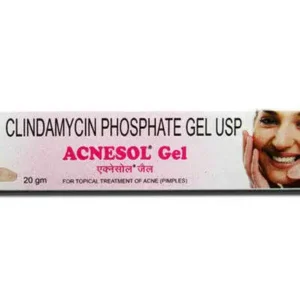
Acnesol Gel 1 (Clindamycin)
Active Ingredient Clindamycin Manufacturer Systopic Laboratories Pvt Ltd Packaging 20 gm in 1 tube Strength 20g Delivery Time 6 To 15 days SKU: Acnesol Gel 1 Price range: $20.00 through $50.00Acnesol Gel 1 (Clindamycin)
Price range: $20.00 through $50.00 -

Acrotac 25mg (Acitretin)
Active Ingredient Acitretin Manufacturer Sun Pharmaceutical Industries Ltd Packaging 20 capsules in 1 strip Strength 25mg Delivery Time 6 To 15 days SKU: Acrotac 25mg (Acitretin) Price range: $90.00 through $245.00Acrotac 25mg (Acitretin)
Price range: $90.00 through $245.00 -

Adapen Gel (Adapalene)
Active Ingredient Adapalene Manufacturer Intas Pharmaceuticals Ltd Packaging 15 gm in 1 tube Strength 0.1% Delivery Time 6 To 15 days SKU: Adapen Gel (Adapalene) Price range: $8.00 through $40.00Adapen Gel (Adapalene)
Price range: $8.00 through $40.00 -
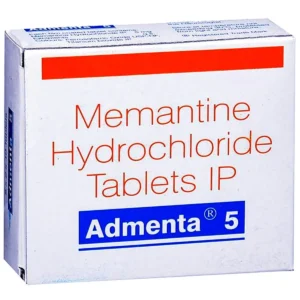
Admenta 5mg (Memantine)
Active Ingredient Memantine Manufacturer Sun Pharmaceutical Industries Ltd Packaging 10 tablets in 1 strip Strength 5mg Delivery Time 6 To 15 days SKU: Admenta 5mg (Memantine) Price range: $10.00 through $37.00Admenta 5mg (Memantine)
Price range: $10.00 through $37.00 -

Aziderm 20% Gel (Azelaic Acid)
Active Ingredient Azelaic Acid Manufacturer Micro Labs Limited Packaging 15 gm in 1 tube Strength 20% Delivery Time 6 To 15 days SKU: Aziderm 20% Gel (Azelaic Acid) Price range: $42.00 through $110.00Aziderm 20% Gel (Azelaic Acid)
Price range: $42.00 through $110.00 -

Benzac AC 2.5% Gel
Active Ingredient Benzoyl Peroxide Manufacturer Galderma India Pvt Ltd Packaging 20gm in 1 Tube Strength 20 Gm Delivery Time 6 To 15 days SKU: Benzac AC 2.5% Gel Price range: $16.00 through $50.00Benzac AC 2.5% Gel
Price range: $16.00 through $50.00 -

Brevoxyl Creamy Wash (Benzoyl Peroxide)
Active Ingredient Benzoyl Peroxide Manufacturer Glaxo SmithKline Pharmaceuticals Ltd Packaging 50 gm in 1 tube Delivery Time 6 To 15 days SKU: Brevoxyl Creamy Wash (Benzoyl Peroxide) Price range: $8.00 through $36.00Brevoxyl Creamy Wash (Benzoyl Peroxide)
Price range: $8.00 through $36.00 -

Clindoxyl Gel (Clindamycin & Benzoyl Peroxide)
Active Ingredient Clindamycin/Benzoyl Peroxide Manufacturer GlaxoSmithKline Pharmaceuticals Ltd Packaging 15 gm in 1 tube Strength 15gm Delivery Time 6 To 15 days SKU: Clindoxyl Gel (Clindamycin/Benzoyl Peroxide) Price range: $15.00 through $79.00Clindoxyl Gel (Clindamycin & Benzoyl Peroxide)
Price range: $15.00 through $79.00