
A Ret Gel 0.1%
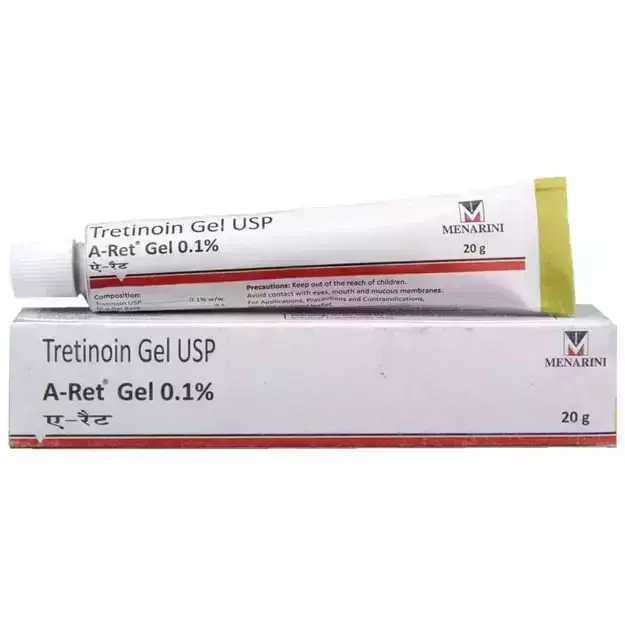
Price range: $28.00 through $74.00
| Active Ingredient | Tretinoin |
|---|---|
| Manufacturer | Menarini India Pvt Ltd |
| Packaging | 20g in Gel |
| Strength | 0.1% |
| Delivery Time | 6 To 15 days |
| SKU: | A Ret Gel 0.1% (Tretinoin) |
A Ret Gel 0.1%: Uses, Benefits, How to Use, Side Effects & Precautions
Introduction
A Ret Gel 0.1% is a topical dermatological preparation containing tretinoin, a vitamin A derivative belonging to the retinoid family. It is commonly prescribed for acne because it helps normalize the shedding of skin cells and reduces the tendency of pores to become clogged. Product information identifies the 0.1% formulation as a topical gel intended for skin application and commonly supplied in a 20 g tube.
Acne can develop when dead skin cells, oil, and other material accumulate inside hair follicles. This process can contribute to blackheads, whiteheads, pimples, and other acne lesions. A Ret Gel 0.1% works on processes involved in abnormal follicular cell buildup, making it useful as part of an acne-management plan when prescribed by a healthcare professional.
Because tretinoin 0.1% is a relatively strong topical retinoid concentration, it should not be treated like an ordinary cosmetic cream or spot treatment. Proper application, gradual adjustment, moisturization, and sun protection can help reduce unnecessary irritation.
What Is A Ret Gel 0.1%?
Composition of A Ret Gel 0.1%
The gel formulation is intended for external use only. It should be applied to the skin according to the directions provided by the prescribing healthcare professional or product information.
What Makes Tretinoin Different From Retinol?
Tretinoin is an active retinoid, whereas many over-the-counter retinol products contain a precursor that must undergo conversion within the skin. Tretinoin therefore has a more direct pharmacological effect on skin-cell behavior.
The stronger activity of tretinoin also means that dryness, peeling, redness, burning, or increased sensitivity can occur, particularly when treatment is first started. For this reason, A Ret Gel 0.1% should be introduced and used carefully rather than applied excessively.
What Is A Ret Gel 0.1% Used For?
A Ret Gel 0.1% for Acne
The primary dermatological use of A Ret Gel 0.1% is the topical management of acne vulgaris. Tretinoin can help prevent the buildup of dead skin cells within pores, reducing the formation of comedones such as blackheads and whiteheads.
Regular treatment may also help reduce the development of new acne lesions over time. However, tretinoin is not designed to provide instant relief from an individual pimple, and improvement usually requires consistent use over several weeks.
A Ret Gel 0.1% for Clogged Pores
Blocked pores are an important part of acne development. A Ret Gel 0.1% helps normalize the process by which skin cells are formed and shed, which can make it more difficult for compacted dead cells to accumulate inside follicles.
This comedolytic effect is one reason topical tretinoin is widely used in acne treatment.
A Ret Gel 0.1% and Skin Texture
Tretinoin can encourage more regular skin-cell turnover. With continued treatment, this may help improve the appearance of uneven or rough skin texture associated with acne and sun-related skin changes.
The extent of improvement varies from person to person and depends on factors such as the underlying skin condition, treatment consistency, skin sensitivity, and sun exposure.
Other Dermatological Uses
Tretinoin has also been used in dermatology for certain signs of photoaging, including fine lines and uneven pigmentation. However, not every formulation or strength is appropriate for every cosmetic concern, so treatment should be guided by a qualified professional.
A Ret Gel 0.1% should therefore be used for the specific condition for which it has been recommended rather than as a general-purpose skincare product.
How Does A Ret Gel 0.1% Work?
Normalizing Skin Cell Turnover
Tretinoin affects the way skin cells grow and shed. In acne-prone skin, abnormal accumulation of cells can contribute to follicular blockage.
By helping normalize this process, A Ret Gel 0.1% can reduce the formation of comedones and support clearer-looking skin over time. Tretinoin’s effects occur gradually, so consistent application is more important than applying a large amount.
Helping Prevent New Acne Lesions
Tretinoin is particularly valuable because it works on the processes that contribute to new comedone formation. It is therefore generally used as a regular treatment rather than only when pimples become visible.
This preventive action means that patients should not necessarily judge treatment effectiveness after only a few applications.
How to Use A Ret Gel 0.1% Correctly
Step 1: Cleanse the Skin Gently
Wash the affected area using a mild cleanser and lukewarm water. Avoid aggressive scrubbing because friction can increase irritation.
After cleansing, gently pat the skin dry rather than rubbing it with a towel.
Step 2: Allow the Skin to Dry
Applying tretinoin to completely dry skin may help reduce irritation compared with applying it immediately after washing.
Wait until the skin is dry before using A Ret Gel 0.1%, unless your dermatologist has given different instructions.
Step 3: Apply a Thin Layer
Use only a small amount and spread a thin layer over the acne-prone area as directed. More gel does not produce faster results and may increase redness, dryness, peeling, and burning.
Avoid applying the gel to the eyelids, corners of the eyes, lips, nostrils, cuts, sunburned skin, or other irritated areas.
Step 4: Follow the Prescribed Schedule
Use A Ret Gel 0.1% according to your doctor’s instructions. Some people may need a gradual introduction to topical tretinoin because the skin requires time to adjust.
Do not increase the frequency simply because improvement seems slow.
When Should You Apply A Ret Gel 0.1%?
Night-Time Application
Topical tretinoin is commonly incorporated into an evening skincare routine. Applying it at night can also make it easier to limit exposure to sunlight immediately after application.
Your healthcare professional may provide specific instructions depending on your skin condition and treatment plan.
Why Consistency Matters
Acne treatment with tretinoin is a long-term process rather than an overnight solution. Regular use allows the medicine to work progressively on the underlying follicular processes.
Missing occasional applications is generally less concerning than repeatedly applying excessive amounts to compensate.
Benefits of A Ret Gel 0.1%
Helps Reduce Clogged Pores
A Ret Gel 0.1% can help reduce the buildup of dead skin cells that contributes to clogged follicles.
Supports Acne Control
Regular tretinoin therapy can help manage comedonal acne and reduce the formation of new acne lesions when used as prescribed.
May Improve Skin Texture
By promoting more regular skin-cell turnover, tretinoin may gradually improve the appearance of rough or uneven skin texture.
May Help With Certain Signs of Photoaging
Prescription tretinoin has been studied for sun-related skin changes, including fine lines and uneven pigmentation. However, treatment goals should be discussed with a dermatologist rather than relying on tretinoin as a cosmetic product.
Common Side Effects of A Ret Gel 0.1%
Dryness and Peeling
Dry or flaky skin is one of the most common issues associated with topical tretinoin, especially during the early stage of treatment.
Using a gentle moisturizer can help support the skin barrier while treatment continues.
Redness and Irritation
Some users may experience redness, mild burning, stinging, or increased sensitivity after applying A Ret Gel 0.1%.
If irritation becomes severe, persistent, or painful, contact your healthcare professional for advice.
Temporary Acne Flare
Some people may notice an apparent worsening of acne during the initial adjustment period. This does not necessarily mean that the medicine is unsuitable, but significant or persistent worsening should be discussed with a dermatologist.
How to Reduce Irritation From A Ret Gel 0.1%
Avoid Using Too Much Product
Applying a thicker layer will not make tretinoin work faster. It can instead increase irritation.
A thin, evenly distributed layer is generally preferable.
Moisturize Regularly
A non-irritating moisturizer can help reduce dryness and support the skin barrier. Choose products appropriate for your skin type and avoid unnecessary irritating ingredients while your skin is adjusting.
Use Sunscreen During the Day
Sun protection is particularly important when using topical tretinoin. Apply a broad-spectrum sunscreen during the daytime and reduce unnecessary direct sun exposure.
This is important because irritated skin can be more vulnerable to discomfort from sunlight, while UV exposure can worsen acne-related discoloration and photoaging.
Precautions Before Using A Ret Gel 0.1%
Tell Your Doctor About Existing Skin Problems
Inform your dermatologist if you have eczema, severe dryness, significant skin irritation, or another chronic skin condition.
Tretinoin can be irritating, and your healthcare professional may determine whether a different formulation or treatment approach is more appropriate.
Avoid Broken or Sunburned Skin
Do not apply A Ret Gel 0.1% to cuts, abrasions, sunburn, or severely irritated skin unless specifically instructed by a healthcare professional.
Discuss Pregnancy and Breastfeeding
If you are pregnant, planning pregnancy, or breastfeeding, discuss tretinoin use with your doctor before starting or continuing treatment.
Do not make changes to prescribed treatment without professional guidance.
Products to Use Carefully With A Ret Gel 0.1%
Avoid Excessive Exfoliation
Strong scrubs, frequent chemical exfoliation, and other irritating treatments can make tretinoin-related dryness worse.
A simple skincare routine is often easier for sensitive or retinoid-treated skin to tolerate.
Be Careful With Other Acne Treatments
Some acne medicines can also cause dryness or irritation. Combining multiple active ingredients without professional guidance may make your skin more uncomfortable.
Tell your doctor or pharmacist about all prescription, over-the-counter, and cosmetic products you use.
Who Should Not Use A Ret Gel 0.1% Without Medical Advice?
People With Very Sensitive or Irritated Skin
People with significant skin sensitivity should consult a dermatologist before using a high-strength topical retinoid.
People With an Allergy to Tretinoin
Anyone who has previously experienced an allergic reaction to tretinoin or an ingredient in the formulation should avoid use unless a healthcare professional confirms an appropriate alternative.
People Using Multiple Strong Skin Treatments
If your routine already contains several exfoliating or irritating products, ask a healthcare professional how to combine them safely.
How Long Does A Ret Gel 0.1% Take to Work?
Early Treatment Period
Visible improvement does not usually occur immediately. During the initial weeks, some users may experience dryness or temporary irritation before their skin becomes accustomed to treatment.
Continued Treatment
With consistent use, acne improvement can become more noticeable over time. The exact timeline varies according to acne severity, skin type, adherence, and whether other acne treatments are being used.
If there is no meaningful improvement after an appropriate treatment period, a dermatologist can reassess the diagnosis and treatment plan.
Storage and Handling of A Ret Gel 0.1%
Keep the Tube Properly Closed
Close the tube after each application and keep the product in its original packaging.
Store as Directed on the Label
Follow the storage instructions provided with your particular product. Avoid exposing the gel to inappropriate temperatures, excessive heat, or direct sunlight.
Keep Away From Children
Store topical medicines safely away from children and pets. Do not use the product after its expiration date.
Frequently Asked Questions About A Ret Gel 0.1%
Can A Ret Gel 0.1% Remove Acne Overnight?
No. A Ret Gel 0.1% is not an overnight acne treatment. Tretinoin works progressively by influencing skin-cell turnover and reducing processes associated with clogged pores.
Can I Apply More Gel for Faster Results?
No. Using more than prescribed does not guarantee faster improvement and can increase dryness, redness, peeling, and irritation.
Can I Use It Every Night?
The appropriate frequency depends on your skin’s tolerance and your doctor’s instructions. Some patients may need gradual introduction before using tretinoin more regularly.
Can I Use Makeup After Applying It?
If makeup is needed, follow your dermatologist’s skincare instructions and allow your treatment products to settle appropriately. Choose non-irritating, non-comedogenic products when possible.
Should I Stop If My Skin Becomes Dry?
Mild dryness can occur with tretinoin. However, severe burning, swelling, intense redness, blistering, or significant discomfort should be reported to a healthcare professional.
Final Thoughts on A Ret Gel 0.1%
A Ret Gel 0.1% is a prescription-strength topical tretinoin preparation commonly used to manage acne and support healthier skin-cell turnover. Its benefits depend on correct application, consistent use, realistic expectations, and appropriate skincare support.
Because 0.1% tretinoin can be irritating, it is especially important to avoid excessive application and unnecessary combinations with other harsh skincare ingredients. Gentle cleansing, regular moisturization, and daytime sun protection can make a retinoid-based routine easier to tolerate.
Anyone considering A Ret Gel 0.1% should discuss the treatment with a dermatologist or qualified healthcare professional, particularly if they have sensitive skin, existing skin conditions, are pregnant or planning pregnancy, or are already using other prescription acne medicines.
Medical Disclaimer:-
This content is provided for general educational and informational purposes only and should not be considered medical advice, diagnosis, or a substitute for consultation with a qualified healthcare professional. A Ret Gel 0.1% contains tretinoin and should be used only according to the directions of a doctor or authorized healthcare professional. Individual treatment requirements can vary based on skin type, acne severity, medical history, and other medicines or skincare products being used. Do not start, stop, or change prescription treatment without professional guidance. Seek medical advice if severe irritation, an allergic reaction, or other concerning symptoms occur.
Additional information
| unit | 3 Gel, 6 Gel, 9 Gel |
|---|




Reviews
There are no reviews yet.