
Allergy Medicines – Effective Relief for Allergic Reactions and Symptoms
Allergies affect millions of people worldwide, causing symptoms that range from mild discomfort to severe, life-threatening reactions. The **Allergy category** at GenericMedsKart offers a comprehensive selection of prescription and over-the-counter medications designed to help manage various allergic conditions. These medicines work by controlling the body’s immune response to allergens, providing relief from symptoms such as sneezing, itching, swelling, rashes, and respiratory distress. Whether you’re dealing with seasonal allergies, food sensitivities, skin reactions, or chronic allergic conditions, understanding your treatment options is essential for effective symptom management and improved quality of life.
Understanding Allergies: When Your Immune System Overreacts
An allergy occurs when your immune system identifies a typically harmless substance—such as pollen, pet dander, certain foods, or medications—as a threat. This triggers the release of chemicals like histamine, which cause the uncomfortable symptoms associated with allergic reactions. Allergies can manifest in various forms:
Seasonal Allergies (Allergic Rhinitis): Triggered by pollen from trees, grasses, and weeds, causing sneezing, congestion, and itchy eyes
Perennial Allergies: Year-round reactions to dust mites, mold, pet dander, or cockroach droppings
Food Allergies: Immune responses to specific foods that can range from mild hives to severe anaphylaxis
Skin Allergies: Contact dermatitis, eczema, or hives caused by allergens touching the skin
Drug Allergies: Adverse reactions to medications, ranging from mild rashes to serious systemic responses
Insect Sting Allergies: Reactions to venom from bees, wasps, or other stinging insects
Anaphylaxis: A severe, potentially life-threatening allergic reaction requiring immediate medical intervention
The severity and type of allergic reaction determine which category of medication is most appropriate for treatment.
Types of Allergy Medicines Available:-
The Allergy category includes various formulations designed to address different types and severities of allergic reactions:
Oral Medications: Tablets and capsules are the most common forms, including antihistamines, corticosteroids, leukotriene modifiers, and combination therapies. These systemic treatments work throughout the body to control allergic responses.
Nasal Sprays: Corticosteroid and antihistamine nasal sprays provide targeted relief for nasal congestion, sneezing, and a runny nose associated with allergic rhinitis.
Eye Drops: Antihistamine eye drops specifically address allergic conjunctivitis, relieving itchy, red, and watery eyes.
Topical Preparations: Creams, ointments, and lotions containing antihistamines or corticosteroids treat skin allergies and contact dermatitis.
Injectable Medications: Emergency epinephrine auto-injectors for severe allergic reactions and immunotherapy injections for long-term allergy desensitization.
Inhalers: Bronchodilators and corticosteroid inhalers help manage respiratory symptoms in allergic asthma.
The category includes both prescription-strength medications requiring medical supervision and over-the-counter options suitable for mild to moderate symptoms.
How Allergy Medicines Work: Mechanisms of Action Explained?
Different classes of allergy medications target various points in the allergic response pathway:
Antihistamines block histamine receptors, preventing histamine—a chemical released during allergic reactions—from binding to cells and causing symptoms. First-generation antihistamines may cause drowsiness, while newer second-generation options typically don’t cross the blood-brain barrier as readily, resulting in fewer sedative effects.
Corticosteroids reduce inflammation by suppressing the immune system’s response to allergens. They decrease the production of inflammatory chemicals and reduce swelling in airways, nasal passages, and skin. These powerful medications are reserved for moderate to severe allergies or when antihistamines alone are insufficient.
Leukotriene Modifiers block leukotrienes, inflammatory chemicals produced by the immune system that cause airway constriction, mucus production, and inflammation. These are particularly helpful for allergic asthma and allergic rhinitis.
Mast Cell Stabilizers prevent mast cells from releasing histamine and other inflammatory substances, effectively stopping allergic reactions before they begin. These work best when used preventively.
Decongestants narrow blood vessels in the nasal passages, reducing swelling and congestion. They don’t treat the underlying allergy but provide symptomatic relief from stuffiness.
Epinephrine (for emergency use) rapidly reverses severe allergic reactions by constricting blood vessels, opening airways, and countering dangerous drops in blood pressure during anaphylaxis.
Understanding how your prescribed medication works helps you use it correctly and set realistic expectations for symptom relief.
Therapeutic Benefits and Treatment Goals:-
Allergy medications aim to achieve several important therapeutic objectives:
Symptom Control: The primary goal is to reduce or eliminate uncomfortable symptoms that interfere with daily activities, sleep, work performance, and overall quality of life.
Prevention of Complications: Untreated allergies can lead to sinus infections, ear infections, asthma exacerbation, and sleep disorders. Appropriate medication helps prevent these secondary conditions.
Improved Respiratory Function: For those with allergic asthma or severe rhinitis, medications help maintain open airways and normal breathing patterns.
Skin Healing: Topical and systemic medications reduce inflammation, allowing damaged skin from allergic reactions to heal properly.
Emergency Response: Injectable epinephrine can be life-saving during severe allergic reactions, buying time to reach emergency medical care.
Long-term Tolerance: Immunotherapy options gradually train the immune system to become less reactive to specific allergens, potentially reducing the need for symptom-relief medications over time.
Enhanced Daily Functioning: By controlling symptoms, allergy medications enable people to participate fully in work, school, outdoor activities, and social situations without constant discomfort or anxiety about exposure to allergens.
Effective allergy management often requires a combination approach, pairing appropriate medications with allergen avoidance strategies and lifestyle modifications.
Safety Considerations and General Precautions:-
While allergy medications are generally safe when used as directed, certain precautions ensure optimal safety and effectiveness:
Medical History Disclosure: Inform your healthcare provider about existing medical conditions, particularly high blood pressure, heart disease, glaucoma, prostate problems, thyroid disorders, liver or kidney disease, and pregnancy or breastfeeding status.
Drowsiness and Impairment: Some antihistamines cause significant drowsiness. Avoid driving, operating machinery, or performing tasks requiring alertness until you know how a medication affects you. Never combine sedating antihistamines with alcohol or other central nervous system depressants.
Cardiovascular Caution: Decongestants can raise blood pressure and heart rate. Those with cardiovascular conditions should use these only under medical supervision.
Long-term Corticosteroid Use: Extended use of oral or high-dose corticosteroids can cause serious side effects including bone loss, cataracts, elevated blood sugar, and immune suppression. These should be used at the lowest effective dose for the shortest necessary duration.
Rebound Effects: Overuse of nasal decongestant sprays beyond recommended durations (typically 3-5 days) can lead to rebound congestion, making symptoms worse when the medication is stopped.
Drug Interactions: Allergy medications can interact with numerous other drugs, including MAO inhibitors, blood pressure medications, sedatives, and certain antidepressants. Always review your complete medication list with your pharmacist or doctor.
Pediatric and Geriatric Considerations: Children and older adults may be more sensitive to side effects and require adjusted dosing or specific formulations.
Emergency Preparedness: Those with known severe allergies should carry prescribed epinephrine auto-injectors at all times and ensure family members know how to administer them.
The Critical Importance of Medical Consultation:-
Self-diagnosing and self-treating allergies can be ineffective or even dangerous. Professional medical guidance is essential for several reasons:
Accurate Diagnosis: Many conditions mimic allergy symptoms. A healthcare provider can distinguish between allergies, viral infections, bacterial sinusitis, medication side effects, or other medical conditions requiring different treatments.
Allergy Testing: Skin prick tests, blood tests, and challenge tests can identify specific allergens, enabling targeted avoidance strategies and appropriate medication selection.
Severity Assessment: Medical professionals evaluate the severity of your allergic condition and determine whether prescription-strength medications or emergency treatments are necessary.
Individualized Treatment Plans: Your age, overall health, medication history, lifestyle, and specific symptoms all influence which allergy medication is most appropriate and safe for you.
Monitoring and Adjustment: Allergies change over time. Regular follow-up allows your doctor to adjust medications as needed, monitor for side effects, and assess whether current treatments remain effective.
Anaphylaxis Planning: For those at risk of severe reactions, doctors develop comprehensive action plans, prescribe emergency medications, and provide training on recognition and response to life-threatening symptoms.
Immunotherapy Consideration: Allergists can determine if you’re a candidate for allergy shots or sublingual immunotherapy, which may provide long-term relief or a cure for certain allergies.
Never assume that over-the-counter availability means a medication is appropriate for your specific situation without professional evaluation.
Choosing the Right Allergy Medicine: A Doctor-Led Decision:-
With numerous allergy medications available, selection should always involve healthcare professional guidance:
Symptom Profile Matching: Your specific symptoms—whether predominantly nasal, ocular, respiratory, or cutaneous—guide medication selection. Different drugs target different symptom clusters.
Timing and Duration: Seasonal allergies might require only intermittent treatment, while perennial allergies need continuous management. Some medications work best when started before allergen exposure.
Side Effect Tolerance: Your lifestyle, occupation, and sensitivity to side effects influence whether sedating or non-sedating options are more appropriate.
Medication History: Previous responses to allergy medications—both positive and negative—inform future prescribing decisions.
Coexisting Conditions: Concurrent health issues may make certain allergy medications unsuitable or require specific alternatives.
Age-Appropriate Options: Children, pregnant women, and elderly patients require careful medication selection with appropriate safety profiles.
Cost and Accessibility: Generic alternatives often provide equivalent therapeutic benefits at lower costs. Your healthcare provider can recommend effective options that fit your budget.
Your doctor or allergist considers all these factors to recommend a medication regimen that effectively controls your symptoms while minimizing risks and side effects.
Proper Storage and Handling of Allergy Medications:-
Correct storage preserves medication effectiveness and safety:
Temperature Control: Most oral allergy medications should be stored at room temperature (15-30°C or 59-86°F), away from excessive heat, moisture, and direct sunlight. Bathrooms are generally poor storage locations due to humidity fluctuations.
Epinephrine Protection: Auto-injectors are particularly temperature-sensitive and should never be refrigerated or left in hot vehicles. Check solutions regularly—they should be clear and colorless. Cloudy, discolored, or particulate-containing epinephrine should be replaced immediately.
Nasal Spray Care: Keep nasal spray bottles tightly closed when not in use. Don’t share nasal sprays between users to prevent contamination and infection transmission.
Child Safety: Store all medications in their original containers with childproof caps, out of reach and sight of children. Many allergy medications can be dangerous if consumed in large quantities by children.
Expiration Awareness: Check expiration dates regularly and dispose of expired medications properly. Expired medications may lose potency or, in some cases, become harmful.
Travel Considerations: When traveling, especially by air, keep essential allergy medications (particularly emergency epinephrine) in carry-on luggage. Obtain necessary documentation from your doctor for traveling with injectable medications.
Original Packaging: Keep medications in original labeled containers, which provide important dosing information, warnings, and expiration dates.
Frequently Asked Questions About Allergy Medicines
1. Can I take allergy medicine every day, or should I only use it when I have symptoms?
This depends on the type of allergy and medication prescribed. For seasonal allergies, some people benefit from starting medications 1-2 weeks before pollen season begins and continuing throughout the season, even on symptom-free days. This preventive approach often provides better overall control than waiting for symptoms to appear. For perennial allergies, daily use is typically recommended. However, always follow your healthcare provider’s specific instructions, as some medications are designed for as-needed use while others work best with consistent daily dosing.
2. Why do some antihistamines make me drowsy while others don’t?
First-generation antihistamines (like diphenhydramine and chlorpheniramine) readily cross the blood-brain barrier, affecting histamine receptors in the brain that regulate wakefulness, which causes drowsiness. Second-generation antihistamines (like cetirizine, loratadine, and fexofenadine) are designed to work peripherally with minimal brain penetration, resulting in significantly less sedation. If drowsiness affects your daily activities, discuss non-sedating alternatives with your healthcare provider.
3. Can I just use nasal decongestant sprays instead of taking pills?
While nasal decongestant sprays provide rapid relief from congestion, they should only be used for short periods (typically 3-5 days maximum). Extended use causes rebound congestion—a worsening of symptoms when you stop using the spray. For ongoing allergy management, corticosteroid nasal sprays, antihistamine sprays, or oral medications are better options. Your doctor can recommend appropriate long-term solutions that won’t cause dependency or rebound effects.
-

Flucort N Cream (Fluocinolone & Neomycin)
Active Ingredient Fluocinolone Manufacturer Glenmark Pharmaceuticals Ltd Packaging 20 gm in 1 tube, 30 gm in 1 tube Strength 20g Delivery Time 6 to 15 days SKU: Flucort N Cream (Fluocinolone/Neomycin) Price range: $5.00 through $28.00Flucort N Cream (Fluocinolone & Neomycin)
Price range: $5.00 through $28.00 -

Cutisoft Cream (Hydrocortisone)
Active Ingredient Hydrocortisone Manufacturer Ipca Laboratories Ltd Packaging 10 gm in 1 tube Strength 1% Delivery Time 6 to 15 days SKU: Cutisoft Cream (Hydrocortisone) Price range: $12.00 through $32.00Cutisoft Cream (Hydrocortisone)
Price range: $12.00 through $32.00 -

Arzep 10 ml
Active Ingredient Azelastine Hcl Manufacturer Zydus Cadila Packaging 10ml in 1 bottle Strength 10ml Delivery Time 6 To 15 days SKU: Arzep 10 ml Price range: $6.89 through $36.99Arzep 10 ml
Price range: $6.89 through $36.99 -

Betnovate GM (Betamethasone, Gentamicin & Miconazole)
Active Ingredient Betamethasone Manufacturer GlaxoSmithKline Pharmaceuticals Ltd Packaging 20g & 30g Tubes Strength 20g Delivery Time 6 to 15 days SKU: Betnovate GM (Betamethasone/Gentamicin/Miconazole) Price range: $4.00 through $20.00Betnovate GM (Betamethasone, Gentamicin & Miconazole)
Price range: $4.00 through $20.00 -
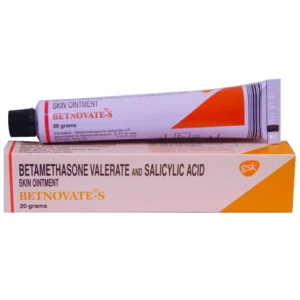
Betnovate S (Betamethasone & Salicylic)
Active Ingredient Betamethasone Manufacturer GlaxoSmithKline Pharmaceuticals Ltd Packaging 20g & 30g Tubes Strength 20g Delivery Time 6 To 15 days SKU: Betnovate S (Betamethasone/Salicylic) Price range: $4.00 through $20.00Betnovate S (Betamethasone & Salicylic)
Price range: $4.00 through $20.00 -

Clostaf Cream (Clobetasol Propionate)
Active Ingredient Clobetasol Propionate Manufacturer Biochem Pharmaceutical Industries Ltd Packaging 15g Tube Strength 15gm Delivery Time 6 To 15 days SKU: Clostaf Cream (Clobetasol Propionate) Price range: $7.00 through $25.00Clostaf Cream (Clobetasol Propionate)
Price range: $7.00 through $25.00 -

Desowen Cream (Desonide)
Active Ingredient Desonide Manufacturer Galderma India Pvt Ltd Packaging 10 gm in 1 tube Strength 0.05% Delivery Time 6 to 15 days SKU: Desowen Cream (Desonide) Price range: $4.00 through $21.00Desowen Cream (Desonide)
Price range: $4.00 through $21.00 -
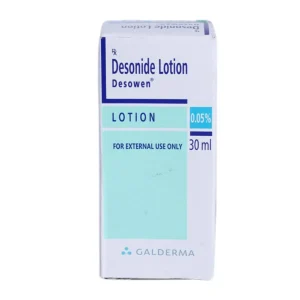
Desowen Lotion (Desonide)
Active Ingredient Desonide Manufacturer Galderma India Pvt Ltd Packaging 30 ml in 1 bottle Strength 0.05% Delivery Time 6 to 15 days SKU: Desowen Lotion (Desonide) Price range: $5.00 through $29.00Desowen Lotion (Desonide)
Price range: $5.00 through $29.00 -
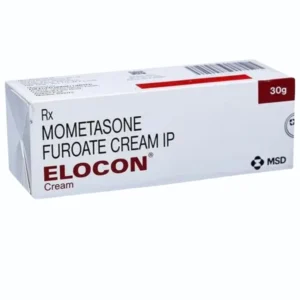
Elocon Cream (Mometasone Furoate)
Active Ingredient Mometasone Furoate Manufacturer MSD Pharmaceuticals India Pvt. Ltd. Packaging 10 gm in 1 tube Strength 1 Mg Delivery Time 6 to 15 days SKU: Elocon Cream (Mometasone Furoate) Price range: $6.00 through $28.00Elocon Cream (Mometasone Furoate)
Price range: $6.00 through $28.00 -

Elocon Lotion (Mometasone Furoate)
Active Ingredient Mometasone Furoate Manufacturer MSD Pharmaceuticals India Pvt. Ltd. Packaging 5 ml in 1 Bottle Strength 0.1% Delivery Time 6 to 15 days SKU: Elocon Lotion (Mometasone Furoate) Price range: $6.00 through $28.00Elocon Lotion (Mometasone Furoate)
Price range: $6.00 through $28.00 -

Eumosone Cream (Clobetasone)
Active Ingredient Clobetasone Manufacturer GlaxoSmithKline Pharmaceuticals Ltd Packaging 15 gm in 1 tube Strength 0.05% Delivery Time 6 To 15 days SKU: Eumosone Cream (Clobetasone) Price range: $5.00 through $23.00Eumosone Cream (Clobetasone)
Price range: $5.00 through $23.00 -

Flucort C Cream (Fluocinolone & Ciclopirox)
Active Ingredient Fluocinolone Manufacturer Glenmark Pharmaceuticals Ltd. Packaging 20 gm in 1 tube, 30 gm in 1 tube Strength 20g Delivery Time 6 To 15 days SKU: Flucort C Cream (Fluocinolone/Ciclopirox) Price range: $6.00 through $33.00Flucort C Cream (Fluocinolone & Ciclopirox)
Price range: $6.00 through $33.00