
Anti-Rejection Drugs: Essential Immunosuppressive Therapy After Transplantation:-
Anti-rejection drugs, medically known as immunosuppressive medications, represent a critical category of prescription medicines designed to support patients who have undergone organ or tissue transplantation. These specialized medications help prevent the body’s immune system from recognizing and attacking the newly transplanted organ, allowing it to function properly and improving long-term transplant success rates.
At GenericMedsKart, we understand the vital importance of consistent access to quality immunosuppressive medications for transplant recipients. This category encompasses a range of essential medicines that transplant patients require for lifelong therapy management.
Understanding Organ Rejection and Immunosuppression:-
When a patient receives an organ transplant—whether it’s a kidney, liver, heart, lung, or other tissue—the body’s natural defense mechanism identifies the new organ as foreign. This immune response, while protective against infections and disease under normal circumstances, can lead to transplant rejection if not properly managed.
Organ rejection occurs when the recipient’s immune system attacks the transplanted organ, potentially causing damage or complete organ failure. Anti-rejection medications work by suppressing specific immune system functions, creating a delicate balance that protects the transplanted organ while maintaining enough immune activity to fight infections.
There are three main types of rejection that these medicines help prevent:
Hyperacute rejection: Occurs within minutes to hours after transplant
Acute rejection: Most common in the first few months, but can occur anytime
Chronic rejection: Develops gradually over months or years
Immunosuppressive therapy is typically most intensive immediately following transplantation and continues at adjusted doses throughout the patient’s lifetime.
Types of Anti-Rejection Medicines Available:-
The anti-rejection drug category includes several classes of immunosuppressive medications, each working through different mechanisms to protect transplanted organs. These medicines are available in various formulations to meet individual patient needs:
Available Formulations:-
Oral tablets and capsules: The most common form for daily maintenance therapy
Oral solutions: Useful for patients with swallowing difficulties
Injectable medications: Used during initial transplant period or acute episodes
Extended-release formulations: Designed for once-daily dosing convenience
Main Categories of Immunosuppressants:-
Calcineurin Inhibitors: These form the backbone of most transplant immunosuppression protocols, working by blocking specific enzyme pathways that activate immune cells.
Antiproliferative Agents: These medications prevent immune cells from multiplying rapidly, reducing the overall immune response against the transplanted organ.
mTOR Inhibitors: A newer class that blocks a different pathway in immune cell activation and growth.
Corticosteroids: Anti-inflammatory medications that suppress multiple aspects of the immune response.
Antibody Therapies: Specialized biological medications that target specific immune system components.
Most transplant patients require a combination of medicines from different classes to achieve optimal immunosuppression with manageable side effects—an approach called combination therapy.
How Anti-Rejection Medications Work?
Anti-rejection drugs function by targeting various components and pathways within the immune system, reducing its ability to mount an attack against transplanted tissue. While the specific mechanisms vary by medication class, the overall goal remains consistent: prevent organ rejection while maintaining sufficient immune function.
These medications work at the cellular level by:
– Inhibiting the activation of T-lymphocytes (white blood cells that coordinate immune responses)
– Blocking the production of antibodies that would target the donor organ
– Preventing immune cells from multiplying and migrating to the transplanted organ
– Reducing inflammation that can contribute to rejection episodes
The immunosuppressive effect is dose-dependent, meaning careful medical monitoring ensures patients receive enough medication to protect the transplant without over-suppressing the immune system. Blood tests to measure drug levels are commonly performed to maintain therapeutic ranges.
It’s important to understand that these medicines do not “cure” the underlying immune response—they manage it continuously. This is why consistent, lifelong adherence to the prescribed regimen is essential for transplant success.
Therapeutic Benefits and Treatment Goals:-
The primary objective of anti-rejection medication therapy is to extend both transplant survival and patient quality of life. When used appropriately under medical supervision, these medicines offer significant benefits:
Core Treatment Goals
Preventing Acute Rejection: The immediate goal following transplantation is avoiding early rejection episodes that could compromise organ function or survival.
Maintaining Long-Term Graft Function: Sustained immunosuppression helps preserve the transplanted organ’s function for many years, allowing patients to live fuller lives.
Reducing Chronic Rejection: Proper medication management minimizes the gradual deterioration that can occur over time.
Enabling Return to Normal Activities: Successful immunosuppression allows many transplant recipients to return to work, physical activity, and daily routines.
Quality of Life Improvements:-
Patients who maintain consistent anti-rejection therapy typically experience:
– Restored organ function (kidney filtration, heart pumping capacity, etc.)
– Reduced hospitalizations compared to pre-transplant period
– Ability to discontinue treatments required before transplant (such as dialysis)
– Improved energy levels and overall physical wellness
– Greater independence in daily living
Medical research continues to advance immunosuppressive protocols, with newer medications offering improved efficacy and reduced side effect profiles compared to older generations of drugs.
Important Safety Considerations and Precautions:-
While anti-rejection medications are essential for transplant success, their immune-suppressing effects require careful management and patient awareness. Understanding potential risks helps patients work effectively with their healthcare team.
General Safety Considerations
Increased Infection Risk: By suppressing immune function, these medications make patients more vulnerable to bacterial, viral, and fungal infections. Patients should promptly report fever, unusual symptoms, or exposure to contagious illnesses.
Drug Interactions: Immunosuppressants interact with numerous medications, supplements, and even certain foods (like grapefruit). Always inform healthcare providers about all substances you consume.
Kidney and Liver Function: Some anti-rejection drugs can affect these organs, requiring regular blood tests to monitor function.
Blood Pressure and Cholesterol: Certain immunosuppressants may elevate blood pressure or cholesterol levels, necessitating additional monitoring or treatment.
Cancer Risk: Long-term immunosuppression slightly increases the risk of certain cancers, particularly skin cancer. Regular screenings and sun protection are important.
Pregnancy and Breastfeeding: Many anti-rejection medications can affect pregnancy or nursing. Patients should discuss family planning with their transplant team.
Medication Adherence
Missing doses or stopping anti-rejection medication—even briefly—can trigger rejection episodes that may cause irreversible organ damage. Patients should:
– Take medications at the same time each day as prescribed
– Never adjust doses without medical guidance
– Maintain adequate supplies and refill prescriptions early
– Use pill organizers or reminder apps to support adherence
– Contact their transplant team immediately if doses are missed
The Critical Importance of Medical Supervision:-
Anti-rejection therapy requires specialized medical expertise and ongoing monitoring. These are not medications that can be self-prescribed or managed without professional oversight.
Why Medical Consultation Is Essential-
Individualized Treatment Plans: Every transplant patient has unique factors—organ type, donor match quality, previous rejections, other health conditions—that influence which medications and doses are appropriate.
Regular Monitoring: Transplant recipients require frequent blood tests to measure drug levels, organ function, and detect early signs of rejection or complications.
Dose Adjustments: Immunosuppression needs change over time. Doctors carefully adjust medications based on test results, rejection risk, and side effects.
Managing Complications: Healthcare providers can identify and address problems early, adjusting treatment before serious issues develop.
Coordinated Care: Transplant teams work with other specialists to manage the full spectrum of patient health, ensuring all treatments work together safely.
Never Stop or Change Medications Without Medical Guidance:-
Patients should contact their transplant team before:
– Stopping or reducing any anti-rejection medication
– Starting new prescription or over-the-counter drugs
– Taking herbal supplements or vitamins
– Making significant dietary changes
– Receiving vaccinations
Emergency medical attention is needed if patients experience symptoms that might indicate rejection, such as decreased organ function, fever, pain at the transplant site, or other concerning changes.
Choosing the Right Anti-Rejection Medication
The selection of specific immunosuppressive medications is a complex medical decision made by transplant specialists based on multiple factors. Patients do not choose their own anti-rejection drugs—this determination requires expert clinical judgment.
Factors Healthcare Providers Consider
Type of Transplanted Organ: Different organs may require different immunosuppression strategies. Heart transplants, for example, often need more intensive therapy than kidney transplants.
Immunological Risk: The degree of tissue matching between donor and recipient, the presence of pre-formed antibodies, and previous rejection episodes all influence medication choices.
Patient-Specific Factors: Age, other medical conditions, medications for other health issues, kidney and liver function, and pregnancy status all impact drug selection.
Risk-Benefit Balance: Physicians weigh the rejection prevention benefits against potential side effects for each patient’s situation.
Local Protocols and Experience: Transplant centers often have established protocols based on their clinical experience and outcomes data.
The Medication Selection Process:-
Following transplantation, doctors typically begin with a standard combination therapy protocol, then personalize it based on:
– How the patient responds to initial treatment
– Blood levels of medications
– Any side effects experienced
– Results of organ biopsies and function tests
– Changes in the patient’s overall health status
This process requires ongoing communication between patients and their medical team. Patients should report all symptoms, concerns, and life changes that might affect their treatment.
Proper Storage and Handling of Immunosuppressive Medications:-
Correct storage of anti-rejection drugs is essential to maintain their effectiveness. Improper storage can degrade medications, potentially leading to inadequate immunosuppression and increased rejection risk.
General Storage Guidelines:-
Temperature Requirements: Most oral immunosuppressants should be stored at room temperature (typically 68-77°F or 20-25°C) away from heat sources. Some medications require refrigeration—always follow specific instructions.
Protection from Light and Moisture: Keep medications in their original containers, which are designed to protect against light and humidity. Avoid storing in bathrooms where moisture levels fluctuate.
Child-Safe Storage: Store all medications securely out of reach of children and pets.
Travel Considerations: When traveling, carry medications in original labeled containers in carry-on luggage. Bring extra supplies in case of travel delays.
Handling Precautions:-
– Do not remove tablets from blister packs until ready to take them
– Avoid crushing or splitting tablets unless specifically instructed by your pharmacist or doctor
– Wash hands before handling medications
– Check expiration dates regularly and safely dispose of expired medicines
– For liquid formulations, use provided measuring devices for accurate dosing
Prescription Refills:-
Transplant patients should:
– Track medication supplies carefully
– Request refills at least one week before running out
– Verify the medication looks the same with each refill (notify pharmacist of any changes)
– Keep contact information for their pharmacy and transplant coordinator readily available
Never allow anti-rejection medication supplies to run out, as even short interruptions in therapy can be dangerous.
Frequently Asked Questions About Anti-Rejection Drugs:-
How long do I need to take anti-rejection medications after a transplant?
Most transplant recipients require immunosuppressive medication for the entire lifespan of the transplanted organ, which typically means lifelong therapy. While doses may be adjusted over time—often reduced gradually after the first year—completely stopping these medications usually results in rejection. Only your transplant team can make decisions about medication duration based on your specific medical situation.
What happens if I miss a dose of my anti-rejection medicine?
Missing even a single dose can potentially trigger rejection, so maintaining consistent adherence is critical. If you miss a dose, contact your transplant coordinator immediately for guidance—instructions vary depending on which medication, how much time has passed, and your individual protocol. Do not double the next dose without medical advice. Setting daily reminders and using pill organizers can help prevent missed doses.
Can I take over-the-counter medications while on immunosuppressants?
Many common over-the-counter drugs can interact with anti-rejection medications, either reducing their effectiveness or increasing side effects. Always consult your transplant team or pharmacist before taking any new medication, including pain relievers, cold medicines, antacids, or supplements. Keep a complete list of all your medications and share it with every healthcare provider you see.
-

Cyclophil Me 25mg (Cyclosporine)
Active Ingredient Cyclosporine Manufacturer Biocon Limited Packaging 5 capsules in 1 strip, 6 capsules in 1 strip Strength 25mg, 50mg, 100mg Delivery Time 6 To 15 days SKU: Cyclophil Me 25mg (Cyclosporine) Price range: $21.00 through $200.00Cyclophil Me 25mg (Cyclosporine)
Price range: $21.00 through $200.00 -
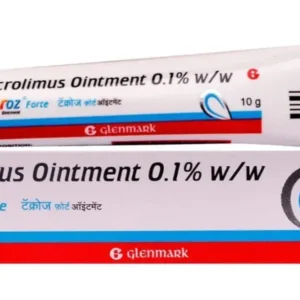
Tacroz Forte Ointment 10GM (Tacrolimus)
Active Ingredient Tacrolimus Manufacturer Glenmark Pharmaceuticals Ltd. Packaging 10 gm in 1 tube Strength 10g Delivery Time 6 To 15 days SKU: Tacroz Forte Ointment 10G(Tacrolimus) Price range: $12.00 through $66.00Tacroz Forte Ointment 10GM (Tacrolimus)
Price range: $12.00 through $66.00 -

Topgraf 0.1% Ointment (Tacrolimus)
Active Ingredient Tacrolimus Manufacturer GlaxoSmithKline Pharmaceuticals Ltd Packaging 10 gm in 1 tube Strength 10g Delivery Time 6 To 15 days SKU: Topgraf 0.1% Ointment (Tacrolimus) Price range: $7.00 through $75.00Topgraf 0.1% Ointment (Tacrolimus)
Price range: $7.00 through $75.00