
Brain Tumor Medicines – Trusted Generic Treatments for Neurological Cancer Care
Brain tumors represent one of the most challenging neurological conditions, requiring specialized medical intervention and comprehensive pharmaceutical support. At GenericMedsKart, we provide access to quality-assured generic medicines used in the management and treatment of brain tumors, helping patients and caregivers navigate this critical healthcare journey with confidence and affordability.
This category includes prescription medications specifically designed to treat various types of brain tumors, manage symptoms, reduce tumor growth, and support overall neurological health during cancer treatment. All medicines available here are quality-tested generics that meet international pharmaceutical standards, offering therapeutic equivalence to branded versions at more accessible prices.
Understanding Brain Tumors: What Patients and Families Need to Know
A brain tumor is an abnormal growth of cells within the brain or surrounding tissues. These growths can be benign (non-cancerous) or malignant (cancerous), and their impact depends on size, location, and type. Brain tumors may originate in the brain (primary tumors) or spread from cancers elsewhere in the body (secondary or metastatic tumors).
Common types include gliomas, meningiomas, pituitary adenomas, medulloblastomas, and metastatic brain tumors. Symptoms often include persistent headaches, seizures, vision problems, cognitive changes, balance difficulties, and personality shifts. Early diagnosis through imaging studies and neurological evaluation is essential for determining appropriate treatment pathways.
Treatment typically involves a multidisciplinary approach combining surgery, radiation therapy, chemotherapy, and targeted drug therapy. Medications play a crucial role in destroying cancer cells, preventing tumor growth, managing symptoms, and improving quality of life during treatment.
Types of Brain Tumor Medicines Available in This Category:-
Our brain tumor medicine category includes several therapeutic classes used across different stages and types of brain cancer treatment:
Chemotherapy Agents-
Oral and injectable medications that target rapidly dividing cancer cells are used either alone or in combination protocols. These include alkylating agents and other cytotoxic drugs specifically effective against brain tumor cells.
Targeted Therapy Medications-
Advanced drugs that target specific molecular pathways involved in tumor growth and progression, offering more precise treatment with potentially fewer systemic side effects.
Anti-Seizure Medications-
Many brain tumor patients experience seizures due to tumor location or treatment effects. Anticonvulsant medicines help control seizure activity and protect neurological function.
Corticosteroids-
These powerful anti-inflammatory medications reduce brain swelling (edema) around tumors, helping manage symptoms like headaches and neurological deficits.
Supportive Care Medicines-
Medications to manage treatment side effects, including nausea, pain, fatigue, and other symptoms that impact patient comfort and treatment adherence.
Available Forms: Tablets, capsules, oral solutions, and injectable formulations
Prescription Status: All medicines in this category are prescription-only (Rx) medications requiring oncologist or neurologist supervision
How Brain Tumor Medicines Work: Patient-Friendly Overview?
Brain tumor medications work through various mechanisms depending on their therapeutic class:
Chemotherapy drugs interfere with cancer cell division and DNA replication, preventing tumor cells from multiplying. While they affect rapidly growing cells throughout the body, dosing schedules and combination protocols are designed to maximize tumor destruction while allowing healthy cells time to recover.
Targeted therapies identify and attack specific proteins, receptors, or genetic mutations present in tumor cells. By focusing on molecular differences between cancer and normal cells, these medicines can slow or stop tumor growth with greater precision.
Anti-seizure medications stabilize electrical activity in the brain, preventing the abnormal neuronal firing that causes seizures. This protection is essential for maintaining quality of life and preventing injury during treatment.
Corticosteroids reduce inflammation and fluid accumulation around brain tumors, decreasing pressure inside the skull and alleviating symptoms like headaches, confusion, and neurological deficits.
The specific mechanism, dosing schedule, and duration of treatment depend on tumor type, location, grade, genetic profile, and individual patient factors. Treatment plans are highly personalized and regularly adjusted based on response and tolerance.
Key Therapeutic Benefits and Treatment Goals:-
Brain tumor medications serve multiple critical objectives in comprehensive cancer care:
Primary Treatment Efficacy: Many medicines can shrink tumors, slow progression, or prevent recurrence, particularly when combined with surgery and radiation. Some tumors respond well to chemotherapy alone or targeted therapy protocols.
Symptom Management: Medications help control seizures, reduce brain swelling, manage pain, and address other neurological symptoms that significantly impact daily functioning and quality of life.
Post-Surgical Support: Following tumor removal surgery, medications may eliminate remaining cancer cells, prevent recurrence, and support healing and neurological recovery.
Palliative Care: In advanced cases, medicines focus on maximizing comfort, maintaining neurological function, and preserving dignity and quality of life for patients and families.
Treatment Tolerance: Modern protocols increasingly balance efficacy with manageable side effects, allowing patients to maintain better function during treatment courses.
Success depends on early diagnosis, appropriate medicine selection, consistent adherence to prescribed protocols, and regular monitoring by specialized healthcare teams.
Important Safety Considerations and General Precautions:-
Brain tumor medications are powerful drugs requiring careful medical supervision:
Serious Side Effects: Chemotherapy and targeted therapies can cause bone marrow suppression, increased infection risk, liver or kidney toxicity, nausea, fatigue, and hair loss. Regular blood tests and monitoring are essential.
Drug Interactions: Brain tumor medicines may interact with other medications, supplements, herbal products, and even certain foods. Always inform your healthcare team about everything you’re taking.
Pregnancy and Fertility: Most brain tumor treatments can harm developing fetuses or affect fertility. Contraception and family planning discussions with oncology teams are crucial for patients of reproductive age.
Cognitive and Neurological Effects: Some medicines may cause temporary or lasting effects on memory, concentration, coordination, or mood. Report any cognitive changes to your medical team promptly.
Infection Risk: Many chemotherapy drugs suppress immune function, increasing vulnerability to infections. Fever, unusual symptoms, or signs of infection require immediate medical attention.
Adherence Importance: Missing doses or stopping treatment prematurely can reduce effectiveness and allow tumor progression. Follow prescribed schedules precisely, even when feeling better or experiencing side effects.
Never adjust dosages, skip treatments, or stop medications without explicit guidance from your oncology team.
The Critical Importance of Medical Consultation and Prescription Compliance:-
Brain tumor treatment is among the most specialized areas of medicine, requiring expertise from neuro-oncologists, neurosurgeons, radiation oncologists, and supportive care specialists.
Professional Diagnosis is Essential: Brain tumors require sophisticated imaging (MRI, CT, PET scans), tissue biopsy, genetic testing, and comprehensive neurological evaluation. Accurate diagnosis determines appropriate treatment protocols.
Individualized Treatment Plans: Every brain tumor case is unique. Medicine selection depends on tumor type, grade, location, molecular markers, patient age, overall health, previous treatments, and specific genetic profiles.
Regular Monitoring Required: Treatment effectiveness and safety require ongoing assessment through imaging studies, blood tests, neurological examinations, and quality-of-life evaluations. Adjustments are made based on response and tolerance.
Self-Medication is Dangerous: Using brain tumor medicines without proper diagnosis and supervision can cause severe harm, mask symptoms, delay appropriate treatment, or result in dangerous drug interactions.
Multidisciplinary Care: Successful outcomes depend on coordinated care involving multiple specialists, supportive services, and often clinical trial opportunities. Your oncology team provides comprehensive guidance throughout your treatment journey.
Always obtain brain tumor medications only with valid prescriptions from qualified oncology specialists, and maintain open communication about concerns, side effects, and treatment goals.
Choosing the Right Brain Tumor Medicine: A Doctor-Led Decision:-
Selecting appropriate medications for brain tumor treatment involves complex medical considerations:
Tumor Characteristics: Pathology reports reveal tumor type (glioblastoma, astrocytoma, oligodendroglioma, etc.), grade (I-IV), and molecular markers (IDH mutation, MGMT methylation, 1p/19q codeletion) that guide treatment selection.
Treatment History: Previous surgeries, radiation therapy, and prior medication responses influence current treatment choices and protocol design.
Patient Factors: Age, overall health, kidney and liver function, other medical conditions, current medications, and performance status all affect medicine selection and dosing.
Treatment Goals: Whether the goal is curative, life-prolonging, or palliative influences the aggressiveness and type of treatment protocols recommended.
Evidence-Based Protocols: Oncologists follow established treatment guidelines based on clinical trial evidence, international standards, and emerging research specific to each tumor type.
Genetic and Biomarker Testing: Advanced molecular profiling may identify specific targeted therapies or clinical trial eligibility, offering improved outcomes for certain tumor types.
Your neuro-oncology team will explain recommended treatment options, expected benefits, potential side effects, and alternative approaches. Participate actively in these discussions and ask questions to understand your individualized treatment plan.
Never select brain tumor medicines based on internet research, others’ experiences, or non-specialist recommendations. Only qualified oncology specialists can make appropriate treatment decisions for this serious condition.
Storage and Handling Guidelines for Brain Tumor Medicines:-
Proper storage ensures medication effectiveness and safety:
General Storage: Most oral brain tumor medications should be stored at room temperature (68-77°F or 20-25°C) away from moisture, heat, and direct sunlight. Some may require refrigeration—always follow specific product instructions.
Original Packaging: Keep medicines in original containers with labels intact. This prevents confusion and provides important information for healthcare providers in emergencies.
Child Safety: Store all medications securely out of reach of children and pets. Many chemotherapy drugs are extremely toxic if accidentally ingested.
Injectable Medications: If you receive injectable treatments at home, follow healthcare provider instructions for refrigeration, handling, and disposal precisely.
Disposal of Unused Medicines: Never dispose of chemotherapy or other cancer medications in household trash or drains. Use medication take-back programs or follow specific disposal instructions provided by your pharmacy.
Travel Considerations: When traveling, carry medications in original containers with prescriptions. For injectable medicines, obtain travel letters from your oncologist and check airline regulations.
Contamination Prevention: Some chemotherapy drugs require special handling. Healthcare providers will provide specific instructions if medications pose exposure risks to family members.
Always check product-specific storage requirements on medication labels and follow your pharmacist’s guidance carefully.
Frequently Asked Questions About Brain Tumor Medicines?
Can brain tumor medicines cure the tumor completely?
Treatment outcomes vary significantly depending on tumor type, grade, location, and individual factors. Some benign tumors and certain low-grade gliomas may be curable with complete surgical removal and appropriate medication protocols. However, many aggressive brain tumors like glioblastoma are currently managed rather than cured, with treatments focused on extending survival, controlling growth, and maintaining quality of life. Your oncology team will discuss realistic expectations based on your specific diagnosis and treatment plan.
How long will I need to take brain tumor medications?
Treatment duration varies widely depending on tumor type and treatment goals. Some chemotherapy protocols last 6-12 months, while targeted therapies may continue as long as they remain effective with manageable side effects. Maintenance therapy for certain tumor types may continue for years. Anti-seizure medications might be needed long-term if seizure risk persists. Your oncologist will outline expected treatment duration and monitoring schedules specific to your case.
Will I experience hair loss and other side effects?
Side effects depend on the specific medications prescribed. Traditional chemotherapy often causes hair loss, fatigue, nausea, and blood count changes, though not all regimens affect everyone the same way. Targeted therapies typically have different side effect profiles. Your medical team will explain expected side effects for your specific treatment, provide preventive measures, and offer supportive medications to manage symptoms. Many side effects improve after treatment completion.
Medical Disclaimer and Prescription Notice:-
Important Medical Information: The content provided on this page is for educational and informational purposes only and should not be considered medical advice, diagnosis, or treatment recommendations. Brain tumors are serious medical conditions requiring specialized diagnosis and treatment by qualified neuro-oncologists and multidisciplinary cancer care teams.
Prescription Requirement: All medicines in the Brain Tumor category are prescription-only medications that must be prescribed by licensed oncologists, neurologists, or neurosurgeons following comprehensive diagnostic evaluation. These medications should never be used without proper medical supervision, diagnostic confirmation, and ongoing monitoring.
No Self-Medication: Brain tumor treatment is highly specialized and individualized. Self-diagnosis or self-medication can result in serious health consequences, treatment delays, dangerous complications, or inappropriate care. Always consult qualified oncology specialists for proper diagnosis and treatment planning.
Individual Variation: Treatment responses, side effects, and outcomes vary significantly among individuals based on tumor characteristics, overall health, genetic factors, and many other variables. Information provided here represents general education and should not replace personalized medical consultation.
Consult Your Healthcare Team: For specific medical advice, diagnosis, treatment recommendations, or questions about your individual condition or prescribed medications, always consult your neuro-oncology team, primary care physician, or qualified healthcare professionals who have access to your complete medical history.
Emergency Situations: If you experience severe symptoms, including sudden severe headache, seizures, loss of consciousness, vision loss, difficulty speaking, or signs of serious medication side effects, seek immediate emergency medical attention.
GenericMedsKart is a licensed online pharmacy platform providing access to quality-assured generic medications. We do not provide medical advice, diagnosis, or treatment services. All prescription medications require valid prescriptions from licensed healthcare providers.
Access Quality Brain Tumor Medicines with Confidence:-
Navigating brain tumor treatment requires not only expert medical care but also reliable access to necessary medications. Generic medicines offer therapeutic equivalence to branded versions while providing more affordable options for patients and families managing the high costs of cancer care.
Explore a wide range of quality-assured generic medicines in this category at GenericMedsKart, with secure packaging and discreet delivery.
Every medication in our brain tumor category undergoes quality verification and meets international pharmaceutical standards. We understand the sensitivity and urgency of cancer treatment, which is why we ensure secure processing, discreet packaging, and reliable delivery to support your treatment journey.
For questions about product availability, prescription submission, or the ordering process, our customer support team is available to assist you. Remember that all orders require valid prescriptions from licensed oncologists or neurologists, and we’re committed to supporting your access to essential medications while maintaining the highest standards of pharmaceutical care and patient privacy.
Note:-This content is designed to educate and inform patients and caregivers about brain tumor medications available through GenericMedsKart. It does not replace professional medical consultation and should be used in conjunction with guidance from your oncology care team. Always prioritize communication with your healthcare providers regarding your specific diagnosis, treatment options, and medication management.
-

Temonat 20 Mg (Temozolomide)
Active Ingredient Temozolomide Manufacturer Natco Pharma Ltd. Packaging 5 capsules in 1 strip Strength 20mg, 100mg, 250mg Delivery Time 6 To 15 days SKU: Temonat (Temozolomide) – 20 Mg Price range: $90.00 through $335.00Temonat 20 Mg (Temozolomide)
Price range: $90.00 through $335.00 -
Temoside 20 Mg (Temozolomide)
Active Ingredient Temozolomide Manufacturer Cipla Limited Packaging 5 capsules in 1 strip Strength 20mg, 100mg, 250mg Delivery Time 6 To 15 days SKU: Temoside 20 Mg (Temozolomide) Price range: $54.00 through $350.00Temoside 20 Mg (Temozolomide)
Price range: $54.00 through $350.00 -
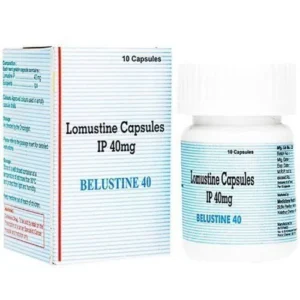
Belustine (Lomustine) – 40 Mg
Active Ingredient Lomustine Manufacturer Medi Biotek (India) Pvt. Ltd. Packaging 10 capsules in Strip Strength 40mg Delivery Time 6 To 15 days SKU: Belustine (Lomustine) – 40mg Price range: $40.00 through $95.00Belustine (Lomustine) – 40 Mg
Price range: $40.00 through $95.00
