
Filariasis Medicines: Essential Treatment Information:-
Understanding Filariasis Treatment Options:-
Filariasis is a parasitic disease transmitted through mosquito bites, caused by thread-like worms that affect the lymphatic system. This category provides information about prescription medicines used to treat various forms of filariasis, including lymphatic filariasis and onchocerciasis. These medications are essential components of global efforts to control and eliminate this neglected tropical disease.
Access to appropriate antifilarial medicines, when prescribed by qualified healthcare providers, plays a crucial role in managing infection, preventing disease progression, and reducing transmission within affected communities.
What Is Filariasis?
Filariasis encompasses several parasitic infections caused by filarial worms transmitted to humans through the bites of infected mosquitoes. The most common form is lymphatic filariasis, which affects the lymphatic system and can lead to lymphedema, swelling, and in chronic cases, elephantiasis. Another significant form is onchocerciasis (river blindness), which affects the skin and eyes.
These infections are most prevalent in tropical and subtropical regions of Africa, Asia, the Pacific, and parts of the Americas. Early diagnosis and appropriate treatment are important for preventing long-term complications and reducing the spread of infection in communities.
Types of Medicines for Filariasis Treatment:-
Antifilarial medications available through healthcare providers typically include:
Microfilaricidal Agents: Medicines that target the larval stage (microfilariae) of the parasites, helping to reduce the parasite burden in the bloodstream and tissues.
Macrofilaricidal Agents: Treatments that target adult worms, though these are less commonly available and typically reserved for specific situations under medical supervision.
Combination Therapy: Healthcare providers may prescribe combinations of antifilarial medicines along with antibiotics that target bacteria living within the parasites, enhancing treatment effectiveness.
Mass Drug Administration (MDA) Medications: Certain medicines are used in public health campaigns to prevent transmission in endemic areas, administered under the guidance of health authorities.
All filariasis medicines require prescription and medical supervision, as treatment regimens vary based on the specific type of filariasis, disease stage, and individual patient factors.
How Filariasis Medicines Work?
Antifilarial medications work through several mechanisms to combat parasitic infection:
These medicines interfere with the parasites’ nervous system, metabolism, or reproductive capabilities, leading to paralysis or death of the worms. Some treatments specifically target microfilariae circulating in the blood or present in tissues, reducing the parasite load and decreasing the likelihood of transmission to mosquitoes.
Certain medications also work by depleting bacteria (Wolbachia) that live symbiotically within many filarial worms. These bacteria are essential for worm development, reproduction, and survival, so eliminating them weakens and eventually kills the adult parasites.
The body’s immune system then helps clear the dead or dying parasites. Treatment may need to be repeated at intervals as prescribed by healthcare providers to address different life stages of the parasites and achieve optimal outcomes.
Treatment Goals and Expected Benefits:-
When prescribed appropriately and taken as directed, filariasis medicines aim to:
– Reduce or eliminate microfilariae from the bloodstream and tissues
– Decrease symptoms such as fever, swelling, and skin manifestations
– Prevent progression to chronic complications like lymphedema or elephantiasis
– Reduce transmission of parasites to mosquitoes, protecting the broader community
– Improve the quality of life for individuals living with filariasis
– Support global elimination efforts in endemic regions
Response to treatment varies among individuals depending on the duration and severity of infection, the specific parasite species involved, and whether treatment is started before chronic changes develop. Healthcare providers will monitor progress and adjust treatment as needed.
Important Safety Information and Precautions:-
Filariasis medicines are prescription medications that require medical supervision:
Medical Evaluation Required: Proper diagnosis through blood tests or other diagnostic methods is essential before starting treatment. Self-diagnosis and self-medication can lead to inappropriate treatment and potential complications.
Possible Side Effects: Antifilarial medications may cause reactions as parasites die, including fever, headache, muscle pain, fatigue, dizziness, nausea, or skin reactions. Healthcare providers can help manage these symptoms.
Drug Interactions: These medicines may interact with other medications. Always inform your healthcare provider about all medicines, supplements, and herbal products you’re taking.
Special Populations: Pregnant or breastfeeding women, children, elderly patients, and individuals with certain health conditions require special consideration. Treatment plans must be individualized under medical guidance.
Pre-existing Conditions: Patients with liver or kidney problems, heart conditions, or other health concerns should discuss these with their healthcare provider before starting treatment.
Treatment Adherence: Following the prescribed regimen completely is important for treatment success and preventing resistance development.
Why Healthcare Professional Guidance Is Essential?
Filariasis treatment requires professional medical oversight for several important reasons:
Healthcare providers conduct proper diagnostic testing to confirm infection type and severity, determine the most appropriate medication and dosage for your specific situation, monitor for treatment response and potential side effects, and coordinate care if complications arise.
They also consider factors such as co-infections (malaria, other parasitic diseases), potential drug interactions, and individual health conditions that may affect treatment choices. In endemic areas, treatment may be coordinated with public health initiatives.
Never attempt to diagnose or treat filariasis without professional medical guidance. What may seem like filariasis could be another condition requiring different management.
Storage and Handling Guidelines:-
To maintain the effectiveness and safety:
– Store medications at room temperature away from excessive heat, moisture, and direct sunlight
– Keep medicines in their original containers with labels intact
– Store all medications securely out of reach of children and pets
– Do not use medications past their expiration date
– Follow any special storage instructions provided by your pharmacist
– Dispose of unused or expired medications properly according to local guidelines or pharmacy take-back programs
– Do not share prescription medicines with others, even if they appear to have similar symptoms
Frequently Asked Questions?
How long does filariasis treatment take?
Treatment duration varies depending on infection type and severity. Some regimens involve single doses, while others require courses lasting weeks to months. Your healthcare provider will determine the appropriate duration for your situation.
Can filariasis be completely cured?
Early treatment can effectively eliminate infection in many cases, though chronic complications that developed before treatment may persist. Ongoing medical management helps optimize outcomes.
Are these medicines safe for children?
Many antifilarial medications can be used in children, but dosing and safety considerations differ by age and weight. Pediatric treatment must be supervised by qualified healthcare providers.
Medical Disclaimer:-
This information is provided for educational purposes only and does not constitute medical advice, diagnosis, or treatment recommendations. Filariasis is a serious parasitic infection requiring proper medical diagnosis and prescription treatment under qualified healthcare supervision.
Always consult licensed healthcare providers before starting, stopping, or changing any medication. Do not use this information to self-diagnose or self-treat. Individual treatment needs vary based on infection type, disease severity, patient health status, and other factors that only qualified medical professionals can properly assess.
If you suspect you have filariasis or have been exposed to infection in endemic areas, seek prompt medical evaluation. In case of severe symptoms or adverse reactions to medications, seek immediate medical attention.
GenericMedsKart provides access to quality generic medicines but does not provide medical advice or replace professional healthcare consultations.
-
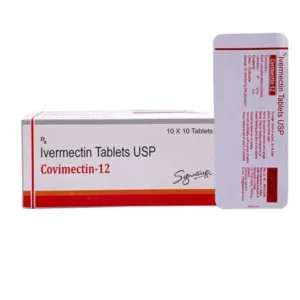
Covimectin 12 mg
Active Ingredient (Generic Name) Ivermectin Indication Scabies, Filariasis Manufacturer Signature Pharma Packaging 10 capsules in 1 strip Strength 12mg Delivery Time 12 to 15 days Price range: $148.00 through $490.00Covimectin 12 mg
Price range: $148.00 through $490.00 -

Banocide Forte 100 Mg (Diethylcarbamazine)
Active Ingredient Diethylcarbamazine Manufacturer GlaxoSmithKline Pharmaceuticals Ltd Packaging 20 tablets in 1 strip & 30 tablets in 1 strip Strength 100mg Delivery Time 6 To 15 days SKU: Banocide Forte 100 Mg (Diethylcarbamazine) Price range: $13.50 through $25.50Banocide Forte 100 Mg (Diethylcarbamazine)
Price range: $13.50 through $25.50 -

Banocide Forte 50 Mg (Diethylcarbamazine)
Active Ingredient Diethylcarbamazine Manufacturer GlaxoSmithKline Pharmaceuticals Ltd Packaging 20 tablets in 1 strip & 30 tablets in 1 strip Strength 50mg Delivery Time 6 To 15 days SKU: Banocide Forte 50 Mg (Diethylcarbamazine) Price range: $10.80 through $21.00Banocide Forte 50 Mg (Diethylcarbamazine)
Price range: $10.80 through $21.00