
Hepatic Encephalopathy Medications:-
Hepatic encephalopathy is a serious neurological complication that can occur in individuals with liver disease. The medications in this category are specifically designed to help manage this condition by reducing the buildup of toxins in the bloodstream that affect brain function. These medicines play a vital role in improving cognitive symptoms and supporting quality of life for patients living with advanced liver conditions.
At GenericMedsKart, we provide access to quality-assured generic medications used in the management of hepatic encephalopathy, always requiring valid prescriptions to ensure safe and appropriate use under medical supervision.
Understanding Hepatic Encephalopathy:-
Hepatic encephalopathy occurs when the liver is unable to properly filter toxins from the blood, particularly ammonia. These toxins can then travel to the brain and interfere with normal neurological function. The condition is most commonly associated with chronic liver diseases such as cirrhosis, acute liver failure, or complications from portal hypertension.
Symptoms can range from mild confusion, forgetfulness, and changes in sleep patterns to more severe manifestations, including disorientation, personality changes, difficulty speaking, and in advanced cases, loss of consciousness or coma. Early recognition and treatment are essential to prevent progression and improve patient outcomes.
The condition can be triggered or worsened by factors such as infections, gastrointestinal bleeding, dehydration, certain medications, constipation, or electrolyte imbalances. Managing these triggers alongside appropriate medication is crucial for comprehensive care.
Types of Medicines Available in This Category:-
Medications for hepatic encephalopathy primarily work by reducing ammonia levels in the body or altering the gut environment to prevent toxin absorption. The main types include:
Ammonia-Reducing Agents: These medications help lower blood ammonia levels through various mechanisms, either by preventing ammonia production in the intestines or by promoting its elimination from the body. They represent the cornerstone of pharmacological management for this condition.
Synthetic Disaccharides: These non-absorbable sugars work in the colon to acidify the intestinal contents, trap ammonia, and facilitate its removal through bowel movements. They also help reduce the growth of ammonia-producing bacteria.
Antibiotics: Certain antibiotics may be prescribed to reduce the population of ammonia-producing bacteria in the gut, thereby decreasing the overall ammonia load that reaches the bloodstream.
Combination Therapies: In some cases, healthcare providers may prescribe more than one medication to achieve better control of symptoms and ammonia levels.
All medications in this category require a prescription and should only be used under the direct guidance of a qualified healthcare provider experienced in managing liver disease.
How These Medicines Support Treatment?
The primary goal of hepatic encephalopathy medications is to reduce the concentration of neurotoxins, particularly ammonia, in the bloodstream. By lowering these toxin levels, these medicines help restore more normal brain function and reduce neurological symptoms.
These medications work through several key mechanisms. Some alter the pH balance in the intestines, creating an environment less favorable for ammonia-producing bacteria while also converting ammonia into a form that can be more easily eliminated. Others directly target and reduce the bacterial populations responsible for ammonia production. Through regular use as prescribed, these medications help maintain lower ammonia levels consistently.
The effectiveness of treatment depends on several factors, including the severity of liver disease, patient adherence to the prescribed regimen, dietary modifications, and management of underlying conditions or triggers. Most patients require ongoing, long-term treatment to maintain symptom control and prevent recurrence of encephalopathy episodes.
It’s important to understand that while these medications manage symptoms and reduce complications, they do not cure the underlying liver disease. Comprehensive management includes treating the root cause of liver dysfunction, managing complications, and, in some cases, evaluating for liver transplantation.
Treatment Goals and Patient-Focused Benefits:-
The primary objectives of treatment for hepatic encephalopathy focus on improving both clinical outcomes and quality of life for patients:
Symptom Improvement: Medications aim to reduce or eliminate confusion, disorientation, and cognitive impairment, helping patients regain clearer thinking and better awareness of their surroundings.
Prevention of Recurrence: Consistent use of prescribed medications helps prevent repeated episodes of encephalopathy, which can lead to cumulative brain damage if left uncontrolled.
Enhanced Daily Functioning: By controlling neurological symptoms, treatment enables patients to better perform daily activities, maintain independence, and engage more meaningfully with family and caregivers.
Reduced Hospitalizations: Effective management can decrease the frequency of emergency room visits and hospital admissions related to encephalopathy episodes, reducing healthcare burden and improving stability.
Better Long-Term Outcomes: Proper control of hepatic encephalopathy is associated with improved survival rates and may help patients remain eligible for liver transplantation when appropriate.
Patients should maintain realistic expectations and understand that treatment response can vary. Regular monitoring by healthcare providers helps ensure medications are working optimally and allows for adjustments when needed.
Important Safety Considerations and Precautions:-
Using medications for hepatic encephalopathy requires careful attention to safety guidelines and medical supervision:
Medical Supervision Required: These medications must only be used under the direction of a healthcare provider experienced in treating liver disease. Regular monitoring of liver function, neurological status, and blood ammonia levels may be necessary.
Dosage Compliance: Taking medications exactly as prescribed is essential. Do not adjust doses, skip doses, or discontinue treatment without consulting your healthcare provider, even if symptoms improve.
Potential Side Effects: Like all medications, these treatments can cause side effects. Common effects may include changes in bowel habits, abdominal cramping, bloating, nausea, or electrolyte imbalances. Report any persistent or concerning symptoms to your doctor.
Drug Interactions: Inform your healthcare provider about all medications, supplements, and herbal products you’re taking, as interactions can affect treatment efficacy or increase risks.
Dietary Considerations: Your doctor may recommend dietary modifications, including protein restrictions or adjustments, to support treatment effectiveness. Follow nutritional guidance carefully.
Monitoring for Triggers: Be aware of factors that can precipitate encephalopathy episodes, such as infections, constipation, or gastrointestinal bleeding, and seek prompt medical attention if these occur.
Pregnancy and Breastfeeding: If you are pregnant, planning pregnancy, or breastfeeding, discuss the risks and benefits of treatment with your healthcare provider.
**Special Populations**: Elderly patients or those with kidney problems may require dose adjustments or additional monitoring.
Never share your medications with others, and keep all appointments for follow-up care and monitoring tests.
Storage and Handling Guidelines:-
Proper storage of hepatic encephalopathy medications ensures their effectiveness and safety:
Store medications at room temperature unless otherwise directed, typically between 68°Fando 77°F (20°andto 25°C). Keep medicines in their original containers with labels intact, away from direct sunlight, moisture, and heat sources such as bathrooms or kitchen sinks.
Keep all medications out of reach of children and pets. Some formulations, particularly liquid preparations, may require specific storage conditions—always follow the instructions provided with your medication or on the prescription label.
Check expiration dates regularly and do not use medications past their expiration date. Dispose of expired or unused medications properly by following local guidelines or using pharmacy take-back programs. Do not flush medications down the toilet unless specifically instructed to do so.
If traveling, carry medications in their original containers and bring enough supply for your entire trip, plus a few extra days in case of delays.
Frequently Asked Questions?
Q: How long does it take for these medications to start working?
A: Response times vary depending on the medication and individual factors. Some patients notice improvement within 24-48 hours, while optimal effects may take several days. Your healthcare provider will monitor your progress and adjust treatment as needed.
Q: Can I stop taking the medication once my symptoms improve?
A: No. Most patients require ongoing treatment to maintain symptom control and prevent recurrence. Stopping medication without medical guidance can lead to symptom return. Always consult your doctor before making any changes to your treatment plan.
Q: Are there dietary restrictions I should follow while taking these medications?
A: Dietary recommendations vary based on individual circumstances. Your healthcare provider may suggest protein modifications or other dietary changes. Some medications may affect nutrient absorption, so follow all nutritional guidance provided by your medical team.
Medical and Prescription Disclaimer:-
Important Medical Information
The information provided on this page is for educational purposes only and is not intended to replace professional medical advice, diagnosis, or treatment. Hepatic encephalopathy is a serious medical condition requiring expert clinical management by qualified healthcare providers.
All medications in this category are prescription medicines that must be obtained with a valid prescription from a licensed healthcare provider. GenericMedsKart does not provide medical advice or diagnoses. We do not recommend or endorse any specific treatments, and we do not make claims about the safety or effectiveness of any medication for individual patients.
Always consult with your physician or qualified healthcare provider before:
– Starting any new medication
– Stopping or changing your current treatment
– If you experience worsening symptoms or side effects
– If you have questions about your condition or treatment plan
Seek immediate medical attention if you experience:
– Severe confusion or disorientation
– Loss of consciousness
– Signs of gastrointestinal bleeding
– Severe abdominal pain
– Difficulty breathing
– Any symptoms that concern you
The content on this page does not establish a doctor-patient relationship. Individual medical circumstances vary greatly, and only your healthcare provider can determine the appropriate treatment for your specific situation.
GenericMedsKart is committed to dispensing only genuine, quality-assured generic medications with proper prescriptions and in compliance with applicable pharmacy regulations.
Your Trusted Source for Quality Generic Medicines:-
Managing hepatic encephalopathy requires consistent access to reliable medications and ongoing medical care. GenericMedsKart is committed to supporting your treatment journey by providing access to quality-assured generic medicines prescribed by your healthcare provider.
For questions about prescriptions, medication availability, or ordering, please contact our pharmacy support team. Always keep your healthcare provider informed about your medication supply and any concerns about your treatment.
-

Refagut 400 Mg (Rifaximin)
Active Ingredient Rifaximin Manufacturer Sun Pharmaceutical Industries Ltd Packaging 10 tablets in 1 strip Strength 400mg Delivery Time 6 To 15 days SKU: Rifagut 400 Mg (Rifaximin) Price range: $56.00 through $160.00Refagut 400 Mg (Rifaximin)
Price range: $56.00 through $160.00 -
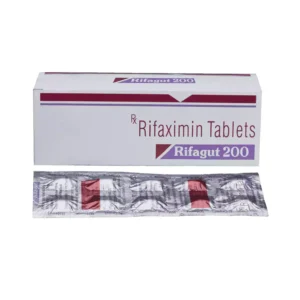
Rifagut 200 Mg (Rifaximin)
Active Ingredient Rifaximin Manufacturer Irritable bowel syndrome, Hepatic encephalopathy Packaging Sun Pharmaceutical Industries Ltd Strength 200mg, 550mg Delivery Time 6 To 15 days SKU: Rifagut 200 Mg (Rifaximin) Price range: $42.00 through $260.00Rifagut 200 Mg (Rifaximin)
Price range: $42.00 through $260.00