
HIV-AIDS Medicines: Comprehensive Treatment Support:-
Living with HIV requires consistent medical care, and access to reliable antiretroviral medications is fundamental to maintaining health and quality of life. This category provides information about HIV-AIDS treatment medicines that help manage the virus, support immune function, and enable individuals to live longer, healthier lives when used as part of a comprehensive care plan under medical supervision.
Understanding HIV and AIDS:-
Human Immunodeficiency Virus (HIV) is a virus that attacks the body’s immune system, specifically targeting CD4 cells (T cells) that help the immune system fight infections. Without treatment, HIV can progress to Acquired Immunodeficiency Syndrome (AIDS), the most severe phase of HIV infection, where the immune system is badly damaged and becomes vulnerable to opportunistic infections and certain cancers.
Modern antiretroviral therapy has transformed HIV from a life-threatening diagnosis to a manageable chronic condition. With proper treatment, people living with HIV can achieve an undetectable viral load, maintain healthy immune function, and live a normal lifespan. Early diagnosis and consistent treatment are crucial for the best health outcomes.
Types of HIV-AIDS Medicines Available:-
The HIV-AIDS category includes various classes of antiretroviral medications, each working through different mechanisms to control the virus:
Nucleoside/Nucleotide Reverse Transcriptase Inhibitors (NRTIs): These medicines block an enzyme HIV needs to make copies of itself, preventing the virus from multiplying in the body.
Non-Nucleoside Reverse Transcriptase Inhibitors (NNRTIs): This class binds to and disables the same enzyme as NRTIs but in a different way, also stopping viral replication.
Protease Inhibitors (PIs): These medications block protease, another enzyme HIV needs to replicate, preventing the virus from producing functional new particles.
Integrase Strand Transfer Inhibitors (INSTIs): These newer medicines prevent HIV from inserting its genetic material into the host cell’s DNA, stopping viral integration and replication.
Entry and Fusion Inhibitors: This class prevents HIV from entering CD4 cells in the first place, blocking the initial stage of infection.
Combination Therapies: Many modern HIV treatments combine multiple drug classes into single-tablet regimens, making daily medication simpler and improving adherence.
All HIV medicines in this category are prescription-only (Rx) medications that require healthcare provider authorization and regular medical monitoring.
How do HIV-AIDS Medicines Support Treatment?
Antiretroviral medicines work by interfering with HIV’s ability to replicate in the body. When taken consistently as prescribed, these medications:
– Reduce the amount of virus in the blood (viral load) to undetectable levels
– Allow the immune system to recover and strengthen by increasing CD4 cell counts
– Prevent progression from HIV to AIDS
– Significantly reduce the risk of HIV-related complications and opportunistic infections
– Enable HIV-positive individuals with undetectable viral loads to have effectively no risk of sexually transmitting the virus (U=U: Undetectable = Untransmittable)
Most treatment regimens involve taking a combination of medicines from different classes simultaneously. This multi-drug approach, known as combination antiretroviral therapy (cART) or highly active antiretroviral therapy (HAART), is more effective at suppressing the virus and helps prevent drug resistance.
The effectiveness of HIV treatment depends heavily on adherence—taking medications exactly as prescribed, at the same time each day, without missing doses.
Treatment Goals and Patient-Centered Benefits:-
The primary objectives of HIV treatment extend beyond viral suppression to support overall health and well-being:
Viral Suppression: Achieving and maintaining an undetectable viral load protects health and prevents transmission to others.
Immune System Restoration: Allowing CD4 cell counts to increase and immune function to improve, reducing vulnerability to infections.
Prevention of Disease Progression: Stopping HIV from advancing to AIDS and preventing HIV-related complications.
Improved Quality of Life: Enabling individuals to maintain their daily activities, relationships, and long-term life plans.
Reduced Transmission Risk: Protecting sexual partners and, for pregnant individuals, preventing mother-to-child transmission.
Longevity: With effective treatment, people with HIV can expect a near-normal life expectancy.
Modern HIV care focuses on personalized treatment plans that consider individual health status, lifestyle factors, potential side effects, and other medications to ensure the best possible outcomes.
Important Safety Information and Precautions:-
HIV medications are powerful medicines that require careful use and monitoring:
Medical Supervision Required: HIV treatment must always be prescribed and monitored by a qualified healthcare provider experienced in HIV care. Regular blood tests are necessary to track viral load, CD4 counts, and potential side effects.
Adherence is Critical: Missing doses can lead to viral resistance, making treatment less effective. Develop strategies with your healthcare team to ensure consistent medication taking.
Drug Interactions: HIV medicines can interact with many other medications, supplements, and even some foods. Always inform all healthcare providers about your complete medication list.
Side Effects: While modern HIV medications are generally well-tolerated, side effects can occur. Common ones may include nausea, fatigue, headache, or diarrhea. Serious side effects require immediate medical attention.
Pregnancy and Family Planning: Some HIV medications may not be safe during pregnancy. Discuss family planning with your healthcare provider to ensure safe treatment during conception and pregnancy.
Kidney and Liver Function: Regular monitoring of kidney and liver function is important, as some medications can affect these organs.
Resistance Testing: Before starting or changing treatment, resistance testing helps determine which medications will be most effective.
Never stop taking HIV medications without consulting your healthcare provider, even if you feel well or experience side effects. Stopping treatment can cause viral rebound and resistance.
Storage and Handling Guidelines:-
Proper storage ensures medication effectiveness and safety:
– Store medicines at the temperature specified on the label, typically at room temperature (68-77°F or 20-25°C)
– Keep bottles tightly closed to protect from moisture
– Some medications may require refrigeration—follow specific storage instructions
– Store in original containers with labels intact
– Keep out of reach of children and pets
– Protect from direct sunlight and heat
– Do not use medications past their expiration date
– Dispose of expired or unused medications properly through medication take-back programs or pharmacy disposal services
When traveling, keep medications in carry-on luggage with original prescription labels, and consider time zone changes when scheduling doses.
Professional Medical Guidance is Essential:-
HIV treatment is a specialized area of medicine requiring expert care. Your healthcare provider will:
– Conduct comprehensive health assessments, including resistance testing
– Design a personalized treatment regimen based on your specific needs
– Monitor treatment effectiveness through regular viral load and CD4 testing
– Adjust medications if needed based on side effects or resistance
– Screen for and manage other health conditions
– Provide counseling on prevention, adherence, and overall wellness
– Coordinate care with other specialists as needed
Building a trusting relationship with an experienced HIV specialist is fundamental to successful long-term treatment outcomes.
Frequently Asked Questions?
Can HIV medicines cure HIV?
Current HIV medications cannot cure the infection, but they can effectively control the virus to undetectable levels, allowing people to live long, healthy lives and preventing transmission to others.
What happens if I miss a dose of my HIV medication?
Take the missed dose as soon as you remember, unless it’s almost time for your next dose. Never double up doses. Contact your healthcare provider if you frequently miss doses, as this can lead to drug resistance.
How long does it take for HIV treatment to work?
Most people achieve an undetectable viral load within 3-6 months of starting treatment, though this varies by individual and treatment regimen. Regular monitoring tracks your progress.
Medical Disclaimer:-
This content is provided for educational and informational purposes only. It is not intended as medical advice, diagnosis, or treatment recommendation. HIV is a serious medical condition requiring specialized professional care. Always consult qualified healthcare providers for personalized medical guidance, diagnosis, and treatment decisions. Never disregard professional medical advice or delay seeking care because of information found on this website. All HIV medications require a valid prescription from a licensed healthcare provider and should only be used under medical supervision with regular monitoring.
Explore quality-assured generic medicines in the HIV-AIDS category at GenericMedsKart, with secure packaging and discreet delivery.
-
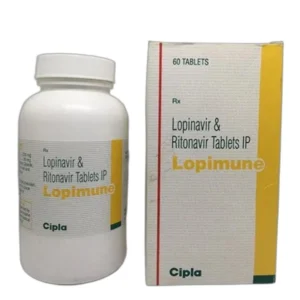
Lopimune (Lopinavir & Ritonavir)
Active Ingredient Lopinavir/Ritonavir Manufacturer Cipla Limited Packaging 60 Tablets in bottle Delivery Time 6 To 15 days SKU: Lopimune (Lopinavir/Ritonavir) – 200mg / 50 Mg Price range: $180.00 through $540.00Lopimune (Lopinavir & Ritonavir)
Price range: $180.00 through $540.00 -
MyHep All (Sofosbuvir & Velpatasvir)
Active Ingredient Sofosbuvir/Velpatasvir Manufacturer Mylan Pharmaceuticals Packaging 28 tablets in 1 bottle Delivery Time 6 To 15 days SKU: MyHep All (Sofosbuvir/Velpatasvir) – 400mg/100 Mg Price range: $300.00 through $870.00MyHep All (Sofosbuvir & Velpatasvir)
Price range: $300.00 through $870.00 -
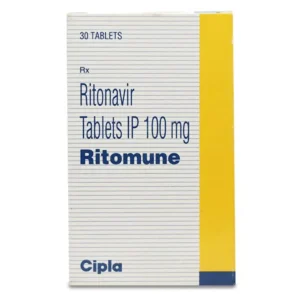
Ritomune (Ritonavir) – 100 Mg
Active Ingredient Ritonavir Manufacturer Cipla Limited Packaging 60 Tablets in 1 box Strength 100gm Delivery Time 6 To 15 days SKU: Ritomune (Ritonavir) – 100 Mg Price range: $90.00 through $240.00Ritomune (Ritonavir) – 100 Mg
Price range: $90.00 through $240.00 -

Tenvir (Tenofovir) – 300 Mg
Active Ingredient Tenofovir Manufacturer Cipla Limited Packaging 30 Tablets in bottle Strength 300mg Delivery Time 6 To 15 days SKU: Tenvir (Tenofovir) – 300 Mg Price range: $115.00 through $360.00Tenvir (Tenofovir) – 300 Mg
Price range: $115.00 through $360.00 -

Lamivir 100 Mg (Lamivudine)
Active Ingredient Lamivudine Manufacturer Cipla Limited Packaging 10 tablets in 1 strip Strength 100mg, 150mg Delivery Time 6 To 15 days SKU: Lamivir HBV 100 Mg (Lamivudine) Price range: $45.00 through $130.00Lamivir 100 Mg (Lamivudine)
Price range: $45.00 through $130.00 -

Isentress 400 Mg (Raltegravir)
Active Ingredient Raltegravir Manufacturer MSD Pharmaceuticals India Pvt. Ltd. Packaging 60 tablets in 1 bottle Strength 400mg Delivery Time 6 To 15 days SKU: Isentress 400 Mg (Raltegravir) Price range: $247.00 through $720.00Isentress 400 Mg (Raltegravir)
Price range: $247.00 through $720.00 -

HepBest (Tenofovir Alafenamide) – 25 Mg
Active Ingredient Lamivudine Manufacturer Cipla Limited Packaging 10 tablets in 1 strip Strength 100mg Delivery Time 6 To 15 days SKU: HepBest (Tenofovir Alafenamide) – 25 Mg Price range: $160.00 through $470.00HepBest (Tenofovir Alafenamide) – 25 Mg
Price range: $160.00 through $470.00 -

Entavir 0.5 Mg (Entecavir)
Active Ingredient Entecavir Manufacturer Cipla Limited Packaging 10 tablets in 1 strip Strength 1mg Delivery Time 6 To 15 days SKU: Entavir (Entecavir) – 0.5 Mg Price range: $115.00 through $630.00Entavir 0.5 Mg (Entecavir)
Price range: $115.00 through $630.00
