Jaundice Medicines: Supporting Liver Health and Recovery:-
Jaundice is a medical condition characterized by yellowing of the skin and eyes, caused by elevated levels of bilirubin in the blood. This category features medicines and supportive treatments designed to address the underlying causes of jaundice, support liver function, and help manage associated symptoms. These medications work in conjunction with proper medical diagnosis and comprehensive care to promote recovery and restore normal liver health.
Understanding Jaundice and Its Causes:-
Jaundice occurs when bilirubin—a yellow pigment produced during the normal breakdown of red blood cells—accumulates in the body. While jaundice itself is a symptom rather than a disease, it indicates an underlying condition affecting the liver, bile ducts, or red blood cell turnover.
Common causes include hepatitis (viral liver inflammation), liver cirrhosis, bile duct obstruction, hemolytic anemia, and certain genetic conditions affecting bilirubin processing. In newborns, physiological jaundice is relatively common and often resolves naturally, though some cases require medical intervention.
The severity and treatment approach depend on the underlying cause, bilirubin levels, and individual patient factors. Early diagnosis through blood tests and imaging studies is essential for appropriate management.
Types of Medicines Available in This Category:-
This category encompasses several types of medications used to treat jaundice-related conditions:
Hepatoprotective Agents: These medicines help protect liver cells from damage and support regeneration. They contain active ingredients that reduce oxidative stress and promote healthy liver function during recovery from hepatitis or other liver injuries.
Ursodeoxycholic Acid (UDCA): A bile acid medication used to dissolve certain types of gallstones, improve bile flow, and treat cholestatic liver conditions that may cause jaundice.
Antiviral Medications: For jaundice caused by viral hepatitis (Hepatitis A, B, or C), specific antiviral agents target the virus to reduce liver inflammation and prevent further damage.
Corticosteroids and Immunosuppressants: In cases of autoimmune hepatitis or severe liver inflammation, these medications help reduce immune system activity that damages liver tissue.
Nutritional Supplements: Liver-supporting vitamins and minerals, including vitamin K, B-complex vitamins, and antioxidants that aid in liver repair and function.
How These Medicines Support Treatment?
Medicines for jaundice work through various mechanisms depending on the underlying cause. Hepatoprotective agents stabilize liver cell membranes and enhance the liver’s natural detoxification processes, helping damaged cells recover more effectively.
Bile acid medications improve the flow of bile from the liver, reducing bilirubin accumulation and relieving symptoms. Antiviral drugs specifically target hepatitis viruses, reducing viral replication and allowing the liver to heal from inflammation.
Immunosuppressive medications decrease autoimmune attacks on liver tissue, while nutritional supplements provide essential cofactors for liver enzyme function and cellular repair. These treatments often work best when combined with appropriate dietary modifications, adequate rest, and avoidance of hepatotoxic substances like alcohol.
The effectiveness of treatment depends on early diagnosis, correct identification of the underlying cause, and adherence to the prescribed therapeutic regimen.
Treatment Goals and Patient Benefits:-
The primary goals when treating jaundice include:
Reducing Bilirubin Levels: Bringing elevated bilirubin back to normal ranges to eliminate yellowing and prevent complications such as kernicterus in severe cases.
Addressing the Root Cause: Treating the underlying liver disease, infection, or obstruction rather than just masking symptoms.
Protecting Liver Function: Preventing further liver damage and supporting the organ’s natural regenerative capacity.
Symptom Relief: Reducing associated symptoms such as itching (pruritus), fatigue, abdominal discomfort, and digestive issues.
Preventing Complications: Avoiding serious outcomes like liver failure, chronic liver disease, or permanent scarring (cirrhosis).
Patients typically experience gradual improvement in skin and eye discoloration, increased energy levels, better appetite, and improved overall well-being as treatment progresses.
Important Safety Information and Precautions:-
Medications for jaundice should only be used under proper medical supervision. Self-diagnosis and self-treatment can be dangerous, as jaundice may indicate serious underlying conditions requiring urgent intervention.
Before starting treatment, inform your healthcare provider about all medications, supplements, and herbal products you’re taking, as drug interactions can affect liver function or medication effectiveness.
Monitor for side effects as directed by your doctor. Some liver medications may cause gastrointestinal upset, headaches, or allergic reactions. Report any new or worsening symptoms promptly.
Regular blood tests are typically necessary to monitor liver function, bilirubin levels, and medication response. Follow your doctor’s schedule for laboratory monitoring.
Avoid alcohol completely during treatment, as it places additional stress on the liver and can interfere with healing.
Pregnancy and breastfeeding: Many liver medications require special consideration during pregnancy. Always consult your healthcare provider if you’re pregnant, planning pregnancy, or nursing.
Certain populations, including those with kidney disease, other chronic conditions, or those taking multiple medications, may require dose adjustments or alternative treatments.
Professional Medical Guidance is Essential:-
Jaundice always requires professional medical evaluation to determine its cause and appropriate treatment. While mild cases may resolve with supportive care, moderate to severe jaundice or jaundice accompanied by other symptoms (fever, severe abdominal pain, confusion, or bleeding) requires immediate medical attention.
A healthcare provider will conduct necessary tests—including blood work, liver function panels, imaging studies (ultrasound, CT scan), and possibly liver biopsy—to identify the underlying condition.
Treatment plans are individualized based on the specific diagnosis, severity, patient age, overall health status, and presence of complications. Regular follow-up appointments ensure treatment effectiveness and allow for adjustments as needed.
Never alter medication dosages or discontinue treatment without consulting your doctor, as premature discontinuation may lead to disease recurrence or worsening liver damage.
Storage and Handling Guidelines:-
Store all jaundice medications according to package instructions, typically at room temperature away from moisture, heat, and direct sunlight. Some liquid formulations may require refrigeration—check the label carefully.
Keep medications in their original containers with intact labels to avoid confusion and ensure you have access to important information about the medicine.
Store all medications securely out of reach of children and pets. Many liver medications can be harmful if taken accidentally or in incorrect doses.
Check expiration dates regularly and dispose of expired medications properly through medication take-back programs or as directed by your pharmacist. Do not flush medications down the toilet unless specifically instructed.
If you’re traveling, keep medications in carry-on luggage with original prescription labels, and be aware of storage conditions during transit.
Frequently Asked Questions?
Q: How long does it take for jaundice to clear with medication?
The timeline varies depending on the underlying cause. Viral hepatitis may take several weeks to months, while jaundice from bile duct obstruction may improve within days after the blockage is removed. Your doctor will provide specific expectations based on your diagnosis.
Q: Can I take over-the-counter supplements for liver health along with prescribed medications?
Always consult your healthcare provider before adding any supplements. Some herbal products can interact with prescription medications or may be inappropriate for certain liver conditions.
Q: Do I need to follow a special diet while treating jaundice?
Most cases benefit from a balanced, nutritious diet with adequate protein, reduced fat intake, and complete avoidance of alcohol. Your doctor may recommend specific dietary modifications based on your condition.
Medical Disclaimer:-
This content is for informational and educational purposes only and should not be considered medical advice, diagnosis, or treatment recommendations. Jaundice can indicate serious medical conditions requiring professional evaluation and management.
Always consult qualified healthcare professionals before starting, stopping, or modifying any treatment. The information provided does not replace the expertise and judgment of your doctor, pharmacist, or other healthcare provider.
Individual results may vary based on underlying causes, disease severity, overall health status, and treatment adherence. Medication effectiveness and safety profiles differ among patients.
In case of medical emergency or severe symptoms (high fever, severe abdominal pain, confusion, bleeding, or rapidly worsening jaundice), seek immediate medical attention.
Prescription medications must be obtained with a valid prescription from a licensed healthcare provider. Follow all prescribing information, warnings, and precautions provided with your medications.
-
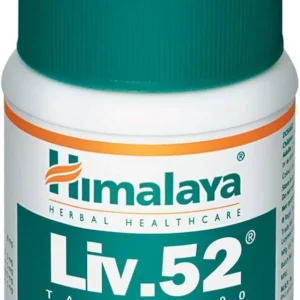
Liv 52 (Ayurvedic)
Active Ingredient Ayurvedic Manufacturer Himalaya Drug Company Packaging 52 Tablets in Bottle Delivery Time 6 To 15 days SKU: Liv 52 (Ayurvedic) Price range: $6.00 through $14.00Liv 52 (Ayurvedic)
Price range: $6.00 through $14.00