Pain Management Medicines
Understanding Pain and Its Treatment
Pain is a common health concern that can affect daily activities, mobility, and overall quality of life. It may be short-term (acute), long-lasting (chronic), mild, or severe, depending on the underlying cause. Effective pain management focuses on reducing discomfort, improving function, and addressing the root cause whenever possible.
The Pain category includes medicines commonly used to help manage different types of pain under appropriate medical guidance. These medicines are selected based on the type, intensity, and duration of pain, as well as individual patient needs.
Medical Conditions Covered in This Category
Medicines in the Pain category may be used to help manage discomfort associated with:
- Muscle and joint pain
- Back and neck pain
- Arthritis and inflammatory conditions
- Post-surgical or injury-related pain
- Nerve-related (neuropathic) pain
- Headaches and migraines
- Chronic pain conditions
Proper diagnosis is important, as pain can be a symptom of various underlying medical conditions.
Types of Medicines Included-
This category may include different classes of pain-relief medicines, such as:
- Non-opioid pain relievers
- Anti-inflammatory medicines
- Muscle relaxants
- Neuropathic pain medicines
- Combination therapies
- Supportive medicines for chronic pain management
These medicines may be available in oral forms (tablets, capsules), topical preparations, or other dosage forms, depending on the treatment plan.
How Pain Medicines Work (General Overview)?
Pain-relief medicines work in different ways, depending on their type:
- Reducing inflammation that contributes to pain
- Blocking pain signals sent to the brain
- Relaxing muscles to ease discomfort
- Modulating nerve activity in nerve-related pain
In many cases, pain management involves a combination of medicines along with non-drug approaches such as physical therapy or lifestyle adjustments, as advised by a healthcare professional.
Treatment Goals and Patient-Focused Benefits:-
The main goals of pain management include:
Reducing pain intensity
Improving movement and daily functioning
Supporting recovery from injury or illness
Enhancing comfort and quality of life
Preventing pain from becoming long-term or disabling
Treatment outcomes vary depending on the cause of pain and the individual’s response to therapy.
Safety Information and General Precautions:-
When using pain medicines, it is important to keep the following in mind:
- Always follow the prescribed dose and schedule
- Long-term or frequent use may require medical monitoring
- Some pain medicines may interact with other drugs
- Side effects can occur and should be reported to a doctor
- Avoid combining pain medicines without professional advice
Never increase the dose or duration of use without consulting a healthcare provider.
Importance of Medical Advice:-
Pain medicines may be available as prescription (Rx), over-the-counter (OTC), or a combination of both, depending on the product. Even OTC pain relievers should be used responsibly, especially in chronic conditions or alongside other treatments. Professional medical guidance helps ensure safe and effective pain management.
Storage and Handling Guidance:-
General storage recommendations include:
Store medicines at room temperature unless stated otherwise
Keep away from heat, moisture, and direct sunlight
Do not use medicines past their expiry date
Keep all medicines out of reach of children
Follow special storage instructions for topical or liquid medicines
Always read the storage instructions provided on the medicine label or package.
Frequently Asked Questions (FAQs)?
1. Can pain medicines be used for long-term pain?
Some pain medicines may be used long-term under medical supervision, especially for chronic conditions. Regular review by a healthcare provider is important.
2. Are all pain medicines safe to take daily?
Not all pain medicines are suitable for daily use. The safety depends on the medicine, dose, and individual health factors.
3. Can I combine different pain medicines?
Combining pain medicines should only be done if advised by a healthcare professional, as interactions may occur.
4. Do pain medicines treat the cause of pain?
Most pain medicines help relieve symptoms. Treating the underlying cause often requires additional medical evaluation and treatment.
Medical & Prescription Disclaimer:-
The information provided in this category is for educational purposes only and is not a substitute for professional medical advice. Pain management medicines should be used only as directed by a qualified healthcare professional. Always consult your doctor or pharmacist regarding diagnosis, treatment options, and appropriate medicine use.
-
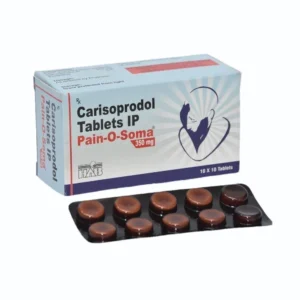
Pain O Soma 350 Mg
Active Ingredient Carisoprodol Manufacturer HAB Pharma Packaging 10 Tablets in a strip Strength 350 Mg, 500 Mg Delivery Time 6 To 15 days SKU: Pain O Soma 350 Mg Price range: $70.00 through $180.00Pain O Soma 350 Mg
Price range: $70.00 through $180.00 -
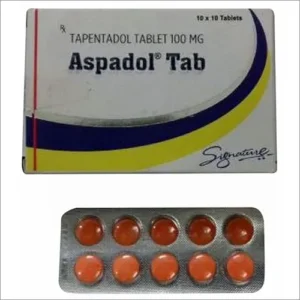
Aspadol 100 Mg
Active Ingredient Tapentadol Manufacturer Signature Pharmaceuticals Packaging 10 tablets in 1 strip Strength 100 Mg Delivery Time 6 To 15 days SKU: Aspadol 100 Mg Price range: $246.00 through $1,798.00Aspadol 100 Mg
Price range: $246.00 through $1,798.00