
Rheumatoid Arthritis Medicines
Understanding Rheumatoid Arthritis and Its Management
Rheumatoid Arthritis (RA) is a chronic autoimmune disorder that primarily affects the joints, causing inflammation, pain, stiffness, and reduced mobility. Over time, it can lead to joint damage and impactthe overall quality of life.
Treatment aims to reduce inflammation, relieve pain, prevent joint damage, and improve daily functioning. Medicines play a critical role in managing RA under the supervision of qualified healthcare providers.
This category includes prescription and doctor-recommended generic medicines commonly used to manage RA symptoms and slow disease progression.
Health Conditions Covered
Medicines in this category are used to manage:
- Rheumatoid Arthritis
- Juvenile Idiopathic Arthritis
- Psoriatic Arthritis (as advised by a doctor)
- Autoimmune joint inflammation
- Associated systemic symptoms such as fatigue and mild fever
- Treatment plans vary based on disease severity, age, and overall health of the patient.
Types of Medicines Included
Rheumatoid Arthritis treatment often involves multiple medicine classes, including:
- Non-steroidal Anti-inflammatory Drugs (NSAIDs) – for pain and inflammation
- Disease-Modifying Anti-Rheumatic Drugs (DMARDs) – to slow disease progression
- Biologic DMARDs – targeted therapy for advanced RA
- Corticosteroids – for acute inflammation control
- Supportive medicines – supplements for joint health or bone protection
- These medicines may be available in tablet, capsule, injection, or infusion forms depending on the prescribed treatment.
How These Medicines Work (General Overview)
RA medicines work in different ways:
- Reduce joint inflammation and swelling
- Suppress the abnormal immune response causing joint damage
- Protect bones and cartilage from further deterioration
- Relieve pain and improve daily mobility
- A combination of therapies is often used for optimal disease management, tailored to individual patient needs.
Treatment Goals and Patient Benefits
The main goals of RA treatment include:
- Controlling inflammation and reducing pain
- Slowing or preventing joint damage
- Improving joint function and mobility
- Enhancing quality of life for long-term management
- Supporting overall patient well-being
Safety Tips and General Precautions
RA medicines may have side effects or require monitoring. Patients should:
- Follow prescribed doses exactly
- Attend regular check-ups and lab tests
- Report any unusual symptoms to a healthcare provider immediately
- Avoid self-adjusting or discontinuing therapy without medical guidance
- Importance of Professional Medical Advice
All medicines in this category are prescription-based (Rx) and must be used under medical supervision. Self-medication can lead to serious health risks and is strongly discouraged.
Storage and Handling Guidance
- Store medicines according to the manufacturer’s instructions
- Keep away from moisture, heat, and direct sunlight
- Do not use expired medicines
- Keep out of reach of children and pets
- Follow any special instructions for injectable or sensitive medications
Frequently Asked Questions (FAQs)
1. Can RA be completely cured?
Rheumatoid Arthritis is a chronic condition. Medicines help control symptoms and slow disease progression, but there is currently no guaranteed cure.
2. Are RA medicines safe for long-term use?
With regular monitoring and medical supervision, many RA medicines are safe for long-term management.
3. Can I take RA medicines without a prescription?
No. All medicines in this category require a valid prescription and supervision by a qualified healthcare provider.
4. Do all RA patients receive the same treatment?
No. Treatment is personalized based on disease severity, patient health, and response to therapy.
Medical & Prescription Disclaimer:-
The information provided is for educational purposes only and does not replace professional medical advice. RA medicines should only be used as prescribed by a licensed healthcare provider. Always consult your doctor for diagnosis, treatment options, and medication guidance.
-

Cyclophil Me 25mg (Cyclosporine)
Active Ingredient Cyclosporine Manufacturer Biocon Limited Packaging 5 capsules in 1 strip, 6 capsules in 1 strip Strength 25mg, 50mg, 100mg Delivery Time 6 To 15 days SKU: Cyclophil Me 25mg (Cyclosporine) Price range: $21.00 through $200.00Cyclophil Me 25mg (Cyclosporine)
Price range: $21.00 through $200.00 -

Imutrex 2.5 Mg (Methotrexate)
Active Ingredient Methotrexate Manufacturer Cipla Limited Packaging 10 tablets in 1 strip Strength 2.5 Mg, 7.5 Mg, 10 Mg Delivery Time 6 To 15 days SKU: Imutrex 2.5 Mg (Methotrexate) Price range: $27.00 through $195.00Imutrex 2.5 Mg (Methotrexate)
Price range: $27.00 through $195.00 -
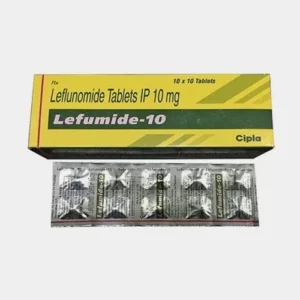
Lefumide 10 Mg (Leflunomide)
Active Ingredient Leflunomide Manufacturer Cipla Limited Packaging 10 tablets in 1 strip Strength 10 Mg Delivery Time 6 to 15 days SKU: Lefumide 10 Mg (Leflunomide) Price range: $28.00 through $201.00Lefumide 10 Mg (Leflunomide)
Price range: $28.00 through $201.00