Skin Infection Medicines – Safe, Informed Treatment Options:-
Skin infections are common medical conditions that may develop when bacteria, fungi, or other microorganisms enter the skin through cuts, abrasions, or weakened skin barriers. The Skin Infection category at GenericMedsKart provides access to quality-assured generic medicines intended to support treatment under appropriate medical guidance.
All medicines in this category are offered in accordance with established pharmaceutical standards and should be used responsibly, following advice from a qualified healthcare professional.
Understanding Skin Infections:-
Skin infections can affect people of all ages and may range from mild to more complex conditions requiring prescription treatment. They may involve the surface of the skin or deeper layers and can occur anywhere on the body.
Common types of skin infections include:
Bacterial skin infections (such as impetigo or cellulitis)
Fungal skin infections (including ringworm or athlete’s foot)
Mixed or secondary infections following skin injury or irritation
Proper diagnosis is important, as treatment depends on the type and severity of infection.
Types of Medicines Included in This Category:-
The Skin Infection category may include different forms of medicines prescribed or recommended based on the condition:
Topical Medicines-
Creams, ointments, gels, or lotions are applied directly to the affected area to target localized infections.
Oral Medicines-
Tablets or capsules are used when infections are more widespread or do not respond adequately to topical therapy.
Combination Therapies-
In certain cases, healthcare providers may recommend a combination of topical and oral treatments for effective management.
Prescription Type: This category may include Rx (Prescription) medicines, OTC (Over-the-Counter) options, or a combination, depending on the formulation and regulatory guidelines.
How Skin Infection Medicines Work (General Overview)?
Skin infection medicines work in different ways depending on the cause of the infection:
Antibacterial medicines help limit or eliminate bacterial growth
Antifungal medicines work by disrupting fungal cell structures
Anti-inflammatory components (when included) may help reduce redness, itching, or discomfort
These medicines are designed to support the body’s natural healing process when used as directed.
Treatment Goals and Patient-Focused Benefits:-
Appropriate treatment for skin infections aims to:
Control the spread of infection
Reduce symptoms such as redness, swelling, and irritation
Promote healing of affected skin
Lower the risk of complications or recurrence
Early medical attention often supports better outcomes and faster recovery.
Safety Information and General Precautions:-
When using medicines for skin infections:
Follow the prescribed dosage and duration strictly
Avoid applying topical products to broken skin unless advised
Do not share medicines with others
Inform your healthcare provider about allergies or other ongoing treatments
If symptoms worsen or do not improve, seek medical advice promptly.
Importance of Professional Medical Guidance:-
Skin conditions can appear similar but may require very different treatments. Consulting a qualified healthcare professional helps ensure:
Accurate diagnosis
Appropriate medicine selection
Safe and effective use
Self-diagnosis and unsupervised treatment may delay recovery or increase the risk of complications.
Storage and Handling Instructions:-
Store medicines at room temperature unless otherwise directed
Keep away from heat, moisture, and direct sunlight
Ensure containers are tightly closed after use
Keep out of reach of children and pets
Always check the product label for specific storage instructions.
Frequently Asked Questions (FAQs)?
1. Are all skin infections treated the same way?
No. Treatment depends on whether the infection is bacterial, fungal, or mixed, and on its severity.
2. Can skin infections heal without medicine?
Some mild cases may improve, but medical evaluation is important to prevent worsening or spread.
3. How long does treatment usually take?
Duration varies based on the type of infection and response to treatment. Always complete the prescribed course.
4. Are topical medicines always sufficient?
Not always. More severe or widespread infections may require oral treatment.
Medical and Prescription Disclaimer:-
The information provided on this page is for educational purposes only and is not intended as a substitute for professional medical advice, diagnosis, or treatment. Always consult a licensed healthcare provider before starting or changing any medication. Prescription medicines should only be used under medical supervision.
-

Imiquimod Cream 5% (Imiquad Cream) 12.5 Mg Sachet
Active Ingredient Imiquimod Manufacturer Glenmark Pharmaceuticals Ltd. Packaging 0.25 gm in 1 sachet Strength 12.5mg Delivery Time 6 To 15 days SKU: Imiquad Sachet (Imiquimod) – 12.5 Mg Price range: $75.00 through $216.00Imiquimod Cream 5% (Imiquad Cream) 12.5 Mg Sachet
Price range: $75.00 through $216.00 -

Cutisoft Cream (Hydrocortisone)
Active Ingredient Hydrocortisone Manufacturer Ipca Laboratories Ltd Packaging 10 gm in 1 tube Strength 1% Delivery Time 6 to 15 days SKU: Cutisoft Cream (Hydrocortisone) Price range: $12.00 through $32.00Cutisoft Cream (Hydrocortisone)
Price range: $12.00 through $32.00 -

Alokem Gel (Aloe Vera)
Active Ingredient Aloe Vera Manufacturer Alkem Laboratories Ltd Packaging 50g in Tube Strength 50gm Delivery Time 6 To 15 days SKU: Alokem Gel (Aloe Vera) Price range: $8.00 through $39.00Alokem Gel (Aloe Vera)
Price range: $8.00 through $39.00 -

B-Bact Ointment 5 GM (Mupirocin)
Active Ingredient Mupirocin Manufacturer Wallace Pharmaceuticals Pvt. Ltd. Packaging 5 gm in 1 tube Strength 5gm Delivery Time 6 to 15 days SKU: B-Bact Ointment 5 GM (Mupirocin) Price range: $4.00 through $21.00B-Bact Ointment 5 GM (Mupirocin)
Price range: $4.00 through $21.00 -

Betnovate C Cream
Active Ingredient Betamethasone + Clioquinol (Iodochlorhydroxyquin) Manufacturer Glaxo SmithKline Pharmaceuticals, India Packaging 30 gm in 1 Tube Strength 30 Gm Delivery Time 6 To 15 days SKU: Betnovate C Cream Price range: $17.00 through $51.00Betnovate C Cream
Price range: $17.00 through $51.00 -

Betnovate N Cream
Active Ingredient Betamethasone 0.1 + Neomycin-0.5 Manufacturer Glaxo SmithKline Pharmaceuticals Ltd Packaging 20 gm in 1 tube Strength 20 gm Delivery Time 6 To 15 days SKU: Betnovate N Cream Price range: $12.00 through $35.00Betnovate N Cream
Price range: $12.00 through $35.00 -

Candid B Cream 10 Gm (Clotrimazole & Beclomethasone)
Active Ingredient Clotrimazole/Beclometasone Manufacturer Glenmark Pharmaceuticals Ltd. Packaging Available in 10g, 20g & 30g Tube Strength 10g Delivery Time 6 to 15 days SKU: Candid B Cream 10 Gm (Clotrimazole/Beclometasone) Price range: $4.00 through $20.00Candid B Cream 10 Gm (Clotrimazole & Beclomethasone)
Price range: $4.00 through $20.00 -
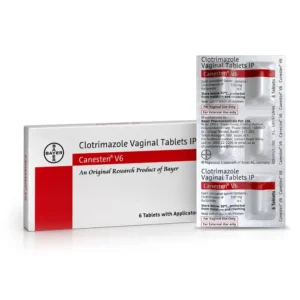
Canesten V6 (Clotrimazole)
Active Ingredient Clotrimazole Manufacturer Bayer Zydus Pharma Packaging 6 tablets in 1 packet Strength 100 Mg Delivery Time 6 To 15 days SKU: Canesten V6 (Clotrimazole) Price range: $12.00 through $33.00Canesten V6 (Clotrimazole)
Price range: $12.00 through $33.00 -
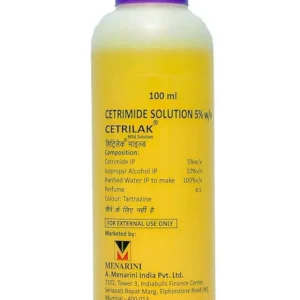
Cetrilak Mild Solution (Cetrimide)
Active Ingredient Cetrimide Manufacturer Menarini India Pvt Ltd Packaging 100ml in bottle Strength 5% Delivery Time 6 To 15 days SKU: Cetrilak Mild Solution (Cetrimide) Price range: $3.00 through $17.00Cetrilak Mild Solution (Cetrimide)
Price range: $3.00 through $17.00 -
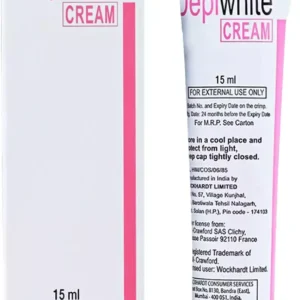
Depiwhite Cream (Hydroquinone & Combination)
Active Ingredient Hydroquinone & Combination Manufacturer Wockhardt Ltd Packaging 15 ml in cream Strength 15ml Delivery Time 6 To 15 days SKU: Depiwhite Cream (Hydroquinone & Combination) Price range: $12.00 through $63.00Depiwhite Cream (Hydroquinone & Combination)
Price range: $12.00 through $63.00 -

Daktarin Gel (Miconazole)
Active Ingredient Miconazole Manufacturer Janssen Pharmaceuticals, India Packaging 20 gm in 1 tube Strength 2% Delivery Time 6 To 15 days SKU: Daktarin Gel (Miconazole) Price range: $5.00 through $26.00Daktarin Gel (Miconazole)
Price range: $5.00 through $26.00 -

Desowen Cream (Desonide)
Active Ingredient Desonide Manufacturer Galderma India Pvt Ltd Packaging 10 gm in 1 tube Strength 0.05% Delivery Time 6 to 15 days SKU: Desowen Cream (Desonide) Price range: $4.00 through $21.00Desowen Cream (Desonide)
Price range: $4.00 through $21.00