
Aerocort Inhaler (Beclometasone & Levosalbutamol)
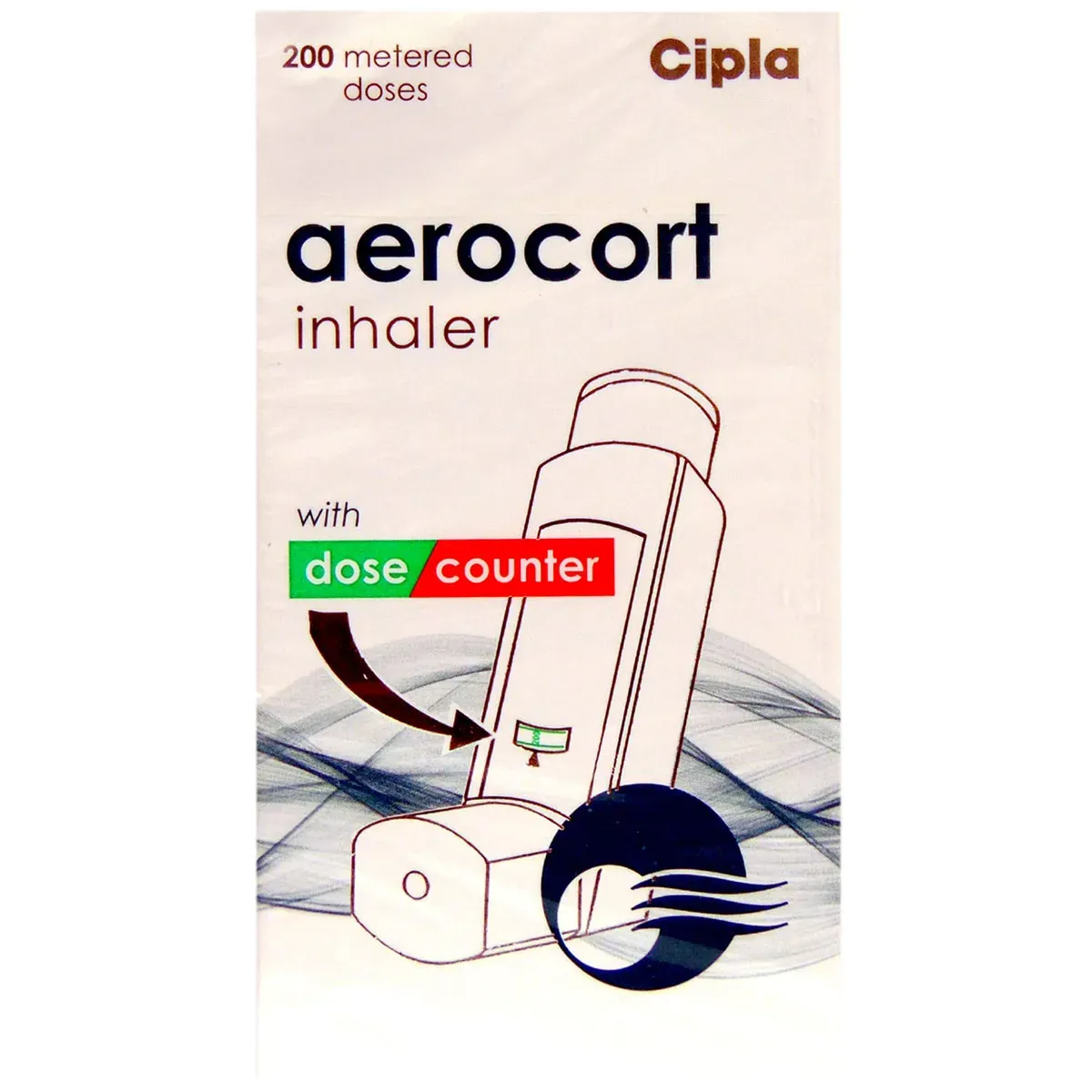
Price range: $30.00 through $80.00
| Active Ingredient | Beclometasone/Levosalbutamol |
|---|---|
| Manufacturer | Cipla Limited |
| Packaging | 200 MDI in 1 packet |
| Strength | 50mcg |
| Delivery Time | 6 To 15 days |
| SKU: | Aerocort Inhaler (Beclometasone/Levosalbutamol) |
Ultimate Guide to Aerocort Inhaler (Beclometasone & Levosalbutamol): Uses, Benefits, Side Effects, and How to Use
Breathing should be natural and effortless. However, for millions living with respiratory conditions such as asthma and Chronic Obstructive Pulmonary Disease (COPD), taking a full, satisfying breath can often feel like a daily challenge. Sudden chest tightness, persistent wheezing, relentless coughing, and shortness of breath can interrupt work, exercise, sleep, and overall quality of life.
When respiratory airways become inflamed and constricted, effective management requires a dual approach: calming the underlying inflammation while immediately opening narrowed air passages.
This is where Aerocort Inhaler (Beclometasone & Levosalbutamol) serves as an indispensable combination therapy. By pairing a potent anti-inflammatory corticosteroid with a fast-acting, targeted bronchodilator, this inhaler delivers comprehensive relief directly to the lungs.
In this detailed, human-centered guide, we will explore everything you need to know about Aerocort Inhaler (Beclometasone & Levosalbutamol). From its active ingredient mechanism and medical uses to step-by-step inhalation instructions, potential side effects, safety precautions, and lifestyle tips, this comprehensive resource covers all the essential details to help you breathe easier and manage your lung health confidently.
What is Aerocort Inhaler (Beclometasone & Levosalbutamol)?
Aerocort Inhaler (Beclometasone & Levosalbutamol) is a prescription combination inhalation therapy widely prescribed for managing reversible obstructive airway diseases. Manufactured by Cipla Ltd., this pressurized metered-dose inhaler (pMDI) combines two distinct active pharmaceutical ingredients into a single device for targeted pulmonary delivery.
Instead of relying on multiple individual inhalers, patients receive two complementary therapeutic agents in every puff:
-
Beclometasone Dipropionate: An inhaled corticosteroid (ICS) that targets mucosal swelling and hyper-responsiveness inside the bronchial tubes.
-
Levosalbutamol (also known as Levalbuterol): A short-acting selective beta-2 adrenergic agonist (SABA) that rapidly relaxes tight smooth muscles surrounding the airways.
Product Overview and Key Specifications
| Attribute | Specification Details |
| Active Ingredients | Beclometasone Dipropionate & Levosalbutamol |
| Therapeutic Class | Anti-inflammatory Corticosteroid + Bronchodilator Combination |
| Primary Indications | Asthma, Chronic Obstructive Pulmonary Disease (COPD), Bronchitis |
| Delivery Mechanism | Pressurized Metered-Dose Inhaler (pMDI) |
| Onset of Action | Within 3 to 5 minutes (via Levosalbutamol) |
| Target Area | Direct topical delivery to bronchial airways |
| Habit-Forming | No |
By delivering these agents directly into the respiratory tract, Aerocort Inhaler (Beclometasone & Levosalbutamol) maximizes local therapeutic effects while minimizing systemic side effects throughout the rest of the body.
How Does Aerocort Inhaler Work? The Dual-Action Synergy
The exceptional efficacy of Aerocort Inhaler (Beclometasone & Levosalbutamol) lies in its synergistic, dual-action mechanism. Asthma and COPD involve two distinct physiological issues: structural inflammation (swelling and excess mucus) and functional bronchospasm (muscle constriction). Addressing only one leaves the patient vulnerable to recurring breathing difficulty.
+-----------------------------------------------------------------------+
|            AEROCORT INHALER DUAL-ACTION PULMONARY MATRIX              |
+------------------------------------+----------------------------------+
|      BECLOMETASONE DIPROPIONATE    |          LEVOSALBUTAMOL          |
|      (Inhaled Corticosteroid)      |    (Selective Beta-2 Agonist)   |
+------------------------------------+----------------------------------+
| • Reduces airway inflammation      | • Targets beta-2 receptors in    |
| • Decreases mucosal swelling       |   bronchial smooth muscles       |
| • Inhibits inflammatory cytokines  | • Induces rapid muscle relaxation|
| • Suppresses hyper-reactivity      | • Opens constricted airways      |
| • Reduces excess mucus production  | • Provides quick relief within   |
|   for long-term control            |   3 to 5 minutes                 |
+------------------------------------+----------------------------------+
1. The Role of Beclometasone Dipropionate (Preventative Control)
Beclometasone is a synthetic corticosteroid with potent anti-inflammatory properties. When inhaled, it deposits on the mucosal lining of the bronchial walls.
-
Inhibition of Inflammatory Mediators: It suppresses the release and activity of inflammatory cells and cytokines, including mast cells, eosinophils, basophils, and lymphocytes.
-
Reduction of Vascular Permeability: By tightening leaky capillaries in the airway lining, it reduces tissue edema (swelling) and fluid accumulation.
-
Mucus Suppression: It decreases hyper-secretion of thick mucus that can clog small airways.
-
Sensitivity Reduction: Over time, Beclometasone makes the bronchial tree far less reactive to external triggers such as cold air, dust, pollen, and smoke.
2. The Role of Levosalbutamol (Rapid Relief)
Levosalbutamol is the single, isolated (R)-enantiomer of racemic salbutamol. It is the pharmacologically active component responsible for bronchodilation without the unnecessary presence of the (S)-enantiomer, which can contribute to unwanted side effects like tremors or racing heartbeats.
-
Beta-2 Receptor Binding: Levosalbutamol selectively binds to beta-2 adrenergic receptors on the smooth muscles surrounding the bronchial tubes.
-
Adenylate Cyclase Activation: This binding triggers an intracellular enzyme cascade that increases cyclic adenosine monophosphate (cAMP).
-
Smooth Muscle Relaxation: Higher cAMP levels decrease intracellular calcium, causing tight bronchial muscles to relax almost instantly.
-
Rapid Opening: Air passages widen within 3 to 5 minutes, allowing air to flow freely into and out of the alveoli.
Together, the Levosalbutamol in Aerocort Inhaler (Beclometasone & Levosalbutamol) provides rapid symptom control, while Beclometasone builds up long-term protection against future asthma attacks.
Primary Medical Uses and Indications
Healthcare professionals prescribe Aerocort Inhaler (Beclometasone & Levosalbutamol) for managing several acute and chronic respiratory disorders.
1. Bronchial Asthma
Asthma is a chronic condition characterized by airway hyper-reactivity, persistent inflammation, and episodic bronchospasms. Triggered by exercise, allergens, stress, or weather changes, asthma attacks lead to wheezing, chest tightness, and severe coughing. Aerocort Inhaler (Beclometasone & Levosalbutamol) calms airway hypersensitivity while offering quick relief during acute tightness.
2. Chronic Obstructive Pulmonary Disease (COPD)
COPD is a progressive lung disorder that encompasses chronic bronchitis and emphysema, frequently linked to long-term smoking or pollutant exposure. Patients suffer from persistent airflow limitation, excessive phlegm, and reduced exercise tolerance. Aerocort Inhaler (Beclometasone & Levosalbutamol) helps keep airways open and reduces chronic inflammation, decreasing the frequency of severe COPD exacerbations.
3. Chronic Bronchitis
In chronic bronchitis, persistent inflammation of the bronchial tubes leads to swelling and heavy mucus buildup. The combined action of Beclometasone (reducing swelling) and Levosalbutamol (dilating passages) improves airflow and aids in clearer breathing.
4. Exercise-Induced Bronchoconstriction
For individuals whose airways narrow during or after physical exertion, taking Aerocort Inhaler (Beclometasone & Levosalbutamol) as directed prior to exercise helps prevent sudden breathlessness and chest tightness.
Standout Benefits of Aerocort Inhaler
Choosing Aerocort Inhaler (Beclometasone & Levosalbutamol) offers significant advantages for individuals managing respiratory challenges:
-
Comprehensive Dual Therapy: Combines immediate symptom relief and long-term inflammatory control in a single compact device.
-
Superior Precision (Levosalbutamol): Uses the pure (R)-enantiomer of salbutamol, delivering powerful bronchodilation with less cardiac strain, fewer tremors, and lower rates of heart palpitations compared to older racemic salbutamol formulas.
-
Direct Lung Delivery: Inhalation sends active ingredients straight to the target tissue, achieving high local potency with minimal systemic absorption.
-
Better Treatment Compliance: Managing one combined inhaler is simpler and more convenient than coordinating multiple separate devices throughout the day.
-
Restored Daily Function: Helps reduce nighttime waking from coughing, improves stamina during physical activities, and minimizes emergency hospital visits caused by sudden asthma flare-ups.
How to Use Aerocort Inhaler: Step-by-Step Instructions
Proper inhalation technique is critical. Incorrect technique can cause the medication to land on the back of your throat or tongue rather than reaching deep into your lungs, reducing its effectiveness and increasing local side effects.
Step 1: Prepare the Inhaler
Remove the protective cap from the mouthpiece. Inspect the mouthpiece inside and out to ensure it is clean and free of dust or debris.
Step 2: Shake Well
Shake the Aerocort Inhaler (Beclometasone & Levosalbutamol) thoroughly for 5 to 10 seconds. This ensures the active medication and propellant are evenly mixed.
Step 3: Exhale Fully
Stand or sit upright. Hold the inhaler away from your mouth and exhale deeply, emptying your lungs comfortably. Never exhale directly into the inhaler mouthpiece.
Step 4: Position and Seal
Hold the inhaler upright. Place the mouthpiece gently between your teeth (without biting) and seal your lips tightly around it to form an airtight seal.
Step 5: Inhale and Actuate
Begin breathing in slowly and deeply through your mouth. Just as you start to inhale, press down firmly on the top of the canister once to release a single puff. Continue inhaling deeply and steadily until your lungs are completely filled.
Step 6: Hold Your Breath
Remove the inhaler from your mouth and hold your breath for 8 to 10 seconds (or for as long as is comfortable). This allows the fine aerosol droplets to settle deep within your bronchial passages. Exhale slowly through your nose or pursed lips.
Step 7: Second Puff (If Prescribed)
If your doctor has prescribed two puffs per dose, wait approximately 60 seconds, shake the inhaler again, and repeat steps 3 through 6.
Step 8: Rinse Your Mouth (Crucial Step!)
After completing your dose, always rinse your mouth thoroughly with water and gargle before spitting it out. Do not swallow the rinse water. Rinsing removes lingering steroid particles from your mouth and throat, preventing oral thrush and hoarseness.
Pro Tip for Patients: If you find it difficult to coordinate pressing the canister while breathing in simultaneously—common in children or elderly individuals—ask your physician about using a spacer device with your Aerocort Inhaler (Beclometasone & Levosalbutamol). A spacer traps the mist inside a chamber, allowing you to inhale the medication comfortably over several natural breaths.
Recommended Dosage and Administration Guidelines
-
Individualized Dosing: The exact number of puffs and daily frequency depend on the severity of your condition, age, and individual response. Always follow the specific instructions provided by your pulmonologist or physician.
-
Typical Adult Maintenance Dose: Frequently, 1 to 2 puffs inhaled twice daily (morning and evening).
-
Do Not Abruptly Stop: Even if your breathing feels completely normal, do not stop using Aerocort Inhaler (Beclometasone & Levosalbutamol) suddenly. The steroid component works cumulatively to prevent inflammation. Abrupt cessation can cause underlying inflammation to rebound rapidly.
-
Missed Dose: If you miss a scheduled dose, take it as soon as you remember. However, if it is almost time for your next scheduled dose, skip the missed one and resume your normal routine. Never double up puffs to compensate for a missed dose.
Important Safety Warnings & Precautions
While Aerocort Inhaler (Beclometasone & Levosalbutamol) is safe and effective when used as prescribed, specific medical precautions should be kept in mind.
1. Not for Sudden, Life-Threatening Anaphylaxis
Although Levosalbutamol acts quickly, Aerocort Inhaler (Beclometasone & Levosalbutamol) is primarily designed as a regular maintenance controller. Patients experiencing severe, acute asthma attacks should always keep a designated emergency rescue inhaler nearby as advised by their doctor.
2. Cardiovascular Monitoring
Levosalbutamol can stimulate beta-1 adrenergic receptors if used in high doses. Exercise caution if you have underlying cardiovascular conditions, such as:
-
Coronary artery disease or history of heart attack
-
High blood pressure (hypertension)
-
Cardiac arrhythmias (irregular heart rhythms)
-
Hyperthyroidism (overactive thyroid)
3. Hypokalemia (Low Potassium)
High doses of beta-2 agonists can cause a transient shift of extracellular potassium into cells, leading to low serum potassium levels (hypokalemia). This risk is higher if combined with potassium-wasting diuretics or xanthines (like theophylline).
4. Paradoxical Bronchospasm
As with any inhaled medication, patients may occasionally experience an immediate increase in wheezing or shortness of breath right after puffing. If this occurs, stop using Aerocort Inhaler (Beclometasone & Levosalbutamol) immediately, use an alternative rescue inhaler, and seek medical attention.
5. Pregnancy and Lactation
If you are pregnant, planning to conceive, or breastfeeding, discuss your treatment with your physician. Aerocort Inhaler (Beclometasone & Levosalbutamol) is prescribed during pregnancy only when the clear clinical benefits of maintaining controlled maternal breathing outweigh any potential risks to the developing fetus.
Potential Side Effects of Aerocort Inhaler
Most patients tolerate Aerocort Inhaler (Beclometasone & Levosalbutamol) well. However, because it contains both a corticosteroid and a bronchodilator, side effects can occasionally occur.
Common Local Side Effects (Steroid-Related)
These usually result from medication residue remaining in the oral cavity:
-
Oral Candidiasis (Thrush): A fungal infection producing white, painful patches inside the mouth and tongue. Prevention: Rinsing and gargling with water after every dose virtually eliminates this risk.
-
Hoarseness or Dysphonia: Temporary irritation or weakness of the vocal cords causing a raspy voice.
-
Throat Irritation & Dry Cough: Mild tickling sensation in the pharynx after inhalation.
Common Systemic Side Effects (Bronchodilator-Related)
These are typically mild and subside as your body adjusts to Levosalbutamol:
-
Fine muscle tremors (especially in the hands)
-
Transient nervous tension, restlessness, or mild anxiety
-
Slightly elevated heart rate (tachycardia) or heart palpitations
-
Mild headache or dizziness
Rare but Serious Side Effects
Seek medical consultation if you experience:
-
Severe muscle cramps or extreme weakness (potential signs of low potassium)
-
Chest pain or feeling a racing, irregular heartbeat
-
Hypersensitivity reactions such as skin rash, hives, or swelling of the face, lips, or tongue
Drug Interactions to Keep in Mind
Always tell your doctor about all prescription drugs, over-the-counter remedies, and supplements you take. Aerocort Inhaler (Beclometasone & Levosalbutamol) can interact with certain medications:
| Drug Class | Examples | Interaction Impact & Clinical Advice |
| Non-Selective Beta-Blockers | Propranolol, Atenolol, Timolol | Beta-blockers block beta-2 receptors, counteracting Levosalbutamol’s bronchodilating effect and potentially triggering severe asthma attacks. Avoid co-administration. |
| Potassium-Wasting Diuretics | Furosemide, Hydrochlorothiazide | Combining high-dose beta-agonists with loop or thiazide diuretics increases the risk of hypokalemia. Monitor blood potassium levels. |
| Xanthine Derivatives | Theophylline | Concurrent use may enhance bronchodilation but can also increase the risk of hypokalemia and cardiac side effects. |
| Monoamine Oxidase Inhibitors (MAOIs) & Tricyclic Antidepressants | Phenelzine, Amitriptyline | May potentiate the cardiovascular actions of Levosalbutamol. Use with caution. |
Complementary Lifestyle & Respiratory Health Care Tips
While Aerocort Inhaler (Beclometasone & Levosalbutamol) manages lung symptoms effectively, adopting healthy lifestyle habits supports overall lung capacity and reduces asthma and COPD flare-ups.
Identify and Avoid Environmental Triggers
-
Tobacco Smoke: Avoid active smoking completely and minimize exposure to secondhand smoke. Smoke damages bronchial cilia and triggers acute airway spasms.
-
Allergens: Keep indoor living areas clean by dusting frequently, washing bedding in hot water, and using HEPA air purifiers to reduce dust mites, pet dander, and mold spores.
-
Cold Air: During cold seasons, wrap a scarf loosely around your mouth and nose to warm the air before it reaches your lungs.
Maintain Healthy Daily Habits
-
Practice Deep Breathing Exercises: Techniques like diaphragmatic breathing and pursed-lip breathing strengthen respiratory muscles and improve ventilation efficiency.
-
Stay Well-Hydrated: Drinking adequate water keeps mucosal secretions thinner and easier to clear from your airways naturally.
-
Stay Up-to-Date on Vaccines: Respiratory infections like flu or pneumonia can trigger severe lung complications. Consult your doctor about getting annual flu shots and pneumococcal vaccinations.
Frequently Asked Questions (FAQs)
1. How quickly does Aerocort Inhaler relieve breathing difficulty?
The Levosalbutamol component in Aerocort Inhaler (Beclometasone & Levosalbutamol) begins working within 3 to 5 minutes to relax tight airway muscles. However, the anti-inflammatory Beclometasone component takes a few days to weeks of consistent daily use to reach its full protective potential.
2. Can I stop using Aerocort Inhaler once my breathing improves?
No. Asthma and COPD are chronic conditions. Even when you feel healthy and symptom-free, underlying airway inflammation can persist. Stopping your inhaler abruptly can lead to sudden flare-ups. Always consult your physician before adjusting or stopping your medication.
3. Why is it mandatory to rinse my mouth after every puff?
Rinsing your mouth removes residual Beclometasone (corticosteroid) from your tongue, gums, and throat. This simple step prevents local fungal infections like oral thrush and reduces voice hoarseness.
4. Is the Aerocort Inhaler habit-forming?
No. Neither Beclometasone nor Levosalbutamol is addictive or habit-forming. They work specifically on respiratory receptors and lung tissue to maintain normal airflow.
5. What should I do if I accidentally take extra puffs?
Taking an extra puff occasionally is unlikely to cause serious harm, though you may experience temporary hand tremors, a faster heartbeat, or mild nervousness. If a significant overdose occurs, drink water, stay calm, and seek medical guidance promptly.
6. How should I store my Aerocort Inhaler?
Store your Aerocort Inhaler (Beclometasone & Levosalbutamol) at room temperature, ideally below 30°C (86°F). Keep it away from direct heat, sunlight, and freezing conditions. Do not puncture or burn the canister, even when empty, as it remains pressurized. Keep out of reach of children.
Disclaimer:-
This information is provided for educational and informational purposes only and should not replace professional medical advice, diagnosis, or treatment. Aerocort Inhaler (Beclometasone & Levosalbutamol) should be used only under the guidance of a qualified healthcare professional. Do not start, stop, or change the dosage of any medication without consulting your doctor.
Additional information
| unit | 3 Inhaler, 6 Inhaler, 9 Inhaler |
|---|




Reviews
There are no reviews yet.