
- “Altraz (Anastrozole) – 1 Mg” already exists in your wishlist
Bevatas 100 Mg Injection
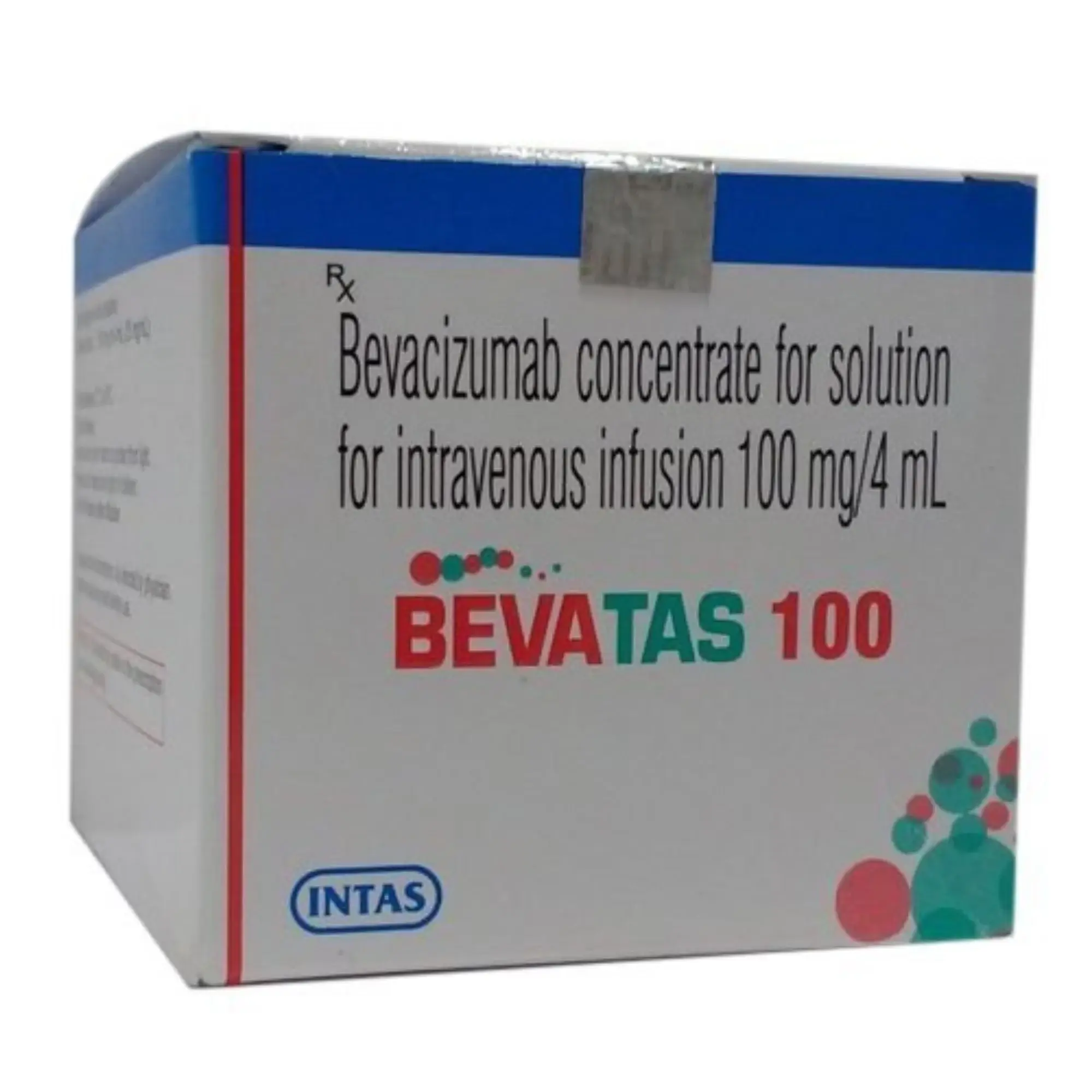
Price range: $974.63 through $2,786.95
| Active Ingredient | Bevacizumab |
|---|---|
| Manufacturer | Intas Pharmaceuticals Ltd |
| Packaging | 100 mg/4ml in 1 Injection |
| Strength | 100 mg/4 ml |
| Delivery Time | 6 To 15 days |
| SKU: | Bevatas 100 Mg Injection |
Bevatas 100 Mg Injection: Uses, Benefits, Dosage, Side Effects & Precautions
Introduction
Bevatas 100 Mg Injection is a prescription medicine containing bevacizumab, a targeted biological medicine used as part of treatment for certain cancers. Bevacizumab belongs to a group of medicines called vascular endothelial growth factor (VEGF) inhibitors. It works by interfering with signals that promote the formation of new blood vessels that tumors can use for growth.
Bevatas 100 Mg Injection is administered as an intravenous infusion by a qualified healthcare professional. It is not intended for self-administration. The appropriate treatment schedule depends on the cancer type, other medicines being used, previous treatment, and the patient’s overall health.
Because bevacizumab can cause serious complications in some patients, treatment should be planned and monitored by an experienced oncology team.
What Is Bevatas 100 Mg Injection?
Bevatas 100 Mg Injection contains bevacizumab, a monoclonal antibody that targets vascular endothelial growth factor. The medicine is supplied as an infusion solution and is administered through a vein after appropriate preparation and dilution by healthcare professionals.
A 100 mg/4 mL bevacizumab presentation contains 25 mg of bevacizumab per mL. Comparable bevacizumab products are supplied in single-dose vials for intravenous infusion after dilution.
The medicine is generally used in combination with other cancer treatments when clinically appropriate. It should only be used according to an oncologist’s prescription.
How Does Bevatas 100 Mg Injection Work?
Bevatas 100 mg injection works by blocking VEGF, a protein involved in the development of new blood vessels. Tumors can release VEGF to encourage the formation of blood vessels that supply them with oxygen and nutrients.
Bevacizumab binds to VEGF and reduces its ability to activate receptors involved in blood-vessel formation. This can inhibit angiogenesis, or the growth of new blood vessels, and may help slow tumor growth when used in appropriate cancer treatment regimens.
The medicine does not directly destroy cancer cells in the same way as many conventional chemotherapy medicines. Instead, it affects a biological process that can support tumor growth.
What Are the Uses of Bevatas 100 Mg Injection?
Bevatas 100 Mg Injection may be prescribed as part of treatment for specific cancers. The approved uses of bevacizumab vary by regulatory authority and formulation, so the indication should always be confirmed from the prescribing information applicable to the patient.
Colorectal Cancer
Bevacizumab can be used with fluorouracil-based chemotherapy in certain patients with metastatic colorectal cancer. It may be incorporated into first-line or later-line treatment regimens depending on the clinical situation.
Lung Cancer
Bevacizumab may be used with specific chemotherapy combinations for certain forms of advanced non-squamous non-small-cell lung cancer when considered appropriate by the treating specialist.
Kidney Cancer
In selected patients with advanced renal cell carcinoma, bevacizumab may be combined with another anticancer medicine as part of a prescribed treatment plan.
Ovarian and Related Gynecological Cancers
Bevacizumab may be included in treatment plans for certain ovarian, fallopian tube, or primary peritoneal cancers. Treatment selection depends on disease characteristics and the patient’s previous therapies.
Cervical Cancer
For some patients with persistent, recurrent, or metastatic cervical cancer, bevacizumab may be used alongside specific chemotherapy regimens.
The exact indication for Bevatas 100 Mg Injection should always be determined by the treating oncologist rather than by the medicine’s name or strength alone.
Bevatas 100 Mg Injection Dosage
The dosage of Bevatas 100 Mg Injection is not the same for every patient. Bevacizumab dosing is generally calculated according to the treatment protocol and may be based on body weight, cancer type, treatment combination, and dosing interval.
Some approved bevacizumab regimens use administration every two or three weeks, while the amount administered varies according to the indication.
Who Determines the Dose?
An oncologist determines the appropriate dose after considering factors such as:
- Type and stage of cancer
- Body weight
- Current chemotherapy or targeted treatment
- Previous treatment history
- Kidney and liver function
- Blood pressure
- Presence of bleeding or clotting risks
- Recent or planned surgery
- Overall treatment response
Patients should never attempt to calculate or change the dose themselves.
How Is Bevatas 100 Mg Injection Given?
Bevatas 100 Mg Injection is given through an intravenous infusion. A healthcare professional prepares the medicine according to the prescribed protocol and administers it in a medical setting.
The first infusion may be administered more slowly to monitor for infusion-related reactions. If it is tolerated, subsequent infusions may be administered over a shorter period according to the applicable prescribing information.
Patients are generally observed during and after administration for symptoms such as breathing difficulty, chest discomfort, dizziness, chills, fever, or other signs of an infusion reaction.
What Happens If a Dose Is Missed?
Because Bevatas 100 Mg Injection is administered at a medical facility according to a planned treatment schedule, patients should contact their oncology team if an appointment cannot be attended.
The healthcare professional can determine whether the infusion should be rescheduled or whether the treatment plan needs adjustment. Patients should not receive an extra dose to compensate for a missed appointment.
Common Side Effects of Bevatas 100 Mg Injection
Treatment with Bevatas 100 Mg Injection may cause side effects. The likelihood and severity can differ depending on the patient’s condition and the other anticancer medicines being administered.
Commonly reported effects associated with bevacizumab treatment may include:
- High blood pressure
- Weakness or tiredness
- Headache
- Nosebleeds
- Diarrhea
- Loss of appetite
- Abdominal discomfort
- Mouth sores
- Protein in the urine
- Infusion-related reactions
Some side effects may be related to the chemotherapy used alongside bevacizumab rather than bevacizumab itself.
Patients should tell their healthcare team about new, persistent, or worsening symptoms.
Serious Side Effects and Warnings
Although many patients receive bevacizumab under medical supervision, Bevatas 100 Mg Injection can cause serious adverse reactions.
High Blood Pressure
Bevacizumab can cause or worsen hypertension. Blood pressure should therefore be monitored during treatment. Severe hypertension may require medical treatment or interruption of bevacizumab therapy.
Severe Bleeding
Serious and sometimes fatal bleeding has been reported with bevacizumab. Patients should promptly report unusual bleeding, coughing up blood, black stools, or other concerning symptoms to their healthcare provider.
Wound-Healing Problems
Bevacizumab may interfere with normal wound healing. Healthcare professionals generally consider the timing of treatment carefully around major surgery. The prescribing information recommends withholding bevacizumab for an appropriate period before and after major surgery and until adequate wound healing has occurred.
Gastrointestinal Perforation
A serious complication called gastrointestinal perforation can occur with bevacizumab treatment. It involves the development of a hole in the gastrointestinal tract and can require urgent medical treatment.
Blood Clots
Bevacizumab treatment may increase the risk of arterial or venous thromboembolic events in some patients. Symptoms such as sudden chest pain, difficulty breathing, weakness on one side of the body, or sudden speech difficulties require urgent medical attention.
Fistula Formation
Abnormal connections between organs, known as fistulas, have been reported with bevacizumab. The risk can vary according to the underlying cancer and other clinical factors.
Kidney Problems
Protein may appear in the urine during treatment, and serious kidney-related complications can occur in some patients. Urine and kidney-related parameters may therefore be monitored during therapy.
Precautions Before Using Bevatas 100 Mg Injection
Before starting Bevatas 100 Mg Injection, patients should provide their doctor with complete information about their medical history and current medicines.
Tell your healthcare provider if you have:
- High or uncontrolled blood pressure
- A history of blood clots
- Significant bleeding problems
- Recent surgery
- Planned surgery
- Slow-healing wounds
- Previous gastrointestinal problems
- Kidney disease
- Heart or blood-vessel problems
- A previous reaction to bevacizumab or related medicines
The healthcare team may perform blood pressure checks, urine testing, physical examinations, and other investigations during treatment.
Bevatas 100 Mg Injection and Surgery
Special care is required when Bevatas 100 Mg Injection is used around the time of surgery because bevacizumab can affect wound healing.
Patients should tell their oncologist and surgeon if they are receiving bevacizumab. The timing of treatment before and after an operation should be determined by the treating specialists based on the type of surgery and the patient’s healing status.
Never stop cancer treatment or change an infusion schedule without medical guidance.
Drug Interactions
Bevatas 100 Mg Injection may be used with chemotherapy, immunotherapy, or other medicines depending on the treatment protocol. The safety of combining medicines depends on the specific drugs and the patient’s condition.
Tell your doctor about all prescription medicines, over-the-counter products, vitamins, and herbal supplements you use. This information helps the healthcare team evaluate potential risks and adjust treatment when necessary.
Pregnancy and Breastfeeding
Bevacizumab may cause fetal harm based on its mechanism and available safety information. Patients who are pregnant, planning pregnancy, or capable of becoming pregnant should discuss treatment with their healthcare provider before receiving Bevatas 100 Mg Injection.
Because bevacizumab may remain in the body for an extended period, contraception recommendations can extend beyond the last dose. The prescribing information should be followed for the applicable treatment.
Patients who are breastfeeding should discuss the potential risks and appropriate feeding options with their doctor.
Storage of Bevatas 100 Mg Injection
Bevatas 100 Mg Injection should be stored according to the manufacturer’s instructions and handled by healthcare professionals.
Bevacizumab injection products are generally refrigerated at 2°C to 8°C and should not be frozen. The medicine should also be protected from inappropriate handling and should not be shaken.
Patients should not attempt to store or prepare an injectable oncology medicine at home.
Who Should Administer Bevatas 100 Mg Injection?
Bevatas 100 Mg Injection should be administered by trained healthcare professionals in an appropriate clinical setting.
The oncology team determines the infusion schedule, prepares the medicine, monitors the patient, and evaluates whether treatment should continue, be delayed, or be modified.
This supervision is important because bevacizumab treatment requires monitoring for blood pressure changes, bleeding, wound-healing problems, proteinuria, infusion reactions, and other potential complications.
Frequently Asked Questions About Bevatas 100 Mg Injection
Is Bevatas 100 Mg Injection a chemotherapy medicine?
Bevatas 100 Mg Injection contains bevacizumab, a targeted biological medicine rather than a traditional cytotoxic chemotherapy drug. It may, however, be administered together with chemotherapy as part of a cancer treatment regimen.
Can Bevatas 100 Mg Injection cure cancer?
Bevatas 100 Mg Injection is not universally curative. Its role is to help control certain cancers when used in appropriate treatment combinations. Treatment response varies between individuals and depends on cancer type, stage, molecular characteristics, and other factors.
Is Bevatas 100 Mg Injection given at home?
No. Bevatas 100 Mg Injection is an intravenous medicine that should be prepared and administered by qualified healthcare professionals in an appropriate medical setting.
How long does treatment continue?
The duration of treatment with Bevatas 100 Mg Injection depends on the cancer being treated, response to therapy, side effects, and the overall treatment plan. The oncologist determines how long treatment should continue.
Can I take other medicines during treatment?
Some medicines can be used alongside bevacizumab, while others may require additional monitoring. Always provide your doctor with a complete list of medicines and supplements before receiving treatment.
Final Thoughts
Bevatas 100 Mg Injection is a bevacizumab-based targeted treatment used in specific cancer treatment protocols. By blocking VEGF-mediated blood-vessel formation, it can help limit a biological process that supports tumor growth.
Because the medicine can cause significant complications, it should only be used under specialist supervision. Regular monitoring, appropriate dose selection, attention to surgical timing, and early reporting of concerning symptoms are important parts of safe treatment.
Patients should rely on their oncologist and the product’s approved prescribing information for individualized treatment decisions rather than using general online information to determine dosage or suitability.
Medical Disclaimer:-
This content about Bevatas 100 Mg Injection is intended for general educational and informational purposes only. It does not replace professional medical advice, diagnosis, or treatment from a qualified doctor. Bevacizumab can cause serious and potentially life-threatening adverse effects and should only be administered under appropriate medical supervision. Do not start, stop, delay, or change cancer treatment based solely on information found online. Always consult your oncologist or healthcare professional for individualized advice regarding dosage, suitability, interactions, pregnancy, surgery, side effects, and treatment duration.
Additional information
| unit | 2 Injection, 6 Injection, 4 Injection |
|---|




Reviews
There are no reviews yet.