
Clindoxyl Gel (Clindamycin & Benzoyl Peroxide)
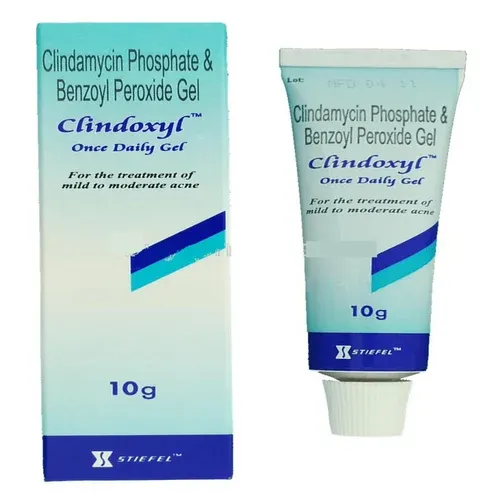
Price range: $15.00 through $79.00
| Active Ingredient | Clindamycin/Benzoyl Peroxide |
|---|---|
| Manufacturer | GlaxoSmithKline Pharmaceuticals Ltd |
| Packaging | 15 gm in 1 tube |
| Strength | 15gm |
| Delivery Time | 6 To 15 days |
| SKU: | Clindoxyl Gel (Clindamycin/Benzoyl Peroxide) |
Clindoxyl Gel (Clindamycin & Benzoyl Peroxide): A Complete Guide to Uses, Benefits, and Safe Application
Acne is one of the most common skin concerns faced by teenagers and adults alike, and finding an effective topical treatment can feel overwhelming with so many products on the market. Among the dermatologist-recommended options available today, Clindoxyl Gel (Clindamycin & Benzoyl Peroxide) has emerged as a widely trusted combination therapy for managing inflammatory acne. This article explores everything you need to know about this topical formulation, including how it works, who it may benefit, how it is typically applied, and the precautions worth keeping in mind.
What Is Clindoxyl Gel (Clindamycin & Benzoyl Peroxide)?
Clindoxyl Gel (Clindamycin & Benzoyl Peroxide) is a topical combination product that pairs an antibiotic with an antimicrobial agent to target two major contributors to acne breakouts: bacterial overgrowth and clogged pores. Clindamycin is a lincosamide-class antibiotic that works by inhibiting the growth of acne-causing bacteria on the skin’s surface, while benzoyl peroxide is an oxidizing agent known for its ability to reduce excess oil, unclog pores, and exfoliate dead skin cells. Together, these two active ingredients create a synergistic effect that many skincare professionals consider more effective than using either ingredient alone.
The formulation is generally presented as a lightweight gel, designed to be applied directly to affected areas of the skin. Because it combines an antibacterial and a keratolytic agent in a single product, Clindoxyl Gel (Clindamycin & Benzoyl Peroxide) simplifies acne-care routines for people who might otherwise need to apply multiple separate products.
How Does Clindoxyl Gel (Clindamycin & Benzoyl Peroxide) Work?
Understanding the mechanism behind this treatment can help users appreciate why consistency matters so much when it comes to visible results. Acne develops when hair follicles become blocked with excess sebum (oil), dead skin cells, and bacteria, leading to inflammation, redness, and the characteristic bumps associated with breakouts.
Clindoxyl Gel (Clindamycin & Benzoyl Peroxide) addresses this cycle from two angles:
- Antibacterial action – Clindamycin targets the bacteria commonly associated with acne lesions, helping to reduce inflammation and prevent new breakouts from forming.
- Pore-clearing action – Benzoyl peroxide breaks down oil buildup and dead skin cells that clog pores, while also releasing oxygen that makes the skin surface inhospitable to certain bacteria.
Because benzoyl peroxide also helps prevent bacterial resistance, its inclusion alongside clindamycin is considered a smart formulation choice, and this is one reason why Clindoxyl Gel (Clindamycin & Benzoyl Peroxide) is often preferred over single-ingredient antibiotic gels.
Who Might Consider Using Clindoxyl Gel (Clindamycin & Benzoyl Peroxide)?
This topical treatment is generally intended for individuals dealing with mild to moderate inflammatory acne, including whiteheads, blackheads, and papules. It is commonly recommended by dermatologists as part of a broader acne-management plan, which may also include lifestyle adjustments, gentle cleansing routines, and non-comedogenic moisturizers.
People who may want to discuss Clindoxyl Gel (Clindamycin & Benzoyl Peroxide) with their healthcare provider include those who:
- Experience recurring breakouts that don’t respond well to over-the-counter spot treatments
- Have oily or combination skin prone to clogged pores
- Are looking for a dual-action product rather than juggling multiple separate acne treatments
- Have been advised by a dermatologist that a combination antibiotic-benzoyl peroxide approach suits their skin type
It’s worth noting that this product is not typically intended for cystic or nodular acne, which often requires a more intensive treatment plan under close medical supervision.
How Is Clindoxyl Gel (Clindamycin & Benzoyl Peroxide) Typically Applied?
While exact usage instructions should always come from a prescribing doctor or the product label, general application practices for topical acne gels like this one typically follow a similar pattern:
- The skin is cleansed gently with a mild, non-irritating cleanser and patted dry before application.
- A thin layer of the gel is applied to the affected area, avoiding the eyes, lips, and any broken or irritated skin.
- Application is usually done once daily, often in the evening, though a healthcare provider may adjust this based on skin tolerance.
- Sunscreen is typically recommended during the day, since benzoyl peroxide can increase skin sensitivity to sunlight.
- Consistent use over several weeks is usually necessary before visible improvement is noticed, as acne treatments generally work gradually rather than overnight.
Because everyone’s skin reacts differently, it’s important to follow the specific guidance provided by a dermatologist or physician rather than assuming a one-size-fits-all approach when using Clindoxyl Gel (Clindamycin & Benzoyl Peroxide).
Potential Benefits of Clindoxyl Gel (Clindamycin & Benzoyl Peroxide)
Many users and dermatologists point to several potential advantages of this combination therapy:
- Dual-action formula: Addresses both bacterial growth and pore blockage in a single application, which can simplify a daily skincare routine.
- Reduced risk of antibiotic resistance: The inclusion of benzoyl peroxide is thought to help reduce the likelihood of bacteria developing resistance to clindamycin over time.
- Convenient application: As a lightweight gel, it tends to absorb quickly and can be layered under moisturizer or makeup once dry.
- Targeted for inflammatory acne: Particularly suited for papules and pustules rather than purely comedonal acne.
While individual results can vary, the combination approach used in Clindoxyl Gel (Clindamycin & Benzoyl Peroxide) is a widely studied strategy in dermatology for tackling moderate acne concerns.
Possible Side Effects to Be Aware Of
As with most topical acne treatments, some users may experience mild side effects, especially during the initial weeks of use as the skin adjusts. These can include:
- Dryness or peeling of the skin
- Mild redness or a burning/stinging sensation
- Increased sensitivity to sunlight
- Occasional itching at the application site
In rare cases, more significant irritation or an allergic reaction could occur, and anyone experiencing severe redness, swelling, blistering, or difficulty breathing should seek medical attention immediately and discontinue use. Starting with a smaller amount and gradually building tolerance is a common strategy dermatologists suggest to minimize irritation when beginning a new topical treatment.
Precautions Before Using Clindoxyl Gel (Clindamycin & Benzoyl Peroxide)
Before incorporating any new topical treatment into a skincare routine, it’s wise to keep the following precautions in mind:
- Patch testing: Applying a small amount to a discreet area of skin first can help identify potential sensitivity before full-face application.
- Avoid combining with certain products: Using multiple exfoliating or peroxide-based products simultaneously may increase irritation, so it’s best to check with a healthcare provider before layering treatments.
- Sun protection: Since benzoyl peroxide can heighten photosensitivity, daily sunscreen use is generally advised.
- Pregnancy and breastfeeding: Anyone who is pregnant, planning to become pregnant, or breastfeeding should consult a doctor before using Clindoxyl Gel (Clindamycin & Benzoyl Peroxide), as with any medicated skincare product.
- Fabric and fiber contact: Benzoyl peroxide can bleach fabrics, towels, and bedding, so it’s worth letting the gel fully absorb before contact with clothing or pillowcases.
- Existing skin conditions: Individuals with eczema, rosacea, or highly sensitive skin should seek professional advice before starting treatment, as the active ingredients may exacerbate certain conditions.
Storage Recommendations
Proper storage helps maintain the effectiveness and stability of any topical formulation. Generally, gels like this should be:
- Stored at room temperature, away from direct sunlight and excessive heat
- Kept out of reach of children
- Tightly closed after each use to prevent contamination or drying out
- Checked for expiration dates before use, as expired topical treatments may lose potency
Understanding the Different Types of Acne It May Help With
Acne isn’t a single, uniform condition — it appears in several forms, each with different underlying causes and levels of severity. Recognizing which type of acne you’re dealing with can help determine whether a treatment like Clindoxyl Gel (Clindamycin & Benzoyl Peroxide) is an appropriate fit.
- Comedonal acne presents as whiteheads and blackheads caused by clogged pores, often without significant inflammation.
- Papular and pustular acne involves small, inflamed red bumps or pus-filled lesions, typically triggered by bacterial activity combined with clogged follicles.
- Nodular or cystic acne is a more severe form involving deep, painful lumps beneath the skin’s surface, which usually requires more intensive dermatological treatment beyond topical gels alone.
Because Clindoxyl Gel (Clindamycin & Benzoyl Peroxide) combines antibacterial and pore-clearing properties, it tends to be most effective for mild to moderate papular and pustular acne rather than deep cystic breakouts, which often need a combination of oral medication and professional in-office procedures.
Tips for Getting the Most Out of Your Treatment
Achieving clearer skin isn’t just about applying a product — it’s about building sustainable habits around it. Here are a few practical tips that may help maximize the benefits of any topical acne treatment, including Clindoxyl Gel (Clindamycin & Benzoyl Peroxide):
- Be consistent, not aggressive. Applying more product or using it more frequently than directed won’t speed up results and may instead increase irritation.
- Pair it with a gentle routine. Harsh scrubs, alcohol-based toners, or excessive washing can strip the skin barrier and worsen dryness caused by benzoyl peroxide.
- Moisturize daily. A non-comedogenic, fragrance-free moisturizer can help offset dryness without clogging pores.
- Track your progress. Taking photos every couple of weeks can help you and your dermatologist objectively assess whether the treatment is working.
- Give it time. Acne treatments often take a few weeks to show visible change, and stopping too early is one of the most common reasons people don’t see the results they’re hoping for.
How It Compares to Other Acne Treatments
There are numerous acne treatments available today, ranging from salicylic acid cleansers to retinoid creams and oral antibiotics. What sets a combination product like Clindoxyl Gel (Clindamycin & Benzoyl Peroxide) apart is its two-pronged approach within a single application, which can be more convenient than layering multiple separate products with different active ingredients.
Compared to using benzoyl peroxide alone, the addition of clindamycin can offer more targeted antibacterial action for inflammatory lesions. Compared to using an antibiotic gel alone, the benzoyl peroxide component helps reduce the chances of bacterial resistance developing over time — a concern that has grown in dermatology as antibiotic-only treatments have become less reliable for some patients. That said, every treatment has its own strengths, and the right choice ultimately depends on skin type, acne severity, and any other products already part of a person’s routine, which is why professional guidance remains important.
Lifestyle Factors That Can Support Clearer Skin
While topical treatments play a central role in acne management, several lifestyle factors can complement the effects of a product like Clindoxyl Gel (Clindamycin & Benzoyl Peroxide):
- Diet: Some individuals notice a connection between high-glycemic foods or dairy consumption and breakouts, though this varies from person to person.
- Stress management: Elevated stress levels can influence hormone fluctuations that may contribute to acne flare-ups.
- Sleep quality: Adequate rest supports overall skin repair and regeneration.
- Hygiene habits: Regularly washing pillowcases, avoiding touching the face throughout the day, and cleaning phone screens can reduce the transfer of bacteria and oil to the skin.
None of these lifestyle factors replace medical treatment, but they can work alongside a prescribed regimen to support overall skin health.
Frequently Asked Questions
Is Clindoxyl Gel (Clindamycin & Benzoyl Peroxide) suitable for all skin types?
While many skin types can tolerate this combination gel, those with very dry or sensitive skin may experience more irritation and should consult a dermatologist before starting use.
How long does it take to see results?
Most topical acne treatments, including this one, typically require four to eight weeks of consistent use before noticeable improvement appears. Patience and consistency are key.
Can it be used alongside other skincare products?
It depends on the other products involved. Strong exfoliants, retinoids, or other peroxide-based treatments may increase irritation when combined, so professional guidance is recommended.
Is a prescription required?
This is typically a prescription-strength combination product in many regions, meaning a healthcare provider’s guidance is usually necessary before starting treatment.
Final Thoughts
Managing acne can be a long-term journey that often requires patience, consistency, and the right combination of active ingredients suited to individual skin needs. Clindoxyl Gel (Clindamycin & Benzoyl Peroxide) represents one such option that combines antibacterial and pore-clearing properties into a single topical treatment, making it a popular choice recommended by many dermatologists for moderate inflammatory acne. As with any medicated skincare product, working closely with a healthcare provider ensures the treatment is used safely and effectively, tailored to individual skin type and acne severity.
Disclaimer:-
This article is intended for general informational and educational purposes only and should not be considered medical advice. Clindoxyl Gel (Clindamycin & Benzoyl Peroxide) is a medicated topical product, and its use, dosage, and suitability can vary depending on individual skin type, medical history, and severity of acne. Always consult a licensed dermatologist or healthcare professional before starting, stopping, or changing any treatment. Do not use this product without proper medical guidance, and read the official product label and package insert for complete usage instructions, warnings, and contraindications. The content provided here does not substitute professional medical consultation, diagnosis, or treatment.
Additional information
| unit | 1 Gel, 3 Gel, 6 Gel |
|---|




Reviews
There are no reviews yet.