
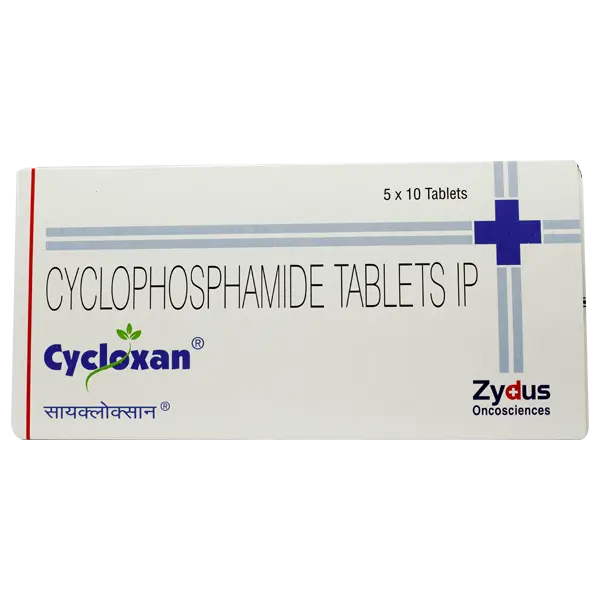
Cycloxan 50 Mg (Cyclophosphamide)
Price range: $58.50 through $165.00
| Active Ingredient | Cyclophosphamide |
|---|---|
| Manufacturer | Biochem Pharmaceutical Industries Ltd |
| Packaging | 10 tablets in 1 strip |
| Strength | 50mg |
| Delivery Time | 6 To 15 days |
| SKU: | Cycloxan 50 Mg (Cyclophosphamide) |
What Is Cycloxan 50 Mg (Cyclophosphamide)?
Cycloxan 50 Mg (Cyclophosphamide) contains cyclophosphamide, an alkylating medicine used as part of specialist treatment plans for certain cancers and, in selected situations, other serious immune-related conditions. Cyclophosphamide works by interfering with the DNA of rapidly dividing cells, which can help slow or stop the growth of abnormal cells.
Cycloxan 50 Mg (Cyclophosphamide) should only be used under the supervision of a qualified healthcare professional because it can affect blood cells, the immune system, urinary tract, fertility, and other organs. The 50 mg strength refers to the amount of cyclophosphamide in the dosage form and does not mean that every patient should receive 50 mg as an individual dose.
Cyclophosphamide is available in different formulations and strengths, and treatment regimens vary according to the condition being treated, the patient’s age, body size, kidney and liver function, previous treatments, and other medicines being used.
Cycloxan 50 Mg (Cyclophosphamide) Uses
What Conditions Can Cyclophosphamide Treat?
Cycloxan 50 Mg (Cyclophosphamide) may be prescribed as part of treatment for certain malignant diseases. Approved oral cyclophosphamide labeling includes several types of lymphomas, leukemias, multiple myeloma, mycosis fungoides, neuroblastoma, ovarian cancer, retinoblastoma, and breast cancer.
The medicine may be used alone in selected treatment plans or combined with other anticancer medicines. The exact combination depends on the patient’s diagnosis and the treatment protocol selected by the oncology team.
Is Cyclophosphamide Used for Non-Cancer Conditions?
In specific circumstances, oral cyclophosphamide has also been indicated for biopsy-proven minimal change nephrotic syndrome in pediatric patients who have not responded adequately to corticosteroids or cannot tolerate them. Its safety and effectiveness for nephrotic syndrome in adults or other kidney diseases have not been established in the cited labeling.
Therefore, Cycloxan 50 Mg (Cyclophosphamide) should never be taken for an immune-related condition simply because cyclophosphamide is sometimes used in such disorders. The indication and treatment plan must come from a specialist.
How Does Cycloxan 50 Mg (Cyclophosphamide) Work?
Mechanism of Action
Cycloxan 50 Mg (Cyclophosphamide) belongs to a group of medicines called alkylating agents. After cyclophosphamide enters the body, it is metabolized into active compounds that can damage DNA.
Cancer cells often divide rapidly and depend on accurate DNA replication. By creating DNA damage and interfering with DNA-related processes, cyclophosphamide can prevent susceptible cells from continuing to multiply.
The medicine can also suppress certain immune cells, which contributes to its effects in particular immune-mediated treatment settings. However, this same action can reduce normal immune defenses and blood-cell production, which is why medical monitoring is important.
Cycloxan 50 Mg (Cyclophosphamide) Dosage
What Is the Usual Cyclophosphamide Dose?
The appropriate dose of Cycloxan 50 Mg (Cyclophosphamide) is individualized. Oral cyclophosphamide labeling describes dosing based on factors such as the disease being treated and the patient’s clinical condition rather than using one fixed dose for everyone.
For malignant diseases, the cited prescribing information describes oral cyclophosphamide doses that may range from approximately 1 mg/kg to 5 mg/kg once daily for initial and maintenance treatment.
This information should not be interpreted as a personal dosing recommendation. Your oncologist may prescribe a different schedule depending on your treatment protocol, blood counts, kidney function, other medicines, and response to treatment.
Should the 50 Mg Strength Be Taken Without Medical Advice?
No. Cycloxan 50 Mg (Cyclophosphamide) is a potent prescription medicine, and changing the dose or frequency without professional guidance can increase the risk of serious complications.
Do not take extra tablets to compensate for a missed dose unless your healthcare provider specifically instructs you to do so. If you forget a scheduled dose, contact your treatment team for individualized instructions.
How to Take Cycloxan 50 Mg (Cyclophosphamide)
Important Administration Guidance
Take Cycloxan 50 Mg (Cyclophosphamide) exactly according to the prescription. Oral cyclophosphamide is generally administered according to a defined treatment schedule, and adequate fluid intake during or immediately after administration is recommended in prescribing information to help reduce urinary tract toxicity.
Follow the instructions provided with your particular product because handling and administration instructions can vary by formulation.
Do not crush, split, chew, or alter the dosage form unless a pharmacist or prescriber confirms that doing so is appropriate. Because cyclophosphamide can be hazardous, patients and caregivers should follow product-specific handling instructions.
Cycloxan 50 Mg (Cyclophosphamide) Side Effects
Common Side Effects
Treatment with Cycloxan 50 Mg (Cyclophosphamide) may cause side effects because the medicine can affect both abnormal and healthy rapidly dividing cells.
Potential adverse effects include:
- Nausea or vomiting
- Loss of appetite
- Hair loss
- Diarrhea
- Fatigue
- Changes in blood-cell counts
- Increased susceptibility to infections
- Mouth or throat irritation
- Changes in menstrual function
- Reduced fertility
The frequency and severity of side effects can vary substantially between patients and treatment regimens.
Serious Side Effects Requiring Medical Attention
Some reactions associated with cyclophosphamide can be serious. These include severe suppression of bone marrow function, serious infections, urinary tract injury, heart-related toxicity, lung toxicity, liver complications, fertility problems, and secondary cancers.
Contact your healthcare provider promptly if you develop fever, unusual bleeding or bruising, painful urination, blood in the urine, persistent cough, breathing difficulty, severe weakness, chest symptoms, or other concerning changes during treatment.
Cycloxan 50 Mg (Cyclophosphamide) Precautions
Blood Count Monitoring
Cycloxan 50 Mg (Cyclophosphamide) can suppress bone marrow activity and reduce the production of white blood cells, red blood cells, and platelets.
Your healthcare provider may therefore order regular blood tests during treatment. Monitoring can help identify significant reductions in blood-cell counts before complications become severe.
A low white blood-cell count can increase infection risk, while a low platelet count can make bleeding or bruising more likely.
Urinary Tract and Kidney Precautions
Cyclophosphamide can cause urinary tract toxicity, including hemorrhagic cystitis, which involves inflammation and bleeding of the bladder. Hematuria, or blood in the urine, can occur.
Adequate hydration is an important part of safe administration when recommended by the treating team. Any urinary obstruction should be addressed before treatment because urinary outflow obstruction is a listed contraindication for cyclophosphamide.
Infection Precautions
Because cyclophosphamide can suppress the immune system, infections may become more likely or more severe. Patients receiving Cycloxan 50 Mg (Cyclophosphamide) should promptly report signs of infection such as fever, chills, persistent sore throat, cough, or unusual weakness.
Your healthcare team may adjust treatment depending on blood counts and the presence of infection.
Who Should Avoid Cycloxan 50 Mg (Cyclophosphamide)?
Important Contraindications
Cycloxan 50 Mg (Cyclophosphamide) should not be used by people with a known severe hypersensitivity to cyclophosphamide or its components. Urinary outflow obstruction is another listed contraindication.
Tell your healthcare provider about previous reactions to cyclophosphamide or related medicines before treatment begins.
Kidney or Liver Problems
Patients with kidney or liver impairment may require particularly careful evaluation and monitoring. Cyclophosphamide and its metabolites are processed and eliminated through pathways that can be affected by organ function.
Never assume that a standard dose is appropriate if you have kidney or liver disease. Your treatment team should determine the safest regimen.
Cycloxan 50 Mg (Cyclophosphamide) and Pregnancy
Can Cyclophosphamide Affect Pregnancy?
Cycloxan 50 Mg (Cyclophosphamide) can cause fetal harm. People who can become pregnant should discuss pregnancy status and effective contraception with their healthcare provider before and during treatment as medically appropriate.
The medicine may also affect reproductive function in males and females. If future fertility is important, discuss fertility-preservation options with your specialist before treatment whenever possible.
Can Cyclophosphamide Be Used During Breastfeeding?
Cyclophosphamide is not considered appropriate for breastfeeding during treatment according to the cited prescribing information. Patients should discuss breastfeeding with their healthcare professional before starting therapy.
Cycloxan 50 Mg (Cyclophosphamide) Drug Interactions
Why Are Drug Interactions Important?
Cycloxan 50 Mg (Cyclophosphamide) can interact with other medicines, potentially changing cyclophosphamide exposure or increasing certain toxicities.
Before starting treatment, provide your healthcare provider with a complete list of prescription medicines, over-the-counter products, vitamins, and herbal supplements. This information allows the treatment team to evaluate potential interactions.
Particular attention may be needed when cyclophosphamide is combined with other medicines that affect bone marrow function, immunity, the liver, kidneys, or urinary tract.
Do not start a new medicine or supplement during treatment without checking with your doctor or pharmacist.
Cycloxan 50 Mg (Cyclophosphamide) Monitoring
What Tests May Be Needed?
Patients receiving Cycloxan 50 Mg (Cyclophosphamide) may require regular clinical and laboratory monitoring. Depending on the treatment plan, monitoring can include complete blood counts and assessments of kidney and liver function.
Healthcare professionals may also monitor for urinary symptoms, infections, treatment-related toxicity, and changes in overall health.
The monitoring schedule is individualized according to the dose, duration, treatment combination, diagnosis, and patient-specific risk factors.
Can Cycloxan 50 Mg (Cyclophosphamide) Affect Fertility?
Fertility Considerations
Cycloxan 50 Mg (Cyclophosphamide) may impair fertility in both males and females. The extent of reproductive effects can depend on factors such as cumulative exposure, treatment duration, age, and other medicines used during therapy.
Patients who may want children in the future should discuss fertility preservation with their healthcare team before treatment begins. Options and suitability vary from person to person.
Cycloxan 50 Mg (Cyclophosphamide) and Long-Term Risks
Secondary Malignancies
Cyclophosphamide has been associated with secondary malignancies, including certain bladder and blood-related cancers. Such risks are among the important long-term considerations of treatment.
The decision to use Cycloxan 50 Mg (Cyclophosphamide) involves weighing the expected benefits of treatment against potential risks. This assessment should be made by the specialist managing the underlying disease.
Other Organ-Related Risks
Cyclophosphamide labeling also describes potentially serious cardiac, pulmonary, and hepatic toxicities. These complications are not expected in every patient, but they demonstrate why specialist supervision and appropriate monitoring are essential.
What Should You Tell Your Doctor Before Taking Cycloxan 50 Mg (Cyclophosphamide)?
Medical Information to Share
Before treatment with Cycloxan 50 Mg (Cyclophosphamide), tell your healthcare provider if you have:
- A history of severe drug allergies
- Urinary tract problems or obstruction
- Kidney disease
- Liver disease
- Heart disease
- Lung disease
- Previous chemotherapy or radiation treatment
- Current or recent infections
- A history of abnormal blood counts
- Fertility concerns
- Pregnancy or plans to become pregnant
- A need to breastfeed
Providing complete medical information can help your healthcare team assess whether cyclophosphamide is appropriate and determine what monitoring may be necessary.
Frequently Asked Questions About Cycloxan 50 Mg (Cyclophosphamide)
Is Cycloxan 50 Mg (Cyclophosphamide) a Chemotherapy Medicine?
Yes. Cycloxan 50 Mg (Cyclophosphamide) contains cyclophosphamide, an alkylating medicine that is used in chemotherapy treatment for several cancers. It may be combined with other anticancer medicines depending on the treatment protocol.
Does Cycloxan 50 Mg (Cyclophosphamide) Lower Immunity?
Cyclophosphamide can suppress the immune system and bone marrow. This may lower the body’s ability to fight infections, particularly when blood-cell counts become significantly reduced.
Is Cycloxan 50 Mg (Cyclophosphamide) Safe for Everyone?
No medicine is appropriate for everyone. Cycloxan 50 Mg (Cyclophosphamide) requires careful patient selection because it can cause significant blood, urinary, immune, reproductive, cardiac, pulmonary, and other adverse effects.
Can I Stop Cycloxan 50 Mg (Cyclophosphamide) Suddenly?
Do not stop or change prescribed cyclophosphamide treatment without speaking with your specialist. The treatment schedule is designed around the underlying condition and the overall therapeutic protocol.
Why Is Hydration Important With Cyclophosphamide?
Adequate fluid intake during or immediately after administration is recommended in oral cyclophosphamide prescribing information to help reduce urinary tract toxicity. Follow the hydration instructions provided by your healthcare team because individual fluid requirements can differ.
Final Thoughts on Cycloxan 50 Mg (Cyclophosphamide)
Cycloxan 50 Mg (Cyclophosphamide) is a powerful prescription medicine containing cyclophosphamide, an alkylating agent used in carefully selected treatment plans. Its ability to interfere with DNA replication makes it useful against certain abnormal cells, but the same pharmacological activity can affect healthy tissues.
Safe use requires individualized dosing, appropriate hydration, laboratory monitoring, attention to infection symptoms, and careful consideration of pregnancy and fertility. Patients should use Cycloxan 50 Mg (Cyclophosphamide) only under the direction of a qualified healthcare professional and should not change the prescribed regimen independently.
Medical Disclaimer:-
This content about Cycloxan 50 Mg (Cyclophosphamide) is provided for general educational and informational purposes only and should not replace advice from a qualified doctor, oncologist, pharmacist, or other healthcare professional. Cyclophosphamide is a potent prescription medicine that can cause serious adverse effects and requires individualized dosing and monitoring. Do not start, stop, increase, decrease, or change the schedule of this medicine without professional medical advice. Always follow the prescribing information supplied with your specific product and the instructions given by your healthcare provider.
Additional information
| unit | 300 Tablet, 90 Tablet, 120 Tablet, 150 Tablet |
|---|


Reviews
There are no reviews yet.