
- “T-Bact (Mupirocin)” already exists in your wishlist
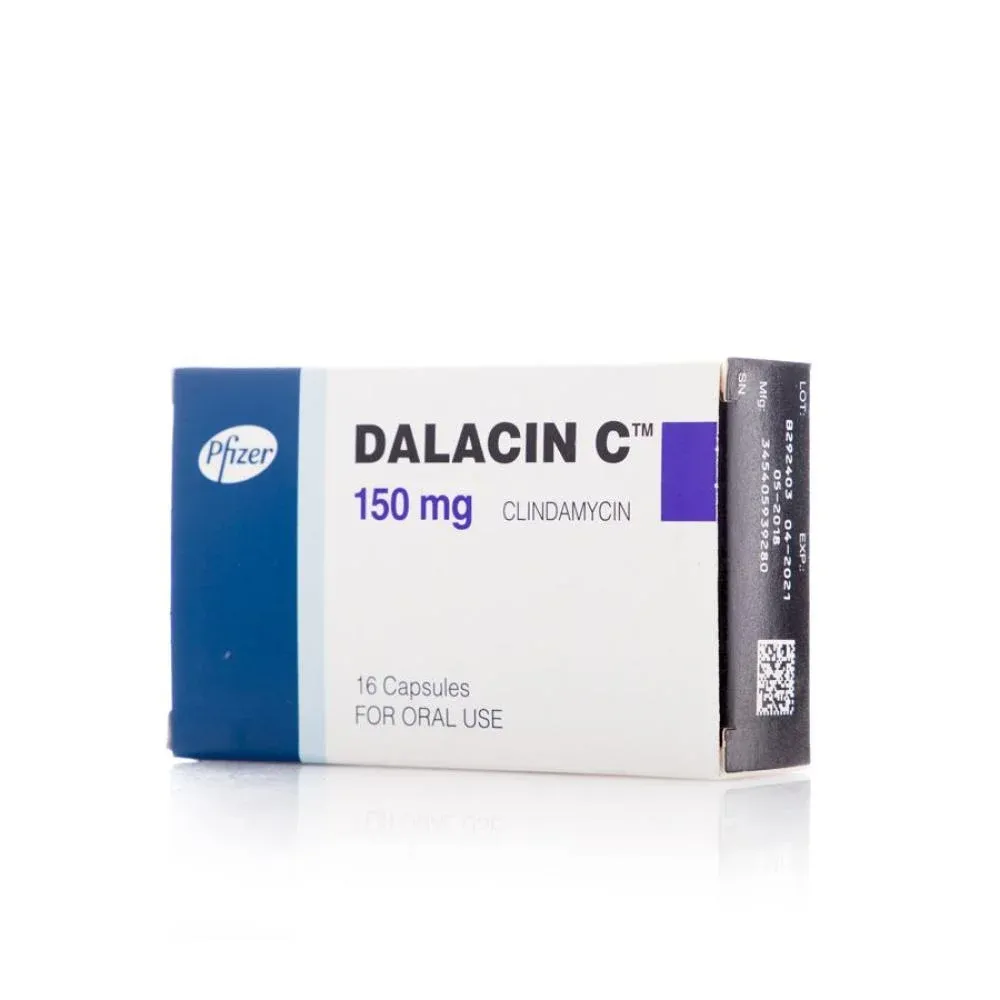
Dalacin C 150mg (Clindamycin)
Price range: $27.00 through $73.00
| Active Ingredient | Clindamycin |
|---|---|
| Manufacturer | Pfizer India Ltd |
| Packaging | 10 capsules in 1 strip |
| Strength | 150mg |
| Delivery Time | 6 To 15 days |
| SKU: | Dalacin C 150mg (Clindamycin) |
Introduction to Dalacin C 150mg (Clindamycin)
Bacterial infections can affect virtually any part of the human body, from the outer layers of the skin and underlying soft tissues to internal organs like the lungs, bones, and abdominal cavity. When pathogenic bacteria invade these tissues, they multiply rapidly, causing localized inflammation, pain, tissue damage, and potentially severe systemic illness. Left untreated or managed with ineffective medicines, bacterial infections can spread deeper into the bloodstream or surrounding organs, resulting in serious health complications.
Dalacin C 150mg (Clindamycin) is an effective, broad-spectrum lincosamide antibiotic widely prescribed by physicians to combat serious bacterial infections. Formulated as an oral capsule containing 150mg of Clindamycin hydrochloride, this medication targets specific types of bacteria—particularly anaerobic bacteria and Gram-positive aerobic bacteria. Dalacin C 150mg works by halting bacterial growth, giving the body’s natural immune system the upper hand needed to clear the infection completely.
Understanding how Dalacin C 150mg (Clindamycin) functions in the body, what conditions it treats, how to take it safely, and what precautions to keep in mind is vital for achieving complete recovery and preventing antibiotic resistance. This comprehensive guide provides clear, simple, and detailed information about Dalacin C 150mg.
What is Dalacin C 150mg (Clindamycin)?
Dalacin C 150mg is a brand-name prescription antibiotic containing Clindamycin as its active ingredient. Clindamycin belongs to a distinct class of antibacterial agents known as lincosamide antibiotics.
Unlike broad-spectrum antibiotics that act indiscriminately against a vast range of organisms, Clindamycin is specifically effective against Gram-positive aerobic bacteria (such as Staphylococcus aureus and Streptococcus pneumoniae) and anaerobic bacteria (organisms that thrive in low-oxygen environments, such as Bacteroides and Clostridium species).
Mechanism of Action: How Clindamycin Fights Bacteria
Bacteria need proteins to survive, grow, build cell walls, and multiply. Dalacin C 150mg stops bacterial growth through a targeted biological mechanism:
-
Binds to the 50S Ribosomal Subunit: Clindamycin enters the bacterial cell and binds reversibly to the 50S subunit of the bacterial ribosome (specifically the 23S RNA portion).
-
Inhibits Protein Synthesis: By binding to this site, Clindamycin prevents the formation of peptide bonds, blocking transpeptidation during protein assembly.
-
Bacteriostatic Action: Without essential proteins, bacteria cannot grow or multiply. At standard therapeutic doses, Clindamycin is primarily bacteriostatic (it stops bacterial growth so the body’s immune cells can destroy them). At higher concentrations or against highly susceptible strains, it can exert a bactericidal (bacteria-killing) effect.
Primary Medical Uses of Dalacin C 150mg
Dalacin C 150mg (Clindamycin) is indicated for treating serious bacterial infections caused by susceptible strains of anaerobic and aerobic bacteria.
1. Skin and Soft Tissue Infections
Skin and soft tissue structures are frequently exposed to bacterial invasion through cuts, surgical wounds, or insect bites. Dalacin C 150mg is highly effective for treating:
-
Cellulitis (spreading bacterial skin infection)
-
Erysipelas
-
Abscesses and boils
-
Infected wounds and diabetic foot ulcers
-
Severe acne vulgaris (when systemic oral antibiotic therapy is required)
2. Respiratory Tract Infections
Bacterial pathogens can infect the upper and lower respiratory passages, leading to significant respiratory distress. Dalacin C 150mg is prescribed for:
-
Aspiration pneumonia (lung infection caused by inhaling food or liquid, involving anaerobic bacteria)
-
Empyema and lung abscesses
-
Chronic sinusitis and middle ear infections (otitis media) that have failed to respond to other first-line antibiotics
3. Bone and Joint Infections
Dalacin C 150mg penetrates exceptionally well into bone tissues and joint fluid, making it a preferred choice for treating:
-
Osteomyelitis (bacterial infection of the bone)
-
Septic arthritis (bacterial infection within a joint space)
4. Intra-Abdominal Infections
Anaerobic bacteria are heavily concentrated in the gastrointestinal tract. If the intestinal wall is breached due to surgery, trauma, or disease, these bacteria can cause severe internal infections. Dalacin C 150mg is used to treat:
-
Peritonitis (inflammation of the abdominal lining)
-
Intra-abdominal abscesses
5. Gynecological and Pelvic Infections
Infections of the female reproductive tract often involve a mixture of aerobic and anaerobic bacteria. Dalacin C 150mg is used in combination therapies for:
-
Pelvic Inflammatory Disease (PID)
-
Endometritis (inflammation of the uterine lining)
-
Post-surgical vaginal cuff infections
6. Dental and Oral Surgery Infections
Because the mouth is populated by numerous anaerobic bacteria, dentists and oral surgeons frequently prescribe Dalacin C 150mg to treat severe dental abscesses, deep tooth socket infections, and post-extraction bone complications.
Core Benefits of Dalacin C 150mg
Using Dalacin C 150mg (Clindamycin) as directed by a healthcare professional provides important treatment benefits:
-
High Bone and Tissue Penetration: Clindamycin concentrates effectively in bone, bile, abscess fluid, and respiratory tissues, making it uniquely potent for deep-seated infections.
-
Targeted Anaerobic Activity: Highly effective against anaerobic bacteria that are naturally resistant to many other standard antibiotics.
-
Alternative for Penicillin-Allergic Patients: Serves as a reliable alternative for individuals who have severe allergic reactions (anaphylaxis) to penicillin or cephalosporin antibiotics.
-
Rapid Absorption: Oral capsules are absorbed quickly and thoroughly from the gastrointestinal tract, achieving effective therapeutic blood levels within 45 to 60 minutes.
Dosage and Administration Guidelines
Dalacin C 150mg is a potent prescription medication. It must strictly be taken according to your prescribing doctor’s instructions.
Standard Dosage Rules
-
Adults: The typical adult dosage for mild to moderate infections ranges from 150mg to 300mg every 6 hours (4 times daily). For severe infections, the dose may be increased to 300mg to 450mg every 6 hours.
-
Take with a Full Glass of Water: Always swallow the capsule whole with a full glass of water (at least 200 mL). This prevents the capsule from sticking in your esophagus, which could cause esophageal irritation or ulceration.
-
Upright Posture: Remain standing or sitting upright for at least 30 minutes after taking a capsule to ensure smooth transit into the stomach.
-
Food Flexibility: You can take Dalacin C 150mg with or without food. Taking it with meals or a light snack can help minimize mild stomach upset.
-
Complete the Full Course: Always take every single capsule prescribed by your doctor, even if your symptoms improve after a few days. Stopping an antibiotic early allows surviving bacteria to multiply and develop antibiotic resistance.
Crucial Precautions and Safety Warnings
Due to its potent antibacterial mechanism and impact on natural gut flora, several critical warnings apply when taking Dalacin C 150mg:
1. Risk of Clostridioides difficile-Associated Diarrhea (CDAD)
Major Safety Warning: Like many broad-spectrum antibiotics, Clindamycin alters the normal bacterial balance inside the human colon. This permits the overgrowth of Clostridioides difficile (C. diff), a bacterium that produces toxins.
-
C. diff infection can cause mild watery diarrhea to severe, life-threatening pseudomembranous colitis (severe swelling and ulceration of the large intestine).
-
If you develop severe, persistent, watery diarrhea, abdominal cramps, or fever during treatment or up to two months after stopping Dalacin C 150mg, contact your doctor immediately.
-
Do not take anti-diarrheal medicines (like loperamide or diphenoxylate) without medical advice, as stopping bowel movements keeps bacterial toxins trapped inside the gut, worsening the condition.
2. Liver and Kidney Function Monitoring
If you have pre-existing severe liver disease or severe kidney impairment, your doctor may need to monitor your blood drug levels or adjust your dosage interval, as Clindamycin is metabolized by the liver and excreted through the kidneys and bile.
3. History of Gastrointestinal Disease
Inform your doctor if you have a history of inflammatory bowel conditions, such as ulcerative colitis, Crohn’s disease, or past episodes of antibiotic-associated colitis.
4. Fungal Superinfections
Eliminating normal body bacteria can occasionally allow yeasts (Candida) to overgrow. Long-term use of Dalacin C 150mg can lead to oral thrush or vaginal yeast infections.
Drug Interactions
Dalacin C 150mg (Clindamycin) can interact with several other medications, altering how they work or increasing the risk of adverse effects. Always inform your doctor and pharmacist about all prescription drugs, over-the-counter medicines, vitamins, and supplements you are taking.
Key Interactions to Note
-
Neuromuscular Blocking Agents: Clindamycin has intrinsic neuromuscular blocking properties and can enhance the action of muscle relaxants used during anesthesia (such as vecuronium or pancuronium), potentially causing prolonged respiratory depression.
-
Erythromycin: Erythromycin and Clindamycin compete for the exact same binding site on the 50S bacterial ribosome. Taking them together reduces the effectiveness of both antibiotics.
-
CYP3A4 Inhibitors and Inducers: Clindamycin is metabolized by the liver enzyme CYP3A4. Strong CYP3A4 inhibitors (like ketoconazole or clarithromycin) can increase Clindamycin blood levels, while CYP3A4 inducers (like rifampicin or St. John’s Wort) can lower its effectiveness.
-
Oral Typhoid Vaccine: Antibiotics can kill the live attenuated bacteria in oral typhoid vaccines, rendering the vaccine ineffective. Finish your antibiotic course completely before receiving live oral vaccines.
Potential Side Effects of Dalacin C 150mg
While Dalacin C 150mg is effective against bacterial infections, it can produce side effects in some individuals.
Common Side Effects
-
Mild stomach discomfort, nausea, or vomiting
-
Mild, temporary diarrhea or loose stools
-
Unusual or metallic taste in the mouth
-
Mild skin rash or itching
-
Esophageal irritation or heartburn
Serious Side Effects (Seek Immediate Medical Care)
-
Severe, watery, or bloody diarrhea accompanied by stomach pain and fever (indicative of C. difficile colitis)
-
Severe skin reactions, such as Stevens-Johnson Syndrome (SJS) or Toxic Epidermal Necrolysis (TEN), characterized by skin redness, peeling, mouth sores, or painful blisters
-
Swelling of the face, lips, tongue, or throat causing difficulty breathing or swallowing (anaphylactic allergic reaction)
-
Yellowing of the eyes or skin (jaundice) or dark urine (signs of liver dysfunction)
-
Significant drop in urine output or dark urine (signs of kidney stress)
Special Population Considerations
1. Pregnancy and Breastfeeding
-
Pregnancy: Clindamycin crosses the placental barrier. It should only be used during pregnancy if clearly needed and specifically prescribed by a physician who has weighed the potential benefits against any possible fetal risk.
-
Breastfeeding: Clindamycin passes into human breast milk in small concentrations. Nursing mothers should monitor their infants for potential side effects such as diarrhea, thrush, or diaper rash. Consult your doctor before taking Dalacin C 150mg while breastfeeding.
2. Pediatric Use
Dalacin C capsules are formulated for individuals who can swallow capsules safely. For young children or infants, liquid pediatric suspensions are usually preferred to ensure accurate weight-based dosing.
3. Elderly Patients
Older adults may be more susceptible to severe diarrhea and antibiotic-associated colitis (C. difficile infection). Careful monitoring of bowel habits is necessary during and immediately following treatment in elderly patients.
Proper Storage and Handling Instructions
To ensure Dalacin C 150mg maintains its stability, potency, and safety:
-
Temperature: Store capsules at room temperature, ideally below 25°C (77°F).
-
Protect from Moisture and Light: Keep the capsules inside their original blister packaging until it is time for your dose. Store the package in a dry place away from direct light and heat (avoid humid bathroom medicine cabinets).
-
Safe Handling: Store out of the reach and sight of children and household pets.
-
Expiration Date: Always check the expiration date on the blister foil or outer box before taking the capsule. Do not use expired medications.
Frequently Asked Questions (FAQs)
1. How quickly does Dalacin C 150mg start working?
Dalacin C 150mg begins absorbing quickly after oral administration, reaching peak blood levels within 45 to 60 minutes. While the antibiotic starts fighting bacteria immediately, noticeable improvement in your symptoms (such as reduced fever, swelling, or pain) typically occurs within 24 to 48 hours.
2. What should I do if I forget to take a dose of Dalacin C 150mg?
If you miss a dose, take it as soon as you remember. However, if it is almost time for your next scheduled dose, skip the missed dose and resume your normal dosing schedule. Do not take two capsules at once to make up for a missed dose.
3. Can I drink alcohol while taking Dalacin C 150mg?
While alcohol does not directly stop Clindamycin from working, drinking alcohol can irritate your stomach lining, worsen dizziness, and dehydrate your body during an active infection. It is best to avoid alcohol until you have fully recovered and finished your antibiotic course.
4. Why is it important to take Dalacin C 150mg with a full glass of water?
Swallowing the capsule with plenty of water helps it travel quickly down the esophagus into the stomach. Taking it without enough water or lying down immediately afterward can cause the capsule to dissolve in the esophagus, causing severe irritation, heartburn, or ulcers.
5. What is the difference between Dalacin C 150mg and other antibiotics like Penicillin?
Dalacin C contains Clindamycin, a lincosamide antibiotic, whereas Penicillin belongs to the beta-lactam class. Clindamycin works differently by blocking bacterial protein synthesis and is particularly effective against anaerobic bacteria and bone/tissue infections. It is frequently prescribed as a safe alternative for people allergic to penicillin.
Medical Disclaimer:-
The information provided in this article regarding Dalacin C 150mg (Clindamycin) is intended exclusively for educational, informational, and general reference purposes. It does not constitute formal medical advice, clinical diagnosis, or individualized treatment recommendations. Always seek the advice of a qualified physician, infectious disease specialist, or certified healthcare professional regarding any medical condition, bacterial infection, or prescription drug regimen. Never ignore, delay, or alter professional medical advice because of something you have read in this article. Individual responses to Clindamycin may vary based on overall health status, underlying medical conditions, concurrent drug therapies, and strict adherence to prescribed application guidelines.
Additional information
| unit | 30 Capsules, 60 Capsules, 90 Capsules |
|---|






Reviews
There are no reviews yet.