
- “Tyza Cream (Terbinafine)” already exists in your wishlist
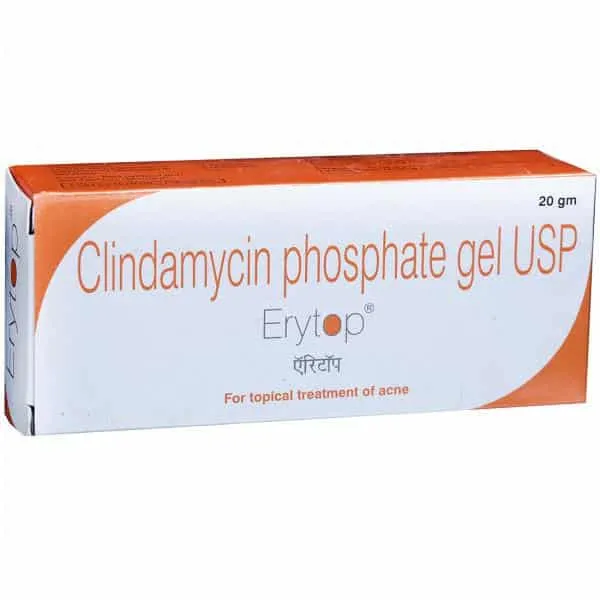
Erytop Gel (Clindamycin)
Price range: $5.00 through $23.00
| Active Ingredient | Clindamycin |
|---|---|
| Manufacturer | USV Pvt Ltd |
| Packaging | 20 gm in 1 tube |
| Strength | 1% |
| Delivery Time | 6 To 15 days |
| SKU: | Erytop Gel (Clindamycin) |
Erytop Gel (Clindamycin): The Ultimate Guide to Clear, Acne-Free Skin
Acne is one of the most common and frustrating skin conditions, affecting millions of people of all ages. Whether you are dealing with sudden hormonal breakouts, painful red bumps, or persistent pus-filled pimples, finding a targeted treatment that works quickly is crucial. That is where Erytop Gel (Clindamycin) comes in as a trusted, dermatologist-recommended solution.
Specially formulated to combat acne-causing bacteria and soothe skin inflammation, Erytop Gel is a go-to topical treatment for achieving clearer, healthier skin. If you are struggling with stubborn breakouts and want to understand how this medication can transform your skincare routine, this comprehensive guide covers everything you need to know.
In this detailed article, we will explore what Erytop Gel (Clindamycin) is, how it works inside your pores, its primary benefits, proper application steps, potential side effects, and essential tips for achieving the best possible results.
What is Erytop Gel (Clindamycin)?
Erytop Gel (Clindamycin) is a prescription topical antibiotic gel formulated specifically for treating acne vulgaris. It contains Clindamycin Phosphate (1% w/w) as its active pharmaceutical ingredient.
Clindamycin belongs to the lincosamide class of antibiotics. Unlike oral antibiotics that work throughout the entire body, topical Erytop Gel delivers medication directly to the affected areas of your skin. This targeted delivery minimizes systemic side effects while maximizing antibacterial action right where breakouts start.
Key Product Details
| Feature | Details |
| Active Ingredient | Clindamycin Phosphate (1% w/w) |
| Drug Class | Topical Lincosamide Antibiotic |
| Primary Use | Mild to Moderate Inflammatory Acne Vulgaris |
| Formulation | Non-greasy, water-based topical gel |
| Application Frequency | Once or twice daily (as prescribed) |
How Does Erytop Gel (Clindamycin) Work?
To understand the effectiveness of Erytop Gel (Clindamycin), it helps to understand what triggers inflammatory acne.
Acne develops when hair follicles (pores) become clogged with excess sebum (oil) and dead skin cells. This oil-rich, oxygen-deprived environment creates an ideal breeding ground for bacteria known as Cutibacterium acnes (formerly called Propionibacterium acnes). As these bacteria multiply inside the pore, they produce enzymes that break down oil into irritating fatty acids, triggering an immune response that leads to red, swollen, painful pimples and pus-filled lesions.
Erytop Gel breaks this inflammatory cycle through two primary mechanisms:
1. Inhibiting Bacterial Protein Synthesis
Clindamycin works by binding to the 50S ribosomal subunit of the bacteria. By doing so, it prevents C. acnes from synthesizing the essential proteins required for their growth, survival, and reproduction. Unable to produce these vital proteins, the bacterial population on the skin rapidly declines.
2. Reducing Inflammation and Swelling
Beyond killing bacteria, Clindamycin reduces the concentration of free fatty acids on the skin’s surface. Lowering these irritating compounds calms active inflammation, helping to reduce redness, pain, and swelling associated with deep, inflamed acne spots.
Key Benefits of Using Erytop Gel (Clindamycin)
Using Erytop Gel (Clindamycin) offers several advantages for individuals struggling with active breakouts:
-
Targeted Antibacterial Action: Directly kills the primary bacteria responsible for inflammatory pimples, papules, and pustules.
-
Fast-Acting Relief: Rapidly calms painful, swollen acne spots, often showing visible reduction in redness within a few days.
-
Lightweight, Non-Greasy Gel: The water-based gel formulation absorbs quickly into the skin without leaving a sticky or heavy residue, making it ideal for oily and combination skin types.
-
Reduces Post-Acne Hyperpigmentation Risk: By quickly subduing active inflammation, Erytop Gel helps minimize the dark spots and marks often left behind after a pimple heals.
-
Minimal Systemic Side Effects: Because it is applied topically, only a minuscule amount of medication enters the bloodstream, making it safer and better tolerated than oral antibiotic pills.
What Types of Acne Does Erytop Gel Treat?
It is important to note that Erytop Gel (Clindamycin) is specifically designed for inflammatory acne. Knowing your acne type ensures you are using the right treatment for your skin:
-
Papules (Red, Swollen Bumps): Highly effective. Calms immune response and reduces size.
-
Pustules (Pimples with Pus): Highly effective. Kills underlying bacteria and clears pus.
-
Cysts and Nodules (Deep, Painful Acne): Moderately effective. Helps reduce surface inflammation, though severe cases may require oral treatments.
-
Comedones (Blackheads and Whiteheads): Less effective on its own. Non-inflammatory clogged pores usually require exfoliating agents like retinoids or salicylic acid alongside Erytop Gel.
Step-by-Step Guide: How to Apply Erytop Gel Correctly
To get the best results from Erytop Gel (Clindamycin) while keeping irritation to a minimum, follow this dermatologist-recommended step-by-step application routine:
Step 1: Cleanse Your Skin Gently
Wash your face or affected area using a gentle, non-comedogenic cleanser and lukewarm water. Avoid harsh physical scrubs, abrasive sponges, or strong astringents, as these can strip your skin barrier and cause excessive stinging when the gel is applied.
Step 2: Pat Dry and Wait
Gently pat your skin dry with a soft, clean towel. Wait about 5 to 10 minutes to ensure your skin is completely dry. Applying topical medications to damp skin increases absorption speed, which can sometimes cause mild tingling or irritation.
Step 3: Apply a Thin, Even Layer
Squeeze a small, pea-sized drop of Erytop Gel (Clindamycin) onto your fingertip. Lightly dot it over the affected areas (e.g., forehead, cheeks, chin) and smooth it in thin, even strokes.
Important Note: Apply the gel across the whole area prone to acne, not just as a spot treatment on top of active pimples. This helps prevent new breakouts from forming in surrounding pores.
Step 4: Avoid Sensitive Areas
Keep the gel away from the delicate skin surrounding your eyes, inside your nostrils, on your lips, and over open cuts or sunburns. If accidental contact occurs, rinse thoroughly with cool water.
Step 5: Follow Up with Moisturizer
Once the gel has fully absorbed into your skin (usually within 2 to 3 minutes), apply a lightweight, oil-free, non-comedogenic moisturizer to maintain skin barrier hydration.
Step 6: Apply Sunscreen (Daytime)
If applying Erytop Gel during your morning routine, always complete your skincare regimen with a broad-spectrum sunscreen offering SPF 30 or higher to protect your skin from sun sensitivity and prevent dark marks.
Best Combinations: Maximizing Results and Preventing Resistance
One key consideration when using any antibiotic, including topical ones like Clindamycin, is the risk of antibiotic resistance. Over time, bacteria can adapt and become less responsive to the medication if it is used continuously as a solo treatment.
To prevent resistance and enhance overall acne-clearing power, dermatologists frequently recommend pairing Erytop Gel (Clindamycin) with complementary ingredients:
1. Erytop Gel + Benzoyl Peroxide
Combining Clindamycin with Benzoyl Peroxide is considered a gold standard in acne management. Benzoyl Peroxide introduces oxygen into the pores, killing anaerobic acne bacteria via oxidation. Because bacteria cannot develop resistance to oxidation, using Benzoyl Peroxide alongside Erytop Gel eliminates resistant bacterial strains and boosts treatment speed.
2. Erytop Gel + Topical Retinoids (Adapalene or Tretinoin)
While Erytop Gel kills bacteria and lowers inflammation, retinoids accelerate cell turnover and unclog dead skin cells from pores. Using a retinoid at night and Erytop Gel in the morning tackles all four root causes of acne simultaneously.
What to Expect: Realistic Results Timeline
Patience and consistency are vital when starting any new acne treatment. Here is a general timeline of what you can expect when using Erytop Gel (Clindamycin) consistently:
-
Week 1: You will likely notice a reduction in painful swelling, tenderness, and redness around active pimples.
-
Weeks 2 to 4: Active inflammatory breakouts begin to heal much faster, and fewer new red bumps emerge.
-
Weeks 6 to 8: Significant clearance of inflammatory acne. Overall skin texture appears smoother and clearer.
-
Weeks 12 and Beyond: Breakouts are well-controlled. Your doctor may evaluate whether to transition you off the antibiotic onto a maintenance retinoid routine.
Possible Side Effects and How to Manage Them
Erytop Gel (Clindamycin) is generally well-tolerated by most skin types. However, like all medications, it can cause mild, temporary side effects in some individuals.
Common, Mild Side Effects
-
Dryness or Flaking: Clindamycin in an alcohol or gel base can dry out the surface of the skin.
-
Mild Burning or Stinging: A brief tingling sensation upon application, particularly during the first week.
-
Skin Redness (Erythema): Slight temporary flush in sensitive skin areas.
-
Oiliness or Tightness: A temporary sensation as the gel dries on the skin.
Tips to Manage Side Effects
-
Hydrate Daily: Never skip your moisturizer. Look for ingredients like ceramides, hyaluronic acid, and glycerin to restore barrier health.
-
Adjust Frequency: If you experience noticeable redness or dryness, reduce application from twice daily to once daily, or every other day, until your skin adapts.
-
Use Gentle Products: Stop using harsh face scrubs, alcohol-based toners, and exfoliating acids (like high-percentage AHAs or BHAs) while your skin is adjusting to Erytop Gel.
Rare but Serious Side Effects
Although extremely rare with topical application, a small amount of Clindamycin can be absorbed through the skin. Seek immediate medical attention if you experience:
-
Severe, persistent abdominal cramps or watery diarrhea.
-
Severe skin rash, hives, or swelling of the face, lips, or throat.
Precautions and Who Should Avoid Erytop Gel
Before starting Erytop Gel (Clindamycin), review these important safety guidelines:
-
History of Colitis: Patients with a personal or family history of regional enteritis, ulcerative colitis, or antibiotic-associated colitis should avoid using Clindamycin products.
-
Pregnancy and Breastfeeding: Consult your doctor before using Erytop Gel if you are pregnant, planning to become pregnant, or nursing. While topical absorption is minimal, professional medical guidance is essential.
-
Allergies: Do not use this gel if you have a known hypersensitivity or allergy to Clindamycin, Lincomycin, or any inactive ingredients in the formulation.
-
Sun Exposure: While Clindamycin does not cause severe photosensitivity like some oral antibiotics, inflamed skin is naturally more prone to dark spots when exposed to UV light. Always wear daily broad-spectrum sunscreen.
Erytop Gel vs. Other Topical Acne Treatments
Understanding how Erytop Gel (Clindamycin) compares to alternative topical options helps clarify its specific role in your skincare lineup:
| Feature | Erytop Gel (Clindamycin) | Benzoyl Peroxide | Salicylic Acid (BHA) | Tretinoin / Adapalene |
| Primary Action | Antibacterial & Anti-inflammatory | Antibacterial & Keratolytic | Pore Exfoliation & Oil Control | Cell Turnover & Pore Unclogging |
| Best For | Red, painful, pus-filled pimples | Inflammatory acne & bacterial control | Blackheads, whiteheads & oily pores | Comedones, texture & long-term prevention |
| Irritation Level | Low | Moderate to High | Low to Mild | Moderate to High |
| Fabric Bleaching | No | Yes (Bleaches towels/clothes) | No | No |
| Prescription Needed | Yes | Usually Over-the-Counter | Over-the-Counter | Mostly Prescription |
Frequently Asked Questions (FAQs)
1. Can I use Erytop Gel (Clindamycin) every day?
Yes. Erytop Gel is typically prescribed for application once or twice daily on clean, dry skin. Always follow the specific frequency instructions provided by your healthcare provider.
2. Is Erytop Gel suitable for blackheads and whiteheads?
Erytop Gel is primarily designed for inflammatory acne (red pimples and pustules). While it keeps bacteria at bay, non-inflammatory blackheads and whiteheads respond better to exfoliating agents like salicylic acid or topical retinoids (such as Adapalene).
3. Can I wear makeup over Erytop Gel?
Yes. Once Erytop Gel has completely absorbed into your skin and you have applied your moisturizer, you can apply makeup as normal. Choose non-comedogenic (pore-friendly) and oil-free makeup formulas to prevent new breakouts.
4. Should I use Erytop Gel in the morning or at night?
It depends on your overall skincare routine and doctor’s advice. If using once daily, night application is common. If paired with other active ingredients like Benzoyl Peroxide or Retinoids, many people apply Erytop Gel in the morning and their other treatment at night.
5. How long should I use Erytop Gel?
Topical antibiotics are generally used for a targeted period—typically 8 to 12 weeks—to clear active inflammation. Extended use beyond a few months as a standalone treatment is usually discouraged to avoid bacterial resistance.
6. Can I use Vitamin C with Erytop Gel?
Yes, but it is best to separate them if you have sensitive skin. You can apply a gentle Vitamin C serum in the morning and Erytop Gel at night, or ensure the gel absorbs fully before layering other active products.
7. Does Erytop Gel cause skin purging?
No. Unlike retinoids or exfoliating acids that accelerate skin cell turnover and bring hidden clogs to the surface, Erytop Gel is an antibacterial agent. It does not typically cause a purging phase. If your acne gets significantly worse, consult your dermatologist.
8. Will Erytop Gel bleach my clothes or pillowcases?
No. Unlike Benzoyl Peroxide, Clindamycin does not have bleaching properties and will not discolor your towels, clothing, or bed linens.
Final Verdict & Summary
Clear skin is an achievable goal when you treat acne with the right, targeted ingredients. Erytop Gel (Clindamycin) stands out as an effective, dermatologist-approved solution for rapidly subduing inflammatory breakouts, reducing swelling, and eliminating acne-causing bacteria.
By maintaining a consistent routine, keeping your skin barrier hydrated with a gentle moisturizer, wearing sunscreen daily, and pairing Erytop Gel with complementary ingredients when appropriate, you can enjoy clearer, smoother, and healthier skin.
Disclaimer: This article is for educational and informational purposes only and does not constitute formal medical advice. Always consult a qualified dermatologist or healthcare professional before starting any new prescription medication or skincare treatment.
Additional information
| unit | 1 Gel, 3 Gel, 6 Gel |
|---|


Reviews
There are no reviews yet.