
- “Tyza Cream (Terbinafine)” already exists in your wishlist
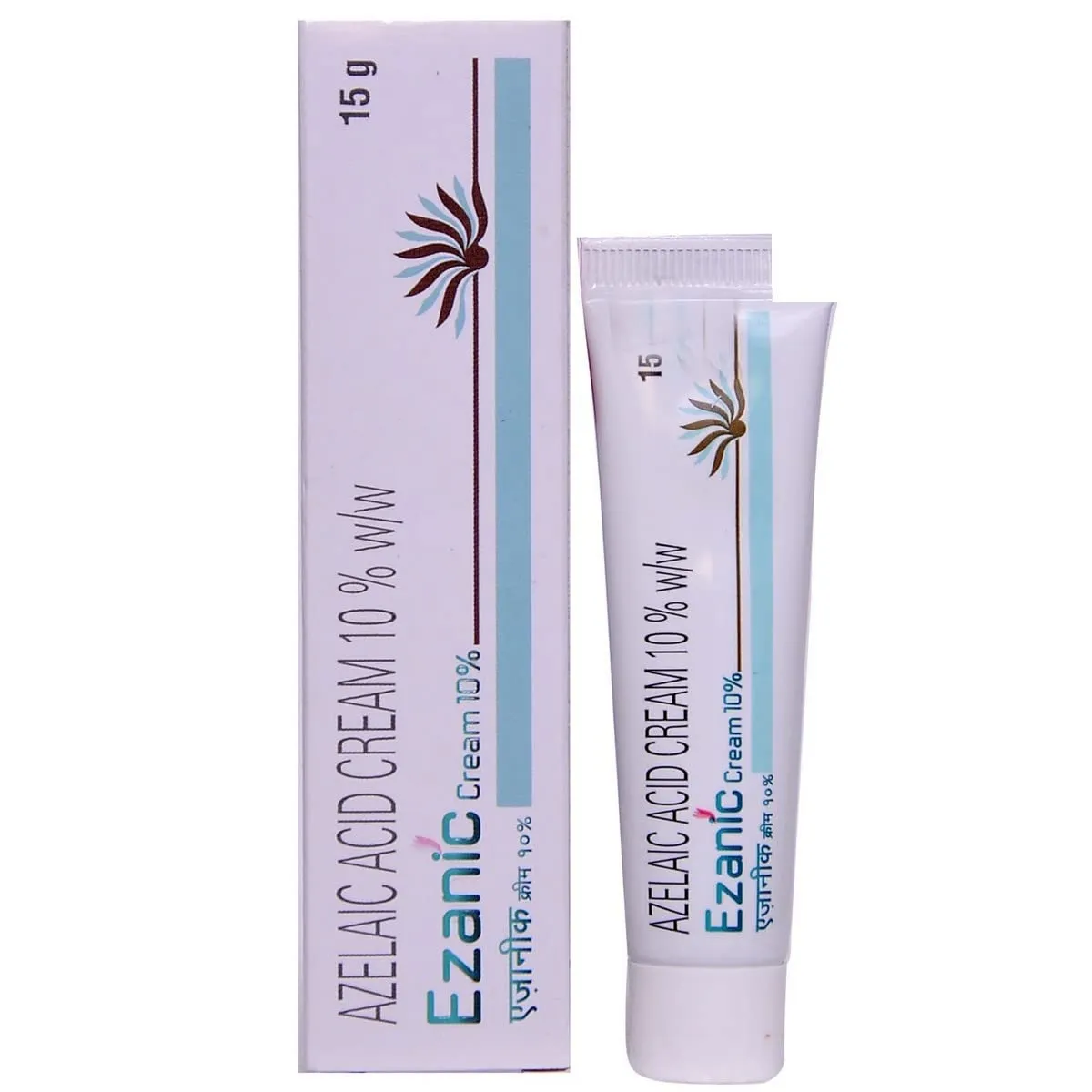
Ezanic 10% Cream (Azelaic Acid)
Price range: $7.00 through $34.00
| Active Ingredient | Azelaic Acid |
|---|---|
| Manufacturer | Intas Pharmaceuticals Ltd |
| Packaging | 15 gm in 1 tube |
| Strength | 10% |
| Delivery Time | 6 To 15 days |
| SKU: | Ezanic 10% Cream (Azelaic Acid) |
Ezanic 10% Cream (Azelaic Acid): The Ultimate Guide to Clear, Radiant Skin
Struggling with persistent acne, stubborn dark spots, or facial redness that refuses to fade? Finding a versatile skincare ingredient that treats multiple skin concerns without causing severe irritation can feel like an impossible task. That is where Ezanic 10% Cream (Azelaic Acid) comes in as a multi-tasking, dermatologist-recommended solution.
Unlike harsh chemical exfoliants or drying spot treatments, Azelaic Acid is celebrated for being gentle yet highly effective. Whether you are dealing with adult acne, post-acne dark marks, rosacea, or uneven skin texture, understanding how to incorporate this treatment into your daily routine can completely transform your skin barrier.
In this comprehensive guide, we will break down everything you need to know about Ezanic 10% Cream (Azelaic Acid)—from its core benefits and mechanism of action to step-by-step application tips, managing side effects, ideal ingredient pairings, and long-term skin expectations.
What is Ezanic 10% Cream (Azelaic Acid)?
Ezanic 10% Cream (Azelaic Acid) is a topical dermatological formulation designed to treat mild to moderate acne, post-inflammatory hyperpigmentation (PIH), and rosacea. Its active ingredient, Azelaic Acid (10% w/w), is a naturally occurring dicarboxylic acid found in grains like wheat, rye, and barley.
In dermatological science, 10% is considered the sweet spot for low-dose therapeutic strength—offering noticeable clinical results while maintaining minimal irritation. This makes it suitable for almost all skin types, including sensitive, reactive, and redness-prone skin.
Product Overview
| Feature | Details |
| Active Ingredient | Azelaic Acid (10% w/w) |
| Primary Target Concerns | Inflammatory & Comedonal Acne, Hyperpigmentation, Rosacea |
| Formulation Type | Emollient cream base (ideal for barrier support) |
| Key Properties | Antibacterial, Anti-inflammatory, Tyrosinase Inhibitor, Keratolytic |
| Application Frequency | Once to twice daily (as tolerated) |
How Does Ezanic 10% Cream Work?
The reason Ezanic 10% Cream (Azelaic Acid) is so widely praised by skin experts is its unique ability to perform four critical functions simultaneously inside the skin:
1. Kills Acne-Causing Bacteria (Antibacterial)
Azelaic Acid selectively targets and inhibits Cutibacterium acnes (C. acnes) and Staphylococcus epidermidis, the primary bacteria responsible for inflamed, pus-filled breakouts. Importantly, unlike topical antibiotics, bacteria do not develop resistance to Azelaic Acid, making it safe for long-term continuous use without diminishing results.
2. Unclogs Pores & Normalizes Cell Turnover (Keratolytic)
Acne occurs when dead skin cells stick together and plug hair follicles along with excess sebum. Azelaic Acid acts as a mild Keratolytic agent, breaking down excess keratin build-up. This gently sheds dead cells, reduces microcomedones (blackheads and whiteheads), and stops new pores from becoming clogged.
3. Fades Dark Spots & Hyperpigmentation (Tyrosinase Inhibitor)
One of Azelaic Acid’s most distinctive powers is its ability to inhibit tyrosinase, the key enzyme needed for melanin (pigment) production. Crucially, it specifically targets hyperactive pigment-producing cells (melanocytes) without bleaching surrounding normal skin. This makes it an exceptional treatment for fading post-acne dark marks, melasma, and sun spots.
4. Calms Redness & Swelling (Anti-Inflammatory)
Azelaic Acid neutralizes reactive oxygen species (free radicals) and suppresses pro-inflammatory pathways in the skin. This significantly calms facial redness, flushing, and papulopustular lesions associated with rosacea and painful acne bumps.
Key Benefits of Ezanic 10% Cream (Azelaic Acid)
Incorporating Ezanic 10% Cream (Azelaic Acid) into your skincare routine offers several noticeable advantages:
-
Multi-Correctional Results: Clears active pimples, fades post-acne marks, and reduces skin redness all at once.
-
Gentle on Sensitive Skin: Far less drying or irritating than traditional retinoids, Benzoyl Peroxide, or strong hydroxy acids.
-
Non-Comedogenic: Formulated to hydrate without clogging pores or triggering new breakouts.
-
Safe for Long-Term Maintenance: Can be used continuously for months or years without risk of antibiotic resistance or skin thinning.
-
Safe for All Skin Tones: Effective and safe for fair to deep skin tones, carrying a much lower risk of triggering rebound hyperpigmentation compared to harsh lighteners.
Comprehensive Skin Concerns Treated
To get the most out of Ezanic 10% Cream (Azelaic Acid), it helps to understand exactly which conditions respond best to this versatile formulation:
1. Acne Vulgaris (Comedonal and Inflammatory)
Whether you suffer from bumpy blackheads across the nose and forehead or red, tender pimples along the jawline, Azelaic Acid targets the bacterial growth and pore-clogging keratin that fuel these breakouts.
2. Post-Inflammatory Hyperpigmentation (PIH) and Erythema (PIE)
After a pimple heals, it often leaves behind a stubborn dark brown mark (PIH) or a lingering red spot (PIE). Azelaic Acid works on both: it halts excess melanin synthesis to fade brown pigmentation while its anti-inflammatory nature helps soothe red, vascular post-acne marks.
3. Rosacea and Facial Flushing
For individuals living with Erythematotelangiectatic or Papulopustular Rosacea, harsh acne treatments often worsen inflammation. Ezanic 10% Cream provides a soothing alternative that calms persistent redness, reduces burning sensations, and flattens inflammatory rosacea bumps.
4. Melasma and Uneven Skin Tone
Melasma causes patchy dark discoloration, often triggered by hormonal shifts or sun exposure. Because Azelaic Acid selectively disrupts hyperactive melanocytes, it helps lighten melasma patches gradually without altering your natural overall skin complexion.
Step-by-Step Guide: How to Apply Ezanic 10% Cream Correctly
To get maximum results from Ezanic 10% Cream (Azelaic Acid) while protecting your skin barrier, follow this dermatologist-approved daily application routine:
Step 1: Cleanse Gently
Wash your face using a mild, sulfate-free cleanser and lukewarm water. Avoid harsh physical scrubs, abrasive sponges, or exfoliating brushes that can compromise your skin’s protective barrier.
Step 2: Pat Dry Thoroughly
Pat your face dry with a clean towel and wait 3 to 5 minutes. Applying active creams to damp skin can increase absorption speed too rapidly, leading to mild tingling, itching, or temporary redness.
Step 3: Apply a Thin Layer
Dispense a pea-sized amount of Ezanic 10% Cream (Azelaic Acid) onto your fingertips. Smooth it evenly across your entire face or affected areas rather than spot-treating individual pimples.
Pro Tip: Applying over the whole face allows the cream to clear active spots while actively preventing new clogs from forming in surrounding pores.
Step 4: Moisturize
Follow up with a simple, fragrance-free moisturizer containing ceramides, hyaluronic acid, or glycerin to seal in hydration and strengthen your moisture barrier.
Step 5: Protect with Sunscreen (Daytime)
If applying in the morning, always finish your routine with a broad-spectrum SPF 30+ sunscreen. Protecting your skin from UV radiation prevents existing dark spots from darkening and stops new pigmentation from developing.
Application Routine Breakdown: Morning vs. Night
How you schedule Ezanic 10% Cream (Azelaic Acid) depends on your existing skincare lineup and skin tolerance:
-
Morning Routine: Gentle Hydrating Cleanser → Ezanic 10% Cream (Azelaic Acid) → Lightweight Moisturizer → Broad-Spectrum SPF 30+ Sunscreen
-
Evening Routine: Gentle Cleanser → Hydrating Serum (optional) → Ezanic 10% Cream (Azelaic Acid) → Ceramide-Rich Barrier Cream
If you have sensitive skin, start by applying the cream only once a day (either morning or evening). As your skin builds tolerance over 2 to 3 weeks, you can increase to twice-daily application if needed.
Combining Ezanic 10% Cream with Other Skincare Actives
One of Azelaic Acid’s greatest strengths is its compatibility with other popular skincare ingredients. Here is how to combine Ezanic 10% Cream (Azelaic Acid) safely:
1. Ezanic 10% Cream + Niacinamide
Niacinamide (Vitamin B3) pairs exceptionally well with Azelaic Acid. Niacinamide strengthens the lipid barrier, controls excess oil production, and soothes inflammation, enhancing the dark-spot-fading power of Azelaic Acid without added irritation.
2. Ezanic 10% Cream + Hyaluronic Acid
Hyaluronic Acid provides deep hydration to the skin cells, offsetting any mild dryness or tightness experienced during the first few weeks of using Azelaic Acid.
3. Ezanic 10% Cream + Retinoids (Adapalene / Tretinoin)
Combining Azelaic Acid with a topical retinoid creates a powerhouse anti-acne and anti-aging regimen. To minimize irritation, apply Ezanic 10% Cream in the morning and your retinoid at night, or alternate them on alternate evenings.
4. Ezanic 10% Cream + Vitamin C
If using pure Vitamin C (L-Ascorbic Acid), it is best to separate application times. Use Vitamin C in the morning for antioxidant protection and apply Ezanic 10% Cream in the evening to avoid overpowering sensitive skin.
What to Expect: Realistic Results Timeline
While Azelaic Acid works gently and consistently, patience is essential for achieving optimal skin transformation:
-
Weeks 1 to 2: Your skin adjusts to the cream. You may experience brief tingling upon application. Active red bumps begin to feel less tender.
-
Weeks 3 to 4: Inflammatory breakouts decrease in frequency and heal faster. Overall skin redness begins to visibly subside.
-
Weeks 6 to 8: Post-acne dark marks and hyperpigmentation start fading significantly. Skin texture feels smoother and clearer.
-
Weeks 12 and Beyond: Pores remain clear, skin tone appears far more even and radiant, and ongoing maintenance keeps new breakouts at bay.
Possible Side Effects & How to Manage Them
Ezanic 10% Cream (Azelaic Acid) is well-tolerated by most individuals, but mild initial side effects can occur as your skin adapts:
Common, Mild Side Effects
-
Transient Tingling or Itching: A temporary prickling sensation upon application during the first 1 to 2 weeks. This usually subsides within 15 to 20 minutes.
-
Mild Dryness or Peeling: Slight flaking around sensitive areas like the mouth or nose.
-
Temporary Redness: Slight flushing if applied to damp or compromised skin.
How to Reduce Irritation
-
Start Slowly: Apply the cream every other day for the first two weeks before transitioning to daily use.
-
Try the Sandwich Technique: Apply a thin layer of moisturizer first, let it absorb completely, apply Ezanic 10% Cream, and then layer a second coat of moisturizer on top.
-
Avoid Harsh Scrubs: Pause physical scrubs, strong AHA/BHA peels, and alcohol-based toners while introducing Azelaic Acid.
Precautions and Who Should Use Caution
While Ezanic 10% Cream (Azelaic Acid) has an exceptional safety profile, keep these important guidelines in mind:
-
Pregnancy and Breastfeeding: Azelaic Acid is widely regarded as one of the safest topical acne and hyperpigmentation treatments during pregnancy and nursing (often categorized as safe for maternal use). However, always consult your physician or gynecologist before starting any new product while pregnant.
-
Avoid Open Wounds: Do not apply the cream to open cuts, active eczema flares, severe sunburns, or freshly shaved/waxed areas.
-
Patch Testing: If you have extremely reactive skin or rosacea, perform a patch test on a small area of your inner arm or jawline for 24 hours before applying it to your entire face.
Ezanic 10% Cream vs. Other Popular Ingredients
Understanding how Ezanic 10% Cream (Azelaic Acid) compares to alternative active ingredients helps clarify its role in your skincare routine:
| Ingredient | Primary Focus | Best For | Irritation Potential |
| Ezanic 10% (Azelaic Acid) | Acne, Dark Spots, Redness | Sensitive Skin, Post-Acne Marks, Rosacea | Low |
| Salicylic Acid (BHA) | Deep Pore Unclogging | Blackheads & Excessive Oiliness | Mild to Moderate |
| Benzoyl Peroxide | Bacterial Elimination | Inflamed Pus-Filled Acne | Moderate to High |
| Tretinoin / Adapalene | Cell Turnover & Anti-Aging | Severe Acne, Texture & Fine Lines | High |
| Niacinamide | Barrier Repair & Oil Balance | Overall Texture & Mild Discoloration | Very Low |
Frequently Asked Questions (FAQs)
1. Can I use Ezanic 10% Cream every day?
Yes. Once your skin builds tolerance over the first two weeks, Ezanic 10% Cream is designed for daily use—either once at night or twice daily (morning and night), depending on your skin’s needs and doctor’s advice.
2. Does Azelaic Acid cause skin purging?
Skin purging is very rare with Azelaic Acid compared to strong retinoids or chemical peels. Because it gently normalizes cell turnover rather than aggressively sloughing skin, any initial small spots are usually minor and resolve quickly.
3. Can I use Ezanic 10% Cream under makeup?
Yes. The emollient cream formulation of Ezanic 10% absorbs smoothly into the skin. Allow the cream and your moisturizer to set for 3 to 5 minutes before applying primer or foundation.
4. Is Ezanic 10% Cream effective for blackheads?
Yes. Thanks to its keratolytic properties, Azelaic Acid helps break down dead skin cells and excess oil trapped inside pores, gradually reducing blackheads and preventing new whiteheads from forming.
5. How long can I safely use Ezanic 10% Cream?
Unlike topical antibiotics or steroids, Azelaic Acid does not cause bacterial resistance or skin thinning. It can be used safely as a long-term maintenance product for months or years to keep your skin clear and even-toned.
6. Will Ezanic 10% Cream bleach my clothes or hair?
No. Unlike Benzoyl Peroxide, Azelaic Acid does not possess bleaching properties. It will not stain, discolor, or fade your towels, pillowcases, or hair.
7. Should I apply Ezanic 10% Cream before or after moisturizer?
For maximum efficacy on resilient skin, apply it directly onto clean, dry skin before moisturizer. If you have sensitive skin or experience tingling, apply it after your moisturizer to buffer the active ingredient.
8. Does Ezanic 10% Cream help with acne scarring?
It is highly effective for fading post-inflammatory hyperpigmentation (dark spots) and post-inflammatory erythema (red marks) left behind by acne. However, for deep, pitted structural scars (such as icepick or rolling scars), professional procedures like microneedling or laser therapy are required.
Final Verdict & Summary
Achieving a clear, smooth, and balanced complexion does not require harsh chemicals that strip your skin barrier. Ezanic 10% Cream (Azelaic Acid) stands out as a gentle, multi-action formulation that targets active acne breakouts, reduces persistent redness, and erases stubborn dark marks.
By maintaining a consistent application routine, keeping your skin hydrated with a supportive moisturizer, and applying sunscreen every morning, you can enjoy the lasting benefits of healthier, clearer, and more radiant skin.
Medical Disclaimer: This article is for educational and informational purposes only and does not constitute formal medical advice. Always consult a qualified dermatologist or healthcare professional before starting any new skincare treatment or prescription product.
Additional information
| unit | 1 Gel, 3 Gel, 6 Gel |
|---|




Reviews
There are no reviews yet.