
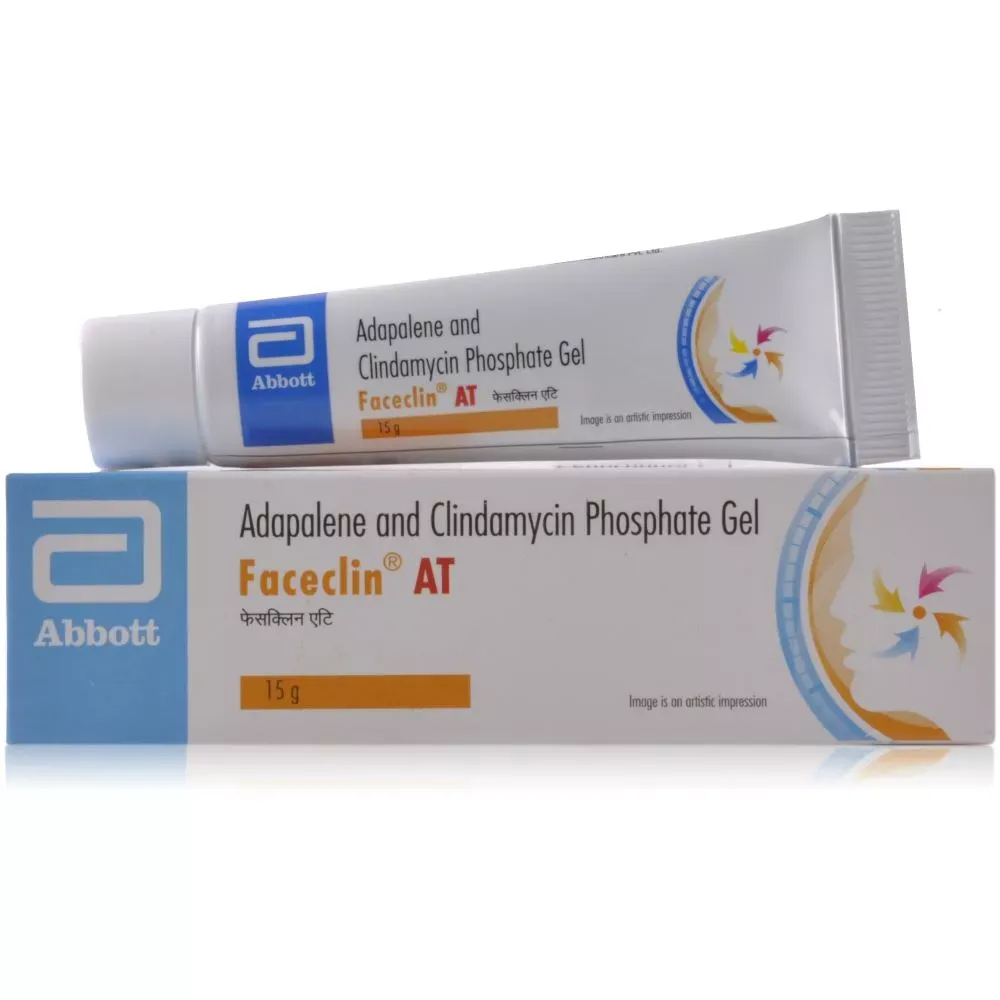
Faceclin AT Gel (Adapalene & Clindamycin)
Price range: $8.00 through $40.00
| Active Ingredient | Adapalene/Clindamycin |
|---|---|
| Manufacturer | Abbott India Pvt Ltd |
| Packaging | 15 gm in 1 tube |
| Strength | 15gm |
| Delivery Time | 6 To 15 days |
| SKU: | Faceclin AT Gel (Adapalene/Clindamycin) |
Ultimate Guide to Faceclin AT Gel (Adapalene & Clindamycin): Uses, Benefits, Side Effects, and How to Use?
Dealing with persistent acne can feel like an endless cycle of frustration. From sudden hormonal breakouts and inflamed red bumps to stubborn blackheads and clogged pores, finding an effective treatment requires addressing acne at its core biological causes. Enter Faceclin AT Gel (Adapalene & Clindamycin), one of the most widely recommended topical prescription formulations used by dermatologists to treat mild, moderate, and severe acne breakouts.
Combining a powerful third-generation retinoid with a proven broad-spectrum topical antibiotic, Faceclin AT Gel (Adapalene & Clindamycin) attacks acne through a dual-action mechanism. Whether you are battling adult acne, teenage breakouts, or persistent comedones, understanding how this formulation works, how to apply it properly, and how to manage potential initial side effects can completely transform your skincare journey.
In this comprehensive, SEO-friendly guide, we explore everything you need to know about Faceclin AT Gel (Adapalene & Clindamycin), including its key active ingredients, mechanism of action, step-by-step application tips, skin purging expectations, potential side effects, safety precautions, and frequently asked questions.
What is Faceclin AT Gel (Adapalene & Clindamycin)?
Faceclin AT Gel (Adapalene & Clindamycin) is a combination topical medication engineered specifically for the treatment of acne vulgaris. Unlike single-ingredient formulations that target only one aspect of acne formation, this combination gel unites two distinct dermatological agents:
-
Adapalene (0.1% w/w): A synthetic, stable third-generation retinoid that normalizes skin cell turnover, unplugs congested pores, and prevents new microcomedones from forming.
-
Clindamycin Phosphate (1% w/w): A broad-spectrum lincosamide antibiotic that halts the growth of acne-causing bacteria and reduces localized skin inflammation.
By merging these two active compounds into a single gel base, Faceclin AT Gel (Adapalene & Clindamycin) offers a synergistic therapeutic approach. The retinoid component opens up clogged pore pathways, allowing the topical antibiotic to penetrate deeper into the hair follicle where acne-causing bacteria thrive.
Deep Dive into the Active Ingredients
To appreciate why Faceclin AT Gel (Adapalene & Clindamycin) is so effective, it helps to examine how each active ingredient operates at the cellular level.
1. Adapalene (0.1% w/w)
Adapalene represents a major advancement in retinoid technology. Older retinoids, such as tretinoin, can be notoriously unstable when exposed to light and often cause significant cutaneous irritation. Adapalene was specifically synthesized to target retinoic acid nuclear receptors (specifically RAR-beta and RAR-gamma) found in the epidermis.
-
Pore Unclogging (Comedolytic Effect): Acne begins beneath the surface when dead skin cells (keratinocytes) stick together and trap sebum inside hair follicles. Adapalene normalizes this shedding process, stopping dead cells from clumping together.
-
Anti-Inflammatory Activity: Beyond its exfoliative properties, adapalene directly inhibits polymorphonuclear leukocyte chemotaxis and lipoxidation pathways, helping calm skin redness and swelling before a pimple fully inflames.
-
Photostability: Adapalene is significantly more stable in light and air than first-generation retinoids, making it far more tolerable for daily medical application.
2. Clindamycin Phosphate (1% w/w)
Clindamycin is a semi-synthetic lincosamide antibiotic designed to fight bacterial skin infections.
-
Inhibition of Bacterial Protein Synthesis: Clindamycin reversibly binds to the 50S ribosomal subunit of susceptible microorganisms, specifically Cutibacterium acnes (formerly known as Propionibacterium acnes). By preventing bacterial protein synthesis, it halts bacterial replication and stops population growth within hair follicles.
-
Reduction of Free Fatty Acids: C. acnes bacteria produce lipase enzymes that break down sebum into irritating free fatty acids. By suppressing these bacteria, Clindamycin reduces fatty acid concentration, directly dampening tissue inflammation and pus formation.
The Four Stages of Acne and How Faceclin AT Gel Intercepts Them
Acne vulgaris develops through four distinct, interconnected biological stages:
-
Hyperkeratinization: Abnormal accumulation and shedding of skin cells clogging the pore orifice.
-
Excess Sebum Production: Overactive sebaceous glands releasing excess oil into the follicle.
-
Bacterial Colonization: Rapid proliferation of Cutibacterium acnes inside oxygen-deprived, oil-rich pores.
-
Inflammation & Immune Response: The body sending white blood cells to attack the bacteria, resulting in red, painful, pus-filled papules and pustules.
Faceclin AT Gel (Adapalene & Clindamycin) addresses almost every stage of this cascade. Adapalene reverses hyperkeratinization and clears the blockage, while Clindamycin suppresses bacterial colonization and shuts down the inflammatory cascade. This dual action stops existing breakouts in their tracks while simultaneously fortifying the skin against future flare-ups.
Key Benefits of Faceclin AT Gel (Adapalene & Clindamycin)
Using a dual-ingredient formulation like Faceclin AT Gel (Adapalene & Clindamycin) provides several notable advantages over single-agent treatments:
-
Superior Synergistic Efficacy: Clinical studies show that combining adapalene and clindamycin achieves faster and more significant reduction in both inflammatory and non-inflammatory acne lesions than using either drug alone.
-
Treats Multiple Types of Acne: Effectively clears blackheads, whiteheads, surface papules, pus-filled pustules, and deep inflammatory nodules.
-
Decreases Risk of Antibiotic Resistance: Long-term monotherapy with topical antibiotics can cause bacteria to develop resistance. Combining clindamycin with adapalene enhances bacterial clearance and significantly lowers the likelihood of resistant bacterial strains forming.
-
Refines Skin Texture: By promoting rapid cell turnover, adapalene helps smooth rough, bumpy skin surfaces over time.
-
Fades Post-Acne Hyperpigmentation: Rapid cell renewal accelerates the fading of dark marks (post-inflammatory hyperpigmentation) left behind after old pimples heal.
How to Apply Faceclin AT Gel (Adapalene & Clindamycin) Correctly
Because Faceclin AT Gel (Adapalene & Clindamycin) contains potent active ingredients, applying it correctly is vital to maximize clear skin results while minimizing dryness, peeling, and irritation. Follow this step-by-step evening application protocol:
Step 1: Cleanse Gently
Wash your face using a mild, non-comedogenic, soap-free cleanser and lukewarm water. Avoid harsh physical scrubs, astringent toners, or cleansing brushes, as these disrupt your moisture barrier and exacerbate stinging when the gel is applied.
Step 2: Dry Thoroughly
Gently pat your skin dry with a soft, clean towel and wait 10 to 15 minutes. Applying retinoid-based products to damp skin speeds up systemic absorption too quickly, increasing the risk of stinging, redness, and severe flaking.
Step 3: Dispense a Pea-Sized Amount
Squeeze a small pea-sized drop of Faceclin AT Gel (Adapalene & Clindamycin) onto your fingertip. A single pea-sized portion is sufficient to treat your entire face. Applying extra gel will not speed up your results—it will only trigger excessive irritation and skin peeling.
Step 4: Dot and Smooth Evenly
Dot the gel lightly across your main facial zones: forehead, nose, cheeks, and chin. Smooth it evenly across your entire face in a thin layer, keeping clear of delicate sensitive zones including the skin immediately around your eyes, nostrils, lips, and open wounds.
Step 5: Moisturize (The Sandwich Method Option)
Follow up with a simple, fragrance-free moisturizer containing barrier-supporting ingredients such as ceramides, hyaluronic acid, or glycerin.
Pro-Tip: The Sandwich Technique for Sensitive Skin
If you have sensitive skin or are prone to peeling:
Apply a thin layer of light moisturizer to freshly cleansed, dry skin.
Wait 10 minutes, then apply your pea-sized amount of Faceclin AT Gel (Adapalene & Clindamycin).
Finish with another light layer of moisturizer on top.
This buffers the active ingredients to reduce irritation without compromising therapeutic efficacy.
Step 6: Morning Protection is Non-Negotiable
Retinoids increase your skin’s vulnerability to solar radiation. Every morning, wash your face with a gentle cleanser and apply a broad-spectrum sunscreen with SPF 30 or higher, even on overcast days or when remaining indoors near windows.
What to Expect: The Treatment Timeline and Skin Purging Phase
Starting Faceclin AT Gel (Adapalene & Clindamycin) requires patience and realistic expectations. Clear skin does not happen overnight, and your skin will likely go through a transition period.
Weeks 1 to 3: The Adjustment & “Purging” Phase
During the initial 2 to 3 weeks, adapalene rapidly accelerates skin cell turnover. Microcomedones lurking beneath the surface are pushed to the top all at once. This temporary breakout phase is known as skin purging.
-
What it looks like: Small pimples, whiteheads, or dry flaking patches appearing in areas where you typically get breakouts.
-
Is it normal? Yes. Purging is a positive sign that the gel is actively clearing out clogged pores. Do not stop treatment during purging unless you experience severe allergic reactions, swelling, or extreme burning.
Weeks 4 to 6: Stabilization Phase
During this period, purging subsides as your skin acclimates to the medication. Active inflammatory pimples begin drying up faster, new breakouts become smaller and less frequent, and peeling starts to lessen.
Weeks 8 to 12: Visible Transformation
By week 8 to 12, the full therapeutic benefits of Faceclin AT Gel (Adapalene & Clindamycin) become evident. Active acne lesions drop significantly, pore size appears reduced, skin texture feels smoother, and dark post-acne spots begin to fade noticeably.
Potential Side Effects and How to Manage Them
While generally well-tolerated, Faceclin AT Gel (Adapalene & Clindamycin) can cause mild cutaneous side effects during the early weeks of therapy.
Common Side Effects:
-
Dryness and Flaking: Temporary scaling as cellular turnover accelerates.
-
Mild Erythema (Redness): Light pinkness or warmth across treated areas.
-
Stinging or Burning Sensations: Mild tingling, especially when applying subsequent skincare products.
-
Photosensitivity: Heightened sensitivity to ultraviolet sunlight.
Expert Strategies to Reduce Side Effects:
-
Gradual Frequency Buildup: Do not start by applying the gel every night right away. Use it twice a week for the first two weeks, then alternate nights for two weeks, before moving to nightly application.
-
Prioritize Barrier Repair: Use moisturizers rich in ceramides, niacinamide, and fatty acids to rebuild your lipid barrier.
-
Eliminate Compounding Exfoliants: Temporarily stop using other potent actives, such as Salicylic Acid (BHA), Glycolic Acid (AHA), L-Ascorbic Acid (Vitamin C), and mechanical scrubs.
-
Avoid Harsh Chemical Treatments: Avoid facial waxing, chemical peels, and laser treatments while actively using adapalene formulations.
Precautions and Safety Information
Before starting Faceclin AT Gel (Adapalene & Clindamycin), keep the following medical precautions in mind:
1. Pregnancy and Breastfeeding
Topical retinoids, including adapalene, are contraindicated during pregnancy and planning for conception due to potential fetal risks associated with systemic retinoid exposure. Consult your healthcare provider for alternative pregnancy-safe acne treatments if you are pregnant, nursing, or planning to become pregnant.
2. Hypersensitivity and Allergies
Do not use this product if you have a known hypersensitivity to clindamycin, lincomycin, adapalene, or any inactive ingredients in the gel base. Always conduct a patch test on your inner forearm before full facial application.
3. Gastrointestinal History
Although systemic absorption of topically applied clindamycin is minimal, lincosamide antibiotics carry a theoretical risk of pseudomembranous colitis. Patients with a medical history of ulcerative colitis, regional enteritis, or antibiotic-associated colitis should consult their physician prior to use.
4. Sunburns and Damaged Skin
Never apply Faceclin AT Gel (Adapalene & Clindamycin) to sunburned skin, active eczema flares, open wounds, or severely broken skin barriers.
Faceclin AT Gel vs. Other Popular Acne Treatments
Understanding how Faceclin AT Gel (Adapalene & Clindamycin) compares to alternative acne options helps clarify its unique place in a treatment regimen:
| Feature | Faceclin AT Gel | Standalone Adapalene (0.1%) | Standalone Benzoyl Peroxide | Tretinoin Cream |
| Active Ingredients | Adapalene + Clindamycin | Adapalene | Benzoyl Peroxide | Tretinoin |
| Antibacterial Power | High (Targeted Clindamycin) | None | High (Oxidative mechanism) | None |
| Cell Turnover Rate | High | High | Mild | Very High |
| Target Breakout Type | Inflammatory & Comedonal | Blackheads & Texture | Inflammatory Bumps | Severe Comedonal & Aging |
| Irritation Potential | Mild to Moderate | Mild | Moderate to High | High |
| Fabric Bleaching Risk | No | No | Yes (Bleaches fabric) | No |
Building an Optimal Daily Skincare Routine Around Faceclin AT Gel
To achieve clear skin without damaging your skin barrier, pair Faceclin AT Gel (Adapalene & Clindamycin) with a gentle, supportive daily routine.
Morning Routine (AM):
-
Cleanser: Wash with a gentle, hydrating, non-foaming cleanser.
-
Serum (Optional): Apply a soothing Niacinamide (2-5%) serum to reduce redness and bolster barrier function.
-
Moisturizer: Apply a lightweight, non-comedogenic gel-cream or lotion.
-
Sunscreen: Finish with a broad-spectrum mineral or chemical sunscreen (SPF 30+).
Evening Routine (PM):
-
Cleanser: Remove daily dirt, oil, and sunscreen with a mild cleanser.
-
Dry: Wait 10 to 15 minutes until skin is completely dry.
-
Treatment: Apply a pea-sized drop of Faceclin AT Gel (Adapalene & Clindamycin) across the whole face.
-
Moisturizer: Lock in hydration with a ceramide-rich night cream.
Frequently Asked Questions (FAQs)
1. How long does it take for Faceclin AT Gel (Adapalene & Clindamycin) to show visible results?
Initial reductions in pimple redness and swelling often appear within 2 to 4 weeks. However, significant clearing of acne, smoother skin texture, and long-term pore clearance typically require 8 to 12 weeks of consistent night-time application.
2. Can I use Faceclin AT Gel every day?
Yes, but you should build up to daily use gradually. Start by applying it 2 to 3 times a week for the first fortnight, then move to alternate nights, and finally transition to every night as your skin tolerance increases.
3. Why must Faceclin AT Gel be applied at night?
Adapalene and other retinoids can degrade when exposed to direct light, rendering them less effective. Furthermore, applying retinoids at night allows them to work alongside your body’s natural nocturnal cellular repair processes.
4. Can I pair Faceclin AT Gel with Vitamin C or Salicylic Acid?
Avoid applying pure Vitamin C (L-ascorbic acid), Salicylic Acid (BHA), or Glycolic Acid (AHA) at the same time as Faceclin AT Gel (Adapalene & Clindamycin) at night, as layering these actives together can cause severe peeling and stinging. You may use Vitamin C in your morning routine under sunscreen once your skin has fully adapted to the gel.
5. Can I wear makeup while using Faceclin AT Gel?
Yes. You can wear cosmetics during the day. Select oil-free, non-comedogenic formulas that will not clog pores. Always gently remove all makeup before applying your evening treatment.
6. What should I do if my face starts peeling heavily?
If heavy peeling occurs, temporarily decrease application frequency to twice weekly, increase your moisturizer usage, and utilize the “sandwich technique” (applying moisturizer both before and after the gel).
7. Can I use Faceclin AT Gel indefinitely?
Because this formulation contains clindamycin (an antibiotic), dermatologists typically recommend using it for a targeted duration (such as 3 to 6 months) to control active inflammatory breakouts. Once active inflammation subsides, your dermatologist may transition you to a standalone retinoid (like adapalene alone) for long-term maintenance to prevent bacterial resistance.
8. Will Faceclin AT Gel fade post-acne spots and scars?
Yes, it effectively fades post-inflammatory hyperpigmentation (red or brown flat spots left behind by healed pimples) by accelerating epidermal cell turnover. However, deep structural indented scars (such as icepick or boxcar scars) typically require clinical procedures such as microneedling, subcision, or fractional lasers.
9. What should I do if I miss a night’s application?
If you miss an application, simply resume your regular routine the following evening. Do not double up on gel application to make up for a missed dose.
10. Does Faceclin AT Gel make skin oily?
No. While your skin may initially produce a temporary surge in surface oil as a defense mechanism against retinoid dryness, long-term use of adapalene normalizes sebum production and keeps pores clear.
Final Verdict
Achieving clear, radiant skin requires a science-backed strategy and consistent application. Faceclin AT Gel (Adapalene & Clindamycin) stands out as an exceptional, dermatologist-proven solution that addresses the root causes of acne—unclogging pores, controlling bacterial growth, and calming inflammation simultaneously.
By adopting a gentle application routine, prioritizing hydration, wearing daily sunscreen, and allowing your skin adequate time to navigate the initial purging phase, you can use Faceclin AT Gel (Adapalene & Clindamycin) to break free from the cycle of acne and enjoy long-term skin health.
Disclaimer:-
This article is strictly for educational and informational purposes and does not constitute formal medical advice. Always consult a qualified dermatologist or medical professional before starting any new prescription skin treatment.
Additional information
| unit | 1 Gel, 3 Gel, 6 Gel |
|---|


Reviews
There are no reviews yet.