
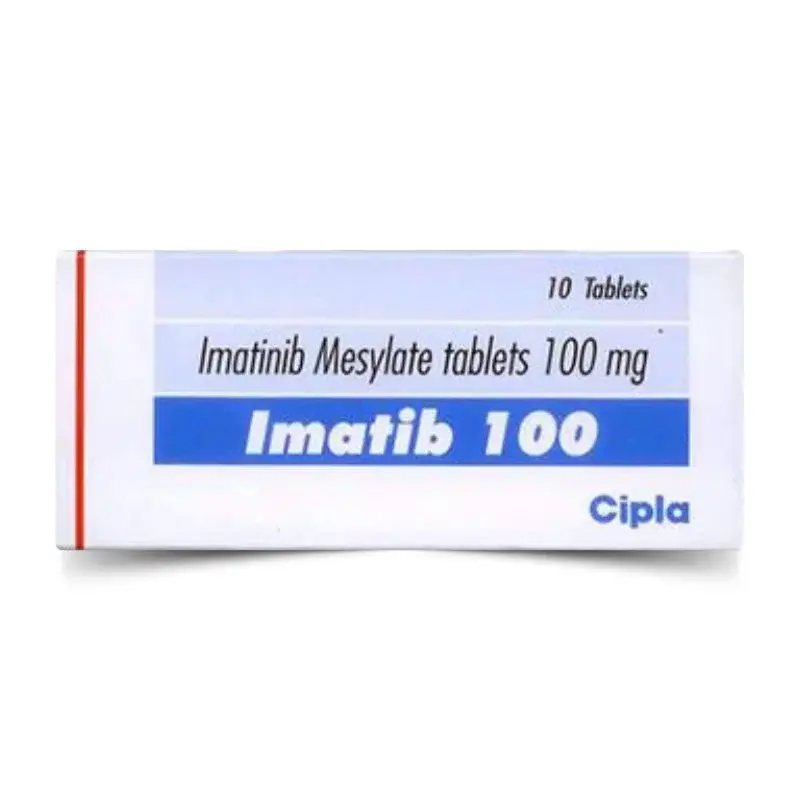
Imatib 100 Mg (Imatinib)
Price range: $123.00 through $1,050.00
| Active Ingredient | Imatinib |
|---|---|
| Manufacturer | Cipla Limited |
| Packaging | 10 tablets in 1 strip |
| Strength | 100mg, 400mg |
| Delivery Time | 6 To 15 days |
| SKU: | Imatib 100 Mg |
What Is Imatib 100 Mg (Imatinib)?
Overview of Imatib 100 Mg
Imatib 100 Mg (Imatinib) is an oral prescription medicine containing imatinib, a targeted cancer medicine known as a tyrosine kinase inhibitor. It works by blocking specific abnormal proteins that can encourage certain cancer cells to grow and multiply. Imatinib is available in 100 mg and 400 mg tablet strengths.
Imatib 100 Mg (Imatinib) may be prescribed for particular blood cancers, gastrointestinal stromal tumors (GIST), and other conditions involving specific genetic or molecular abnormalities. The exact indication depends on the patient’s diagnosis, laboratory findings, and the approved prescribing information applicable to the patient.
How Does Imatinib Work?
Imatinib blocks certain tyrosine kinases, including proteins associated with BCR-ABL, KIT, and PDGFR signaling. These proteins can contribute to abnormal cell growth in specific diseases. By inhibiting these signals, imatinib can help slow or stop the growth of susceptible abnormal cells.
Because its activity depends on particular molecular targets, Imatib 100 Mg (Imatinib) is not a general-purpose cancer treatment. Doctors select it according to the type and molecular characteristics of the disease.
What Are the Uses of Imatib 100 Mg (Imatinib)?
Chronic Myeloid Leukemia
Imatinib is used for certain patients with Philadelphia chromosome-positive chronic myeloid leukemia (Ph+ CML), including newly diagnosed disease in the chronic phase and certain advanced phases or cases following previous treatment failure.
Acute Lymphoblastic Leukemia
Imatinib may be used for Philadelphia chromosome-positive acute lymphoblastic leukemia (Ph+ ALL). In adults, it is indicated for certain relapsed or refractory cases, while pediatric treatment can involve imatinib in combination with chemotherapy under specialist supervision.
Gastrointestinal Stromal Tumors
Imatib 100 Mg (Imatinib) contains the same active medicine, imatinib, that is used for certain KIT-positive unresectable, metastatic, or recurrent gastrointestinal stromal tumors. Imatinib can also be used as adjuvant treatment following complete resection of certain KIT-positive GISTs.
Other Approved Conditions
Depending on the applicable prescribing information, imatinib can also be used for selected patients with myelodysplastic/myeloproliferative diseases associated with PDGFR rearrangements, aggressive systemic mastocytosis, hypereosinophilic syndrome or chronic eosinophilic leukemia with specified molecular characteristics, and dermatofibrosarcoma protuberans.
How Should Imatib 100 Mg Be Taken?
Follow the Prescribed Dose
The appropriate dose of Imatib 100 Mg (Imatinib) depends on the disease being treated and individual patient factors. Although a 100 mg tablet is available, some conditions require a total daily dose higher than 100 mg. Therefore, patients should never determine their dose solely from the tablet strength.
For example, the current U.S. labeling lists different doses for CML, ALL, GIST, and other conditions, while 100 mg daily may be used for selected patients with certain disorders.
How to Take the Tablet
Imatinib tablets should generally be taken with a meal and a large glass of water. Taking the medicine with food can help reduce gastrointestinal irritation. Patients should follow the schedule provided by their oncologist or other prescribing healthcare professional.
The tablet should be taken at approximately the same time each day when possible. Do not change the dose, stop treatment, or take additional tablets without medical advice.
What Are the Side Effects of Imatib 100 Mg?
Common Side Effects
Imatib 100 Mg (Imatinib) may cause side effects, although not everyone experiences them. Commonly reported reactions include edema or swelling, nausea, vomiting, muscle cramps, musculoskeletal pain, diarrhea, rash, tiredness, and abdominal pain.
Some patients may experience these effects temporarily, while others may require medical management or adjustment of treatment. Patients should tell their healthcare provider if side effects are persistent, severe, or interfere with daily activities.
Serious Side Effects
Serious reactions can occur with imatinib and require prompt medical attention. Important risks include severe fluid retention, low blood cell counts, heart problems, liver toxicity, bleeding, gastrointestinal perforation, serious skin reactions, kidney problems, and tumor lysis syndrome.
Seek urgent medical attention for symptoms such as severe breathing difficulty, significant swelling, unusual bleeding, black or bloody stools, severe abdominal pain, yellowing of the skin or eyes, severe skin blistering or peeling, or other rapidly worsening symptoms.
What Precautions Are Important With Imatib 100 Mg?
Blood Cell Monitoring
Imatinib can cause cytopenias, including anemia, neutropenia, and thrombocytopenia. Healthcare professionals may order regular complete blood counts to monitor blood cell levels during treatment.
Patients should report unusual bruising, bleeding, persistent fever, chills, or signs of infection because these symptoms can sometimes indicate low blood cell counts.
Liver and Kidney Monitoring
Imatib 100 Mg (Imatinib) can affect liver function, and severe hepatotoxicity has been reported. Liver function may therefore be assessed before and during treatment. Kidney function may also need monitoring because renal function can decline in some patients receiving imatinib.
Patients with existing liver or kidney problems should inform their healthcare provider before treatment begins.
Heart-Related Precautions
Heart failure and left ventricular dysfunction have been reported in patients receiving imatinib, particularly among people with existing heart disease or other risk factors. Patients with a history of heart problems may require closer monitoring.
Pregnancy and Breastfeeding
Imatinib can cause fetal harm when administered during pregnancy. Patients who are pregnant, planning pregnancy, or who could become pregnant should discuss appropriate precautions with their healthcare provider before starting treatment.
Patients should also discuss breastfeeding with their healthcare professional because treatment may require avoiding breastfeeding.
Does Imatib 100 Mg Interact With Other Medicines?
Medicines That Affect Imatinib Levels
Imatinib is metabolized through CYP3A pathways. Strong CYP3A4 inhibitors can increase imatinib exposure, while strong CYP3A4 inducers can decrease exposure and potentially reduce its effectiveness.
Patients should provide their doctor and pharmacist with a complete list of prescription medicines, over-the-counter products, vitamins, and herbal supplements before starting treatment.
Grapefruit and Other Interactions
Grapefruit juice can increase imatinib concentrations and should be avoided during treatment unless the prescribing healthcare professional specifically advises otherwise. Imatinib can also affect medicines metabolized by CYP3A4, making medication review particularly important.
Warfarin and other medicines with important therapeutic effects may require special consideration when used with imatinib. Patients should not start or stop interacting medicines without professional guidance.
What Should You Do If You Miss a Dose?
Missed Dose Guidance
If you miss an Imatib 100 Mg (Imatinib) dose, follow the specific instructions provided by your healthcare professional or medication guide. Do not automatically double the next dose unless your doctor has specifically instructed you to do so.
Because treatment schedules vary according to the disease and prescribed regimen, the safest approach is to contact the prescribing team or pharmacist if you are uncertain about what to do after a missed dose.
How Should Imatib 100 Mg Be Stored?
Proper Storage
Imatinib tablets should be stored at controlled room temperature and protected from moisture. One current U.S. product label specifies storage at 20°C to 25°C (68°F to 77°F).
Keep Imatib 100 Mg (Imatinib) in its original container and out of the reach of children. Do not use tablets that are damaged, improperly stored, or past their expiration date.
Who Should Take Imatib 100 Mg?
Prescription and Specialist Supervision
Imatib 100 Mg (Imatinib) is a prescription medicine that should be used only when recommended for an appropriate medical condition. Treatment generally requires specialist supervision because dosing, laboratory monitoring, drug interactions, and treatment duration depend on the underlying disease.
Individualized Treatment
The presence of a 100 mg tablet does not mean that 100 mg is the correct dose for every patient. The prescribed amount can differ substantially depending on the condition being treated.
Patients should not use leftover tablets, share the medicine with another person, or change treatment based on information intended for a different diagnosis.
Frequently Asked Questions About Imatib 100 Mg
Is Imatib 100 Mg a chemotherapy medicine?
Imatinib is a targeted anticancer medicine called a tyrosine kinase inhibitor. It works differently from many traditional cytotoxic chemotherapy medicines by targeting specific signaling proteins involved in abnormal cell growth.
Is Imatib 100 Mg used for leukemia?
Yes. Imatinib is used for certain forms of Philadelphia chromosome-positive CML and Ph+ ALL. The exact treatment plan depends on the type and phase of leukemia and the patient’s individual medical circumstances.
Can Imatib 100 Mg cure cancer?
Treatment response varies according to the disease, molecular characteristics, stage, and individual patient factors. Imatinib can produce significant disease control in conditions for which it is indicated, but patients should not assume that the medicine will cure every type of cancer.
Can I stop Imatib 100 Mg when I feel better?
No. Patients should not stop Imatib 100 Mg (Imatinib) without discussing it with their healthcare professional. Stopping targeted cancer treatment without medical supervision may affect disease control.
Final Thoughts on Imatib 100 Mg
Imatib 100 Mg (Imatinib) is a targeted prescription medicine used for several cancers and blood disorders involving specific molecular pathways. Its effectiveness depends on using it for the appropriate diagnosis, at the correct dose, and under appropriate medical supervision.
Patients taking Imatib 100 Mg (Imatinib) should attend recommended follow-up appointments and laboratory tests and report concerning symptoms promptly. Understanding possible side effects, interactions, precautions, and dosing instructions can help support safer treatment.
Medical Disclaimer:-
This information about Imatib 100 Mg (Imatinib) is provided for educational and informational purposes only and should not replace advice from a qualified doctor, oncologist, pharmacist, or other healthcare professional. Imatinib is a prescription medicine that can cause serious side effects and drug interactions. The appropriate dose and treatment duration depend on the patient’s diagnosis and medical history. Always follow the prescribing information and your healthcare professional’s instructions. Do not start, stop, or change the dose of this medicine without professional medical advice.
Additional information
| mg | 100 Mg, 400 Mg |
|---|---|
| unit | 300 Tablet, 90 Tablet, 120 Tablet, 150 Tablet |


Reviews
There are no reviews yet.