
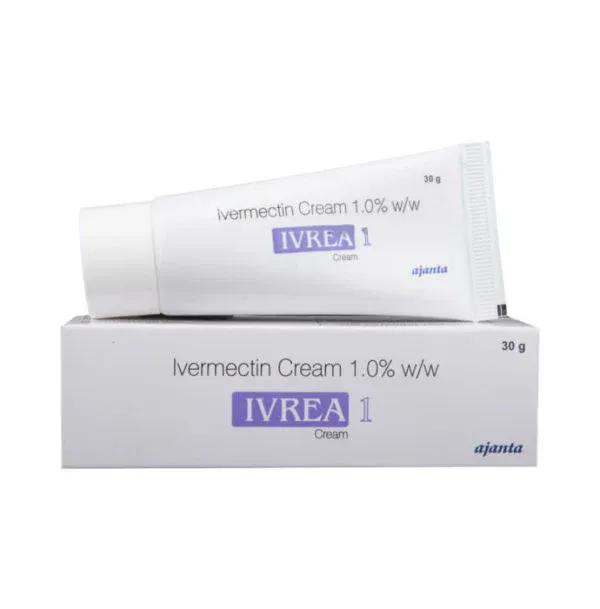
Ivrea Cream (Ivermectin)
Price range: $15.00 through $60.00
| Active Ingredient | Ivermectin |
|---|---|
| Manufacturer | Ajanta Pharma Ltd |
| Packaging | 30 gm in 1 tube |
| Strength | 1% |
| Delivery Time | 6 To 15 days |
| SKU: | Ivrea |
Ivrea Cream (Ivermectin): The Complete Dermatological Guide to Clear, Soothed Skin
Living with chronic facial redness, unpredictable flushing, and stubborn, inflamed bumps can take a heavy toll on your daily confidence. If you have been searching for a skincare solution that treats persistent redness and breakouts without causing extreme dryness or skin peeling, you have likely come across Ivrea Cream (Ivermectin).
Prescribed by dermatologists worldwide, Ivrea Cream (Ivermectin) has transformed the treatment landscape for inflammatory skin conditions like papulopustular rosacea. Rather than relying on temporary quick fixes or harsh drying agents, this targeted topical treatment addresses the root biological triggers of facial inflammation—specifically microscopic skin mites and underlying cellular inflammatory pathways.
In this comprehensive guide, we will explore everything you need to know about Ivrea Cream (Ivermectin). From its active ingredients and dual-action mechanism to step-by-step application tips, skincare compatibility, managing potential side effects, and what to expect on your journey to clearer skin, this article provides the essential insights you need.
What Is Ivrea Cream (Ivermectin)?
Ivrea Cream (Ivermectin) is a topical dermatological medication formulated primarily to treat the inflammatory papules (bumps) and pustules (pus-filled spots) associated with facial rosacea. The active ingredient in this formulation is Ivermectin at a 1% w/w concentration (10 mg per gram of cream).
Physicians classify Ivermectin as an antiparasitic agent with potent anti-inflammatory properties. While oral ivermectin has long been recognized globally for treating systemic parasitic infections, its topical formulation was specifically engineered for delicate facial skin.
Unlike heavy, greasy ointment bases or thin, alcohol-laden gels, Ivrea Cream (Ivermectin) is delivered in a lightweight, emollient cream base. This vehicle allows the active ingredient to penetrate effectively into hair follicles and sebaceous glands while simultaneously hydrating and supporting the delicate facial moisture barrier.
Product Profile Overview
| Attribute | Details |
| Primary Active Ingredient | Ivermectin (1% w/w) |
| Pharmacological Category | Macrocyclic lactone / Antiparasitic & Anti-inflammatory |
| Primary Clinical Indication | Inflammatory lesions of Papulopustular Rosacea |
| Formulation Vehicle | Smooth, hydrating topical cream base |
| Standard Dosage | Once-daily application |
| Target Population | Adults (18 years and older) |
The Science: How Ivrea Cream (Ivermectin) Works
To understand why Ivrea Cream (Ivermectin) is so highly regarded in modern dermatology, it helps to look at what causes rosacea breakouts in the first place.
For years, facial redness and pustules were treated solely as bacterial infections or vascular abnormalities. However, clinical research revealed that two main factors drive papulopustular rosacea: an overgrowth of microscopic skin-dwelling parasites called Demodex mites and an overactive localized immune response.
                  [Facial Skin Follicles]
                             │
                             ▼
              [Demodex Mite Overpopulation]
                             │
            ┌────────────────┴────────────────┐
            ▼                                 ▼
   [Parasitic Colonization]       [Immune Response & Cytokines]
            │                                 │
            └────────────────┬────────────────┘
                             ▼
            [Redness, Papules & Inflamed Bumps]
                             │
                             ▼
                 Ivrea Cream (Ivermectin)
            ┌────────────────┴────────────────┐
            ▼                                 ▼
   [Anti-Parasitic Action]         [Anti-Inflammatory Action]
   Neutralizes Demodex mites       Blocks inflammatory signaling
            │                                 │
            └────────────────┬────────────────┘
                             ▼
             [Calm, Smooth, Radiant Skin]
Ivrea Cream (Ivermectin) delivers a powerful dual-action strategy to break this cycle:
1. Targeted Anti-Parasitic Action
Demodex folliculorum are microscopic mites that naturally inhabit human hair follicles, particularly on the forehead, cheeks, nose, and chin. While small numbers of these mites are completely harmless on normal skin, individuals with rosacea often carry significantly higher densities of them.
Ivermectin belongs to the macrocyclic lactone class of compounds. When applied topically, it selectively binds to glutamate-gated chloride ion channels found in the nerve and muscle cells of the mites. This binding causes hyperpolarization of the mite’s cells, leading to paralysis and death. By reducing the Demodex mite population on the skin back to normal, healthy levels, Ivrea Cream (Ivermectin) removes a primary trigger for chronic skin flare-ups.
2. Potent Anti-Inflammatory Action
Beyond killing microscopic mites, Ivermectin actively modulates the skin’s immune system. When skin becomes inflamed, immune cells produce chemical messengers called pro-inflammatory cytokines (such as IL-1b and TNF-alpha).
Ivrea Cream (Ivermectin) suppresses the release of these inflammatory cytokines while simultaneously boosting anti-inflammatory markers like IL-10. This direct anti-inflammatory effect helps calm existing facial flushing, reduces swelling, and flattens painful, raised red bumps independently of its action on skin mites.
Primary Skin Conditions Treated by Ivrea Cream (Ivermectin)
While your dermatologist will determine whether Ivrea Cream (Ivermectin) is right for your specific needs, the medication is routinely prescribed for several key dermatological concerns:
1. Papulopustular Rosacea (Subtype 2 Rosacea)
This is the main condition for which Ivermectin 1% cream is indicated. Subtype 2 rosacea is characterized by persistent central facial redness accompanied by red bumps (papules) and small, pus-filled blemishes (pustules) that mimic teenage acne but lack blackheads or traditional clogged pores. Ivrea Cream (Ivermectin) effectively flattens these bumps and reduces the surrounding erythema (redness).
2. Demodex Folliculitis
Sometimes, an overgrowth of Demodex mites occurs outside of classic rosacea, causing itchy, rough, pinhead-sized red pimples around hair follicles on the face, neck, or chest. Because Ivermectin directly neutralizes the underlying mites, it provides rapid relief for Demodex-induced skin irritation.
3. Persistent Facial Redness and Texture Issues
Though not primarily designed as a standalone cosmetic redness reducer, fading the underlying inflammatory response and eliminating microscopic skin irritants often results in a visibly smoother, more uniform skin tone and refined texture over several weeks of consistent use.
Step-by-Step Application Guide for Best Results
Using Ivrea Cream (Ivermectin) properly ensures that the active ingredient spreads evenly across your face while minimizing the risk of localized irritation or stinging.
Step 1: Cleanse Thoroughly and Gently
Start by washing your face with a mild, non-comedogenic, sulfate-free cleanser and lukewarm water. Avoid hot water, physical face scrubs, harsh washcloths, or cleansing brushes, as mechanical friction can aggravate sensitive rosacea-prone skin.
Step 2: Dry Your Face Completely
Gently pat your skin dry with a clean, soft cotton towel. Wait 5 to 10 minutes to ensure your face is completely dry. Applying active topical creams to damp skin can cause the product to absorb too quickly, increasing the likelihood of temporary burning or stinging.
Step 3: Use the Five-Point Application Technique
Dispense a small, pea-sized amount of Ivrea Cream (Ivermectin) for each of the five main zones of your face:
-
Forehead
-
Chin
-
Nose
-
Right Cheek
-
Left Cheek
Step 4: Spread in a Thin, Even Layer
Smooth each pea-sized drop evenly across the entire corresponding zone, creating a paper-thin film over your whole face. Avoid using Ivrea Cream (Ivermectin) as a simple spot treatment on individual pimples; applying it across the entire face ensures that hidden Demodex mites in surrounding follicles are neutralized, preventing future breakouts from emerging.
Step 5: Protect Sensitive Areas and Wash Hands
Keep the cream clear of delicate areas, such as your eyes, eyelids, inner nostrils, lips, and open wounds. If accidental contact occurs, rinse thoroughly with cool water. Wash your hands thoroughly with soap after every application.
Integrating Ivrea Cream into Your Daily Skincare Routine
Consistency is key to achieving long-lasting results with Ivrea Cream (Ivermectin). Understanding how to pair it with your existing skincare products ensures your skin barrier remains healthy and hydrated.
Recommended Daily Schedule
Morning Routine (AM)
-
Gentle Cleanser: Wash face with lukewarm water or a mild hydrating cleanser.
-
Hydrating Serum / Light Moisturizer: Apply a simple, fragrance-free formula containing hyaluronic acid, ceramides, or niacinamide.
-
Broad-Spectrum Sunscreen: Protect your skin with a mineral or chemical SPF 30 or higher. Rosacea-prone skin is notoriously sensitive to UV radiation, making daily sun protection non-negotiable.
Evening Routine (PM)
-
Gentle Cleanser: Wash away daily dirt, oil, and sunscreen.
-
Dry Skin Completely: Wait until facial skin is totally dry.
-
Treat: Apply a thin layer of Ivrea Cream (Ivermectin) across all five facial zones.
-
Moisturize (If Needed): If your skin feels dry, wait 10 to 15 minutes after applying the cream before layering a nourishing, barrier-repairing night moisturizer on top.
                  ┌──────────────────────────────────────────┐
                  │        DAILY AM/PM ROUTINE LAYERING       │
                  └────────────────────┬─────────────────────┘
                                       │
          ┌────────────────────────────┴────────────────────────────┐
          ▼                                                         ▼
   [MORNING (AM)]                                            [EVENING (PM)]
   1. Gentle Cleanser                                        1. Gentle Cleanser
   2. Light Moisturizer                                      2. Dry Skin Fully
   3. Broad-Spectrum SPF 30+                                 3. Ivrea Cream (Ivermectin)
                                                             4. Barrier Moisturizer (Optional)
Skincare Ingredients to Pair Safely
-
Niacinamide (Vitamin B3): Helps strengthen the lipid barrier, calms localized flushing, and improves skin resilience.
-
Ceramides & Fatty Acids: Essential for restoring moisture and preventing transepidermal water loss.
-
Hyaluronic Acid & Glycerin: Excellent humectants that draw moisture into the skin without clogging pores.
Ingredients to Avoid or Pause
-
Strong Hydroxy Acids (AHAs/BHAs): High concentrations of glycolic acid, lactic acid, or salicylic acid can over-exfoliate skin and compromise your barrier while using Ivermectin.
-
Harsh Physical Scrubs: Walnut shells, sugar scrubs, and stiff facial brushes create micro-tears that worsen rosacea redness.
-
Alcohol-Based Toners: Products containing denatured alcohol, witch hazel, or synthetic fragrances can trigger stinging and intense facial flushing.
Realistic Timeline: What to Expect During Treatment
Healing rosacea and rebalancing the skin ecosystem takes time. Here is what a typical progress timeline looks like when using Ivrea Cream (Ivermectin) once daily:
Weeks 1 to 2: The Adaptation Phase
During the first fortnight, your skin gets used to the new active ingredient. You may feel a slight, temporary tingling or mild warmth upon application, which usually fades within minutes.
Note on the “Mite Die-Off” Flare: A small percentage of users experience a minor increase in tiny bumps around day 5 to day 10. This is often referred to as a Demodex die-off reaction. As the mites perish, they release trapped proteins that can briefly stimulate a localized immune response. This reaction is temporary and usually resolves quickly with continued application.
Weeks 3 to 4: Initial Signs of Improvement
By the end of the first month, active inflammatory lesions begin to calm down. Raised bumps feel less tender, pus-filled pustules clear up faster, and overall facial tightness begins to ease.
Weeks 6 to 8: Significant Clinical Progress
By weeks 6 to 8, most users observe a major reduction in both the number and severity of rosacea spots. Facial redness softens, and overall skin texture feels visibly smoother and more balanced.
Weeks 12 and Beyond: Long-Term Clearance and Maintenance
Clinical trials demonstrate that maximum clearance is typically achieved between weeks 12 and 16. Continued daily or maintenance use (as directed by your physician) helps prevent future Demodex overpopulation, keeping your skin clear and calm over the long haul.
Potential Side Effects and How to Manage Them
Ivrea Cream (Ivermectin) boasts an excellent safety profile and is generally much better tolerated than traditional topical treatments like retinoids or benzoyl peroxide. However, mild side effects can occasionally occur.
| Side Effect | Occurrence Rate | Typical Symptoms | Practical Management Strategy |
| Skin Burning / Stinging | Common (Initial Phase) | Mild, brief heat or prickling upon application. | Ensure skin is 100% dry before applying. Do not apply on damp skin. |
| Dryness / Flaking | Less Common | Light scaling around the nose or mouth. | Layer a ceramide-rich moisturizer 15 minutes after applying the cream. |
| Skin Pruritus (Itching) | Less Common | Mild, occasional itchiness as skin adapts. | Avoid hot showers; apply cool compresses and soothing moisturizers. |
| Contact Dermatitis | Rare | Persistent redness, rash, or localized swelling. | Discontinue use temporarily and consult your treating dermatologist. |
If you experience persistent burning, severe skin peeling, or signs of an allergic reaction (such as swelling of the face, lips, or throat), stop using the cream immediately and seek medical evaluation.
Essential Safety Precautions and Considerations
Before starting Ivrea Cream (Ivermectin), keep the following medical precautions in mind:
1. External Use Only
Ivrea Cream (Ivermectin) is strictly meant for topical application on the face. It must never be ingested orally, used inside the nasal passages, or applied internally.
2. Pregnancy and Breastfeeding
The safety of topical Ivermectin during pregnancy and lactation has not been extensively established in human clinical trials. If you are pregnant, planning to become pregnant, or nursing, discuss alternative treatments with your doctor before applying this medication.
3. Pediatric Population
The safety and efficacy of Ivrea Cream (Ivermectin) in children and adolescents under 18 years of age have not been established. It is intended for adult use only unless specifically directed by a pediatric dermatologist.
4. Liver Health Considerations
Topical application results in minimal systemic absorption of Ivermectin into the bloodstream. However, individuals with severe pre-existing liver disease should inform their physician before starting treatment so their overall medication regimen can be reviewed.
Ivrea Cream (Ivermectin) vs. Other Popular Rosacea Treatments
When managing rosacea, dermatologists have several topical options available. Understanding how Ivrea Cream (Ivermectin) compares to other treatments helps clarify why it might be chosen for your skin:
| Comparative Feature | Ivrea Cream (Ivermectin 1%) | Metronidazole (0.75% / 1%) | Azelaic Acid (10% – 15%) |
| Primary Mechanism | Anti-parasitic (Demodex) + Anti-inflammatory | Anti-inflammatory + Mild antibacterial | Anti-inflammatory + Keratolytic (exfoliating) |
| Target Symptoms | Papules, pustules, redness | Papules and pustules | Bumps, texture, hyperpigmentation |
| Speed of Action | Noticeable results in 2–4 weeks | Noticeable results in 4–8 weeks | Noticeable results in 4–8 weeks |
| Tolerability Profile | Very high; gentle cream base | High; generally well tolerated | Moderate; can cause stinging or dry flaking |
| Application Frequency | Once daily | Once or twice daily | Twice daily |
While Metronidazole and Azelaic Acid remain valuable tools in rosacea care, Ivrea Cream (Ivermectin) stands apart due to its unique ability to neutralize Demodex mites directly while offering a gentle, highly hydrating texture that minimizes barrier disruption.
Frequently Asked Questions (FAQs)
1. Is Ivrea Cream (Ivermectin) an antibiotic?
No. Ivrea Cream (Ivermectin) is not an antibiotic. It belongs to the macrocyclic lactone family of antiparasitic medications and exhibits strong anti-inflammatory properties. Because it is not an antibiotic, using it long-term does not run the risk of causing bacterial antibiotic resistance.
2. Can I wear makeup over Ivrea Cream (Ivermectin)?
Yes. You can safely apply makeup over Ivrea Cream (Ivermectin). Simply apply the cream to clean, dry skin, allow it to absorb fully for 5 to 10 minutes, apply your daily moisturizer and sunscreen, and then apply your cosmetics as usual.
3. What should I do if I miss a daily dose?
If you forget to apply your cream at night, simply apply it the following evening during your normal routine. Do not apply extra cream or double up on doses to make up for a missed application.
4. Can Ivrea Cream (Ivermectin) be used for regular teenage acne?
While both rosacea bumps and teenage acne can look similar, they have different root causes. Teen acne is primarily driven by excess oil production and Cutibacterium acnes bacteria, whereas rosacea is driven by vascular sensitivity and Demodex mites. While Ivermectin has mild anti-inflammatory benefits, traditional acne treatments like salicylic acid, benzoyl peroxide, or retinoids are generally preferred for standard acne.
5. Will Ivrea Cream completely cure my rosacea?
Rosacea is a chronic, long-term skin condition without a permanent cure, but its symptoms can be managed effectively. Ivrea Cream (Ivermectin) can clear active bumps and reduce redness significantly, keeping your skin clear and comfortable for extended periods when used as directed by your physician.
6. How should Ivrea Cream (Ivermectin) be stored?
Store the tube at controlled room temperature, away from excessive heat, direct sunlight, and moisture. Keep the cap tightly sealed when not in use, and ensure the product is stored out of reach of children and pets.
Final Verdict: Is Ivrea Cream Right for You?
Managing sensitive, rosacea-prone skin requires a balanced approach that combines gentle skincare habits with targeted, medical-grade treatments. Ivrea Cream (Ivermectin) provides an effective, scientifically proven way to treat facial inflammation, clear painful red bumps, and restore a calm, even-toned complexion.
By addressing both parasitic colonization and cellular inflammation without irritating your delicate skin barrier, it remains one of the most reliable and gentle options in modern dermatological care.
If you are tired of struggling with persistent facial redness and bumps, schedule a consultation with a board-certified dermatologist to discuss whether Ivrea Cream (Ivermectin) is the right addition to your skin health journey.
Medical Disclaimer:-
The information provided in this guide is strictly for educational and informational purposes and should not be used as a substitute for professional medical advice, diagnosis, or treatment. Always consult a qualified dermatologist or primary care physician with any questions you may have regarding a medical condition or prescription therapy.
Additional information
| unit | 1 Cream, 3 Cream, 6 Cream |
|---|





Reviews
There are no reviews yet.