
Metrogyl Gel (Metronidazole)
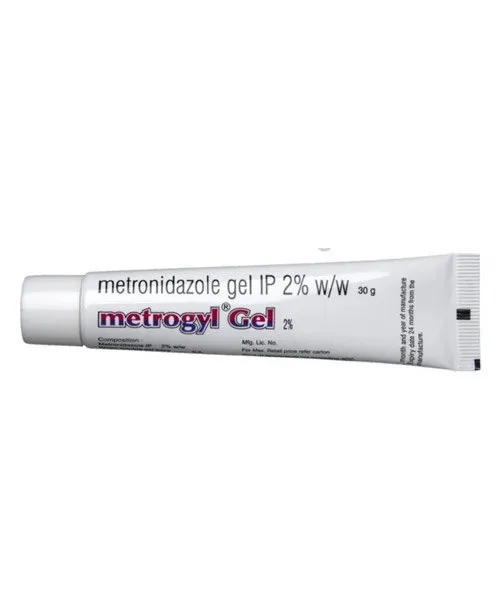
Price range: $6.00 through $35.00
| Active Ingredient | Metronidazole |
|---|---|
| Manufacturer | J. B. Chemicals and Pharmaceuticals Ltd |
| Packaging | 30 gm in 1 tube |
| Strength | 2% |
| Delivery Time | 6 to 15 days |
| SKU: | Metrogyl Gel (Metronidazole) |
Metrogyl Gel (Metronidazole): The Ultimate Guide to Uses, Benefits, Application, Side Effects, and Precautions
Dealing with persistent facial redness, inflamed skin bumps, or stubborn bacterial cutaneous infections can feel like an endless uphill battle. Skin conditions like rosacea and inflammatory acne do not just affect your physical appearance; they can also undermine your self-confidence, disrupt daily routines, and make finding the right skincare products a frustrating trial-and-error process. While heavy oral antibiotics and aggressive chemical treatments often come with unwanted systemic side effects, targeted topical treatments offer a gentler, highly effective pathway to skin restoration.
Metrogyl Gel (Metronidazole) is one of the most widely recommended topical dermatological treatments prescribed by physicians and dermatologists worldwide. Formulated specifically to combat skin inflammation, localized bacterial activity, and the distressing symptoms of rosacea, this medication provides direct, concentrated relief right where your skin needs it most.
In this comprehensive guide, we will explore everything you need to know about Metrogyl Gel (Metronidazole)—including how it functions within the skin barrier, its primary clinical indications, optimal application techniques, potential side effects, important safety precautions, and how to seamlessly integrate it into a sensitive skin routine.
What is Metrogyl Gel (Metronidazole)?
Metrogyl Gel (Metronidazole) is a prescription topical gel containing metronidazole as its active pharmaceutical ingredient. Metronidazole belongs to the nitroimidazole class of antimicrobial and antiprotozoal agents. While oral metronidazole is famously used to treat internal bacterial and parasitic infections, its topical formulation—such as Metrogyl Gel (Metronidazole)—is optimized for direct skin application.
Unlike heavy, greasy creams that can clog pores or exacerbate skin inflammation, Metrogyl Gel (Metronidazole) is formulated in a light, water-based gel vehicle. This allows the medication to absorb quickly into the epidermal layers, cooling irritated skin while delivering therapeutic doses of the active ingredient directly to inflamed follicles and tissues.
Key Product Highlights
| Feature | Details |
| Active Ingredient | Metronidazole (typically 0.75% or 1% w/w) |
| Pharmacological Class | Topical Antimicrobial & Anti-inflammatory Agent |
| Primary Indications | Rosacea (Papulopustular & Erythematotelangiectatic), Inflammatory Skin Lesions, Infected Wounds |
| Formulation Type | Water-based, oil-free, non-comedogenic topical gel |
| Route of Administration | External dermatological application only |
| Primary Mechanism | Suppresses oxidative stress, reduces bacterial load, diminishes facial redness and papules |
Mechanism of Action: How Metrogyl Gel (Metronidazole) Works
To understand why Metrogyl Gel (Metronidazole) is so effective, it helps to examine the underlying factors that drive conditions like rosacea and inflammatory skin lesions.
Rosacea and infected skin lesions are characterized by a combination of vascular hyperreactivity, heightened oxidative stress, and an overreaction of the innate immune system. When the skin barrier becomes compromised, microscopic organisms and cellular debris trigger inflammatory cascades. Neutrophils (a type of white blood cell) flood the area, releasing reactive oxygen species (ROS) that damage surrounding skin tissue, widen blood vessels, and cause red papules and pustules.
The Dual Action of Metronidazole
Metrogyl Gel (Metronidazole) works through a unique dual-action mechanism that addresses both the biological causes and physical symptoms of skin inflammation:
-
Potent Anti-Inflammatory Action: The primary reason Metrogyl Gel (Metronidazole) succeeds in treating rosacea is its ability to reduce oxidative stress. Metronidazole acts as a free radical scavenger, blocking the release of reactive oxygen species from activated neutrophils. By dampening this cellular fire, the gel reduces tissue destruction, calms persistent facial flushing, and shrinks swollen, painful skin bumps.
-
Targeted Antimicrobial Activity: Metronidazole enters susceptible microbial cells where it undergoes chemical reduction. This process forms unstable intermediate compounds that bind to microbial DNA, disrupting protein synthesis and causing cell death in susceptible anaerobic bacteria and microorganisms that colonize inflamed hair follicles and skin pores.
-
Vascular Stabilization Support: While it does not directly shrink large structural blood vessels, by eliminating localized tissue inflammation around capillary networks, Metrogyl Gel (Metronidazole) helps tone down the intensity of chronic facial erythema (redness).
Primary Medical Uses of Metrogyl Gel (Metronidazole)
Dermatologists regularly prescribe Metrogyl Gel (Metronidazole) for a variety of inflammatory and infectious skin conditions. Its versatile, non-greasy profile makes it suitable for oily, combination, and highly reactive skin types.
1. Rosacea Management (Papulopustular & Erythematotelangiectatic)
Rosacea is a chronic skin disorder that predominantly affects the central face—including the cheeks, nose, chin, and forehead. It manifests as persistent flushing, visible spider veins (telangiectasia), and acne-like bumps (papules and pustules).
-
Metrogyl Gel (Metronidazole) is considered a cornerstone, first-line topical therapy for papulopustular rosacea.
-
It rapidly flattens inflammatory bumps, reduces pus-filled lesions, and smooths overall skin texture.
-
Regular daily application significantly reduces the frequency and severity of rosacea flare-ups.
2. Perioral Dermatitis
Perioral dermatitis is an irritating, rash-like condition featuring tiny red bumps around the mouth, chin, and nose. It is often triggered or worsened by the overuse of topical steroid creams or heavy cosmetics. Metrogyl Gel (Metronidazole) helps clear these delicate skin eruptions without causing the rebound inflammation associated with steroids.
3. Infected Cutaneous Ulcers and Wounds
In wound care management, Metrogyl Gel (Metronidazole) is frequently applied to pressure sores, diabetic foot ulcers, and fungating wound lesions. Beyond controlling anaerobic bacterial contamination within the wound bed, the gel excels at neutralizing foul odors caused by bacterial metabolism, greatly improving patient comfort and hygiene.
4. Inflammatory Acne Vulgaris and Folliculitis
While traditional acne is often treated with benzoyl peroxide or retinoids, some individuals with highly sensitive skin or co-existing rosacea cannot tolerate harsh acne treatments. Metrogyl Gel (Metronidazole) provides a gentle alternative that calms red, swollen acne breakouts and inflamed hair follicles (folliculitis) without stripping the skin’s moisture barrier.
How to Apply Metrogyl Gel (Metronidazole) Correctly
Using Metrogyl Gel (Metronidazole) properly is critical to achieving clear skin while minimizing skin irritation. Following a consistent step-by-step skin application technique ensures maximum absorption and therapeutic benefit.
Step-by-Step Application Guide
-
Cleanse the Skin Gently: Wash the affected skin area with a mild, fragrance-free, non-comedogenic cleanser and lukewarm water. Avoid using harsh scrubbers, exfoliants, or hot water, which can trigger facial flushing and compromise your skin barrier.
-
Pat Completely Dry: Gently pat your skin dry with a soft, clean towel. Wait approximately 10 to 15 minutes before applying the gel. Applying topical medications to damp skin can increase depth of penetration too quickly, potentially causing mild stinging or irritation.
-
Dispense a Small Amount: Squeeze a thin, pea-sized amount of Metrogyl Gel (Metronidazole) onto clean fingertips. A little goes a long way; applying excessive amounts will not speed up your results and may cause unnecessary dryness.
-
Apply a Smooth, Thin Layer: Smooth the gel evenly across the affected areas of your face or body, massaging gently until it absorbs completely. Avoid getting the gel too close to the delicate eyelid margins, corners of the nose, and lips.
-
Wash Your Hands: Thoroughly clean your hands with soap and water after application to prevent accidentally rubbing the gel into your eyes.
-
Follow with Moisturizer and Sunscreen: Allow Metrogyl Gel (Metronidazole) to dry for 5 to 10 minutes before applying a light, hydrating moisturizer. During daytime hours, finish your routine with a broad-spectrum mineral sunscreen (SPF 30 or higher) containing zinc oxide or titanium dioxide.
Recommended Dosage and Frequency
-
Standard Frequency: Metrogyl Gel (Metronidazole) is typically applied once or twice daily (morning and evening), exactly as directed by your prescribing physician.
-
Duration of Treatment: Clinical improvement usually becomes visible within 3 to 6 weeks of continuous use, with peak results appearing around week 9 to 12. Because conditions like rosacea are chronic, your doctor may recommend maintenance application even after your skin clears up.
Key Benefits of Metrogyl Gel (Metronidazole) Over Oral Alternatives
When treating dermatological issues, choosing a topical formulation like Metrogyl Gel (Metronidazole) over oral antibiotic pills offers several distinct biological and practical advantages:
-
Targeted Local Delivery: The active drug is concentrated directly in the diseased tissue, eliminating skin pathogens and inflammation precisely where needed.
-
Minimized Systemic Exposure: Very little metronidazole is absorbed into the bloodstream when applied topically. This drastically lowers the risk of systemic side effects like stomach upset, metallic taste, nausea, or systemic yeast infections common with oral antibiotics.
-
Preservation of Gut Microbiome: Oral antibiotics can disrupt delicate intestinal flora. Metrogyl Gel (Metronidazole) spares your digestive system, making it safe for long-term maintenance protocols.
-
Cosmetically Elegant Formulation: The water-based gel is non-greasy, invisible upon drying, and leaves no oily residue, making it ideal for layering under light daily makeup or mineral powder.
-
High Skin Tolerability: Metronidazole gel is exceptionally well-tolerated, even by individuals with hyper-reactive, easily flushed, or compromised skin barriers.
Potential Side Effects of Metrogyl Gel (Metronidazole)
While Metrogyl Gel (Metronidazole) is widely praised for its safety and mild profile, some individuals may experience transient local skin reactions during the initial phases of treatment as their skin adjusts.
Common Mild Side Effects
These localized reactions are generally mild, temporary, and easily managed with proper moisturization:
-
Mild Skin Dryness or Flaking: A temporary drop in surface moisture content where the gel is applied.
-
Transient Stinging or Burning: A brief sensation of warmth immediately following application, which usually subsides within a few minutes.
-
Local Erythema (Redness): Temporary mild pinkness as the skin adapts to the gel base.
-
Tightness or Pruritus (Itching): A light pulling sensation on the skin surface as the gel matrix dries.
Rare or Serious Side Effects
Although rare, if you experience any of the following symptoms, wash the gel off immediately and seek guidance from your dermatologist:
-
Severe Skin Irritation or Contact Dermatitis: Intense redness, swelling, burning, or oozing blisters.
-
Allergic Reactions: Hives, facial swelling (angioedema), or difficulty breathing (indicative of a severe systemic hypersensitivity).
-
Ocular Irritation: Watery, bloodshot, or burning eyes caused by applying the gel too close to the eye area or accidental transfer from unwashed hands.
Side Effect Management Matrix
| Side Effect | Typical Severity | Recommended Action |
| Mild Dryness / Tightness | Mild | Apply a gentle, ceramide-rich moisturizer 10 minutes after gel application. |
| Brief Stinging on Application | Mild | Ensure skin is completely dry before applying; reduce frequency to once daily temporarily. |
| Mild Skin Flaking | Mild to Moderate | Avoid scrubbing; use a gentle barrier-repair cream and consult your doctor. |
| Severe Redness or Blistering | Severe | Discontinue use immediately, wash skin gently, and contact your doctor. |
| Eye Burning / Watery Eyes | Moderate | Rinse eyes thoroughly with cool water; keep application away from eye contours. |
Important Precautions and Safety Guidelines
To ensure your treatment with Metrogyl Gel (Metronidazole) remains safe and effective, keep the following health precautions in mind.
1. Avoid Eye and Mucous Membrane Contact
Metrogyl Gel (Metronidazole) is formulated strictly for external skin application. It can cause severe tearing, burning, and redness if it comes into contact with your eyes, inside your nose, or on your lips. If accidental contact occurs, flush the area immediately with generous amounts of cool tap water.
2. Sun Sensitivity and UV Protection
Although metronidazole does not cause extreme photosensitivity compared to oral tetracyclines, exposure to ultraviolet (UV) light can degrade metronidazole on the skin, reducing its effectiveness. Furthermore, UV radiation is a primary trigger for rosacea flare-ups. Always wear a broad-spectrum sunscreen and protective hats when stepping outdoors.
3. Pregnancy and Lactation Considerations
-
Pregnancy: Metrogyl Gel (Metronidazole) is classified as a FDA Pregnancy Category B medication. Because systemic absorption through the skin is minimal, it is generally considered safer than oral antibiotics. However, it should only be used during pregnancy if clearly needed and explicitly prescribed by your obstetrician or dermatologist.
-
Breastfeeding: Metronidazole passes into human milk following systemic administration. Although topical absorption is extremely low, nursing mothers should avoid applying the gel directly to the chest area to prevent accidental oral ingestion by the infant.
4. Alcohol Consumption Awareness
When metronidazole is taken orally, consuming alcohol can trigger a uncomfortable disulfiram-like reaction (causing flushing, rapid heartbeat, nausea, and vomiting). While the amount of metronidazole absorbed into the blood from Metrogyl Gel (Metronidazole) is negligible, individuals who are extremely sensitive may still want to exercise caution with heavy alcohol intake during intensive therapy.
Drug Interactions and Skincare Compatibility
Combining Metrogyl Gel (Metronidazole) with the right skincare products enhances its therapeutic power, while combining it with harsh active ingredients can compromise your skin barrier.
Skincare Ingredients to Pair Wisely
-
Ceramides and Hyaluronic Acid: Excellent companions. These hydrating ingredients repair the lipid barrier, lock in moisture, and counteract any mild dryness caused by the gel.
-
Niacinamide (Vitamin B3): Niacinamide works synergistically with Metrogyl Gel (Metronidazole) by strengthening skin resilience, calming inflammation, and reducing facial blotchiness.
-
Gentle Mineral Sunscreens: Zinc oxide sunscreens offer physical UV defense while providing additional soothing properties for red, angry skin.
Ingredients and Products to Avoid or Limit
-
Harsh Exfoliating Acids (AHAs/BHAs): High concentrations of glycolic acid, lactic acid, or salicylic acid can strip delicate skin, leading to severe burning when Metrogyl Gel (Metronidazole) is applied.
-
Topical Retinoids (Tretinoin, Adapalene): Combining retinoids with metronidazole can cause excessive dryness and scaling unless carefully staged under medical supervision (e.g., applying metronidazole in the morning and retinoid at night).
-
Alcohol-Based Toners and Astringents: Products containing denatured alcohol, witch hazel, or menthol strip natural cutaneous oils, intensifying skin irritation.
-
Blood Thinners (Warfarin): Although rare due to low systemic absorption, topical metronidazole may theoretically enhance the anticoagulant effect of warfarin in extremely high doses over large surface areas. Inform your doctor if you take blood thinners.
Lifestyle and Skincare Tips for Managing Sensitive Skin and Rosacea
While Metrogyl Gel (Metronidazole) works at a microscopic level to calm cellular inflammation, adopting daily lifestyle habits that minimize environmental triggers will dramatically accelerate your path to clearer skin.
1. Identify and Track Personal Triggers
Rosacea and sensitive skin flare-ups are often sparked by specific environmental or dietary triggers. Keep a simple daily log to identify what causes your skin to flush. Common triggers include:
-
Spicy foods and hot beverages.
-
Red wine and alcoholic drinks.
-
Extreme heat, hot showers, or freezing winds.
-
Emotional stress and intense physical exertion.
2. Simplify Your Daily Skincare Routine
When dealing with active skin inflammation, less is truly more. Adopt a minimalist routine focused on healing:
-
Morning Routine: Gentle hydrating cleanser $\rightarrow$ Thin layer of Metrogyl Gel (Metronidazole) $\rightarrow$ Light bland moisturizer $\rightarrow$ Mineral SPF 30+.
-
Evening Routine: Gentle cleanser $\rightarrow$ Thin layer of Metrogyl Gel (Metronidazole) $\rightarrow$ Barrier repair cream containing ceramides or fatty acids.
3. Practice Thermal Protection
Avoid washing your face with hot water, as high temperatures dilate facial blood vessels and intensify flushing. Opt for tepid or cool water instead. In cold or windy weather, wear a soft scarf over your face to protect sensitive skin from harsh windburn.
Frequently Asked Questions (FAQs)
1. How long does it take for Metrogyl Gel (Metronidazole) to show noticeable results?
Most users begin to notice subtle reductions in skin tenderness and redness within 3 to 4 weeks of consistent daily use. However, significant flattening of papules and pustules typically takes 8 to 12 weeks. Consistency is key—do not stop applying the gel early even if initial progress feels gradual.
2. Can I apply makeup after using Metrogyl Gel (Metronidazole)?
Yes, you can apply makeup over Metrogyl Gel (Metronidazole). Allow the gel to dry completely for about 5 to 10 minutes, apply your daily moisturizer and sunscreen, and then layer your makeup. Opt for light, oil-free, non-comedogenic foundations or green-tinted mineral powders designed to neutralize red tones.
3. Can I use Metrogyl Gel (Metronidazole) for regular acne breakouts?
While Metrogyl Gel (Metronidazole) is primarily designed for rosacea and specific inflammatory skin lesions, it can help reduce inflammation in mild-to-moderate acne vulgaris, especially for people who cannot tolerate traditional acne treatments like benzoyl peroxide or retinoids. Consult your dermatologist to see if it is suitable for your specific acne type.
4. Should I apply Metrogyl Gel (Metronidazole) all over my face or just on spots?
For conditions like rosacea, Metrogyl Gel (Metronidazole) is generally meant to be applied as a thin layer across the entire affected region (such as the entire cheek area, chin, or forehead), rather than strictly as a spot treatment. This helps prevent new inflammatory lesions from forming in surrounding hair follicles.
5. What should I do if I miss a scheduled application?
If you forget to apply your dose of Metrogyl Gel (Metronidazole), apply it as soon as you remember that day. If it is almost time for your next scheduled application, skip the missed dose and resume your normal routine. Do not double up or apply extra gel to make up for a missed application.
6. Can Metrogyl Gel (Metronidazole) be used long-term?
Yes. Because topical metronidazole has minimal systemic absorption and a low risk of causing bacterial resistance compared to oral antibiotics, dermatologists frequently prescribe it for long-term maintenance therapy to keep chronic skin conditions like rosacea under control.
7. Does Metrogyl Gel (Metronidazole) cause skin peeling or purging?
Unlike topical retinoids or exfoliating acids, Metrogyl Gel (Metronidazole) does not speed up cellular turnover, so it does not cause true skin “purging” (breakouts bringing impurities to the surface). Some mild dryness or light flaking can occur initially, but this is a temporary side effect rather than purging.
8. How should Metrogyl Gel (Metronidazole) be stored?
Store the tube tightly closed at room temperature (below 25°C or 77°F), away from direct sunlight, excessive heat, and moisture (avoid storing it in a humid bathroom cabinet). Keep the tube out of reach of children and pets, and do not freeze the gel.
Final Perspective
Achieving calm, clear, and healthy skin requires a treatment approach that balances potent anti-inflammatory action with gentleness. Metrogyl Gel (Metronidazole) remains a gold-standard topical solution because it directly targets the root causes of skin inflammation, redness, and bacterial imbalance without subjecting your body to the heavy burden of oral medications.
By applying Metrogyl Gel (Metronidazole) consistently as prescribed, protecting your skin from UV exposure, avoiding known flare-up triggers, and nourishing your skin barrier with gentle hydrating products, you can effectively master rosacea and inflammatory skin conditions. If you are struggling with persistent facial redness or bumps, speak with a qualified dermatologist to see if Metrogyl Gel (Metronidazole) is the right key to unlocking your skin’s health and clarity.
Disclaimer:-
This information about Metrogyl Gel (Metronidazole) is provided for educational purposes only and should not replace professional medical advice, diagnosis, or treatment. Use this medicine only as directed by a qualified healthcare professional. Consult your doctor or pharmacist if you have questions about its suitability, application, possible side effects, drug interactions, pregnancy, or other health concerns.
Additional information
| unit | 1 Gel, 3 Gel, 6 Gel |
|---|


Reviews
There are no reviews yet.