
- “Sebifin Cream (Terbinafine)” already exists in your wishlist
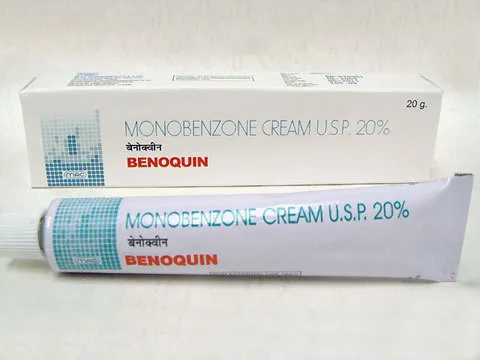
Monobenzone Cream U.S.P. 20
Price range: $48.00 through $210.00
| Active Ingredient | Monobenzone |
|---|---|
| Manufacturer | Brinton Pharmaceuticals |
| Packaging | 20gm in 1 tube |
| Strength | U.S.P. 20 |
| Delivery Time | 6 To 15 days |
| SKU: | Monobenzone Cream U.S.P. 20 |
The Complete Guide to Monobenzone Cream: Uses, Benefits, Application, and Safety
Living with extensive skin conditions can be an emotional and physical journey. For individuals managing widespread vitiligo, achieving an even, consistent skin tone often becomes a primary focus. Among the dermatological treatments available today, Monobenzone Cream stands out as a unique and powerful therapeutic option designed specifically for depigmentation therapy.
Unlike standard cosmetic skin-lightening creams that temporarily fade dark spots or blemishes, Monobenzone Cream works differently. It is an intensive prescription treatment intended to remove the remaining pigment in skin affected by extensive vitiligo, creating a uniform appearance.
This comprehensive guide covers everything you need to know about Monobenzone Cream: how it works, who it is for, how to use it safely, what to expect during treatment, and essential precautions to keep in mind.
What is Monobenzone Cream?
Monobenzone Cream (containing the active ingredient monobenzyl ether of hydroquinone) is a topical depigmenting agent. It belongs to a chemical class known as hydroquinone derivatives, but its biological effect is fundamentally distinct from typical skin-lightening ingredients.
When applied to the skin, Monobenzone Cream selectively breaks down melanin—the natural pigment responsible for skin, hair, and eye color—and permanently inhibits the melanocytes (pigment-producing cells) from generating new melanin.
Primary Medical Purpose
The main medical indication for Monobenzone Cream is the treatment of widespread vitiligo. Vitiligo is an autoimmune disorder in which the body’s immune system mistakenly attacks its own melanocytes, resulting in patches of smooth, white skin devoid of pigment.
When vitiligo affects more than 50% to 70% of the body surface area, attempting to repigment the white patches with phototherapy or topical steroids often yields limited or inconsistent results. In these cases, dermatologists may recommend depigmentation therapy using Monobenzone Cream to lighten the remaining naturally pigmented skin so that it matches the depigmented vitiligo patches.
How Monobenzone Cream Works at a Cellular Level
To understand how Monobenzone Cream alters skin tone, it helps to take a closer look at skin physiology.
[Applied Monobenzone Cream]
          │
          ▼
[Penetrates Epidermis] ──► [Inhibits Tyrosinase Enzyme]
          │
          ▼
[Destroys Melanocytes & Melanosomes]
          │
          ▼
[Permanent Depigmentation Achieved]
Melanin production occurs inside specialized cells called melanocytes located in the basal layer of the epidermis. Inside these cells, an enzyme called tyrosinase plays a pivotal role in converting the amino acid tyrosine into melanin pigment.
Monobenzone acts through a multi-step cellular process:
-
Tyrosinase Inhibition: Monobenzone acts as a substrate for tyrosinase, competing with natural compounds and interrupting the chemical cascade that forms melanin.
-
Melanocyte Toxicity: Monobenzone breaks down inside melanocytes into reactive metabolites that trigger destruction of the melanocytes themselves.
-
Melanosome Destruction: It damages existing melanosomes (the structures that store and transport melanin pigment to surrounding skin cells).
Because Monobenzone causes the permanent destruction of melanocytes, the loss of pigment in treated areas is irreversible. Once the skin is fully depigmented using Monobenzone Cream, those skin cells will not regain their natural color.
Monobenzone vs. Hydroquinone: A Critical Comparison
Because their names sound similar, Monobenzone is frequently confused with Hydroquinone. However, these two compounds serve entirely different clinical functions and should never be used interchangeably.
| Feature | Monobenzone Cream | Hydroquinone Cream |
| Primary Indication | Final depigmentation in widespread vitiligo | Fading hyperpigmentation (melasma, age spots, post-inflammatory dark marks) |
| Cellular Effect | Permanently destroys melanocytes | Temporarily inhibits tyrosinase without destroying melanocytes |
| Permanence | Irreversible (permanent loss of color) | Reversible (pigment returns after discontinuing use) |
| Application Area | Applied to pigmented areas to match white patches | Applied only to dark spots to match surrounding normal skin |
| Systemic Effect | Can cause depigmentation on untreated skin areas | Works localized to the site of application |
| Prescription Status | Strictly prescription-only under specialist care | Prescription or low-dose over-the-counter |
Key Takeaway: Never use Monobenzone Cream as a routine cosmetic skin-lightening agent for minor dark spots, acne marks, or overall brightening. Its effects are permanent and can cause severe, blotchy, irreversible loss of skin color if misused.
Who is the Ideal Candidate for Monobenzone Cream?
Depigmentation is a significant life decision. Dermatologists carefully evaluate patients before prescribing Monobenzone Cream to ensure it is the right clinical approach.
Good Candidates
-
Patients with Extensive Vitiligo: Individuals who have lost pigment over a large percentage of their body (typically 50% or more) and find the patchy contrast distressing.
-
Patients Unresponsive to Repigmentation: Individuals who have tried phototherapy (NB-UVB), topical corticosteroids, or calcineurin inhibitors without success.
-
Individuals Seeking a Uniform Appearance: Patients who prefer having a single, uniform lighter skin tone rather than ongoing unpredictable patching.
-
Mentally Prepared Individuals: Patients who understand that the change is permanent and are fully committed to lifelong sun protection.
Who Should Avoid Monobenzone Cream?
-
Individuals with localized or minimal vitiligo (where repigmentation is still achievable).
-
People seeking general cosmetic skin whitening or treatment for hyperpigmentation, melasma, or sun spots.
-
Pregnant or breastfeeding women (due to a lack of comprehensive safety data on fetal exposure).
-
Anyone with known hypersensitivity or allergic reactions to monobenzyl ether of hydroquinone.
How to Use Monobenzone Cream Correctly
Proper application is essential to achieve an even result and minimize adverse reactions. Always follow the specific instructions provided by your dermatologist.
Step-by-Step Application Guide
-
Conduct a Patch Test: Before applying the cream to larger areas, test a small amount on an inconspicuous patch of pigmented skin (such as the inner forearm) once daily for 3 to 5 days to check for severe allergic contact dermatitis or irritation.
-
Cleanse and Dry: Wash the target area gently with a mild cleanser and pat it thoroughly dry with a clean towel.
-
Apply a Thin Layer: Apply a thin layer of Monobenzone Cream directly to the pigmented areas of skin that you wish to lighten. Rub it gently until it is fully absorbed.
-
Standard Frequency: The cream is typically applied 2 to 3 times daily, as recommended by your physician.
-
Wash Hands Thoroughly: Immediately after application, wash your hands thoroughly with soap and water to prevent unintended depigmentation of your fingertips or non-target areas (unless your hands are the designated treatment area).
-
Avoid Contact with Sensitive Zones: Keep the cream away from your eyes, nostrils, lips, and open wounds or broken skin.
Expected Timeline and Results
Depigmentation with Monobenzone Cream is a gradual process that requires patience and consistency. Results vary depending on skin tone, skin thickness, concentration of the cream (commonly 20%), and individual response.
Phase 1: Months 1 to 4 (Initial Response)
During the first few months, you may notice gradual fading of pigment in the treated areas. Early side effects such as mild redness, flaking, or a warm sensation on the skin are common as the melanocytes begin to break down.
Phase 2: Months 4 to 12 (Active Depigmentation)
Most patients achieve significant, visible depigmentation between 4 and 12 months of consistent use. Patchy areas of remaining pigment will gradually fade until the treated skin matches the vitiligo areas.
Phase 3: Maintenance Phase
Once full depigmentation is achieved, application frequency is reduced. To maintain the uniform white appearance and prevent small clusters of pigment from re-emerging, your dermatologist may advise applying Monobenzone Cream 1 to 2 times per week or as needed.
Potential Side Effects and Safety Precautions
Like all potent pharmaceutical treatments, Monobenzone Cream carries risks and side effects that patients must understand before beginning therapy.
Common Side Effects
-
Erythema (Redness): Mild to moderate redness at the site of application.
-
Dryness and Peeling: Irritation, scaling, or flaking skin during the early weeks of treatment.
-
Burning or Stinging: A mild warm sensation shortly after application.
-
Transferred Depigmentation: Monobenzone can spread systemically through the skin or via physical contact, causing lighter patches on untreated body parts or on skin-to-skin contact with another person.
Severe Side Effects (Requires Medical Attention)
-
Severe Contact Dermatitis: Intense swelling, itching, blistering, or oozing at the application site.
-
Severe Rash or Hives: Signs of an allergic reaction.
-
Ocular Irritation: Accidental contact with eyes can cause severe irritation or conjunctivitis.
Essential Precautions and Daily Care Guidelines
Because Monobenzone permanently removes skin melanin, your body loses its primary natural barrier against solar ultraviolet (UV) radiation. Melanin acts as an internal shield that absorbs and dissipates harmful UV rays; without it, skin becomes exceptionally vulnerable.
1. Lifelong Rigorous Sun Protection
-
Broad-Spectrum Sunscreen: Apply a broad-spectrum, water-resistant sunscreen with an SPF of 50 or higher every morning to all exposed skin, even on cloudy days. Reapply every two hours when outdoors.
-
Protective Clothing: Wear tightly woven, long-sleeved clothing, wide-brimmed hats, and UV-blocking sunglasses to shield exposed skin.
-
Avoid Peak Sun Hours: Stay indoors or in shaded areas between 10:00 AM and 4:00 PM, when solar radiation is strongest.
2. Preventing Unintended Contact
-
Avoid close skin-to-skin contact with family members or partners immediately after applying the cream to prevent transfer of the active ingredient to their skin.
-
Allow the cream to absorb completely into your skin before dressing or touching furniture and bed linens.
3. Skincare Routine Adjustments
-
Use gentle, fragrance-free cleansers and rich moisturizers to soothe skin irritation and maintain barrier health.
-
Avoid harsh physical scrubs, chemical peels, retinoids, or alcohol-based toners on treated areas unless explicitly cleared by your dermatologist.
Psychological Impact and Life After Depigmentation
Making the decision to undergo permanent skin depigmentation is deeply personal and often emotionally transformative for individuals with widespread vitiligo.
The Emotional Transition
For many patients, vitiligo causes significant emotional distress, social anxiety, and reduced quality of life due to the stark, unpredictable contrast between dark and light skin patches. Achieving a unified skin tone often helps rebuild self-confidence, simplifies cosmetic routines, and eliminates the daily burden of applying heavy camouflage makeup.
However, the change in physical appearance is complete and permanent. Patients must adapt to a lighter overall skin tone and adjust to an altered self-image. Engaging with support groups, talking to a mental health professional, or discussing feelings openly with family members can provide helpful support throughout the depigmentation process.
Frequently Asked Questions (FAQs)
1. Is Monobenzone Cream permanent?
Yes. Monobenzone Cream permanently destroys melanocytes, meaning the loss of pigment in treated skin areas is irreversible.
2. Can Monobenzone Cream be used to lighten dark elbows, knees, or underarms?
No. Monobenzone Cream is not meant for cosmetic localized spot-lightening or treating friction hyperpigmentation. Misusing it on normal skin can lead to permanent, patchy white spots that spread beyond the intended area.
3. How long does it take for Monobenzone Cream to lighten skin completely?
Most individuals achieve complete depigmentation within 4 to 12 months of consistent application, though individual response times vary based on skin type and application consistency.
4. Can I use Monobenzone Cream without a doctor’s prescription?
No. Monobenzone Cream is a prescription-strength medical treatment that requires close dermatological oversight to ensure proper dosage, monitor side effects, and verify clinical suitability.
5. What happens if I stop using Monobenzone Cream?
During the active treatment phase, stopping prematurely may allow pigment to re-emerge in patches. Once full depigmentation is established, maintenance doses may still be needed occasionally to prevent small spots of pigment from reapplying over time.
6. Will my hair turn white in areas treated with Monobenzone Cream?
Monobenzone Cream primarily targets skin melanocytes, but in some instances, hair follicles in the treated area may also lose pigment, resulting in lighter or white hair growth.
Essential Considerations Before Starting Treatment
Monobenzone Cream offers a scientifically validated, clinically effective solution for individuals with extensive vitiligo seeking a uniform skin tone. By permanently removing remaining natural pigment, it brings consistency to skin appearance and relieves the psychological stress caused by high-contrast patches.
However, treatment requires dedication. The permanent nature of depigmentation, combined with the need for lifelong sun protection and careful application, means the decision should be made in close consultation with a board-certified dermatologist. With proper clinical guidance, realistic expectations, and consistent care, Monobenzone Cream can help restore confidence and provide lasting peace of mind.
Disclaimer:-
This content is for educational purposes only and does not replace professional medical advice. Monobenzone Cream should be used only under the guidance of a qualified dermatologist. Avoid self-medication, and consult your healthcare provider before starting or stopping any treatment.
Additional information
| unit | 1 Cream, 3 Cream, 6 Cream |
|---|







Reviews
There are no reviews yet.