
- “Skinshine Cream (Hydroquinone, Tretinoin & Mometasone)” already exists in your wishlist
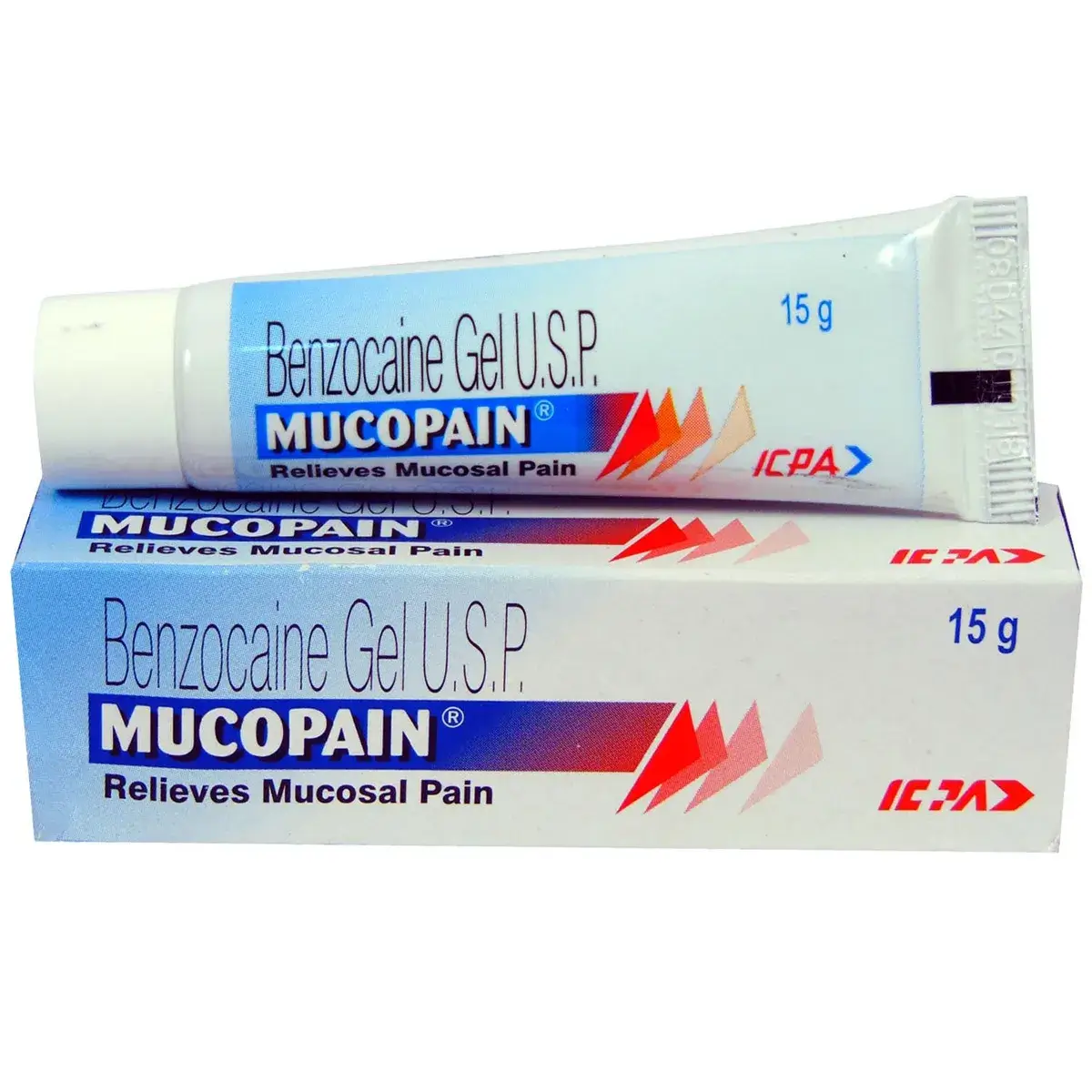
Mucopain Gel (Benzocaine)
Price range: $5.00 through $20.00
| Active Ingredient | Benzocaine |
|---|---|
| Manufacturer | ICPA Health Products |
| Packaging | 15 gm in 1 tube |
| Strength | 20% |
| Delivery Time | 6 to 15 days |
| SKU: | Mucopain Gel (Benzocaine) |
Ultimate Guide to Mucopain Gel (Benzocaine): Uses, Application, Benefits, and Safety
Dealing with oral discomfort can completely derail your day. Whether it is a sharp, stinging mouth ulcer, friction from new braces, painful denture sores, or accidental cheek bites, pain inside the mouth makes basic activities like speaking, chewing, and swallowing frustratingly difficult. When oral mucosa becomes inflamed or damaged, nerve endings send continuous pain signals to the brain, leaving you searching for immediate relief.
This is where Mucopain Gel (Benzocaine) comes in as one of the most effective topical solutions available. Formulated with a potent local anesthetic, this topical oral gel is specifically engineered to deliver fast, targeted relief right at the site of soreness.
In this comprehensive guide, we will explore everything you need to know about Mucopain Gel (Benzocaine). From its active ingredient mechanism and clinical uses to step-by-step application instructions, safety warnings, side effects, and essential precautions, this article covers all the information you need to restore comfort to your oral health routine.
What is Mucopain Gel (Benzocaine)?
Mucopain Gel (Benzocaine) is a specialized topical oral analgesic and local anesthetic gel. It is formulated primarily to relieve pain, tenderness, and irritation on the mucous membranes inside the mouth and throat.
Unlike general systemic pain relievers—such as oral tablets like paracetamol or ibuprofen that must pass through your digestive system and bloodstream before providing relief—Mucopain Gel (Benzocaine) works locally. By acting directly on the affected oral tissues, it provides fast-acting numbing without impacting the entire body.
Product Composition and Key Specifications
| Attribute | Specification Details |
| Active Ingredient | Benzocaine IP (20% w/w) |
| Base Type | Water-miscible gel base |
| Therapeutic Class | Local Anesthetic / Topical Oral Analgesic |
| Primary Indication | Mouth ulcers, denture sores, orthodontic irritation, oral lesions |
| Onset of Action | Within 1 minute |
| Duration of Relief | Approximately 15 to 20 minutes (varies by individual) |
| Habit-Forming | No |
The core strength of Mucopain Gel (Benzocaine) lies in its 20% concentration of Benzocaine, set in a smooth, water-miscible gel vehicle. This unique formulation allows the gel to adhere effectively to moist mucosal surface tissue inside the mouth without washing away immediately, allowing the active ingredient to perform its work efficiently.
How Does Mucopain Gel (Benzocaine) Work?
To understand why Mucopain Gel (Benzocaine) is so effective, it helps to examine the underlying physiological mechanism of localized pain.
Understanding Benzocaine’s Mechanism of Action
Benzocaine belongs to the ester class of local anesthetics. Its primary function is to temporarily interrupt the transmission of nerve signals along peripheral nerve fibers.
-
Infiltration of the Cell Membrane: When you apply Mucopain Gel (Benzocaine) to an ulcerated or irritated area, Benzocaine molecules penetrate the outer layer of the oral mucosal cells in an un-ionized form.
-
Sodium Channel Blockade: Once inside the nerve cell membrane, Benzocaine binds specifically to the alpha subunit of voltage-gated sodium channels.
-
Prevention of Depolarization: Normally, pain signals travel along nerves through a process called depolarization, which depends on sodium ions rapidly entering the cell. By blocking these sodium channels, Benzocaine prevents sodium influx.
-
Pain Signal Interruption: Without sodium influx, the nerve ending cannot generate an electrical impulse (action potential). As a result, pain signals never reach the brain.
Because Benzocaine diffuses rapidly across membranes, its rate of action is remarkably fast. Within 30 to 60 seconds of applying Mucopain Gel (Benzocaine), the target tissue goes completely numb, offering immediate comfort from sharp pain.
Primary Uses and Indications of Mucopain Gel (Benzocaine)
Dentists, oral surgeons, and general physicians frequently recommend Mucopain Gel (Benzocaine) for a wide range of painful oral mucosal conditions.
1. Aphthous Ulcers (Mouth Ulcers & Canker Sores)
Aphthous ulcers are small, shallow lesions that develop on the soft tissues inside your mouth, including the inner lips, inner cheeks, gums, and tongue. These sores expose underlying sensitive nerve endings to air, saliva, and food. Applying Mucopain Gel (Benzocaine) numbs these exposed nerves, turning a painful sore into a comfortable, manageable area so you can eat and speak without wincing.
2. Orthodontic Appliance Discomfort
Braces, aligners, metal brackets, and archwires often rub against delicate inner cheek linings and gums, causing friction sores, cuts, and tender spots. Mucopain Gel (Benzocaine) creates a soothing, numbing barrier over these friction points, helping patients adjust to new dental hardware without unnecessary pain.
3. Denture Stomatitis and Friction Sores
New or ill-fitting dentures can exert uneven pressure on the gums and palate, creating raw, tender spots known as denture sores. Applying a small dab of Mucopain Gel (Benzocaine) directly to the sore spots eases tissue sensitivity and makes wearing dentures far more comfortable during adjustment periods.
4. Traumatic Oral Injuries
Accidental cheek bites, tongue bites, toothbrush scrapes, or thermal burns from scalding hot food or beverages can severely inflame the oral mucosa. Mucopain Gel (Benzocaine) provides prompt localized relief while the natural healing process takes place.
5. Post-Dental Procedure Soreness
After dental procedures such as deep scaling, periodontal root planing, tooth extractions, or matrix band placement, the surrounding gum tissue can remain sore and tender. Using Mucopain Gel (Benzocaine) short-term aids soft tissue recovery by controlling localized postoperative tenderness.
6. Autoimmune and Nutritional Lesions
Conditions like oral lichen planus, pemphigus, or ulcers caused by nutritional deficiencies (such as Vitamin B12, folate, or iron deficiencies) often produce chronic, painful oral erosion. Mucopain Gel (Benzocaine) offers temporary symptomatic relief to improve daily quality of life while underlying causes are treated.
Key Benefits of Mucopain Gel (Benzocaine)
Why select Mucopain Gel (Benzocaine) over other pain management options? Here are the standout advantages that make this formulation a trusted choice:
-
Rapid Onset: Works in as little as 60 seconds, offering near-instant relief when sharp pain strikes.
-
Targeted Action: Delivers anesthetic potency exactly where you need it, avoiding systemic side effects like drowsiness, stomach upset, or liver strain that can occur with oral tablets.
-
Non-Addictive & Habit-Free: Benzocaine is completely non-opioid and non-habit-forming, making it safe for short-term episodic use as directed.
-
Water-Miscible Formula: Spreads smoothly across wet mucosal surfaces and adheres effectively to wet tissue.
-
Eases Essential Daily Activities: By numbing raw lesions, it allows you to eat nutritious meals, drink fluids, brush your teeth, and speak comfortably.
Step-by-Step Application Guide: How to Use Mucopain Gel (Benzocaine)
Proper application is key to maximizing the soothing benefits of Mucopain Gel (Benzocaine) while ensuring complete safety. Follow this step-by-step procedure for best results:
Step 1: Clean Your Hands
Before touching your mouth, thoroughly wash your hands with warm water and antibacterial soap. Dry them completely with a clean towel to prevent introducing new bacteria into open mouth sores.
Step 2: Gently Dry the Affected Spot
Saliva can dilute the gel and prevent it from sticking firmly to the mucosa. Take a clean cotton swab or a sterile gauze pad and gently dab the ulcer or sore spot dry.
Step 3: Dispense a Small Amount
Dispense a pea-sized amount (or small dab) of Mucopain Gel (Benzocaine) onto the tip of a clean cotton swab or your clean index finger. A small amount is highly effective—do not over-apply.
Step 4: Apply Directly to the Lesion
Gently dab the gel directly onto the painful sore or ulcer. Smooth it out gently over the affected spot. Avoid aggressive rubbing, which can further irritate raw tissue.
Step 5: Allow Time for Absorption
Keep your mouth open or keep your lip/cheek slightly away from the area for about 30 to 60 seconds to let the gel bind to the mucous membrane and take effect.
Step 6: Post-Application Care
Do not swallow the gel intentionally. Rinse or wipe your finger immediately after application.
Crucial Post-Application Rule: Do not eat, drink fluids, chew gum, or rinse your mouth for at least 1 hour after applying Mucopain Gel (Benzocaine). Consuming food or liquid immediately washes the gel away and compromises its numbing power. Additionally, eating while your mouth is numb increases the risk of accidentally biting your cheek, lip, or tongue.
Recommended Dosage and Usage Frequency
-
Adults and Children Aged 12 Years and Older: Apply a small amount to the affected area up to 3 to 4 times daily, or as explicitly directed by your dentist or medical practitioner.
-
Duration of Treatment: Use Mucopain Gel (Benzocaine) for short-term symptomatic relief only. Do not exceed 7 consecutive days of use unless advised by a healthcare professional.
-
Missed Dose: If you forget an application, simply apply it when needed. Never apply double amounts to make up for a missed application.
Important Safety Precautions & Warnings
While Mucopain Gel (Benzocaine) is safe and highly effective when used properly, specific medical precautions must be observed.
1. Age Restriction Warning (Avoid in Infants & Young Children)
Topical benzocaine products should not be used in infants and children under 2 years of age, and extreme caution should be exercised for children under 12 years.
Using Benzocaine in infants for teething pain carries a known risk of a severe, potentially life-threatening condition called Methemoglobinemia. Always consult a pediatrician before using any numbing agent on young children.
2. Understanding Methemoglobinemia
Methemoglobinemia is a rare but serious blood disorder where Benzocaine causes an excessive amount of hemoglobin in the blood to convert into methemoglobin. Methemoglobin can store oxygen, but it cannot release it effectively to body tissues, leading to tissue hypoxia.
Watch for these warning symptoms of Methemoglobinemia:
-
Pale, gray, or bluish discoloration of the skin, lips, or nail beds (cyanosis)
-
Unexplained shortness of breath or rapid breathing
-
Dizziness, lightheadedness, or confusion
-
Unusually rapid or irregular heart rate
-
Severe fatigue or lack of energy
If you observe any of these symptoms after applying Mucopain Gel (Benzocaine), seek immediate emergency medical care.
3. Pregnancy and Breastfeeding
-
Pregnancy: Mucopain Gel (Benzocaine) should only be used during pregnancy if clearly needed and specifically prescribed by an obstetrician.
-
Breastfeeding: Exercise caution when breastfeeding. Never apply the gel near the chest or nipple area, as infants could ingest the medication during nursing.
4. Do Not Apply to Open Wounds or Large Areas
Do not slather Mucopain Gel (Benzocaine) over large portions of your mouth or apply it to deep, bleeding wounds. Excessive topical application increases systemic absorption through mucosal blood vessels, elevating the risk of unwanted side effects.
5. Medical Conditions
Inform your physician or dentist before using Mucopain Gel (Benzocaine) if you have:
-
A personal or family history of methemoglobinemia
-
Glucose-6-phosphate dehydrogenase (G6PD) deficiency
-
Severe heart disease or arrhythmia
-
Chronic respiratory issues such as asthma or COPD
-
Known hypersensitivity or allergies to ester-type local anesthetics (e.g., procaine, tetracaine)
Potential Side Effects of Mucopain Gel (Benzocaine)
Most people tolerate Mucopain Gel (Benzocaine) exceptionally well. However, like any medication, it can cause mild or localized side effects in sensitive individuals.
Common, Mild Side Effects
-
Transient Stinging or Burning: A temporary, mild tingling or burning sensation at the application site right after placement.
-
Localized Excessive Numbness: Temporary loss of sensation extending to neighboring cheek or tongue tissue.
-
Dry Mouth: A minor, temporary drying sensation around the treated area.
Less Common / Allergic Reactions
In rare cases, individuals with sensitivity to ester-type compounds may experience an allergic response:
-
Contact dermatitis or skin rash around the mouth
-
Redness, localized swelling (edema), or hives (urticaria)
-
Persistent itching or skin irritation
If you experience swelling of the lips, tongue, face, or throat, discontinue use immediately and seek emergency medical assistance.
Drug Interactions to Keep in Mind
To ensure optimal treatment outcomes, be aware of how Mucopain Gel (Benzocaine) interacts with other medications.
| Drug / Agent Category | Nature of Interaction | Clinical Advice |
| Other Topical Anesthetics | Simultaneous use with Lidocaine, Prilocaine, or Tetracaine increases overall systemic anesthetic absorption. | Avoid combining multiple numbing gels unless specifically supervised by a dentist. |
| Nitrates & Nitrites | Medications containing sodium nitrate or nitric oxide donors combined with Benzocaine increase methemoglobinemia risk. | Inform your doctor if taking systemic nitrate therapy. |
| Sulfa Drugs (Sulfonamides) | Benzocaine metabolizes into $p$-aminobenzoic acid (PABA), which can inhibit the antibacterial activity of sulfonamides. | Consult your physician if undergoing active sulfa antibiotic therapy. |
Smart Lifestyle & Home Care Tips for Mouth Sores
While Mucopain Gel (Benzocaine) stops pain signals in their tracks, adopting supportive oral health habits accelerates actual tissue healing and prevents future flare-ups.
Dietary Adjustments
-
Foods to Avoid: Steer clear of acidic citrus fruits (oranges, lemons, pineapples), tomatoes, spicy curries, salty snacks, vinegar-based dressings, and crunchy, sharp foods like chips or crusty bread. These physically scrape or chemically irritate open ulcers.
-
Foods to Choose: Stick to cool, soft, soothing foods like yogurt, smoothies, soft cottage cheese, mashed potatoes, lukewarm soups, and scrambled eggs.
-
Temperature Matters: Avoid piping hot tea, coffee, or hot soup, as high temperatures intensify mucosal inflammation and can scald temporarily numbed tissue.
Daily Oral Hygiene Practices
-
Use a Soft-Bristled Toothbrush: Switch to an ultra-soft toothbrush to avoid mechanical irritation of fragile gums and cheek linings.
-
Alcohol-Free Mouthwashes: Avoid mouthwashes containing high alcohol concentrations, which cause harsh burning and dry out the mucosa. Instead, rinse with warm salt water (1/2 teaspoon of salt in a glass of warm water) 2 to 3 times daily to keep the mouth clean.
-
Stay Hydrated: Drink plenty of water throughout the day. A moist mouth supports faster mucosal tissue repair.
Frequently Asked Questions (FAQs) About Mucopain Gel (Benzocaine)
1. How fast does Mucopain Gel (Benzocaine) work?
Mucopain Gel (Benzocaine) works rapidly. Due to the high lipid solubility of Benzocaine, you will begin feeling a distinct numbing effect within 1 minute of topical application.
2. How long does the numbing effect last?
The local numbing effect typically lasts for about 15 to 20 minutes. This brief window provides immediate relief from intense pain, allowing you to settle down, speak, or get through uncomfortable moments.
3. Can I use Mucopain Gel (Benzocaine) for a severe toothache?
Mucopain Gel (Benzocaine) provides surface-level numbing on mucosal tissue and gums. While it can offer temporary surface relief if gum tissue surrounding a tooth is inflamed, it cannot penetrate deep into a tooth pulpal cavity to cure an infected tooth nerve. Deep toothaches require professional dental evaluation, such as a filling or root canal treatment.
4. Is Mucopain Gel (Benzocaine) safe for children?
Mucopain Gel (Benzocaine) is generally not recommended for children under 12 years of age without explicit pediatric guidance, and it is strictly contraindicated in infants under 2 years due to the risk of methemoglobinemia. Always consult a pediatrician or pediatric dentist for child-safe alternatives.
5. Can I eat or drink right after applying the gel?
No. You should wait at least 1 hour after applying Mucopain Gel (Benzocaine) before eating or drinking. Eating immediately washes the gel away and risks accidental biting of your numbed lips, tongue, or cheeks.
6. Is Mucopain Gel (Benzocaine) habit-forming or addictive?
No. Benzocaine is a non-opioid, non-habit-forming local anesthetic. It has no potential for psychological or physical addiction.
7. What should I do if I accidentally swallow a small amount?
Accidentally swallowing a tiny, pea-sized dab applied to a mouth sore is generally harmless for adults and will be broken down harmlessly in the stomach. However, intentionally swallowing large quantities must be avoided. If a large amount is ingested, drink water and contact a medical professional immediately.
8. How should I store Mucopain Gel (Benzocaine)?
Store Mucopain Gel (Benzocaine) at room temperature, ideally below 25°C (77°F). Keep the tube tightly closed when not in use, protect it from direct sunlight and moisture, and keep it safely out of reach of children.
Conclusion
Painful mouth ulcers, denture friction, and oral lesions do not have to disrupt your daily routine. Mucopain Gel (Benzocaine) offers a fast, reliable, and targeted solution to numb agonizing oral pain right at the source. By blocking pain signals at the nerve level within 60 seconds, this 20% Benzocaine gel allows you to go about your day with minimal discomfort.
To achieve optimal results, always follow proper application steps: clean hands, dry the affected spot, apply a tiny dab, and avoid eating or drinking for one hour post-application. Maintain awareness of safety warnings regarding age limits and methemoglobinemia, and combine treatment with gentle oral hygiene and a soft diet.
If your mouth sore or ulcer persists for longer than 7 to 10 days, fails to improve, or is accompanied by a high fever, schedule an appointment with your dentist or healthcare provider for a thorough professional evaluation.
Disclaimer:-
This information about Mucopain Gel (Benzocaine) is provided for educational purposes only and should not replace professional medical advice, diagnosis, or treatment. Use Mucopain Gel only as directed by a doctor or according to the product label. Do not use more than recommended. If you experience severe, unusual, or persistent symptoms, seek medical advice promptly.
Additional information
| unit | 1 Gel, 3 Gel, 6 Gel |
|---|


Reviews
There are no reviews yet.