
- “Tretinoin 0.1% Cream (Tretinoin)” already exists in your wishlist
Nadibact Cream (Nadifloxacin)
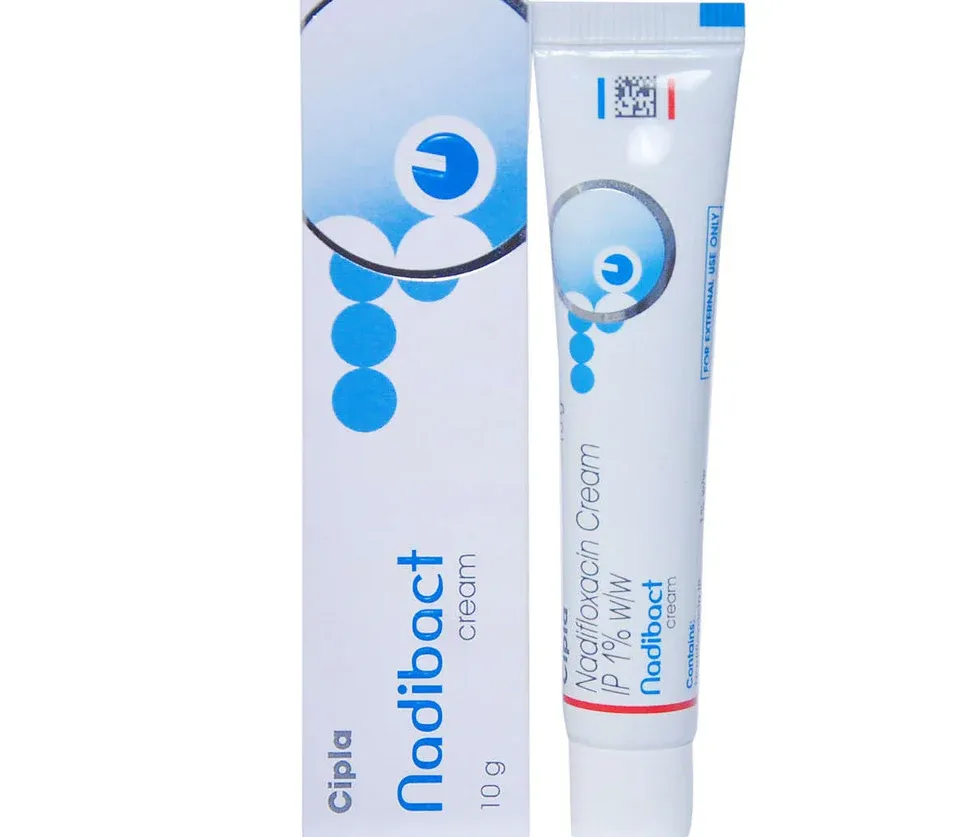
Price range: $4.00 through $20.00
| Active Ingredient | Nadifloxacin |
|---|---|
| Manufacturer | Cipla Limited |
| Packaging | 10g Tube |
| Strength | 1% |
| Delivery Time | 6 To 15 days |
| SKU: | Nadibact Cream (Nadifloxacin) |
The Ultimate Guide to Nadibact Cream (Nadifloxacin): Uses, Benefits, Application, and Side Effects
Bacterial skin infections can significantly disrupt your daily comfort, appearance, and confidence. Whether you are dealing with stubborn inflammatory acne breakouts, painful folliculitis, or localized superficial skin infections, managing bacterial skin issues effectively requires a targeted topical approach. Among the most trusted dermatological treatments prescribed today is Nadibact Cream (Nadifloxacin).
Formulated with a potent fluoroquinolone antibiotic, Nadibact Cream (Nadifloxacin) is engineered to eradicate skin-dwelling bacteria directly at the site of infection. By halting bacterial multiplication without causing systemic side effects, it serves as a cornerstone in modern acne management and dermatological therapy.
In this comprehensive, expert-backed guide, we will break down everything you need to know about Nadibact Cream (Nadifloxacin). From its active pharmacological mechanism and clinical uses to proper application techniques, safety guidelines, side effects, and essential skincare habits, this guide covers every crucial aspect of this topical treatment.
What is Nadibact Cream (Nadifloxacin)?
Unlike broad-spectrum oral antibiotics that circulate throughout the entire body—often leading to gastrointestinal discomfort or systemic side effects—Nadibact Cream (Nadifloxacin) delivers concentrated antibacterial action right where your skin needs it most.
Product Composition and Key Specifications
| Feature | Details |
| Active Ingredient | Nadifloxacin (1.0% w/w) |
| Therapeutic Class | Synthetic Fluoroquinolone Antibacterial / Anti-acne agent |
| Formulation Type | Topical Cream |
| Primary Target Organisms | Cutibacterium acnes (P. acnes), Staphylococcus aureus |
| Primary Indications | Acne vulgaris, folliculitis, impetigo, sycosis vulgaris |
| Systemic Absorption | Minimal to negligible |
The active drug, Nadifloxacin, belongs to the modern fluoroquinolone class of synthetic antibacterial agents. It possesses broad-spectrum bactericidal activity against both Gram-positive and Gram-negative bacteria, with exceptional potency against anaerobic skin pathogens like Cutibacterium acnes.
How Does Nadibact Cream (Nadifloxacin) Work?
To understand why Nadibact Cream (Nadifloxacin) is so effective against stubborn breakouts and skin infections, it helps to examine its biological mechanism of action.
The Mechanism of Action: Dual Enzyme Inhibition
Bacteria require specific enzymes to copy, repair, and transcribe their DNA when they divide. Without functional DNA replication, bacterial cells cannot survive or multiply.
+-----------------------------------------------------------------------+
|             NADIFLOXACIN DUAL ENZYME BLOCKADE MECHANISM               |
+------------------------------------+----------------------------------+
|          INHIBITS DNA GYRASE       |   INHIBITS TOPOISOMERASE IV      |
|           (Bacterial GyrA)         |           (ParC Subunit)             |
+------------------------------------+----------------------------------+
| Prevents supercoiling of bacterial | Prevents separation of replicated|
| DNA during cell division.          | daughter chromosomes.            |
+------------------------------------+----------------------------------+
                                  |
                                  v
+-----------------------------------------------------------------------+
|                      RAPID BACTERICIDAL DEATH                         |
|   • Complete disruption of bacterial DNA synthesis                    |
|   • Rapid reduction of skin inflammation and pustule formation         |
+-----------------------------------------------------------------------+
-
Targeting Bacterial DNA Gyrase: Nadibact Cream (Nadifloxacin) binds to and inhibits bacterial DNA gyrase (specifically the GyrA subunit). This enzyme is responsible for introducing negative supercoils into bacterial DNA, a step required for unzipping and reading the genetic code.
-
Inhibiting Topoisomerase IV: Simultaneously, Nadifloxacin blocks topoisomerase IV (specifically the ParC subunit), an enzyme responsible for decatenating—or separating—interlocked daughter chromosomes after replication.
-
Bactericidal Destruction: By blocking both enzymes, Nadibact Cream (Nadifloxacin) causes double-stranded DNA breaks within the bacterial cells. This dual-target mechanism leads to rapid cell death rather than simply slowing growth.
-
Anti-Inflammatory Action: Beyond killing bacteria, Nadifloxacin inhibits the release of pro-inflammatory cytokines (such as IL-1α, IL-6, and IL-8) and reactive oxygen species from bacterial cells and neutrophils. This dual antibacterial and anti-inflammatory action quickly cools down red, swollen acne papules and pustules.
Primary Uses and Clinical Indications
Dermatologists prescribe Nadibact Cream (Nadifloxacin) for several dermatological conditions characterized by bacterial proliferation and inflammation.
1. Acne Vulgaris (Inflammatory Lesions)
Acne vulgaris occurs when excess sebum, dead skin cells, and hair follicles create an anaerobic, oil-rich environment where Cutibacterium acnes thrives. As these bacteria multiply, they trigger an immune response, producing painful red bumps (papules) and pus-filled pimples (pustules).
Applying Nadibact Cream (Nadifloxacin) targets C. acnes directly inside the pilosebaceous unit, neutralizing the bacteria and reducing lesion counts and swelling.
2. Folliculitis
Folliculitis is an inflammation or infection of one or more hair follicles, often caused by Staphylococcus aureus or other Gram-positive organisms. It appears as small, itchy, or painful red bumps around hair follicles on the chest, back, beard area, or thighs. Nadibact Cream (Nadifloxacin) penetrates hair follicle openings to clear these superficial infections.
3. Sycosis Vulgaris (Beard Folliculitis)
Sycosis vulgaris is a chronic, recurring bacterial infection of the hair follicles in the beard area, usually triggered by shaving. It can cause severe tenderness, pustules, and crusting. Nadibact Cream (Nadifloxacin) calms shaved facial skin and eradicates the underlying bacterial growth.
4. Impetigo and Superficial Pyoderma
Impetigo is a highly contagious superficial bacterial skin infection marked by red sores that rupture, ooze, and form honey-colored crusts. Nadibact Cream (Nadifloxacin) helps clean up localized impetigo patches by clearing surface staphylococcal and streptococcal strains.
5. Post-Procedure Skin Protection
Dermatologists sometimes recommend short-term application of Nadibact Cream (Nadifloxacin) following minor aesthetic procedures, chemical peels, comedone extraction, or laser resurfacing to prevent secondary bacterial infection on vulnerable, healing skin.
Key Benefits of Nadibact Cream (Nadifloxacin)
Why do skin specialists frequently select Nadibact Cream (Nadifloxacin) over older topical antibiotics like erythromycin or clindamycin?
-
Potent Broad-Spectrum Coverage: Effectively targets both anaerobic acne-causing bacteria (C. acnes) and aerobic infectious strains (S. aureus).
-
Low Resistance Rates: Thanks to its dual-target mechanism (blocking both DNA gyrase and topoisomerase IV), bacterial resistance to Nadifloxacin develops much more slowly compared to single-target antibiotics.
-
Rapid Anti-Inflammatory Relief: Noticeably decreases redness, swelling, and throbbing pain in deep acne bumps within days.
-
Non-Greasy Formulation: The smooth cream base absorbs quickly without leaving a heavy, sticky, or pore-clogging residue on the face.
-
Low Systemic Absorption: Because minimal active drug enters the bloodstream, the risk of systemic side effects is extremely low.
Step-by-Step Application Guide: How to Use Nadibact Cream
To achieve the best results while protecting your skin barrier, apply Nadibact Cream (Nadifloxacin) consistently and correctly.
Step 1: Cleanse Thoroughly
Wash your face or the affected skin area using lukewarm water and a mild, non-comedogenic cleanser. Avoid aggressive scrubbing or harsh physical exfoliants, which can worsen skin inflammation.
Step 2: Dry Completely
Gently pat your skin dry with a soft, clean towel. Wait 5 to 10 minutes to ensure your skin is entirely dry. Applying topical medications to damp skin can increase irritation and absorption speed beyond recommended levels.
Step 3: Dispense a Small Amount
Squeeze a thin, pea-sized amount of Nadibact Cream (Nadifloxacin) onto your clean index finger. A little product covers a surprisingly large area—there is no need to apply a thick layer.
Step 4: Apply a Thin Layer
Dot the cream gently over the affected spots (or across the acne-prone zone as directed by your dermatologist). Massage it softly in circular motions until the cream vanishes completely into the skin.
Step 5: Wash Your Hands
Wash your hands thoroughly with soap and water immediately after application to avoid accidentally transferring the cream to sensitive areas like your eyes, nostrils, or lips.
Important Post-Application Rules
-
Frequency: Use Nadibact Cream (Nadifloxacin) twice daily—once in the morning and once in the evening—or as instructed by your doctor.
-
Sun Protection: Apply a broad-spectrum sunscreen (SPF 30 or higher) during the day, as injured or inflamed skin is especially vulnerable to UV damage.
-
Duration: Complete the full course prescribed by your physician (typically 4 to 8 weeks for acne). Stopping treatment early just because your skin looks better can allow surviving bacteria to mutate and develop resistance.
Safety Precautions and Essential Guidelines
While Nadibact Cream (Nadifloxacin) is safe and well-tolerated, keeping these essential precautions in mind ensures a smooth treatment process:
1. Avoid Sensitive Mucous Membranes
Nadibact Cream (Nadifloxacin) is formulated exclusively for external use on the skin. Keep it away from your eyes, eyelids, inner nostrils, mouth, and intimate areas. If accidental contact occurs, rinse thoroughly with cool tap water.
2. Photosensitivity Awareness
Fluoroquinolones can occasionally increase skin sensitivity to sunlight. Minimize exposure to direct sunlight, tanning beds, and UV lamps while using Nadibact Cream (Nadifloxacin). Wear protective clothing and broad-spectrum sunscreen when outdoors.
3. Pregnancy and Breastfeeding
-
Pregnancy: Topically applied Nadifloxacin shows minimal systemic absorption. However, safety during pregnancy has not been definitively established in large-scale clinical trials. Use Nadibact Cream (Nadifloxacin) during pregnancy only if explicitly prescribed by your doctor.
-
Lactation: It is unknown whether Nadifloxacin passes into human breast milk after topical application. Breastfeeding mothers should avoid applying the cream directly to the chest or breast area to prevent accidental contact with the nursing infant.
4. Pediatric Use
Safety and efficacy in infants and young children under 12 years of age have not been established. Consult a pediatrician before using any topical fluoroquinolone on young children.
Potential Side Effects and Management
Most people tolerate Nadibact Cream (Nadifloxacin) without issue. However, minor localized side effects can occur, particularly during the first week of application as your skin adapts.
Common, Localized Side Effects
| Side Effect | Typical Symptoms | Management Tip |
| Mild Irritation | Slight stinging, burning, or tingling upon application | Usually resolves within a few minutes; apply a lightweight moisturizer first if needed. |
| Dryness & Flaking | Mild peeling or skin tightness around active spots | Pair with a fragrance-free, non-comedogenic moisturizer. |
| Erythema (Redness) | Localized flush or pinkish tone around treated areas | Reduce application to once daily for a few days until skin adapts. |
| Pruritus (Itching) | Mild itching sensation as spots heal | Avoid scratching to prevent secondary infection and post-inflammatory hyperpigmentation. |
Rare Side Effects
Uncommon side effects include contact dermatitis, severe hives, facial swelling, or intense burning. If you experience persistent swelling, rash, or severe pain, wash off the cream immediately and consult your dermatologist.
How Nadibact Cream Compares to Other Topical Acne Treatments
Understanding how Nadibact Cream (Nadifloxacin) fits into the broader landscape of acne therapy helps clarify why your doctor selected it over other options.
Nadifloxacin vs. Clindamycin
Clindamycin is a long-standing topical lincosamide antibiotic used for acne. However, because clindamycin has been widely used for decades, many bacterial strains have developed resistance to it. Nadibact Cream (Nadifloxacin) offers a reliable alternative with lower rates of bacterial resistance due to its dual DNA-targeting mechanism.
Nadifloxacin vs. Benzoyl Peroxide
Benzoyl peroxide is an over-the-counter antimicrobial agent that releases oxygen into pores to kill bacteria. While highly effective and free from bacterial resistance risks, benzoyl peroxide can cause significant skin dryness, peeling, and fabric bleaching. Nadibact Cream (Nadifloxacin) provides targeted antibacterial action with less dryness and zero risk of bleaching clothes or pillowcases.
Nadifloxacin vs. Topical Retinoids (Adaptalene / Tretinoin)
Topical retinoids focus on unclogging pores and speeding up cell turnover, whereas Nadibact Cream (Nadifloxacin) focuses specifically on killing bacteria and cooling down active inflammation. Dermatologists often prescribe a combination of a retinoid and Nadifloxacin to address both pore congestion and bacterial growth simultaneously.
Daily Skincare Tips While Using Nadibact Cream
To maximize your results with Nadibact Cream (Nadifloxacin), build a supportive daily skincare routine that keeps your skin barrier healthy and hydrated.
Recommended Routine
+-----------------------------------------------------------------------+
|                    RECOMMENDED DAILY SKINCARE ROUTINE                 |
+-----------------------------------------------------------------------+
|  MORNING ROUTINE                                                      |
|  1. Cleanse with a mild, gentle face wash                             |
|  2. Apply a thin layer of Nadibact Cream to active spots              |
|  3. Apply a hydrating, non-comedogenic moisturizer                    |
|  4. Finish with broad-spectrum sunscreen (SPF 30+)                     |
+-----------------------------------------------------------------------+
|  EVENING ROUTINE                                                      |
|  1. Cleanse gently to remove makeup, sunscreen, and daily grime       |
|  2. Apply a thin layer of Nadibact Cream to active spots              |
|  3. Lock in moisture with a rich barrier-repair cream                 |
+-----------------------------------------------------------------------+
-
Avoid Over-Exfoliating: Pause physical facial scrubs, harsh AHA/BHA chemical peels, and alcohol-based toners while using topical antibiotics unless specifically recommended by your dermatologist. Over-exfoliating strips the skin barrier, increasing redness and peeling.
-
Resist the Urge to Squeeze Pimples: Never pop, pick, or squeeze inflamed acne bumps. Squeezing pushes bacteria deeper into the dermis, increasing inflammation and dramatically raising the risk of permanent scarring and dark spots (post-inflammatory hyperpigmentation).
-
Maintain Hygiene: Change your pillowcases frequently, clean your phone screen daily, and avoid touching your face with unwashed hands throughout the day.
Frequently Asked Questions (FAQs)
1. How long does Nadibact Cream (Nadifloxacin) take to show results?
Initial improvements—such as reduced swelling, less throbbing, and decreased redness in active acne bumps—are often visible within 3 to 7 days. However, complete clearance of inflammatory acne or folliculitis usually requires 4 to 8 weeks of consistent daily application.
2. Can I use makeup while using Nadibact Cream?
Yes, you can wear makeup while using Nadibact Cream (Nadifloxacin). Apply a thin layer of the cream first, let it absorb completely for 5 minutes, follow with your moisturizer and sunscreen, and then apply non-comedogenic (pore-friendly) makeup over top.
3. Can I use Nadibact Cream as a long-term daily moisturizer?
No. Nadibact Cream (Nadifloxacin) is an antibiotic medication, not a routine cosmetic moisturizer. Using topical antibiotics continuously for prolonged periods without medical oversight can disrupt your skin’s natural microbiome and encourage antibiotic resistance. Use it strictly for the duration prescribed by your doctor.
4. Is Nadibact Cream effective for blackheads and whiteheads?
No. Blackheads and whiteheads (comedones) are non-inflammatory clogged pores caused by excess oil and dead skin cells, not active bacterial infection. While Nadibact Cream (Nadifloxacin) excels at treating red, pus-filled inflammatory bumps, non-inflammatory comedones respond better to ingredients like salicylic acid or retinoids.
5. What should I do if I miss an application?
If you forget an application, apply it as soon as you remember. However, if it is almost time for your next scheduled dose, skip the missed dose and resume your normal schedule. Do not apply extra cream to make up for a missed application.
6. Does Nadibact Cream bleach clothing or hair?
No. Unlike benzoyl peroxide, Nadibact Cream (Nadifloxacin) does not contain bleaching agents. It will not discolor your clothing, towels, pillowcases, or hair.
Final Thoughts: Reclaiming Clear, Healthy Skin
Dealing with persistent acne breakouts or painful skin infections can feel overwhelming, but modern dermatological treatments offer clear pathways to relief. Nadibact Cream (Nadifloxacin) combines targeted bactericidal action with powerful anti-inflammatory benefits to calm redness, kill acne-causing bacteria, and accelerate your skin’s natural healing process.
By following proper application steps, maintaining a gentle daily skincare routine, protecting your skin from UV exposure, and using the cream consistently as prescribed by your doctor, you can effectively clear bacterial skin conditions and enjoy smooth, healthy, and confident skin.
Additional information
| unit | 1 Cream, 3 Cream, 6 Cream |
|---|





Reviews
There are no reviews yet.