
- “Beclate Rotacaps 400 Mcg (Beclomethasone)” already exists in your wishlist
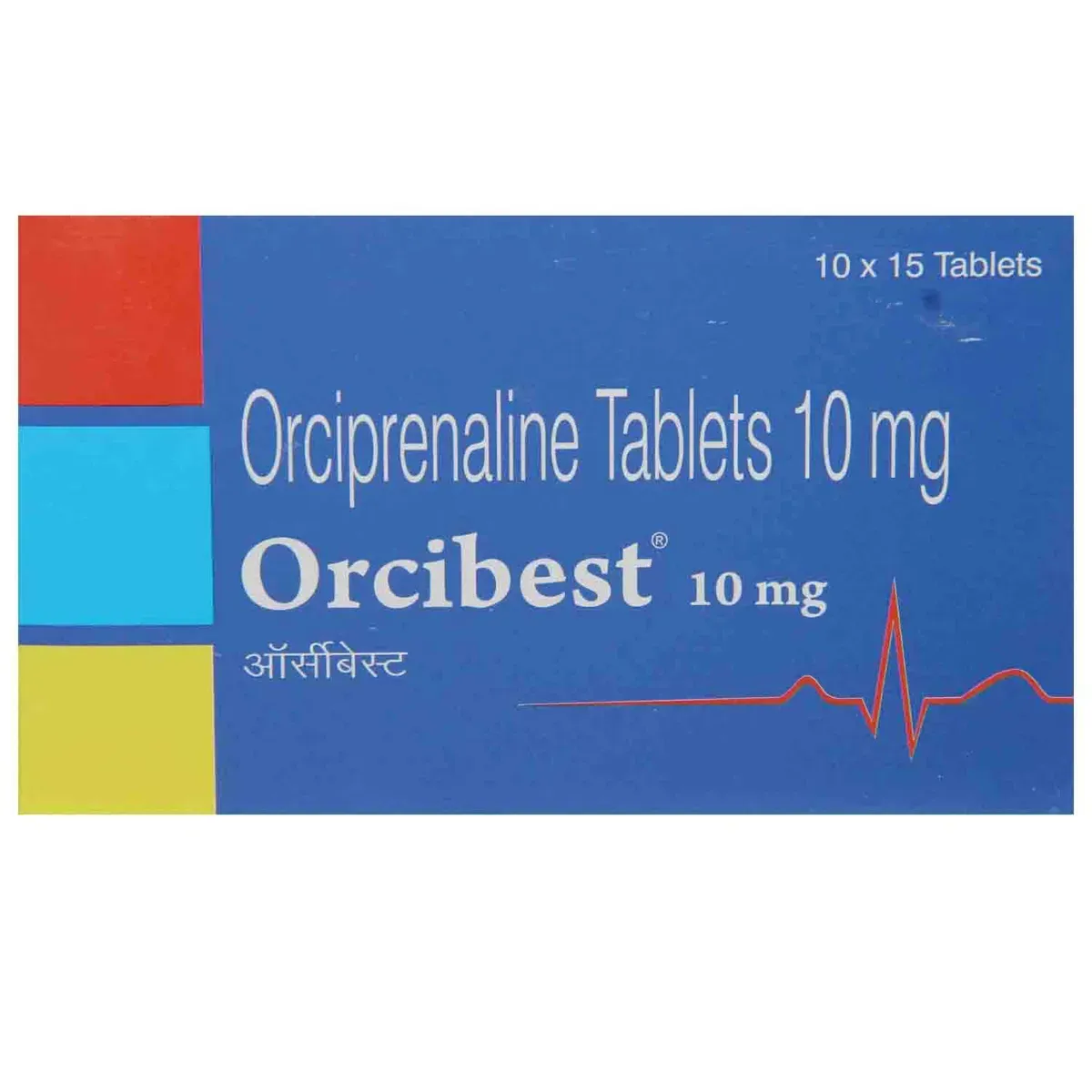
Orcibest (Orciprenaline)
Price range: $6.00 through $15.00
| Active Ingredient | Orciprenaline |
|---|---|
| Manufacturer | Zydus Cadila Pharma |
| Packaging | 10 tablets in 1 strip |
| Strength | 10 Mg |
| Delivery Time | 6 To 15 days |
| SKU: | Orcibest (Orciprenaline) |
The Complete Guide to Orcibest (Orciprenaline): Uses, Dosage, Mechanism, and Safety
Breathing is an effortless, subconscious bodily function for most, but for individuals living with chronic respiratory conditions, every breath can feel like a struggle. When airway muscles constrict during an asthma flare-up or an exacerbation of chronic obstructive pulmonary disease (COPD), airflow is restricted, causing chest tightness, wheezing, and distressing shortness of breath.
To restore clear airways and easy breathing, bronchodilators play an essential role in respiratory medicine. Among these treatments, Orcibest (Orciprenaline) is a trusted, effective bronchodilator prescribed to prevent and treat reversible airway obstruction.
This comprehensive guide covers everything you need to know about Orcibest (Orciprenaline). From its active pharmacological mechanism and clinical uses to detailed dosage guidelines, potential side effects, precautions, and practical lifestyle management, this article provides a clear, human-centered overview of this respiratory medication.
What is Orcibest (Orciprenaline)?
Orcibest (Orciprenaline) is a prescription bronchodilator belonging to the class of medications known as beta-2 adrenergic agonists. It contains Orciprenaline (also known globally as Metaproterenol) as its active pharmaceutical ingredient.
Orcibest is primarily formulated to relax the smooth muscles surrounding the bronchial tubes in the lungs. When these smooth muscles contract—a process known as bronchospasm—the air passages narrow, making it difficult to move air in and out of the lungs. By inducing muscle relaxation, Orcibest (Orciprenaline) widens the airways, reducing resistance and restoring normal airflow.
Product Composition and Key Specifications
| Attribute | Specification Details |
| Active Ingredient | Orciprenaline Sulphate (Metaproterenol Sulfate) |
| Pharmacological Class | Beta-2 Adrenergic Agonist / Bronchodilator |
| Common Indications | Asthma, Chronic Bronchitis, Emphysema, COPD |
| Primary Action | Relaxes bronchial smooth muscle to relieve bronchospasm |
| Onset of Action | Within 15 to 30 minutes |
| Duration of Effect | Approximately 4 to 6 hours |
| Prescription Status | Prescription Only (Rx) |
How Does Orcibest (Orciprenaline) Work?
Understanding how Orcibest (Orciprenaline) works requires a quick look at the biology of the respiratory system and autonomic nervous system receptors.
The Mechanism of Action
The human lungs contain millions of small airways (bronchioles) lined with smooth muscle cells. These smooth muscle cells express specific cellular receptors known as beta-2 ($\beta_2$) adrenergic receptors.
-
Receptor Activation: When you take Orcibest (Orciprenaline), the drug selectively targets and binds to these beta-2 receptors on the surface of bronchial smooth muscle cells.
-
Activation of Adenylate Cyclase: Binding activates an intracellular enzyme called adenylate cyclase.
-
Increase in Cyclic AMP (cAMP): Adenylate cyclase accelerates the conversion of adenosine triphosphate (ATP) into cyclic adenosine monophosphate (cAMP).
-
Muscle Relaxation: Elevated intracellular cAMP levels decrease the concentration of free calcium ions within smooth muscle cells. Calcium is required for muscle contraction; without it, the bronchial muscles relax.
-
Airway Dilation: As the muscles relax, the constricted airways expand, allowing air to flow freely into the alveoli (air sacs) for optimal oxygen-carbon dioxide exchange.
Additionally, Orcibest (Orciprenaline) helps inhibit the release of inflammatory mediators (such as histamine) from mast cells in the lungs, offering an extra layer of protection against airway hyper-responsiveness.
Primary Uses and Clinical Indications of Orcibest (Orciprenaline)
Physicians prescribe Orcibest (Orciprenaline) for a variety of acute and chronic respiratory disorders characterized by airway narrowing.
1. Bronchial Asthma
Asthma is a chronic inflammatory disorder where the airways become hypersensitive to triggers such as allergens, cold air, exercise, or stress. During an asthma attack, smooth muscle constriction and mucosal swelling cause wheezing, coughing, and dyspnea. Orcibest (Orciprenaline) helps reverse active bronchospasms, making breathing easier during flare-ups.
2. Chronic Bronchitis
Chronic bronchitis, a key component of COPD, involves long-term inflammation of the bronchial tubes, leading to excessive mucus production, persistent coughing, and airway narrowing. Orcibest (Orciprenaline) keeps the bronchial tubes open, facilitating better airflow and aiding the clearance of trapped mucus.
3. Pulmonary Emphysema
Emphysema causes progressive destruction of the alveolar walls, leading to loss of elasticity in lung tissue. Patients often experience severe air trapping and shortness of breath. By relaxing the functional bronchial airways, Orcibest (Orciprenaline) reduces work of breathing and improves exercise tolerance in emphysema sufferers.
4. Chronic Obstructive Pulmonary Disease (COPD) Exacerbations
In patients living with progressive COPD, sudden worsening of symptoms can occur due to weather changes, minor infections, or environmental pollutants. Orcibest (Orciprenaline) serves as an effective bronchodilating agent to manage acute COPD exacerbations alongside other medical interventions.
5. Exercise-Induced Bronchospasm (EIB)
Some individuals experience sudden airway constriction during or immediately following intense physical exertion. Taking Orcibest (Orciprenaline) prior to physical activity can help prevent exercise-induced tightness in susceptible individuals.
Key Benefits of Orcibest (Orciprenaline)
For individuals managing chronic lung conditions, Orcibest (Orciprenaline) provides several practical benefits:
-
Reliable Bronchodilation: Rapidly eases airway smooth muscle constriction to restore functional breathing capacity.
-
Symptom Relief: Reduces debilitating respiratory symptoms like wheezing, persistent gasping, chest tightness, and shortness of breath.
-
Sustained Action: Offers prolonged relief lasting 4 to 6 hours, allowing patients to go about their daily routines with greater comfort.
-
Improved Quality of Life: By enhancing oxygen intake, patients experience improved energy levels, better sleep quality, and greater physical independence.
-
Flexible Treatment Options: Fits smoothly into comprehensive pulmonary care plans alongside anti-inflammatory medications, such as inhaled corticosteroids.
Recommended Dosage and Administration Guidelines
Because Orcibest (Orciprenaline) influences autonomic nervous system receptors, strict adherence to prescribed dosage guidelines is essential to ensure both safety and therapeutic benefit.
General Administration Rules
-
Strict Medical Supervision: Always take Orcibest (Orciprenaline) exactly as directed by your treating physician. Never adjust your dose or stop taking the medication without consulting your healthcare provider.
-
Consistency Matters: Space your doses evenly throughout the day to maintain consistent bronchodilation.
-
Taking with Food: Orcibest tablets or oral syrup can be taken with or without food. However, taking it with meals or a glass of water can help minimize mild stomach upset.
Typical Dosage Ranges
-
Adults and Adolescents (Over 12 Years): The standard oral dose usually ranges from 10 mg to 20 mg, taken 3 to 4 times daily, depending on symptom severity and individual patient response.
-
Children (Ages 6 to 12 Years): The typical pediatric dose is usually 10 mg, administered 3 to 4 times daily.
-
Children (Under 6 Years): Dosage must be carefully calculated by a pediatrician based on body weight, typically administered as an oral syrup.
Note: The exact dosage, frequency, and duration of therapy vary based on individual age, medical history, and clinical severity. Always follow your doctor’s specific prescription instructions.
What to Do in Case of a Missed Dose
If you miss a dose of Orcibest (Orciprenaline), take it as soon as you remember. However, if it is almost time for your next scheduled dose, skip the missed tablet and resume your regular dosing schedule. Never take a double dose to make up for a missed application.
Managing an Accidental Overdose
Taking too much Orcibest (Orciprenaline) can overstimulate cardiac and systemic beta-receptors. Symptoms of an overdose include severe tremors, rapid or irregular heartbeat (tachycardia or arrhythmias), extreme dizziness, severe headache, chest pain, and sudden fluctuations in blood pressure. If an overdose is suspected, seek immediate emergency medical care.
Important Safety Precautions & Warnings
While Orcibest (Orciprenaline) is effective for managing airway obstruction, certain health conditions and circumstances require caution.
1. Cardiovascular Health Considerations
Because Orciprenaline can stimulate beta-1 ($\beta_1$) receptors in the heart in addition to bronchial beta-2 receptors (especially at higher doses), it can increase heart rate and myocardial oxygen demand.
Exercise caution and inform your doctor if you have a history of:
-
High blood pressure (hypertension)
-
Coronary artery disease or recent heart attack
-
Cardiac arrhythmias (irregular heart rhythms) or tachycardia
-
Hypertrophic obstructive cardiomyopathy
2. Metabolic Disorders & Diabetes
Beta-2 agonists stimulate glycogen breakdown in the liver, which can lead to temporary increases in blood glucose levels. Patients with diabetes mellitus should monitor their blood sugar levels closely when starting Orcibest (Orciprenaline).
3. Thyroid Hyperactivity (Hyperthyroidism)
Patients with an overactive thyroid gland (thyrotoxicosis) are particularly sensitive to sympathomimetic amines like Orciprenaline and may experience exacerbated cardiovascular symptoms, such as severe palpitations or tremors.
4. Risk of Hypokalemia
High doses of beta-2 agonists can cause a shift of potassium from the blood serum into muscle cells, leading to low blood potassium levels (hypokalemia). This risk is increased if Orcibest is taken alongside loop diuretics, thiazide diuretics, or xanthine derivatives (such as theophylline).
5. Pregnancy and Breastfeeding
-
Pregnancy: Orcibest (Orciprenaline) should be used during pregnancy only if the potential benefit outweighs the potential risk to the fetus. It can also relax uterine muscle tissue, which may affect labor progression.
-
Breastfeeding: It is not fully established whether Orciprenaline passes into human breast milk in significant amounts. Consult your doctor before using this medication while nursing.
Potential Side Effects of Orcibest (Orciprenaline)
Like all prescription medications, Orcibest (Orciprenaline) can cause side effects in some individuals. Most side effects are mild, temporary, and directly related to the drug’s sympathomimetic mechanism.
Common and Mild Side Effects
-
Fine Muscle Tremors: Slight shaking or trembling, most commonly felt in the hands and fingers.
-
Palpitations or Rapid Heartbeat: A noticeable feeling of a fast or fluttering heartbeat.
-
Headache and Nervousness: Mild tension headaches, restlessness, or a feeling of anxiety.
-
Dizziness or Lightheadedness: Temporary dizziness, especially when standing up quickly.
-
Gastrointestinal Upset: Mild nausea, dry mouth, or unpleasant taste sensations.
Less Common / Serious Side Effects
While uncommon, seek prompt medical attention if you experience any of the following:
-
Severe chest pain or tightness radiating to the arm or neck
-
Markedly irregular, racing, or pounding heartbeats
-
Severe muscle cramps or extreme weakness (signs of hypokalemia)
-
Paradoxical bronchospasm (a sudden worsening of breathing difficulty immediately after taking the medication)
-
Allergic reactions including hives, skin rash, facial swelling, or severe dizziness
Drug Interactions to Keep in Mind
To prevent adverse interactions and ensure optimal treatment efficacy, always inform your doctor about all prescription drugs, over-the-counter medications, herbal supplements, and vitamins you are currently taking.
| Medication Category | Interacting Agents | Nature of Interaction & Clinical Advice |
| Non-Selective Beta-Blockers | Propranolol, Atenolol, Timolol, Carvedilol | Beta-blockers directly oppose the action of Orcibest, blocking beta-2 receptors and potentially triggering severe bronchospasms. Avoid simultaneous use. |
| Other Sympathomimetics | Salbutamol, Terbutaline, Ephedrine, Pseudoephedrine | Combining multiple sympathomimetic agents increases the risk of excessive cardiac stimulation, severe tachycardia, and high blood pressure. |
| Diuretics (Water Pills) | Furosemide, Hydrochlorothiazide | Concurrent use increases the risk of significant potassium depletion (hypokalemia). Monitoring serum potassium levels is recommended. |
| Xanthine Derivatives | Theophylline, Aminophylline | Co-administration may enhance bronchodilation but also increases the risk of hypokalemia and cardiac side effects. |
| Monoamine Oxidase Inhibitors (MAOIs) & TCAs | Phenelzine, Selegiline, Amitriptyline, Imipramine | Using Orcibest within 14 days of MAOIs or Tricyclic Antidepressants can severely potentiate cardiovascular side effects. |
Comprehensive Lifestyle Strategies for Respiratory Health
While Orcibest (Orciprenaline) works internally to keep your airways open, combining medical therapy with proactive lifestyle adjustments provides the strongest defense against chronic breathing issues.
1. Identify and Avoid Environmental Triggers
-
Avoid Tobacco Smoke: Quit smoking immediately and avoid passive secondhand smoke. Cigarettes directly destroy lung tissue and neutralize the benefits of bronchodilators.
-
Minimize Allergen Exposure: Keep indoor environments clean. Use dust mite-proof mattress covers, wash bedding frequently in hot water, and consider HEPA air purifiers if you have pet allergies.
-
Monitor Air Quality: Stay indoors on days with high air pollution, smog, or elevated pollen counts.
2. Practice Controlled Breathing Techniques
Learning structured breathing exercises can help improve oxygen exchange and reduce anxiety during mild breathing difficulties:
-
Pursed-Lip Breathing: Inhale slowly through your nose for 2 counts, purse your lips as if blowing out a candle, and exhale gently for 4 counts. This keeps airways open longer during exhalation.
-
Diaphragmatic (Belly) Breathing: Focus on expanding your abdomen rather than your upper chest when inhaling, maximizing lung expansion.
3. Maintain Balanced Nutrition and Hydration
-
Stay Well-Hydrated: Drinking plenty of water thins out bronchial secretions, making it much easier to clear mucus from your lungs.
-
Eat Smaller, Frequent Meals: A full, heavy stomach can press upward against the diaphragm, restricting comfortable lung expansion. Opt for smaller, nutrient-dense meals throughout the day.
4. Stay Active Within Safe Limits
Engage in regular, low-impact physical activities like walking or swimming as approved by your doctor. Physical conditioning strengthens cardiovascular endurance and improves overall lung efficiency over time.
Frequently Asked Questions (FAQs) About Orcibest (Orciprenaline)
1. How quickly does Orcibest (Orciprenaline) start working?
Orcibest (Orciprenaline) typically begins to relax bronchial smooth muscle and ease breathing within 15 to 30 minutes after oral administration. Maximum bronchodilating effects are usually reached within 1 to 2 hours.
2. How long do the effects of Orcibest (Orciprenaline) last?
The bronchodilating effects of Orcibest (Orciprenaline) generally persist for approximately 4 to 6 hours, making it a medium-acting bronchodilator suitable for regular daily maintenance as prescribed.
3. Is Orcibest (Orciprenaline) the same as Salbutamol (Albuterol)?
While both Orcibest (Orciprenaline) and Salbutamol (Albuterol) belong to the beta-2 adrenergic agonist class, they are distinct chemical compounds. Salbutamol is generally more selective for beta-2 receptors, whereas Orciprenaline has a slightly broader receptor binding profile. Your doctor will determine which agent is best suited for your specific clinical needs.
4. Can Orcibest (Orciprenaline) cause hand tremors?
Yes, fine muscle tremors (especially in the hands) are a well-documented side effect of beta-2 agonists like Orcibest (Orciprenaline). This occurs due to stimulation of beta-2 receptors in skeletal muscle. Tremors often decrease as your body adapts to the medication.
5. What should I do if my breathing does not improve after taking Orcibest?
If your usual dose of Orcibest (Orciprenaline) fails to relieve your wheezing or shortness of breath, or if you find yourself needing the medication more frequently than prescribed, seek urgent medical advice. This may indicate a worsening of your underlying condition that requires adjusted therapy or corticosteroid intervention.
6. Can I take Orcibest (Orciprenaline) at night?
Yes, if prescribed by your doctor. Taking Orcibest (Orciprenaline) before bedtime can help prevent nocturnal asthma attacks and early morning wheezing, allowing for a more restful night’s sleep.
7. Does Orcibest (Orciprenaline) cure chronic lung diseases?
No. Orcibest (Orciprenaline) manages and controls symptoms by relaxing constricted airways, but it does not cure underlying conditions like asthma or COPD. Consistent long-term management requires a combination of symptomatic relief and preventative medical care.
Disclaimer:-
This content is provided for general informational and educational purposes only and should not replace professional medical advice, diagnosis, or treatment. Orcibest (Orciprenaline) should be used only as prescribed or recommended by a qualified healthcare professional. Always consult your doctor before starting, stopping, or changing any medication.
Additional information
| unit | 30 Tablets, 60 Tablet, 90 Tablet |
|---|




Reviews
There are no reviews yet.