
- “Niltan Cream (Salmeterol & Fluticasone Propionate)” already exists in your wishlist
Ornigreat Gel (ornidazole)
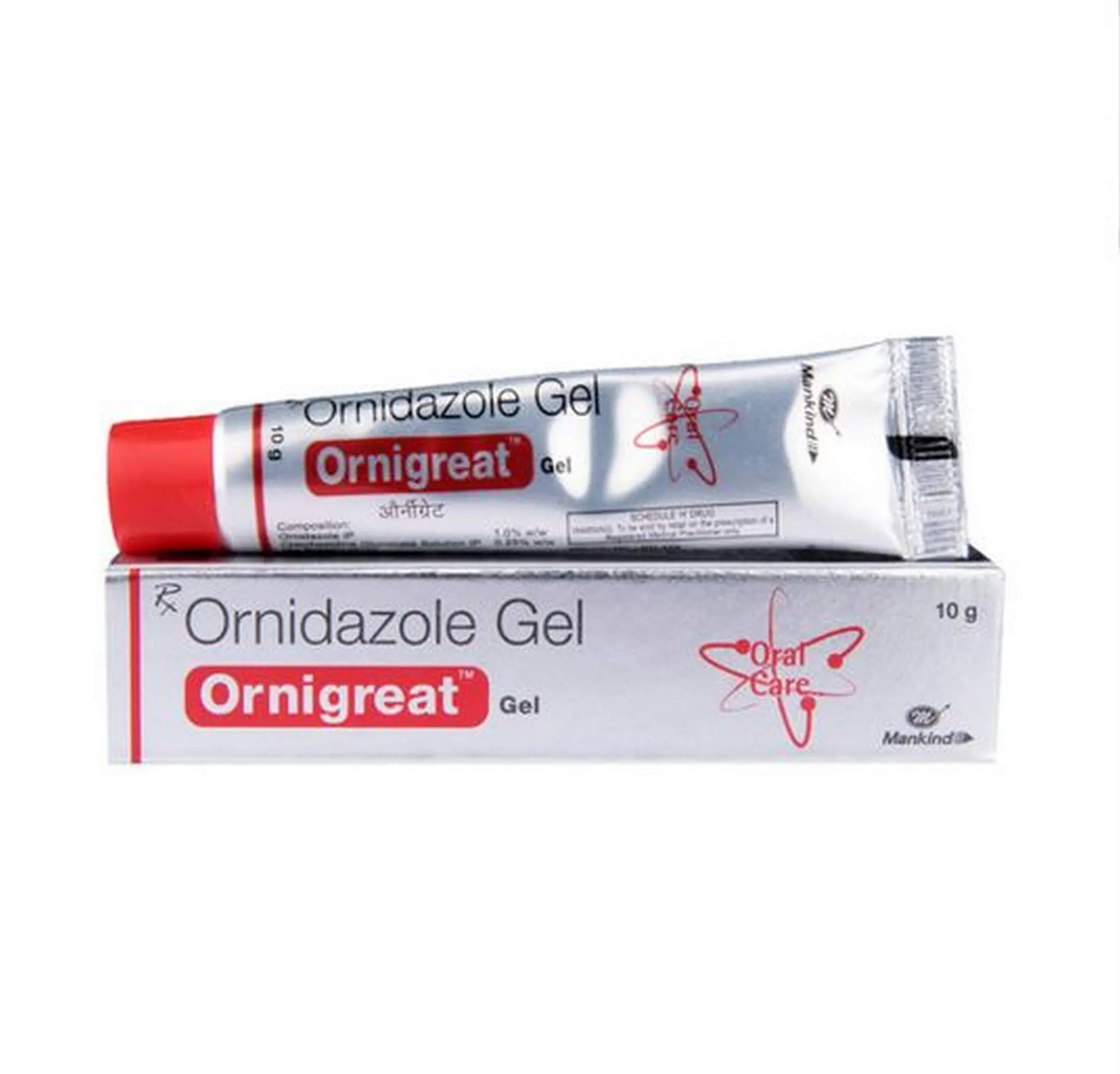
Price range: $4.00 through $20.00
| Active Ingredient | Ornidazole |
|---|---|
| Manufacturer | Mankind Pharma |
| Packaging | 10gm in 1 tube |
| Strength | 1% |
| Delivery Time | 6 To 15 days |
| SKU: | Ornigreat Gel (ornidazole) |
Ultimate Guide to Ornigreat Gel (Ornidazole): Uses, Benefits, Application, and Safety
Skin infections, slow-healing wounds, and localized bacterial or anaerobic complications can significantly impair your quality of life. Whether dealing with infected skin lesions, dental and gum infections, or specific dermatological conditions where anaerobic bacteria thrive, targeted topical therapy is often the most effective path to recovery.
This is where Ornigreat Gel (Ornidazole) stands out as a powerful dermatological and oral mucosal treatment. Formulated with Ornidazole—a potent synthetic nitroimidazole derivative—this specialized gel delivers targeted antimicrobial action right to the site of infection without subjecting your whole body to the heavy side effects of oral systemic antibiotics.
In this comprehensive, expert-backed guide, we will cover everything you need to know about Ornigreat Gel (Ornidazole). From its active mechanism of action and primary clinical uses to proper step-by-step application techniques, safety guidelines, side effects, and essential precautions, this article covers all the vital details to help you manage your skin and mucosal health effectively.
What is Ornigreat Gel (Ornidazole)?
Ornigreat Gel (Ornidazole) is a specialized topical antimicrobial gel designed to combat infections caused by anaerobic bacteria and specific protozoan organisms. Manufactured by Mankind Pharma, a trusted leader in pharmaceuticals, this formulation delivers high localized drug concentrations directly to infected tissue.
Unlike oral antibiotics that travel through the digestive system and bloodstream, Ornigreat Gel (Ornidazole) acts locally. This targeted approach provides maximum therapeutic action at the infection site while keeping systemic absorption minimal, which significantly reduces the likelihood of common antibiotic side effects like nausea, stomach upset, or systemic resistance.
Key Product Specifications
| Feature | Details |
| Active Ingredient | Ornidazole |
| Drug Class | Synthetic Nitroimidazole Antimicrobial / Antiprotozoal |
| Formulation Type | Topical / Mucosal Gel Base |
| Primary Target | Anaerobic Bacteria & Certain Protozoa |
| Primary Indications | Infected wounds, anaerobic skin lesions, periodontal infections, inflammatory skin conditions |
| Mode of Action | Disruption of bacterial DNA synthesis |
| Habit-Forming | No |
How Does Ornigreat Gel (Ornidazole) Work?
Understanding how Ornigreat Gel (Ornidazole) works at the cellular level highlights why it is so effective against stubborn anaerobic organisms.
The Science of Nitroimidazole Action
Ornidazole is a nitroimidazole derivative. Anaerobic bacteria and certain protozoa thrive in low-oxygen environments—such as deep wound beds, skin folds, or periodontal pockets around teeth. These organisms possess unique metabolic pathways that reduce the nitro group of Ornidazole into reactive intermediate compounds once the drug penetrates the micro-organism’s cell wall.
-
Cellular Penetration: Upon topical or mucosal application, the active Ornidazole molecules easily pass through the cell membranes of susceptible anaerobic bacteria and protozoa.
-
Reductive Activation: Inside the bacterial cell, low-reduction-potential electron transport proteins reduce the nitro group of Ornidazole into short-lived, highly reactive free radicals and cytotoxic intermediate compounds.
-
DNA Structure Disruption: These toxic intermediate metabolites bind directly to the double-stranded DNA of the bacterial cells.
-
Inhibition of DNA Synthesis: By causing DNA strand breakage and loss of helical structure, Ornidazole completely halts bacterial DNA replication and protein synthesis.
-
Rapid Bacterial Clearance: Lacking the ability to repair its genetic material or reproduce, the bacterial cell dies rapidly, clearing the infection and allowing healthy tissue regeneration to take place.
Because human host cells do not possess the same reductive metabolic pathways as anaerobic bacteria, Ornigreat Gel (Ornidazole) selectively targets pathogens without damaging healthy surrounding human tissue.
Primary Uses and Clinical Indications of Ornigreat Gel (Ornidazole)
Healthcare professionals, dermatologists, and dental surgeons prescribe Ornigreat Gel (Ornidazole) for a wide range of localized infectious and inflammatory conditions.
1. Infected Cutaneous Wounds and Ulcers
Skin ulcers—such as diabetic foot ulcers, venous stasis ulcers, and pressure sores (bedsores)—frequently develop mixed bacterial infections. Deep within these necrotic wound beds, oxygen levels drop, creating an ideal environment for anaerobic bacteria to multiply. Ornigreat Gel (Ornidazole) helps clear anaerobic bacterial loads, eliminate foul wound odors, reduce discharge, and accelerate healthy granulation tissue formation.
2. Periodontal and Oral Mucosal Infections
In dentistry, anaerobic bacteria are the primary culprits behind severe gum diseases like periodontitis, gingivitis, pericoronitis (inflammation around erupting wisdom teeth), and painful dental abscesses. When applied to affected gums or mucosal tissue, Ornigreat Gel (Ornidazole) penetrates deep into periodontal pockets to eliminate disease-causing bacteria, soothe inflamed gums, and control bad breath (halitosis) caused by anaerobic activity.
3. Post-Surgical Wound Infection Prevention
Following minor dermatological surgeries, abscess drainage, or dental procedures, open surgical sites face a high risk of bacterial contamination. Applying Ornigreat Gel (Ornidazole) serves as a protective antimicrobial barrier, curbing bacterial colonization and promoting clean healing.
4. Inflammatory Skin Conditions with Anaerobic Involvement
Certain severe forms of acne, rosacea, or infected seborrheic lesions involve anaerobic micro-organisms like Cutibacterium acnes alongside secondary invaders. Ornigreat Gel (Ornidazole) reduces bacterial counts and calms localized inflammatory swelling, redness, and pustule formation.
5. Specialized Gynecological or Mucosal Infections
Under medical supervision, topical or mucosal applications of Ornidazole gels are sometimes utilized to address localized protozoal or bacterial vaginosis infections, providing direct antimicrobial action right where it is needed.
Major Advantages of Using Ornigreat Gel (Ornidazole)
Choosing a targeted topical formulation like Ornigreat Gel (Ornidazole) offers several distinct clinical advantages over systemic treatments:
-
Direct Site-Specific Delivery: Delivers a concentrated dose of active medication directly to the infected tissue, achieving rapid therapeutic levels that oral pills take much longer to accomplish locally.
-
Minimal Systemic Side Effects: Because very little of the active drug enters the bloodstream, patients avoid systemic complaints like metallic taste, severe nausea, vomiting, or stomach cramps commonly linked with oral nitroimidazoles.
-
Reduces Wound Odor: Anaerobic bacteria produce volatile sulfur compounds that cause foul odors in infected wounds and ulcers. Ornigreat Gel (Ornidazole) rapidly neutralizes these bacteria, significantly clearing unpleasant odors.
-
Smooth, Non-Greasy Gel Texture: The gel base spreads evenly over raw, sensitive, or hard-to-reach mucosal and skin surfaces without leaving a sticky or heavy residue.
-
Preserves Healthy Gut Flora: Systemic broad-spectrum antibiotics often destroy beneficial gut bacteria, leading to digestive issues. Ornigreat Gel (Ornidazole) spares your gut microbiome entirely.
Step-by-Step Guide: How to Apply Ornigreat Gel (Ornidazole) Correctly
Proper application technique ensures that Ornigreat Gel (Ornidazole) works at maximum efficiency while preventing cross-contamination or unnecessary irritation.
Step 1: Wash Your Hands Thoroughly
Before touching the infected area, wash your hands thoroughly with warm water and antibacterial soap. Dry them with a clean paper towel.
Step 2: Clean the Infection Site
Gently cleanse the affected skin or mucosal surface using sterile saline, warm water, or a mild cleanser as directed by your physician. Remove any dried pus, crusting, or debris. Gently pat the area completely dry with a sterile gauze pad.
Step 3: Dispense the Correct Amount
Squeeze a thin layer or pea-sized amount of Ornigreat Gel (Ornidazole) onto a clean cotton swab, sterile gauze, or your clean fingertip. Avoid touching the open tube tip directly against infected skin to prevent contaminating the remaining gel in the tube.
Step 4: Apply Gently to the Affected Area
Smooth a thin, even layer of Ornigreat Gel (Ornidazole) over the infected lesion or inflamed mucosal region.
-
For Skin Wounds: Spread gently without aggressive rubbing, which can irritate sensitive tissue.
-
For Gum/Oral Use: Use a clean finger or soft cotton swab to massage the gel gently along the gumline or affected oral mucosa. Avoid swallowing excess gel.
Step 5: Post-Application Care
-
Wash your hands immediately after application.
-
If using the gel inside the mouth, avoid eating, drinking, rinsing, or smoking for at least 30 minutes post-application to allow the gel time to absorb into the mucosal tissue.
-
If treating a skin wound, leave it open to air or cover it with a light, sterile bandage as advised by your healthcare practitioner.
Recommended Dosage and Usage Duration
-
Standard Frequency: Typically applied 2 to 3 times daily, or as explicitly prescribed by your treating physician or dentist.
-
Duration of Treatment: Most localized infections require treatment for 5 to 10 consecutive days. Complete the entire duration prescribed by your doctor even if your symptoms improve within a couple of days—stopping antibiotic therapy too early can lead to infection recurrence or localized bacterial resistance.
-
Missed Dose: If you miss an application, apply it as soon as you remember. However, if it is almost time for your next scheduled application, skip the missed dose and resume your regular schedule. Do not apply extra gel to make up for a missed application.
Important Safety Precautions and Warnings
Although Ornigreat Gel (Ornidazole) is safe and well-tolerated when used as directed, keeping the following safety guidelines in mind is essential for optimal treatment:
1. External and Mucosal Use Only
Ornigreat Gel (Ornidazole) is meant strictly for topical dermatological or localized oral mucosal application. Never ingest the gel orally, and keep it far away from the delicate tissue of the eyes. If accidental contact with the eyes occurs, flush thoroughly with clean, cold water immediately.
2. Hypersensitivity and Allergy Warnings
Do not use Ornigreat Gel (Ornidazole) if you have a known allergy or hypersensitivity to Ornidazole, Metronidazole, Tinidazole, or any other nitroimidazole derivatives, as well as any inactive ingredients in the gel base. Signs of an allergic reaction include skin rashes, hives, severe itching, burning, or facial swelling.
3. Pregnancy and Lactation
-
Pregnancy: The safety of topical Ornidazole during pregnancy has not been fully established. Use Ornigreat Gel (Ornidazole) during pregnancy only if clearly needed and specifically prescribed by your obstetrician.
-
Breastfeeding: Consult your doctor before using this gel while nursing. Ensure the gel is never applied to the chest or breast area to prevent accidental ingestion by a nursing infant.
4. Do Not Use on Untreated Viral or Fungal Lesions
Ornigreat Gel (Ornidazole) is specifically engineered to target anaerobic bacteria and certain protozoa. It is completely ineffective against fungal infections (like Candida or ringworm) and viral lesions (such as cold sores or herpes simplex). Applying an antibacterial gel to viral or fungal conditions can delay proper diagnosis and treatment.
Potential Side Effects of Ornigreat Gel (Ornidazole)
Most patients experience zero to minimal side effects while using Ornigreat Gel (Ornidazole) because systemic drug absorption remains extremely low. However, minor localized reactions can occasionally occur.
Mild and Common Side Effects
-
Transient Burning or Stinging: A faint, brief burning or tingling sensation immediately following application on broken skin or inflamed gums.
-
Localized Skin Redness (Erythema): Mild redness or irritation around the edges of the application site.
-
Dryness or Flaking: The skin around the treated area may feel slightly dry or show minor flaking after repeated daily use.
-
Mild Bitter Taste: If applied inside the oral cavity, a slight bitter or metallic taste may be noticed temporarily.
Rare / Serious Reactions
Though highly uncommon with topical gels, seek prompt medical attention if you experience severe contact dermatitis, intense burning, severe skin swelling, widespread rash, or difficulty breathing.
Drug Interactions to Keep in Mind
Because Ornigreat Gel (Ornidazole) acts locally with minimal systemic absorption, significant drug interactions are exceedingly rare compared to oral Ornidazole tablets. However, caution should still be exercised in specific scenarios:
| Interacting Agent | Nature of Potential Interaction | Clinical Advice |
| Other Topical Antibiotics / Ointments | Combining multiple topical creams simultaneously can dilute active ingredients or trigger severe contact irritation. | Do not mix different creams or gels on the same skin lesion without explicit doctor approval. |
| Alcohol / Alcohol-Based Products | Oral nitroimidazoles cause a disulfiram-like reaction with alcohol. While topical absorption is very low, alcohol-containing mouthwashes or skin toners may increase local irritation. | Avoid alcohol-based mouthwashes or skin products on the treated area during therapy. |
| Oral Anticoagulants (e.g., Warfarin) | Systemic nitroimidazoles can potentiate the blood-thinning effects of Warfarin. | While topical interaction is unlikely, inform your doctor if taking blood thinners and applying gel over extensive open wound areas. |
Essential Lifestyle and Home Care Tips for Faster Healing
Using Ornigreat Gel (Ornidazole) works best when combined with supportive wound care and healthy lifestyle practices:
1. Maintain Cleanliness and Hygiene
Keep the affected skin or mucosal region clean, dry, and free from external friction. Avoid touching, picking at, or scratching healing wounds or acne lesions, as this introduces secondary aerobic bacteria and increases the risk of permanent scarring.
2. Maintain Balanced Nutrition and Hydration
Healing requires cellular building blocks. Eat a well-balanced diet rich in Vitamin C, Zinc, and lean proteins to support tissue repair and boost your immune system. Stay well-hydrated to support skin cell turnover and mucosal health.
3. Practice Gentle Dental Care (for Oral Use)
If using Ornigreat Gel (Ornidazole) for gum or periodontal issues, continue brushing twice daily with an ultra-soft toothbrush, but avoid scrubbing forcefully over tender, treated gum tissue.
Frequently Asked Questions (FAQs) About Ornigreat Gel (Ornidazole)
1. How fast does Ornigreat Gel (Ornidazole) work?
Most patients begin to notice visible improvements—such as reduced inflammation, less discharge, decreased redness, and diminished wound odor—within 24 to 48 hours of starting treatment. However, you should continue using the gel for the full duration prescribed by your healthcare provider to ensure complete infection clearance.
2. Can I use Ornigreat Gel (Ornidazole) for regular acne?
While Ornigreat Gel (Ornidazole) exhibits strong action against anaerobic organisms, it should only be used for acne if explicitly recommended by your dermatologist. It is primarily formulated for infected wounds, anaerobic skin lesions, and dental mucosal conditions rather than routine comedonal acne.
3. Is Ornigreat Gel (Ornidazole) available over the counter?
In most regions, Ornigreat Gel (Ornidazole) is a prescription-only prescription medication. Because it contains a potent antimicrobial agent, it should always be used under the supervision of a licensed physician or dental professional to prevent inappropriate use and antibiotic resistance.
4. Can I drink alcohol while using Ornigreat Gel (Ornidazole)?
With oral Ornidazole tablets, alcohol must be strictly avoided to prevent severe disulfiram-like reactions (nausea, vomiting, flushing, rapid heartbeat). While systemic absorption from Ornigreat Gel (Ornidazole) is minimal, it remains best practice to avoid alcohol during treatment, especially if applying the gel inside the oral cavity or onto large open wound surfaces.
5. What should I do if I experience a burning sensation after application?
A mild, brief tingling sensation immediately upon application can be normal, especially on raw or inflamed skin. However, if you experience intense, prolonged burning, worsening redness, or severe pain, wash the gel off gently with cool water, stop using it, and contact your doctor.
6. How should Ornigreat Gel (Ornidazole) be stored?
Store Ornigreat Gel (Ornidazole) at room temperature, ideally below 25°C (77°F). Keep the tube tightly closed when not in use, protect it from direct sunlight, freezing, and excessive heat, and ensure it stays safely out of the reach of children and pets.
Conclusion
Local bacterial and anaerobic infections do not have to disrupt your daily routine or compromise your well-being. Ornigreat Gel (Ornidazole) offers a fast, targeted, and highly effective therapeutic solution for clearing anaerobic infections across skin lesions, open wounds, and oral mucosal tissues. By delivering concentrated antimicrobial action straight to the source of infection, it alleviates painful symptoms, eliminates foul wound odors, and accelerates healthy tissue repair without triggering the unwanted side effects common to oral antibiotics.
For optimal therapeutic results, always follow the proper application steps: clean hands, wash the affected area gently, apply a thin layer as directed, and complete your full treatment course. Keep all safety guidelines in mind, avoid picking at wounds, and keep your healthcare provider updated on your progress.
If your infection fails to show signs of improvement after 5 to 7 days of treatment, or if symptoms worsen at any point, schedule a follow-up consultation with your doctor or dentist for a thorough medical evaluation.
Disclaimer:-
This information about Ornigreat Gel (ornidazole) is provided for general educational purposes only and should not replace professional medical advice, diagnosis, or treatment. Use this medicine only as directed by a qualified healthcare professional. Always check the product label and consult your doctor or pharmacist regarding proper use, possible side effects, interactions, contraindications, and precautions. Do not self-medicate or change your treatment without professional guidance.
Additional information
| unit | 1 Gel, 3 Gel, 6 Gel |
|---|



Reviews
There are no reviews yet.