
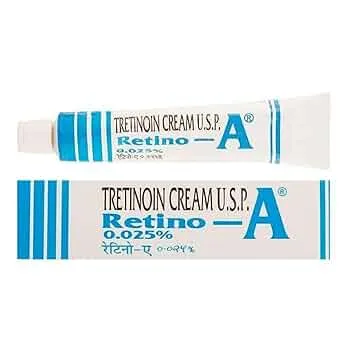
Retino A Cream 0.025% (Tretinoin)
Price range: $10.00 through $26.00
| Active Ingredient | Tretinoin |
|---|---|
| Manufacturer | healing pharma |
| Packaging | 20 gm in 1 tube |
| Strength | 0.025% |
| Delivery Time | 6 To 15 days |
| SKU: | Retino A Cream 0.025% (Tretinoin) |
The Ultimate Guide to Retino A Cream 0.025% (Tretinoin): Uses, Benefits, Application, and Results
Skin changes constantly. Whether you are battling persistent breakouts, stubborn post-acne marks, fine lines, or an uneven skin texture, finding a skincare ingredient that delivers real, science-backed results can feel overwhelming. Many over-the-counter products promise quick fixes, but few deliver dramatic, long-term transformations.
This is where Retino A Cream 0.025% (Tretinoin) stands out. Widely considered the gold standard in dermatological care, topically applied tretinoin has decades of clinical research supporting its effectiveness. As the lowest starting prescription strength, the 0.025% concentration offers an ideal entry point for individuals looking to rejuvenate their skin while minimizing irritation.
In this comprehensive guide, we will break down everything you need to know about Retino A Cream 0.025% (Tretinoin). From how it works beneath the surface and its primary dermatological benefits to step-by-step application rules, managing side effects, and essential precautions, this article covers all the details you need to achieve smooth, clear, and radiant skin.
What is Retino A Cream 0.025% (Tretinoin)?
Retino A Cream 0.025% (Tretinoin) is a topical retinoid formulation containing pure retinoic acid (0.025% w/w). Unlike over-the-counter retinol, which must undergo multiple chemical conversions within the skin to become active, tretinoin is already pure retinoic acid. It binds directly to retinoid receptors in your skin cells from the moment it is absorbed.
Manufactured in a smooth cream base, this specific 0.025% concentration provides a gentle yet effective dose. It allows the skin to build tolerance—a process known as retinization—without subjecting the delicate moisture barrier to unnecessary stress.
Product Composition and Key Details
| Specification | Attribute Details |
| Active Ingredient | Tretinoin (Pure Retinoic Acid) 0.025% w/w |
| Formulation Type | Emollient Topical Cream |
| Therapeutic Class | First-Generation Topical Retinoid |
| Primary Indications | Acne vulgaris, comedones, photoaging, fine lines, hyperpigmentation |
| Mechanism | Accelerates cellular turnover, clears pores, stimulates collagen |
| Prescription Status | Prescription required (Schedule H drug in many regions) |
How Retino A Cream 0.025% (Tretinoin) Works at the Cellular Level
To understand why Retino A Cream 0.025% (Tretinoin) is so effective, it helps to examine what happens beneath the stratum corneum (the skin’s outermost layer).
Tretinoin operates at a nuclear level within dermal and epidermal cells:
-
Binding to Nuclear Receptors: Once absorbed, tretinoin binds to specific nuclear receptors inside skin cells called Retinoic Acid Receptors (RARs) and Retinoid X Receptors (RXRs).
-
Accelerating Epidermal Turnover: Normally, skin cells take around 28 to 30 days to shed and renew. Tretinoin speeds up this process, encouraging old, dead cells to shed rapidly while bringing fresh, healthy cells to the surface.
-
Preventing Microcomedone Formation: Acne begins when dead skin cells mix with excess sebum and clog pores. By reducing the stickiness of dead skin cells (desquamation), tretinoin prevents pore blockages before they turn into blackheads, whiteheads, or inflamed pimples.
-
Boosting Collagen Synthesis: Deep in the dermis, tretinoin stimulates fibroblasts to produce new collagen and elastin fibers while inhibiting collagenase—the enzyme responsible for breaking down existing collagen.
-
Regulating Melanin Distribution: It speeds up the shedding of hyperpigmented surface cells and distributes melanin more evenly across the skin.
Primary Uses and Skin Benefits of Retino A Cream 0.025% (Tretinoin)
Dermatologists prescribe Retino A Cream 0.025% (Tretinoin) for a broad range of skin concerns, making it one of the most versatile topical treatments available.
1. Effective Acne Vulgaris Treatment
Acne is a complex condition driven by excess oil production, clogged pores, bacterial overgrowth, and inflammation. Retino A Cream 0.025% (Tretinoin) targets the root cause of breakouts by keeping pores clear of debris. It treats active non-inflammatory acne (blackheads and whiteheads) as well as inflammatory lesions (papules and pustules), preventing new spots from forming.
2. Smooths Fine Lines and Prevents Premature Aging
Fine lines, subtle wrinkles, and loss of skin elasticity are natural signs of intrinsic aging and sun exposure (photoaging). By increasing dermal collagen production and improving skin thickness over time, Retino A Cream 0.025% (Tretinoin) visibly softens fine lines, smooths crepiness, and restores structural firmness to mature skin.
3. Fades Dark Spots and Post-Acne Hyperpigmentation
Lingering dark spots—known as post-inflammatory hyperpigmentation (PIH)—and sunspots can remain long after acne heals. Retino A Cream 0.025% (Tretinoin) accelerates the removal of pigmented surface cells, gradually fading dark spots and creating a more balanced, even skin tone.
4. Refines Rough Skin Texture
Uneven, bumpy, or rough skin often stems from built-up dead skin cells. Regular use of Retino A Cream 0.025% (Tretinoin) encourages uniform cell shedding, smoothing out rough patches and giving the skin a softer, glass-like clarity.
5. Minimizes the Appearance of Enlarged Pores
While you cannot physically change your genetic pore size, pores look significantly larger when stretched open by trapped oil and dead skin cells. By keeping pores completely clear and boosting surrounding dermal support, Retino A Cream 0.025% (Tretinoin) helps pores look noticeably smaller and tighter.
Step-by-Step Guide: How to Apply Retino A Cream 0.025% (Tretinoin)
Because tretinoin is a high-potency active ingredient, application technique plays a crucial role in avoiding severe peeling or irritation. Follow this step-by-step nighttime routine for best results:
Step 1: Cleanse Gently
In the evening, wash your face with a mild, gentle, non-foaming cleanser. Avoid scrub brushes, harsh exfoliating beads, or salicylic acid washes, as combining these with tretinoin can strip your skin barrier.
Step 2: Dry Your Skin Thoroughly
Pat your face dry with a clean towel and wait at least 15 to 20 minutes before applying tretinoin.
Important Rule: Applying Retino A Cream 0.025% (Tretinoin) to damp skin increases absorption speed, which drastically increases the risk of redness, stinging, and irritation. Always ensure your skin is completely dry.
Step 3: Dispense a Pea-Sized Amount
Squeeze a tiny, pea-sized amount of Retino A Cream 0.025% (Tretinoin) onto your fingertip. This small amount is enough for your entire face. Using more product will not speed up your results; it will only cause irritation and peeling.
Step 4: Dot and Spread Evenly
Dot the cream onto your forehead, cheeks, chin, and nose. Gently spread it across your face, making sure to avoid sensitive zones:
-
The delicate eye area and eyelids
-
The corners of your nose
-
Directly on your lips
Step 5: Moisturize
Follow up with a rich, fragrance-free, barrier-repairing moisturizer to lock in hydration and soothe your skin overnight.
The “Sandwich Method” for Sensitive Skin
If you have sensitive skin or are new to strong retinoids, try the “Sandwich Method” to build tolerance gradually while keeping irritation to a minimum:
-
Cleanse your face and pat dry.
-
Apply a thin layer of a gentle, hydrating moisturizer and let it absorb for 5 to 10 minutes.
-
Apply a pea-sized amount of Retino A Cream 0.025% (Tretinoin) across your face.
-
Apply a second layer of moisturizer on top to seal everything in.
This buffering technique buffers the rate at which tretinoin penetrates the skin barrier, keeping irritation low without sacrificing long-term benefits.
Understanding Retinization: The Adaptation Phase and “Purging”
When starting Retino A Cream 0.025% (Tretinoin), your skin undergoes an adjustment period known as retinization. This phase typically lasts between 2 and 6 weeks.
Common Symptoms During Retinization
-
Mild Dryness and Flaking: Old skin cells shed rapidly, causing visible peeling around the mouth, nose, and chin.
-
Temporary Redness and Sensitivity: Your skin may feel warm or slightly tender, especially after washing.
-
Skin Purging: Tretinoin speeds up cell turnover, bringing underlying microcomedones to the surface all at once. This can cause a temporary surge in breakouts.
How to Tell Purging Apart from an Allergic Reaction
| Feature | Skin Purging | Allergic Reaction / Barrier Damage |
| Location | Occurs in areas where you normally get breakouts. | Occurs across the entire face, including areas that are usually clear. |
| Lesion Type | Small whiteheads or papules that resolve quickly. | Intense itching, hives, burning, or severe redness. |
| Duration | Lasts 2 to 6 weeks, then clears completely. | Persists or worsens until you stop using the product. |
Purging is a normal part of the clearing process. Stay patient, keep your skin hydrated, and avoid picking at new blemishes.
Recommended Schedule for Beginners
To help your skin adapt smoothly to Retino A Cream 0.025% (Tretinoin), ease into your application schedule rather than applying it every night right away:
-
Weeks 1 and 2: Apply twice a week (e.g., Monday and Thursday nights).
-
Weeks 3 and 4: Apply every other night.
-
Week 5 Onward: Increase to every night if your skin tolerates it well without excessive dryness or redness.
If your skin becomes raw, itchy, or overly dry at any point, pause tretinoin use for 2 to 3 days, focus on barrier repair with hydrating moisturizers, and resume at a slower pace once your skin calms down.
Essential Precautions and Safety Guidelines
While Retino A Cream 0.025% (Tretinoin) is safe and highly effective when used correctly, observing proper safety guidelines prevents unnecessary skin damage.
1. Daily Sunscreen is Non-Negotiable
Tretinoin sheds the outermost layer of dead skin cells, making your fresh skin significantly more sensitive to ultraviolet (UV) radiation. Exposing tretinoin-treated skin to the sun without protection can cause severe sunburn, worsening dark spots, and accelerated photoaging.
-
Apply a broad-spectrum sunscreen with SPF 30 or higher every morning, even on cloudy days or when staying indoors near windows.
-
Reapply every 2 hours if you are outdoors or swimming.
2. Avoid Harsh Exfoliants and Active Ingredients
When starting Retino A Cream 0.025% (Tretinoin), temporarily pause other strong active ingredients in your routine:
-
Alpha Hydroxy Acids (AHAs like glycolic or lactic acid)
-
Beta Hydroxy Acids (BHAs like salicylic acid)
-
Benzoyl peroxide (which can deactivate tretinoin if applied at the exact same time)
-
Physical scrubs and exfoliating brushes
-
Vitamin C serums (unless introduced slowly on alternate mornings)
Keep your routine simple: a gentle cleanser, a rich moisturizer, Retino A Cream 0.025% (Tretinoin) at night, and a broad-spectrum sunscreen during the day.
3. Absolute Contraindication in Pregnancy
Topical retinoids, including Retino A Cream 0.025% (Tretinoin), are contraindicated during pregnancy and breastfeeding. Retinoids carry potential teratogenic risks to a developing fetus. Discontinue use immediately if you suspect you are pregnant or plan to conceive.
4. Do Not Apply to Broken or Eczematous Skin
Do not apply tretinoin over open cuts, severe burns, active eczema flare-ups, or cold sores. Allow damaged skin to heal completely before resuming treatment.
Potential Side Effects and How to Manage Them
Most side effects associated with Retino A Cream 0.025% (Tretinoin) are temporary and resolve as your skin adapts.
Common, Manageable Side Effects
-
Dryness and Peeling: Manage this by applying a barrier cream rich in ceramides, hyaluronic acid, or squalane.
-
Mild Stinging: A brief warming sensation after application. Ensure your face is completely dry before applying tretinoin.
-
Increased Sensitivity to Cold or Wind: Protect your face with soft scarves or hydrating balms in harsh weather.
Rare Side Effects
-
Severe skin blistering, crusting, or swelling
-
Persistent, intense burning sensations
-
Contact allergic dermatitis
If severe reactions occur, discontinue use immediately and consult a dermatologist.
What Results to Expect: Timeline of Transformation
Consistent use is key when treating skin with Retino A Cream 0.025% (Tretinoin). Real, lasting structural change takes time:
+-------------------------------------------------------------------------+
|                  TRETINOIN 0.025% TREATMENT TIMELINE                    |
+-------------------+-----------------------------------------------------+
| Timeline          | Expected Skin Changes                               |
+-------------------+-----------------------------------------------------+
| Weeks 1 to 4      | Retinization phase: mild flaking, temporary purging,|
|                   | increased skin sensitivity.                         |
+-------------------+-----------------------------------------------------+
| Weeks 6 to 8      | Breakouts decrease, active acne heals faster, and   |
|                   | overall texture begins to feel smoother.            |
+-------------------+-----------------------------------------------------+
| Weeks 12 to 16    | Clearer skin, fewer comedones, noticeable fading of |
|                   | post-acne dark marks, and improved skin radiance.   |
+-------------------+-----------------------------------------------------+
| Months 6 to 12+   | Dermal collagen rebuilds: fine lines soften, skin  |
|                   | firmness improves, and tone stays consistently even.|
+-------------------+-----------------------------------------------------+
-
Weeks 1 to 4: The adaptation phase. Expect mild flaking, temporary purging, and increased sensitivity.
-
Weeks 6 to 8: Breakouts begin to decrease, active acne heals faster, and skin texture starts feeling smoother.
-
Weeks 12 to 16: Clearer skin emerges. Comedones are noticeably reduced, post-acne dark marks fade, and skin tone looks brighter.
-
Months 6 to 12 and Beyond: Deep collagen remodeling takes place. Fine lines soften, overall skin firmness improves, and your complexion remains consistently clear and youthful.
Frequently Asked Questions (FAQs)
1. Is Retino A Cream 0.025% (Tretinoin) available without a prescription?
No. In most regions, tretinoin is a potent Schedule H prescription medication. You should always consult a licensed dermatologist before starting tretinoin to ensure it is suitable for your specific skin type and needs.
2. Can I use Retino A Cream 0.025% (Tretinoin) every day?
Yes, but only after your skin has built up tolerance. Beginners should start by applying it 2 to 3 nights a week, gradually increasing frequency over 4 to 6 weeks as their skin adapts.
3. Is the 0.025% strength effective, or should I start higher?
The 0.025% strength is highly effective. Clinical studies show that 0.025% tretinoin delivers long-term results comparable to higher concentrations (like 0.05% or 0.1%), but with significantly less irritation, redness, and peeling. It is the ideal starting strength for most skin types.
4. Can I apply Retino A Cream 0.025% under my eyes?
The skin around the eyes is exceptionally thin and sensitive. Avoid applying tretinoin directly onto your eyelids or right under your lower lash line. Apply it up to the orbital bone only, and use a dedicated eye cream for your delicate eye area.
5. What should I do if my skin starts peeling heavily?
Excessive peeling means your skin barrier is compromised. Pause tretinoin for 2 to 3 days, focus on barrier repair with gentle cleansers and rich ceramide moisturizers, and resume treatment using the Sandwich Method at a lower weekly frequency.
6. Can I use Vitamin C while using Retino A Cream 0.025%?
Yes, but split them up in your routine. Use your Vitamin C serum in the morning under sunscreen to protect against free radicals, and apply Retino A Cream 0.025% (Tretinoin) at night. If your skin is extra sensitive, wait until your skin adapts to tretinoin before introducing Vitamin C.
Final Thoughts: Transforming Your Skin with Retino A Cream 0.025%
Retino A Cream 0.025% (Tretinoin) remains one of the most effective, research-backed topical treatments for achieving clear, smooth, and youthful skin. By accelerating cellular turnover, clearing pores from within, fading hyperpigmentation, and stimulating new collagen, it addresses multiple skin concerns in a single step.
Success with tretinoin requires patience, consistency, and gentle skin care. By introducing Retino A Cream 0.025% (Tretinoin) gradually, keeping your skin thoroughly moisturized, and applying daily broad-spectrum sunscreen, you can navigate the adaptation phase comfortably and enjoy long-lasting skin health.
Disclaimer:-
This information about Retino A Cream 0.025% (Tretinoin) is provided for educational purposes only and is not a substitute for professional medical advice, diagnosis, or treatment. Tretinoin can cause skin irritation and may not be suitable for everyone. Follow your healthcare professional’s instructions for use, and discuss pregnancy, breastfeeding, allergies, or other skin treatments with a qualified healthcare provider before using it.
Additional information
| mg | 0.025%, 0.05% |
|---|---|
| unit | 2 Cream, 6 Cream, 4 Cream |


Reviews
There are no reviews yet.