
- “Sebifin Cream (Terbinafine)” already exists in your wishlist
Sebifin Cream (Terbinafine)
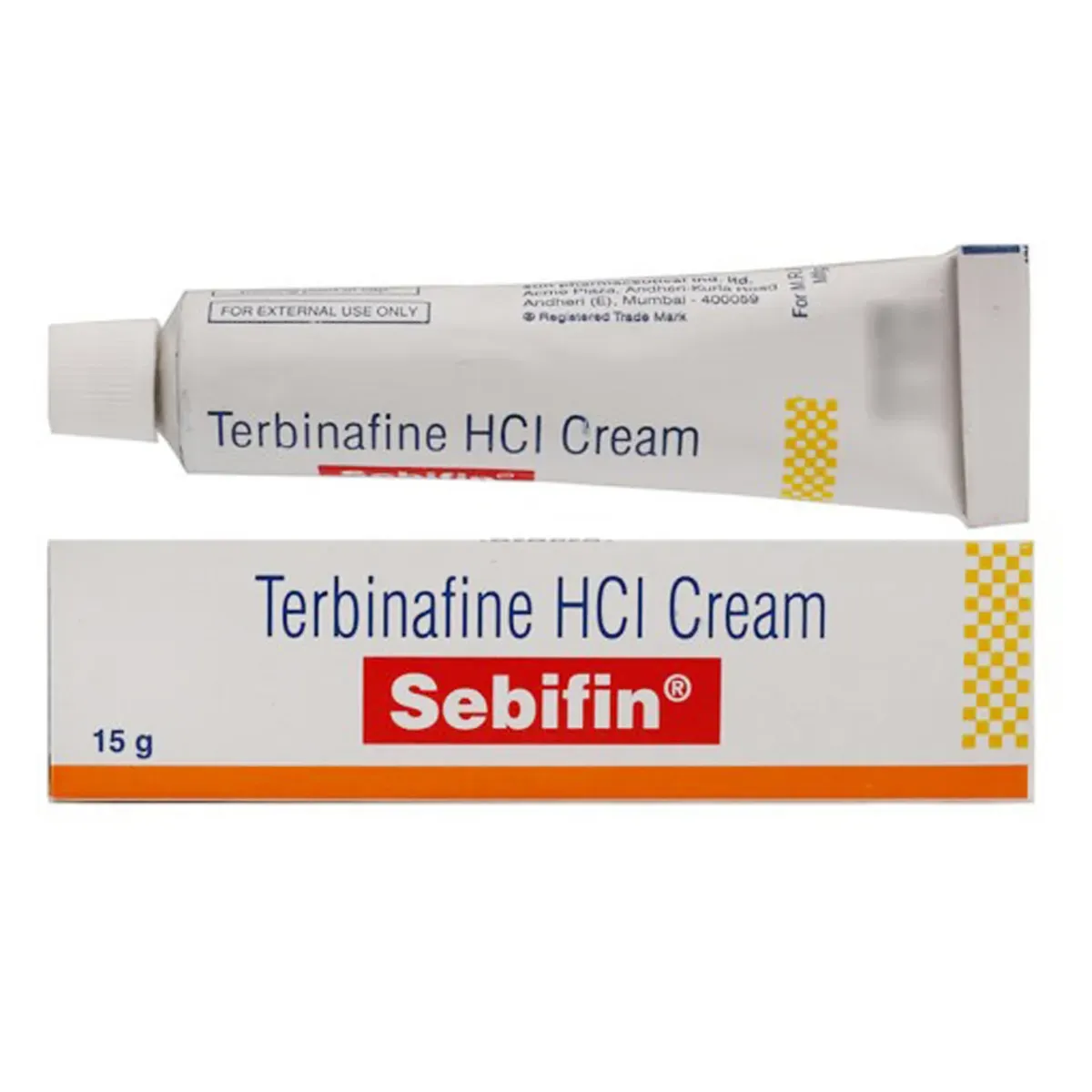
Price range: $5.00 through $18.00
| Active Ingredient | Terbinafine |
|---|---|
| Manufacturer | Sun Pharmaceutical Industries Ltd |
| Packaging | 15 gm in 1 tube |
| Strength | 1% |
| Delivery Time | 6 To 15 days |
| SKU: | Sebifin Cream (Terbinafine) |
The Ultimate Guide to Sebifin Cream (Terbinafine): Uses, Benefits, Application, and Action Against Fungal Infections
Fungal skin infections are remarkably common, highly contagious, and deeply uncomfortable. Whether it manifests as the persistent itch of athlete’s foot, red rings on the torso, or stubborn irritation in skin folds, fungal overgrowth can significantly impact your daily life. The itching, burning, peeling, and redness can turn simple activities into daily frustrations.
Topical antifungal medications play a crucial role in eliminating dermatophyte infections at the source. Among the most widely recommended and clinically trusted solutions is Sebifin Cream (Terbinafine). Formulated with a high-potency allylamine antifungal agent, this topical cream delivers fast, targeted relief while eradicating the underlying fungal pathogens.
In this comprehensive guide, we will explore everything you need to know about Sebifin Cream (Terbinafine). From its active ingredient mechanism and targeted medical conditions to step-by-step application instructions, safety guidelines, and lifestyle strategies, this article covers all the essential information to help you achieve clear, healthy skin.
What is Sebifin Cream (Terbinafine)?
Sebifin Cream (Terbinafine) is an advanced topical antifungal medication engineered to treat a broad spectrum of superficial fungal skin infections. Manufactured by Sun Pharmaceutical Industries Ltd., it contains 1% w/w Terbinafine Hydrochloride set in a smooth, non-greasy cream base.
Unlike generic anti-itch lotions that merely soothe surface irritation without clearing the underlying cause, Sebifin Cream (Terbinafine) targets the structural integrity of fungal cell membranes. It actively eliminates the fungi responsible for skin lesions, providing both rapid relief from itching and long-term resolution of the infection.
Key Specifications
| Feature | Details |
| Active Ingredient | Terbinafine Hydrochloride IP (1% w/w) |
| Pharmacological Class | Allylamine Antifungal Agent |
| Primary Action | Fungicidal (Kills fungi) and Fungistatic (Inhibits fungal growth) |
| Primary Indications | Tinea pedis, Tinea cruris, Tinea corporis, Cutaneous candidiasis, Tinea versicolor |
| Standard Treatment Duration | 1 to 2 weeks (depending on condition severity) |
| Formulation Type | Smooth, topical, water-washable emulsion cream |
How Does Sebifin Cream (Terbinafine) Work?
To understand why Sebifin Cream (Terbinafine) is so effective, it helps to look at the cellular biology of fungi.
Fungi rely on a specific sterol called ergosterol to maintain the structure, fluidity, and function of their cell membranes. Ergosterol is equivalent to cholesterol in human cell membranes. Without ergosterol, a fungal cell cannot regulate nutrient flow, maintain structural stability, or survive.
Mechanism of Action: Squalene Epoxidase Inhibition
Terbinafine works by selectively inhibiting a key fungal enzyme called squalene epoxidase. This enzymatic blockade triggers a two-step destructive process within the fungal cell:
-
Ergosterol Depletion: By blocking squalene epoxidase, Terbinafine prevents the conversion of squalene to lanosterol, the precursor to ergosterol. The lack of ergosterol weakens the fungal cell membrane, causing it to become permeable and dysfunctional.
-
Toxic Squalene Accumulation: Simultaneously, un-metabolized squalene accumulates to toxic levels inside the fungal cell. High concentrations of intracellular squalene disrupt lipid membranes, leading to rapid cell membrane breakdown and cell death.
[Terbinafine Application]
          │
          ▼
Inhibits Squalene Epoxidase Enzyme
          │
    ┌─────┴─────────────────────────┐
    ▼                               ▼
Blocks Ergosterol Synthesis   Accumulates Toxic Squalene
    │                               │
    ▼                               ▼
Weakens Cell Wall Membrane    Causes Rapid Fungal Cell Death
    │                               │
    └─────┬─────────────────────────┘
          ▼
  Complete Fungicidal Eradication
Because of this unique dual mechanism, Sebifin Cream (Terbinafine) is primarily fungicidal against dermatophytes—meaning it actively destroys the fungi rather than merely halting their reproduction (fungistatic). This leads to higher cure rates and lower recurrence rates over shorter treatment courses compared to older azole antifungals.
Primary Uses and Conditions Treated by Sebifin Cream
Sebifin Cream (Terbinafine) is clinically indicated for treating superficial fungal infections caused by dermatophytes (such as Trichophyton, Microsporum, and Epidermophyton species), yeast species (such as Candida), and pityriasis-causing fungi.
1. Athlete’s Foot (Tinea Pedis)
Tinea pedis is a common fungal infection affecting the feet, particularly between the toes (interdigital) or across the soles and sides (moccasin type). Symptoms include intense itching, peeling, cracking skin, redness, and occasional burning. Sebifin Cream (Terbinafine) penetrates the thick stratum corneum layer of the feet, clearing the fungi and restoring skin texture.
2. Jock Itch (Tinea Cruris)
Tinea cruris develops in warm, moist areas of the body such as the groin, inner thighs, and buttocks. It manifests as a raised, red, scaly rash that causes severe itching and chafing. Applying Sebifin Cream (Terbinafine) soothes inflamed skin and eliminates the infection within a short treatment period.
3. Ringworm of the Body (Tinea Corporis)
Despite its name, ringworm is caused entirely by a fungus, not a worm. It appears as circular, red, raised patches with clearer skin in the center, creating a characteristic ring shape. It can develop on the arms, legs, torso, or face. Sebifin Cream (Terbinafine) stops ringworm lesions from spreading and restores normal skin appearance.
4. Cutaneous Candidiasis (Yeast Infections of the Skin)
Caused by Candida species, cutaneous candidiasis typically occurs in warm, moist skin folds—such as under the breasts, around the armpits, or within abdominal folds. It causes bright red, itchy, and weeping skin patches. Sebifin Cream (Terbinafine) inhibits Candida overgrowth, calming redness and scaling.
5. Tinea Versicolor (Pityriasis Versicolor)
Tinea versicolor is a superficial fungal infection caused by Malassezia yeast overgrowth. It causes small, discolored patches on the chest, back, neck, and upper arms that may appear lighter or darker than the surrounding skin. Sebifin Cream (Terbinafine) helps normalize fungal balance and clear scaling, allowing natural skin pigmentation to return over time.
Key Benefits of Sebifin Cream (Terbinafine)
Choosing Sebifin Cream (Terbinafine) offers several key clinical advantages:
-
Fast-Acting Relief: Rapidly reduces troublesome symptoms such as itching, stinging, and burning within days of initial use.
-
Fungicidal Power: Actively destroys fungal cell membranes rather than just stopping growth, leading to cleaner clearance.
-
Shorter Treatment Duration: Most dermatophyte infections respond completely within 1 to 2 weeks of consistent use, compared to 4 weeks required by older antifungal formulations.
-
Low Recurrence Rates: Deep tissue penetration helps ensure complete fungal eradication, significantly reducing the likelihood of infection relapse.
-
Clean, Non-Greasy Base: Spreads smoothly, absorbs quickly into the skin, and can be washed off easily without leaving heavy residues or staining clothes.
Step-by-Step Application Guide: How to Use Sebifin Cream
To get the most out of Sebifin Cream (Terbinafine) and ensure complete clearance of your fungal infection, follow this step-by-step application routine:
Step 1: Wash and Prepare the Area
Thoroughly clean the affected skin and surrounding area using warm water and a mild, fragrance-free soap. Remove all sweat, dirt, or leftover cream.
Step 2: Dry Completely
Fungi thrive in moist environments. Gently pat the skin dry with a clean towel. Ensure the area between toes or within skin folds is completely dry before applying the cream. Use a separate towel for infected areas to avoid spreading the fungus to other parts of your body.
Step 3: Apply a Thin Layer
Dispense a small amount of Sebifin Cream (Terbinafine) onto your clean fingertip. Gently smooth a thin layer over the affected skin and extend it about 1 to 2 centimeters onto the surrounding healthy skin.
Step 4: Rub Gently Until Absorbed
Gently rub the cream in until it absorbs into the skin. Avoid rough rubbing or scratching, which can worsen inflamed tissue.
Step 5: Wash Your Hands Thoroughly
Wash your hands with soap and water immediately after application (unless your hands are the area being treated). This prevents cross-contamination to other areas of your body or other people.
Step 6: Wear Breathable Clothing
If applying to areas covered by clothing, wear loose-fitting, breathable cotton fabrics to minimize moisture accumulation.
Recommended Dosage and Treatment Duration
The application frequency and overall duration depend on the specific type and severity of the infection:
| Condition | Typical Frequency | Recommended Duration |
| Athlete’s Foot (Tinea Pedis) | 1 to 2 times daily | 1 to 2 weeks |
| Jock Itch (Tinea Cruris) | 1 time daily | 1 week |
| Ringworm (Tinea Corporis) | 1 time daily | 1 week |
| Skin Candidiasis | 1 to 2 times daily | 1 to 2 weeks |
| Tinea Versicolor | 1 to 2 times daily | 2 weeks |
The Golden Rule of Antifungal Therapy: Complete the Course
A common mistake when using Sebifin Cream (Terbinafine) is stopping treatment as soon as the itching stops or visible redness fades. Fungal spores can linger in the outer skin layers even after surface symptoms disappear. Stopping treatment early can lead to infection relapse. Always complete the full duration recommended by your doctor or healthcare professional.
Important Safety Precautions and Warnings
While Sebifin Cream (Terbinafine) is safe and well-tolerated for topical use, keep these safety precautions in mind:
1. For External Use Only
Sebifin Cream (Terbinafine) is designed strictly for topical application on the skin. Do not swallow or apply inside the eyes, nose, mouth, vagina, or open wounds. If the cream accidentally gets into your eyes, rinse thoroughly with clean water.
2. Pregnancy and Breastfeeding
-
Pregnancy: Clinical data on topical terbinafine during pregnancy shows minimal systemic absorption. However, it should only be used if clearly necessary and explicitly recommended by a healthcare provider.
-
Breastfeeding: Nursing mothers should exercise caution. Do not apply Sebifin Cream (Terbinafine) to the chest or breast area to prevent accidental ingestion by an infant.
3. Avoid Air-Tight (Occlusive) Dressings
Do not cover the treated area with tight plastic bandages or occlusive dressings unless specifically instructed by your dermatologist. Covering the area can increase systemic absorption and skin irritation.
4. Pediatric Use
Topical terbinafine is generally recommended for adults and adolescents over 12 years of age. Use in young children should only occur under direct pediatric supervision.
Potential Side Effects of Sebifin Cream
Because Sebifin Cream (Terbinafine) is applied topically and minimal active drug enters the bloodstream, systemic side effects are extremely rare. Most individuals use the cream without experiencing adverse reactions.
Mild and Transient Local Reactions
Some individuals with sensitive skin may experience mild, localized skin reactions at the application site:
-
Temporary mild burning or stinging
-
Minor redness or irritation
-
Mild dryness or skin flaking
-
Slight itching
These symptoms are usually mild and resolve as your skin adjusts to treatment.
Rare Allergic Reactions
Although uncommon, severe allergic contact dermatitis can occur. Discontinue use and contact your healthcare provider if you experience:
-
Severe spreading redness or rash
-
Blistering or oozing skin
-
Intense burning or swelling of the face, lips, or tongue
-
Difficulty breathing or swallowing
Essential Hygiene Practices to Prevent Fungal Recurrence
While Sebifin Cream (Terbinafine) clears active fungal infections, preventing re-infection requires maintaining good hygiene habits. Fungi flourish in warm, dark, and damp environments.
Daily Hygiene Habits
-
Keep Skin Clean and Dry: Thoroughly dry yourself after bathing, paying extra attention to skin folds, underarms, groin, and between toes.
-
Change Socks and Underwear Daily: Wear clean, moisture-wicking cotton or bamboo socks and underwear every day. Change them immediately if they become damp from sweat.
-
Rotate Footwear: Avoid wearing the same pair of shoes two days in a row. Allow shoes to air out and dry completely between uses.
-
Use Footwear in Public Areas: Always wear flip-flops or shower shoes in public gym showers, locker rooms, pool decks, and hotel bathrooms.
-
Avoid Sharing Personal Items: Never share towels, clothing, socks, hairbrushes, or nail clippers with others.
-
Wash Clothing in Hot Water: Wash towels, gym clothes, and bed linens in hot water to eliminate lingering fungal spores.
How Sebifin Cream Compares to Other Antifungal Options
To help you understand how Sebifin Cream (Terbinafine) fits into topical antifungal treatment, here is a comparison with other common options:
| Attribute | Sebifin Cream (Terbinafine) | Azole Creams (e.g., Clotrimazole) |
| Drug Class | Allylamine | Azole |
| Primary Mechanism | Fungicidal (Kills fungi directly) | Fungistatic (Inhibits growth) |
| Treatment Duration | 1 to 2 weeks | 2 to 4 weeks |
| Primary Target | Dermatophytes (Tinea infections) | Broad yeast and dermatophyte coverage |
| Recurrence Risk | Lower (due to complete spore kill) | Moderate (if stopped early) |
While azole creams like Clotrimazole or Miconazole remain useful options, Sebifin Cream (Terbinafine) is often preferred for dermatophyte infections because of its rapid fungicidal action and shorter required treatment timeframe.
Frequently Asked Questions (FAQs)
1. How quickly does Sebifin Cream (Terbinafine) provide relief?
Symptom relief typically begins within 24 to 48 hours of starting treatment. Itching, stinging, and redness usually decrease noticeably within the first few days, though you must continue applying the cream for the full recommended period to clear the underlying infection.
2. Can I use Sebifin Cream (Terbinafine) for fungal nail infections (Onychomycosis)?
Topical creams like Sebifin Cream (Terbinafine) cannot effectively penetrate thick fingernails or toenails to reach the underlying nail bed. Fungal nail infections typically require prescription oral Terbinafine tablets or specialized medicated nail lacquers as directed by a dermatologist.
3. What happens if I miss an application?
If you forget to apply Sebifin Cream (Terbinafine), apply it as soon as you remember. If it is almost time for your next scheduled application, skip the missed dose and resume your normal routine. Do not apply extra cream to make up for a missed dose.
4. Can Sebifin Cream be used for facial ringworm?
Yes, Sebifin Cream (Terbinafine) can be applied to facial ringworm (tinea faciei). However, apply it carefully to avoid contact with your eyes, nostrils, and lips.
5. Do I need a prescription for Sebifin Cream?
Depending on your region, Terbinafine 1% cream may be available over-the-counter or require a prescription. Consult a local pharmacist or healthcare provider to confirm local availability and appropriate use for your specific condition.
6. Can I apply moisturizer over Sebifin Cream?
It is best to let Sebifin Cream (Terbinafine) absorb completely into the skin before applying any additional skincare products, cosmetics, or moisturizers. Wait at least 20 to 30 minutes after application before using other products over the area.
Final Thoughts
Fungal skin infections can be frustrating and uncomfortable, but they are fully treatable with the right approach. Sebifin Cream (Terbinafine) stands out as a fast-acting, high-potency topical antifungal that targets the root cause of infection. By destroying fungal cell membranes, it provides quick symptom relief and clear skin in a short treatment timeframe.
For best results, apply the cream consistently as directed, complete the full recommended treatment course even after symptoms clear, and maintain good personal hygiene to keep fungal infections from returning.
If your infection does not improve after two weeks of consistent treatment, spreads rapidly, or is accompanied by severe pain or swelling, consult a doctor or dermatologist for a comprehensive evaluation.
Disclaimer:-
This information about Sebifin Cream (Terbinafine) is provided for educational purposes only and should not replace professional medical advice, diagnosis, or treatment. Use this medicine only as directed by a healthcare professional or according to the product label. Consult your doctor or pharmacist if symptoms persist, worsen, or if you experience an unexpected reaction.
Additional information
| unit | 1 Cream, 3 Cream, 6 Cream |
|---|


Reviews
There are no reviews yet.