
T-Bact (Mupirocin)
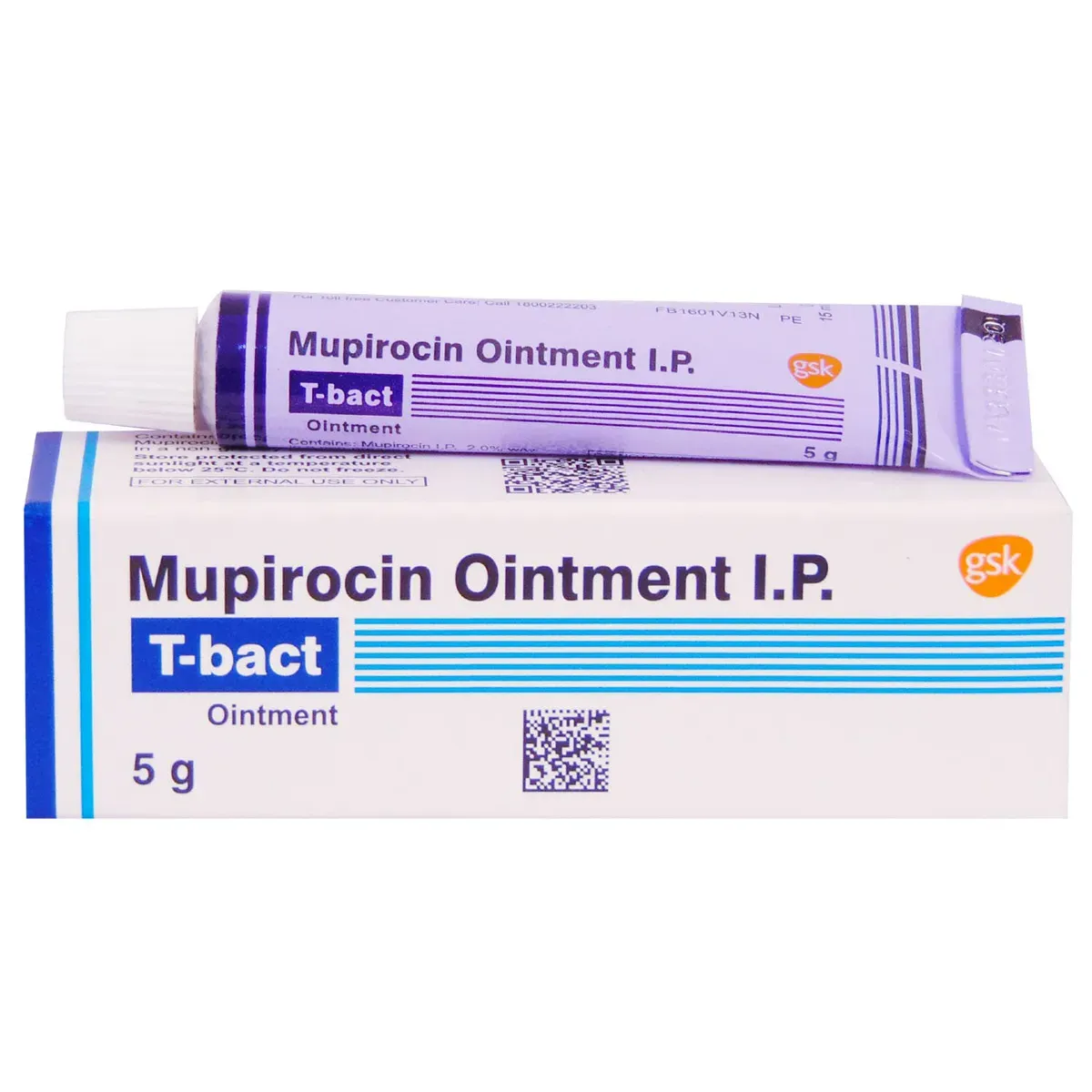
Price range: $6.00 through $28.00
| Active Ingredient | Mupirocin |
|---|---|
| Manufacturer | GlaxoSmithKline Pharmaceuticals Ltd |
| Packaging | 15 gm in 1 tube |
| Delivery Time | 6 To 15 days |
| SKU: | T-Bact (Mupirocin) |
The Complete Guide to T-Bact (Mupirocin): Uses, Benefits, Application, and Safety
Skin infections can range from minor irritations to severe, painful conditions that disrupt daily life. Whether dealing with a persistent impetigo outbreak, an infected cut, or inflamed hair follicles, fast and effective treatment is essential to prevent complications and restore skin health. Among topical antibacterial therapies, T-Bact (Mupirocin) stands out as a highly trusted, dermatologically recommended solution designed to eliminate primary and secondary bacterial skin infections.
In this comprehensive, human-written guide, we will explore everything you need to know about T-Bact (Mupirocin). From its unique mechanism of action and primary clinical indications to step-by-step application guidelines, safety precautions, potential side effects, and practical skincare tips, this article covers all the essentials to help you use this medication safely and effectively.
What is T-Bact (Mupirocin)?
T-Bact (Mupirocin) is a prescription topical antibiotic ointment and cream formulated to target specific bacterial pathogens responsible for skin soft tissue infections. Its active pharmaceutical ingredient, Mupirocin, is a naturally occurring antibiotic derived from the fermentation of the bacterium Pseudomonas fluorescens.
Unlike systemic antibiotics taken orally—which circulate throughout the entire body and can disrupt gut flora—T-Bact (Mupirocin) delivers targeted antimicrobial activity directly to the infected skin site. This localized delivery ensures maximum therapeutic concentration at the lesion while minimizing systemic side effects.
Product Overview and Specifications
| Attribute | Specification Details |
| Active Ingredient | Mupirocin IP (2% w/w) |
| Product Form | Ointment / Cream |
| Therapeutic Class | Topical Antibacterial / Antibiotic |
| Primary Target Pathogens | Staphylococcus aureus (including MRSA strains), Streptococcus pyogenes |
| Primary Indications | Impetigo, folliculitis, furunculosis, infected cuts, scrapes, and surgical wounds |
| Route of Administration | Topical application to affected skin |
How Does T-Bact (Mupirocin) Work?
Understanding how T-Bact (Mupirocin) eradicates bacteria helps explain why it remains effective even when other antibiotics fail.
Unique Mechanism of Action
Mupirocin belongs to a distinct chemical class of antibiotics known as monoxycarbolic acids. Its mode of action sets it apart from common beta-lactams (like penicillin), macrolides, or tetracyclines:
-
Enzyme Inhibition: Mupirocin selectively binds to bacterial isoleucyl-transfer RNA (tRNA) synthetase—an essential enzyme that bacteria need to incorporate the amino acid isoleucine into building proteins.
-
Protein Synthesis Blockade: By inhibiting this crucial enzyme, T-Bact (Mupirocin) completely halts bacterial protein synthesis.
-
Bacteriostatic and Bactericidal Effects: At lower concentrations, the ointment acts as a bacteriostatic agent (stopping bacterial reproduction). At higher concentrations achieved during topical application, it becomes bactericidal, directly killing the bacteria.
-
No Cross-Resistance: Because its mechanism of action is unique, T-Bact (Mupirocin) shows no cross-resistance with other major antibiotic classes such as erythromycin, neomycin, tetracycline, or penicillin.
This specific enzymatic target makes T-Bact (Mupirocin) particularly potent against Gram-positive skin pathogens, including methicillin-resistant Staphylococcus aureus (MRSA).
Primary Uses and Clinical Indications of T-Bact (Mupirocin)
Physicians and dermatologists prescribe T-Bact (Mupirocin) for a variety of superficial primary skin infections as well as secondary bacterial infections arising from preexisting wounds or skin conditions.
1. Impetigo
Impetigo is a highly contagious superficial skin infection most common in infants and young children, though adults can contract it as well. Caused primarily by Staphylococcus aureus or Streptococcus pyogenes, it manifests as red sores around the nose and mouth that rupture, ooze, and form characteristic honey-colored crusts. T-Bact (Mupirocin) rapidly clears the underlying bacteria, halting the spread of infection and accelerating tissue healing.
2. Folliculitis and Furunculosis (Boils)
-
Folliculitis: Inflammation or infection of one or more hair follicles, presenting as small, red, itchy bumps or pus-filled pimples around hair shafts.
-
Furunculosis: Deeper, painful bacterial infections of hair follicles that evolve into pus-filled boils.
Applying T-Bact (Mupirocin) to affected areas controls bacterial proliferation and reduces localized pain, swelling, and redness.
3. Secondary Bacterial Skin Infections (Ecthyma and Infected Lesions)
Preexisting skin conditions like eczema, psoriasis, insect bites, contact dermatitis, or scabies cause breakdown of the epidermal barrier. Scratching allows bacteria to colonize these vulnerable spots. T-Bact (Mupirocin) treats these secondary infections, preventing further tissue damage and helping the underlying skin condition stabilize.
4. Infected Traumatic Wounds, Cuts, and Scrapes
Minor cuts, abrasions, lacerations, and minor thermal burns can become infected if environmental bacteria enter the open dermis. Using T-Bact (Mupirocin) on clean, minor wounds acts as both a curative treatment and a protective barrier against invading pathogens.
5. Post-Surgical Incision Care and Stitch Sites
After minor dermatological surgeries, biopsies, or suture placements, clinicians may recommend short-term application of T-Bact (Mupirocin) around suture lines to prevent healthcare-associated surgical site infections.
Key Benefits of Using T-Bact (Mupirocin)
Choosing T-Bact (Mupirocin) for localized bacterial skin issues offers multiple distinct advantages:
-
High Local Potency: Topical application delivers concentrated antibiotic directly into the epidermal and upper dermal layers.
-
Effective Against Resistant Strains: Demonstrates robust efficacy against many strains of methicillin-resistant Staphylococcus aureus (MRSA).
-
Targeted Action with Minimal Systemic Absorption: Because very little active drug enters the bloodstream through intact or mildly broken skin, systemic side effects like nausea or gastrointestinal upset are virtually absent.
-
Protective Barrier Base: The ointment vehicle creates a protective, hydrating layer over lesions, keeping the wound moist to encourage faster cell regeneration.
-
Well-Tolerated: Suitable for adults and pediatric patients aged 2 months and older under appropriate medical supervision.
Step-by-Step Guide: How to Apply T-Bact (Mupirocin) Properly
To achieve the best therapeutic outcome while minimizing the risk of re-infection or spreading bacteria to other body parts, follow these standardized application steps:
Step 1: Cleanse Your Hands
Thoroughly wash your hands with antibacterial soap and warm water before handling the medication or touching the affected skin area. Dry your hands with a clean towel.
Step 2: Prepare the Affected Skin
Gently wash the infected lesion with mild soap and lukewarm water to remove crusts, discharge, or dirt. Do not scrub aggressively, as this can irritate the tissue further. Pat the area completely dry with a fresh cotton towel or sterile gauze pad.
Step 3: Apply a Thin Layer
Dispense a small amount of T-Bact (Mupirocin) onto a clean cotton swab or your fingertip. Apply a thin, even film over the entire infected area and slightly beyond its visible borders.
Step 4: Cover with a Dressings (If Advised)
Depending on your doctor’s instructions, you may leave the area open to the air or cover it with a sterile gauze bandage. Covering the lesion can be especially helpful for contagious infections like impetigo to prevent spreading bacteria to clothing, bedsheets, or family members.
Step 5: Post-Application Cleanliness
Wash your hands thoroughly with soap and water immediately after application to prevent accidentally transferring bacteria or medication to your eyes, mouth, or other skin areas.
Recommended Dosage and Duration of Treatment
-
Standard Dosage: Apply T-Bact (Mupirocin) to the affected area 3 times daily (typically morning, afternoon, and evening).
-
Treatment Duration: Most mild-to-moderate skin infections clear within 5 to 10 days.
-
Important Rule on Course Completion: Always complete the full duration prescribed by your physician, even if the visible infection looks completely healed after 2 or 3 days. Stopping early can leave surviving bacteria behind, increasing the likelihood of a relapse and contributing to bacterial resistance.
-
When to Reevaluate: If you see no improvement in your skin after 3 to 5 days of consistent use, stop and consult your healthcare provider for a clinical reassessment.
Important Safety Precautions and Warnings
While T-Bact (Mupirocin) has an excellent safety record, observing basic medical precautions ensures safe and successful treatment.
1. External Use Only
T-Bact (Mupirocin) is strictly formulated for external dermatological use. Do not apply it inside the eyes, nose, mouth, or intimate mucosal areas unless you are using a specifically formulated nasal variant under medical direction. If the ointment accidentally contacts your eyes, flush them thoroughly with cold water.
2. Caution with Polyethylene Glycol (PEG) Absorption
Standard formulations of mupirocin ointment contain polyethylene glycol (PEG) as a base vehicle. When applied over large open wounds, extensive burns, or damaged skin in individuals with moderate to severe renal impairment, PEG can be absorbed systemically and accumulated, potentially causing kidney toxicity. Patients with known kidney conditions should discuss this with their physician before using the ointment form over large surface areas.
3. Risk of Bacterial Superinfection or Resistance
Overusing topical antibiotics or applying them for prolonged periods beyond 10 to 14 days can promote the overgrowth of non-susceptible organisms, including fungi or resistant bacterial strains. Always use T-Bact (Mupirocin) strictly as directed.
4. Sensitization and Local Irritation
If severe local irritation, excessive redness, swelling, burning, or itching develops at the application site, wipe off the medication, discontinue use, and notify your physician. This may indicate an allergic reaction or contact sensitization to Mupirocin or inactive ingredients in the vehicle base.
5. Pregnancy and Lactation
-
Pregnancy: T-Bact (Mupirocin) should be used during pregnancy only if clearly needed and advised by a medical practitioner. Systemic absorption is minimal, making it relatively low risk, but clinical guidance remains essential.
-
Breastfeeding: Consult your doctor before using this medication while nursing. If applying T-Bact (Mupirocin) to address infected skin near the breast area, clean the nipple area thoroughly before nursing to prevent accidental infant ingestion.
Potential Side Effects of T-Bact (Mupirocin)
Most individuals tolerate T-Bact (Mupirocin) with zero or minimal side effects. When side effects do occur, they are typically mild, localized, and resolve quickly without requiring treatment discontinuation.
Common Localized Effects
-
Mild burning or stinging sensation upon application
-
Localized itching (pruritus) at the application site
-
Temporary skin dryness or minor redness (erythema)
-
Mild tenderness or stinging around open lesions
Rare Side Effects
In very uncommon cases, individuals may experience:
-
Severe contact dermatitis or skin rash
-
Excessive swelling (edema) around the treated area
-
Generalized hypersensitivity reactions (such as hives or systemic allergic response)
If you experience difficulty breathing, facial swelling, severe dizziness, or widespread hives, seek emergency medical care immediately.
Practical Tips for Preventing the Spread of Bacterial Skin Infections
While T-Bact (Mupirocin) treats active infections, practicing good hygiene helps prevent re-infection and protects others in your home.
Hygiene Practices to Follow
-
Avoid Touching or Picking Lesions: Scratching or picking at sores transfers bacteria to your hands and under your fingernails, spreading the infection to other body parts.
-
Keep Personal Items Separate: Do not share bath towels, washcloths, razors, clothing, or bedding with family members while managing an active bacterial infection.
-
Wash Linens in Hot Water: Wash towels, clothes, and bedsheets used by the affected person in hot water with a quality detergent, then dry them on high heat to destroy lingering pathogens.
-
Maintain Short, Clean Nails: Keep your fingernails trimmed short and clean to minimize bacterial accumulation underneath.
-
Cover the Area: Keep contagious lesions like impetigo covered with a sterile bandage during school or work hours to prevent accidental contact with others.
Frequently Asked Questions (FAQs) About T-Bact (Mupirocin)
1. How quickly does T-Bact (Mupirocin) work?
Most patients begin to notice visible improvement in redness, swelling, and discharge within 24 to 48 hours of starting treatment. However, it is essential to continue applying the medication for the full prescribed period to clear the infection entirely.
2. Can T-Bact (Mupirocin) be used for fungal infections or ringworm?
No. T-Bact (Mupirocin) is an antibacterial agent specifically designed to target bacterial pathogens. It has no activity against fungi, yeasts, or viruses (such as ringworm, athlete’s foot, or cold sores). Using an antibiotic on a fungal infection will not help and may cause unnecessary skin irritation.
3. Is T-Bact (Mupirocin) available over the counter?
In most regions, T-Bact (Mupirocin) is a prescription-only medication. This classification ensures that bacterial skin conditions are properly diagnosed by a healthcare professional, helping prevent antibiotic misuse and resistance.
4. Can I use T-Bact (Mupirocin) for acne pimples?
T-Bact (Mupirocin) is not a primary treatment for standard acne vulgaris. Acne involves a combination of excess sebum production, clogged pores, and Cutibacterium acnes bacteria. While Mupirocin may clear individual inflamed spots, it is not formulated for long-term acne management. Consult a dermatologist for dedicated acne therapies.
5. What should I do if I miss a dose?
If you forget an application, apply it as soon as you remember. However, if it is almost time for your next scheduled application, skip the missed dose and resume your regular routine. Do not apply extra ointment to make up for a missed application.
6. Can T-Bact (Mupirocin) be applied inside the nose?
Standard T-Bact (Mupirocin) topical ointment is formulated for skin application and should not be used inside the nostrils unless your physician specifically prescribes a specialized nasal formulation designed for intranasal use.
Disclaimer:-
This information about T-Bact (Mupirocin) is provided for general educational purposes only and should not replace professional medical advice, diagnosis, or treatment. Use T-Bact only as directed by a qualified healthcare professional. Always follow the prescribed dose and application instructions, and consult your doctor or pharmacist if you have questions about side effects, allergies, interactions, pregnancy, or other medical concerns.
Additional information
| unit | 1 Ointment, 3 Ointment, 6 Ointment |
|---|





Reviews
There are no reviews yet.