
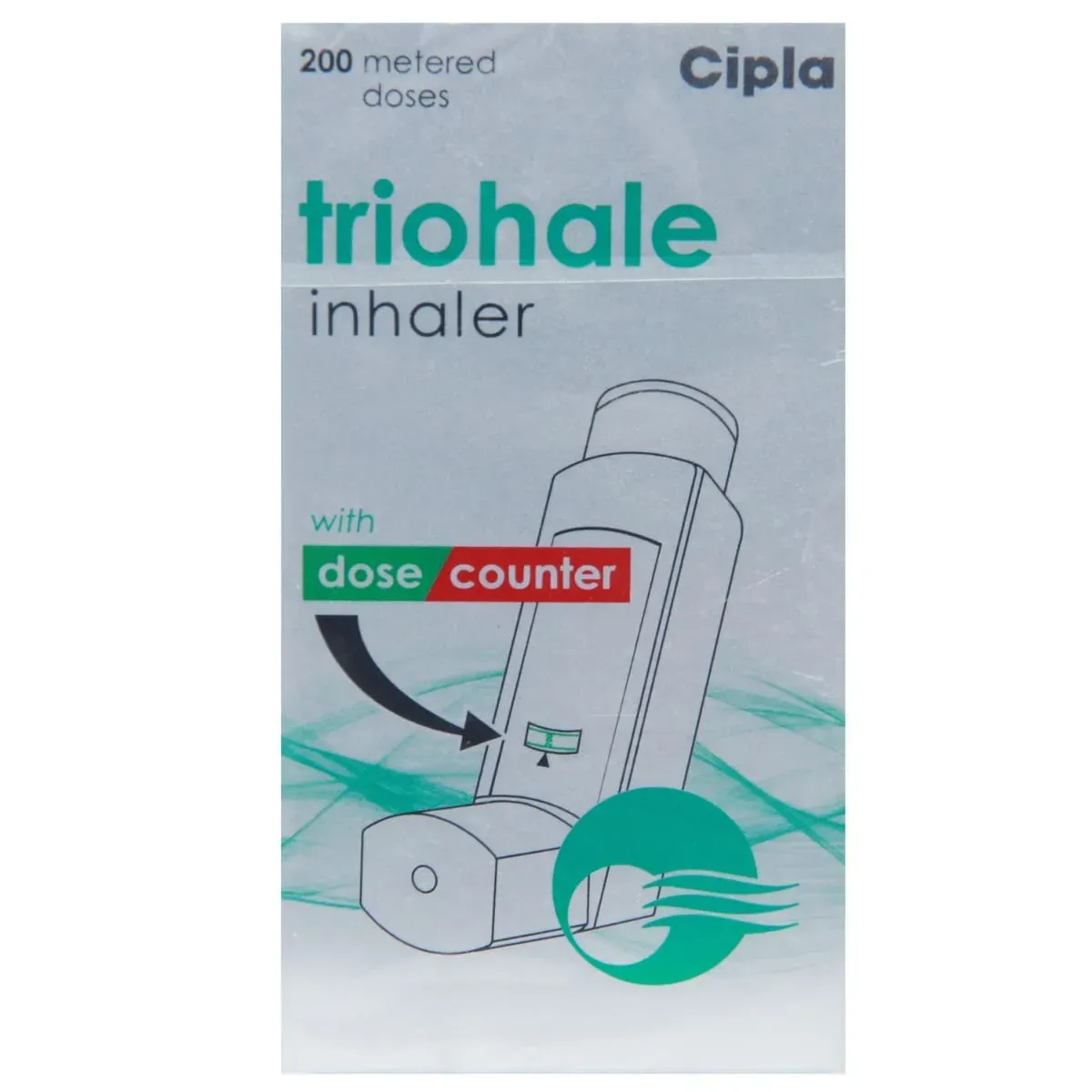
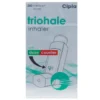
Triohale Inhaler (Tiotropium,Formoterol & Ciclesonide)
Price range: $33.00 through $95.00
| Active Ingredient | Tiotropium/Formoterol/Ciclesonide |
|---|---|
| Manufacturer | Cipla Limited |
| Packaging | 200 MDI in 1 Inhaler |
| Delivery Time | 6 To 15 days |
| SKU: | Triohale Inhaler (Tiotropium/Formoterol/Ciclesonide) |
Comprehensive Guide to Triohale Inhaler (Tiotropium, Formoterol & Ciclesonide): Uses, Benefits, Mechanism, and Safety
Living with a chronic respiratory condition like chronic obstructive pulmonary disease (COPD) or severe asthma can feel like an ongoing battle for every breath. When airway inflammation, excessive mucus production, and sudden bronchial constriction combine, simple daily activities—such as walking up a flight of stairs, climbing into a car, or even speaking in full sentences—turn into exhausting hurdles. For millions of people navigating these daily struggles, finding a reliable, long-acting therapeutic combination is essential for reclaiming quality of life.
This is where Triohale Inhaler (Tiotropium, Formoterol & Ciclesonide) stands out as a powerful advancement in respiratory medicine. By uniting three distinct pharmacological agents into a single delivery system, this triple-combination inhaler targets multiple disease pathways simultaneously.
In this comprehensive guide, we will explore everything you need to know about Triohale Inhaler (Tiotropium, Formoterol & Ciclesonide). From how its active ingredients function at the cellular level to clinical indications, proper inhalation techniques, potential side effects, and essential lifestyle adjustments, this article covers all the information you need to manage your respiratory health safely and effectively.
What is Triohale Inhaler (Tiotropium, Formoterol & Ciclesonide)?
Triohale Inhaler (Tiotropium, Formoterol & Ciclesonide) is a specialized triple-combination prescription inhaler designed for maintenance treatment of obstructive airway diseases. Manufactured to deliver targeted relief directly to the lungs, it combines three potent medications with complementary mechanisms of action into one device.
Unlike rescue inhalers that provide quick, short-term reversal of sudden bronchospasms, Triohale Inhaler (Tiotropium, Formoterol & Ciclesonide) is engineered for regular, daily maintenance use. Its primary goal is to keep airways open continuously, suppress underlying inflammation, reduce the frequency of acute flare-ups (exacerbations), and improve overall lung function.
Product Composition and Key Specifications
| Attribute | Specification Details |
| Active Ingredients | Tiotropium + Formoterol Fumarate + Ciclesonide |
| Therapeutic Class | Triple-Combination Maintenance Inhaler (LAMA + LABA + ICS) |
| Primary Indications | Chronic Obstructive Pulmonary Disease (COPD), severe maintenance asthma |
| Administration Route | Inhalation via metered-dose or dry powder delivery device |
| Frequency | Once or twice daily (as prescribed by your physician) |
| Usage Type | Long-term maintenance control (not a rescue inhaler) |
Deconstructing the Triple Formulation: Active Ingredients Explained
To understand why Triohale Inhaler (Tiotropium, Formoterol & Ciclesonide) is so effective, it helps to examine the unique role each of its three active components plays inside the respiratory tract.
+---------------------------------------------------------------------------------+
|               TRIOHALE INHALER TRIPLE-ACTION MECHANISM MATRIX                   |
+--------------------------+---------------------------+--------------------------+
|       TIOTROPIUM         |    FORMOTEROL FUMARATE    |       CICLESONIDE        |
|          (LAMA)          |          (LABA)           |          (ICS)           |
+--------------------------+---------------------------+--------------------------+
| • Blocks M3 receptors    | • Stimulates beta-2       | • Potent prodrug steroid |
| • Prevents smooth muscle |   receptors               | • Suppresses chronic     |
|   contraction            | • Relaxes airway muscles  |   airway inflammation    |
| • Reduces mucus hyper-   | • Provides rapid onset    | • Decreases swelling and |
|   secretion              |   and 12-hour bronchodila-|   hyper-responsiveness   |
|                          |   tion                    |                          |
+--------------------------+---------------------------+--------------------------+
1. Tiotropium (Long-Acting Muscarinic Antagonist – LAMA)
Tiotropium is an anticholinergic bronchodilator often referred to as a long-acting muscarinic antagonist.
-
Mechanism: In your airways, acetylcholine binds to muscarinic receptors (specifically M3 receptors) on airway smooth muscle cells, causing them to constrict and trigger mucus glands to over-secrete. Tiotropium competitively and reversibly binds to these M3 receptors, blocking acetylcholine.
-
Outcome: By blocking these receptor sites, Tiotropium keeps the bronchial smooth muscles relaxed over an extended period (24 hours) and significantly reduces excess mucus production, making breathing much easier.
2. Formoterol Fumarate (Long-Acting Beta-2 Agonist – LABA)
Formoterol is a potent, fast-acting long-acting beta-2 adrenergic agonist.
-
Mechanism: Formoterol stimulates beta-2 receptors located on the surface of bronchial smooth muscle cells. This stimulation activates intracellular adenylate cyclase, increasing cyclic AMP (cAMP) levels, which lowers intracellular calcium and relaxes the smooth muscle.
-
Outcome: Formoterol provides rapid bronchodilation—often acting within minutes—while maintaining airway relaxation for up to 12 hours. It opens up tight, constricted airways quickly and sustains that openness throughout the day and night.
3. Ciclesonide (Inhaled Corticosteroid – ICS)
Ciclesonide is an advanced, highly potent inhaled corticosteroid administered as an inactive prodrug.
-
Mechanism: When inhaled, Ciclesonide passes into lung cells where local enzymes convert it into its active form (desisobutyryl-ciclesonide). This active metabolite binds to glucocorticoid receptors, turning off genes that promote inflammation and turning on anti-inflammatory proteins.
-
Outcome: Ciclesonide dampens the chronic immune response in the airways, reducing swelling, tissue edema, capillary permeability, and bronchial hyper-responsiveness. Because it is activated locally in the lungs with minimal systemic absorption, it offers high efficacy with a reduced risk of typical steroid side effects.
Primary Uses and Clinical Indications
Triohale Inhaler (Tiotropium, Formoterol & Ciclesonide) is primarily prescribed for chronic, obstructive pulmonary disorders where single- or dual-agent therapy proves insufficient to control symptoms.
1. Chronic Obstructive Pulmonary Disease (COPD)
COPD encompasses progressive lung conditions like chronic bronchitis and emphysema, characterized by long-term breathing difficulty and airflow blockage. Triohale Inhaler (Tiotropium, Formoterol & Ciclesonide) relaxes constricted airways (via Tiotropium and Formoterol) while calming chronic inflammation in the bronchial walls (via Ciclesonide), greatly reducing debilitating shortness of breath and coughing fits.
2. Severe Maintenance Asthma
For patients with severe asthma whose airways remain chronically inflamed and prone to sudden bronchospasm despite taking standard medium-to-high dose ICS/LABA combinations, triple therapy offers superior control. It stabilizes airway reactivity and helps prevent dangerous asthma exacerbations.
3. Reduction of Acute Exacerbations
Patients with advanced COPD or severe asthma often suffer from sudden flare-ups triggered by infections, pollutants, or weather changes. Regular use of Triohale Inhaler (Tiotropium, Formoterol & Ciclesonide) strengthens baseline lung function, significantly decreasing the frequency of emergency hospital visits and oral steroid bursts.
Key Benefits of Triohale Inhaler
Why do pulmonologists prescribe triple-combination therapy like Triohale Inhaler (Tiotropium, Formoterol & Ciclesonide)? Here are the standout clinical advantages:
-
Comprehensive Triad Coverage: Targets three distinct pathological drivers of respiratory distress simultaneously: cholinergic bronchoconstriction, beta-adrenergic smooth muscle tightness, and mucosal inflammation.
-
Improved Lung Function (FEV1): Consistently improves forced expiratory volume in one second, allowing patients to draw deeper, fuller breaths.
-
Enhanced Exercise Tolerance: By reducing breathlessness, it enables patients to engage in physical activity, walk longer distances, and maintain active daily routines.
-
Convenience & Compliance: Combines three medications into a single inhaler device, simplifying daily medication schedules and improving treatment adherence.
-
Sustained 24-Hour Control: Provides round-the-clock airway stability, minimizing nighttime awakenings caused by coughing, wheezing, or chest tightness.
Step-by-Step Guide: How to Use Triohale Inhaler Correctly
Proper inhalation technique is critical. If medication is sprayed into the mouth rather than drawn deeply into the lungs, its therapeutic effectiveness drops dramatically. Follow these steps carefully:
Step 1: Prepare the Inhaler
Remove the mouthpiece cap and check the inside and outside of the mouthpiece to ensure it is clean and free from dust, lint, or foreign objects. Hold the inhaler upright and shake it vigorously for 5 seconds.
Step 2: Breathe Out Completely
Stand or sit up straight. Tilt your chin slightly upward and exhale gently through your mouth, pushing as much air out of your lungs as comfortably possible. Do not breathe into the mouthpiece.
Step 3: Position the Mouthpiece
Place the mouthpiece firmly between your teeth without biting down. Close your lips tightly around the mouthpiece to form a secure, airtight seal. Keep your tongue flat underneath the mouthpiece so it does not block the opening.
Step 4: Actuate and Inhale Deeply
Press down firmly on the canister once to release a puff of medication while simultaneously taking a slow, deep, and steady breath in through your mouth.
Step 5: Hold Your Breath
Remove the inhaler from your mouth and close your lips. Hold your breath for 10 seconds (or as long as is comfortable), allowing the microscopic medication particles to settle deep into your small airways and lung tissues.
Step 6: Exhale Gently & Rinse Your Mouth
Breathe out slowly. If your prescription calls for a second puff, wait about 30 to 60 seconds, shake the inhaler again, and repeat steps 2 through 5.
Crucial Post-Inhalation Rule: Always rinse your mouth thoroughly with water and spit it out after using Triohale Inhaler (Tiotropium, Formoterol & Ciclesonide). Do not swallow the rinse water. Rinsing removes residual steroid particles from your tongue and oral cavity, preventing fungal infections like oral thrush (candidiasis) and throat hoarseness.
Recommended Dosage and Usage Guidelines
-
Standard Dosage: Always use Triohale Inhaler (Tiotropium, Formoterol & Ciclesonide) strictly according to your physician or pulmonologist’s precise prescription. Do not alter your dose or stop taking it abruptly without medical supervision.
-
Consistency is Key: Maintenance inhalers work by building up protective levels in your lungs over time. Use it every day at the exact same time (morning, evening, or both), even when you feel completely well and symptom-free.
-
Not a Rescue Inhaler: Triohale Inhaler (Tiotropium, Formoterol & Ciclesonide) is not designed to stop a sudden, acute asthma attack or acute bronchospasm. Always keep a fast-acting rescue inhaler (such as Salbutamol/Albuterol) with you at all times for sudden emergencies.
Important Safety Precautions & Warnings
While Triohale Inhaler (Tiotropium, Formoterol & Ciclesonide) is life-changing for many patients, certain medical warnings must be kept in mind:
1. Cardiovascular Considerations
Because Formoterol is a beta-2 agonist, it can occasionally cause cardiovascular effects such as increased heart rate (tachycardia), palpitations, or elevated blood pressure. Use with caution if you have a history of ischemic heart disease, cardiac arrhythmias, or severe hypertension.
2. Glaucoma and Urinary Retention
Tiotropium has anticholinergic properties. If accidentally sprayed into the eyes, it can worsen narrow-angle glaucoma. Additionally, patients with prostatic hyperplasia (enlarged prostate) or bladder neck obstruction should use anticholinergic inhalers with medical supervision, as they can occasionally exacerbate urinary retention.
3. Paradoxical Bronchospasm
In rare instances, any inhalation medication can trigger sudden, unexpected chest tightness and wheezing immediately after use (paradoxical bronchospasm). If this occurs, use your fast-acting rescue inhaler immediately, discontinue Triohale, and seek emergency medical care.
4. Risk of Pneumonia in COPD Patients
Patients with COPD have a baseline vulnerability to lower respiratory infections. Inhaled corticosteroid components can slightly increase the risk of pneumonia. Report any signs of fever, increased sputum production, or worsening chest pain to your doctor promptly.
5. Pregnancy and Breastfeeding
Consult your obstetrician or pulmonologist before using Triohale Inhaler (Tiotropium, Formoterol & Ciclesonide) during pregnancy or while breastfeeding to weigh potential benefits against any risks.
Potential Side Effects
Most people tolerate Triohale Inhaler (Tiotropium, Formoterol & Ciclesonide) well, but like all medications, it can cause mild side effects in some individuals.
Common, Mild Side Effects
-
Dry Mouth: A common anticholinergic effect from Tiotropium. Sucking on sugar-free candies or sipping water frequently helps alleviate this.
-
Hoarseness or Throat Irritation: Caused by steroid residue. Thoroughly rinsing your mouth and spitting after each use prevents this.
-
Mild Cough or Throat Tickle: Occurs occasionally right after inhalation.
-
Fine Tremors or Nervousness: A temporary side effect related to the beta-agonist component (Formoterol).
Less Common / Serious Side Effects (Seek Medical Attention)
-
Allergic reactions (skin rash, hives, swelling of the face, lips, or tongue)
-
Vision changes, eye pain, or seeing halos around lights (signs of acute glaucoma)
-
Difficulty urinating or painful urination
-
Persistent chest pain, irregular heartbeat, or severe dizziness
Drug Interactions to Keep in Mind
To ensure safe treatment, inform your doctor about all other medications you take. Key interactions include:
| Drug / Agent Category | Nature of Interaction | Clinical Advice |
| Other Anticholinergic Drugs | Combining oral or inhaled anticholinergics with Tiotropium increases the risk of side effects like dry mouth, constipation, and urinary retention. | Avoid duplicate anticholinergic therapy. |
| Beta-Blockers (e.g., Atenolol, Metoprolol) | Beta-blockers block the action of Formoterol and can provoke severe bronchospasm in asthma or COPD patients. | Cardioselective beta-blockers must be used with extreme caution under strict medical supervision. |
| Strong CYP3A4 Inhibitors (e.g., Ketoconazole, Ritonavir) | Can increase systemic exposure to Ciclesonide. | Monitor closely for corticosteroid side effects. |
| Diuretics (Thiazides or Loop Diuretics) | May cause ECG changes or hypokalemia when combined with high doses of beta-agonists. | Periodic blood electrolyte monitoring may be recommended. |
Smart Lifestyle & Home Care Tips for Respiratory Health
While Triohale Inhaler (Tiotropium, Formoterol & Ciclesonide) manages underlying airway constriction and inflammation, combining medication with healthy daily habits dramatically improves your respiratory wellness.
Environmental Trigger Control
-
Avoid Smoke and Pollutants: Eliminate exposure to cigarette smoke (firsthand and secondhand), wood smoke, chemical fumes, and heavy traffic smog.
-
Manage Indoor Air Quality: Use high-efficiency particulate air (HEPA) air purifiers in your bedroom and living areas. Clean or replace your air conditioner filters monthly.
-
Control Dust Mites and Mold: Wash bedding weekly in hot water, use hypoallergenic mattress covers, and keep indoor humidity below 50% to prevent mold growth.
Dietary and Physical Habits
-
Stay Hydrated: Drinking plenty of water throughout the day thins bronchial mucus, making it much easier to cough up and clear your airways.
-
Eat Nutrient-Dense Foods: Focus on fresh vegetables, antioxidant-rich fruits, lean proteins, and omega-3 fatty acids, which help support overall immune and respiratory function.
-
Engage in Supervised Pulmonary Rehabilitation: Work with a physical therapist or pulmonologist to build a safe, customized exercise program. Strengthening your respiratory and skeletal muscles improves endurance and breathing efficiency.
-
Get Vaccinated: Protect your lungs from severe infections by receiving annual influenza vaccinations and pneumococcal vaccines as recommended by your physician.
Frequently Asked Questions (FAQs)
1. Can I use Triohale Inhaler when I experience a sudden asthma attack or severe breathlessness?
No. Triohale Inhaler (Tiotropium, Formoterol & Ciclesonide) is a long-acting maintenance inhaler designed to prevent symptoms over time. It is not formulated to provide immediate relief during an acute attack. Always use your fast-acting rescue inhaler for sudden emergencies.
2. How long does it take for Triohale Inhaler to show full results?
While Formoterol provides bronchodilation within minutes, the full therapeutic benefits of Tiotropium and Ciclesonide build up progressively. You may notice initial improvements within the first few days, but achieving optimal lung function stabilization typically takes 1 to 2 weeks of consistent daily use.
3. Why is it so important to rinse my mouth after every use?
Rinsing your mouth and spitting out the water removes residual steroid particles left behind in your oral cavity and throat. This simple habit prevents local fungal infections (oral thrush), hoarseness, and throat irritation.
4. Can I stop taking Triohale Inhaler once my breathing feels normal?
Never stop taking your maintenance inhaler abruptly just because your symptoms have improved. Stopping treatment causes your airways to lose their protective control, leading to a rapid return of inflammation, severe coughing, and dangerous breathing flare-ups. Always consult your doctor before making any changes.
5. What should I do if I miss a scheduled dose?
If you forget to take your dose at the usual time, take it as soon as you remember later that day. However, if it is almost time for your next scheduled dose, skip the missed dose entirely and resume your normal schedule. Never take a double dose to make up for a missed one.
6. Is Triohale Inhaler safe for elderly patients?
Yes, it is frequently prescribed for elderly patients managing COPD. However, older adults with pre-existing conditions like glaucoma, benign prostatic hyperplasia, or cardiac arrhythmias should be monitored carefully by their physician.
7. How should I store my Triohale Inhaler?
Store your inhaler at room temperature, ideally below 25°C (77°F). Keep it away from direct sunlight, extreme heat, and freezing temperatures. Never puncture or incinerate the metal canister, even when empty. Keep it safely out of the reach of children.
Disclaimer:-
This information about Triohale Inhaler (Tiotropium, Formoterol & Ciclesonide) is provided for educational purposes only and should not replace professional medical advice, diagnosis, or treatment. Use this inhaler only as directed by a qualified healthcare professional. Do not change the dose or stop treatment without consulting your doctor. Always read the product label and follow the prescribed instructions. If you experience severe breathing difficulty or other serious symptoms, seek immediate medical attention.
Additional information
| unit | 1 Inhaler, 2 Inhaler, 3 Inhaler |
|---|




Reviews
There are no reviews yet.