
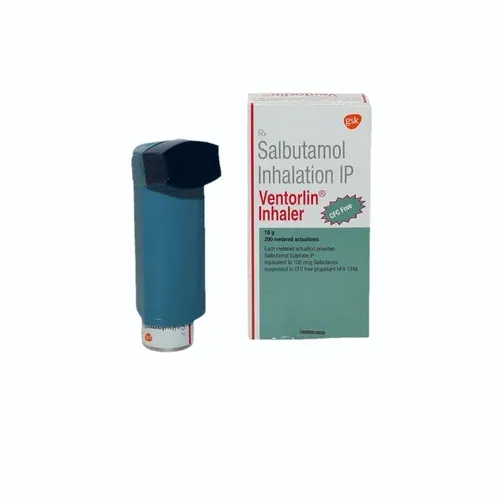
Ventorlin Inhaler 100 Mcg (Salbutamol)
Price range: $6.00 through $25.00
| Active Ingredient | Salbutamol |
|---|---|
| Manufacturer | GlaxoSmithKline Pharmaceuticals Ltd |
| Packaging | 200 MDI in 1 Inhaler |
| Strength | 100 Mcg |
| Delivery Time | 6 To 15 days |
| SKU: | Ventorlin Inhaler 100 Mcg (Salbutamol) |
Ultimate Guide to Ventorlin Inhaler 100 Mcg (Salbutamol): Uses, How to Use, Benefits, and Safety
Breathing is something most people do without a second thought. But for millions living with respiratory conditions like asthma or chronic obstructive pulmonary disease (COPD), taking a full, clear breath can sometimes feel like an uphill battle. Sudden tightness in the chest, persistent wheezing, coughing fits, and shortness of breath can turn simple daily tasks into exhausting challenges.
When an asthma flare-up or acute bronchospasm strikes, having a dependable fast-acting medication is vital. This is where Ventorlin Inhaler 100 Mcg (Salbutamol) plays a crucial role in modern respiratory management. Known globally as a go-to “rescue inhaler,” this fast-acting bronchodilator quickly relaxes the muscle bands around airways, letting air flow freely again in minutes.
In this detailed, human-centered guide, we will explore everything you need to know about Ventorlin Inhaler 100 Mcg (Salbutamol). From how its active ingredient works to proper inhalation techniques, dosage, potential side effects, and essential precautions, this comprehensive overview equips you with clear, practical knowledge to manage your breathing with confidence.
What is Ventorlin Inhaler 100 Mcg (Salbutamol)?
Ventorlin Inhaler 100 Mcg (Salbutamol) is a pressurized metered-dose inhaler (pMDI) manufactured by GlaxoSmithKline (GSK). It delivers a precisely measured 100 microgram micro-dose of Salbutamol (also known as Albuterol in some regions) directly into your lungs with every actuation.
Unlike daily maintenance or “controller” inhalers (such as inhaled corticosteroids) that work over weeks to lower chronic airway inflammation, Ventorlin Inhaler 100 Mcg (Salbutamol) is designed for fast, direct relief. It acts as a selective short-acting beta-2 adrenergic agonist (SABA). Because it delivers medication straight to the bronchial tubes, it provides fast relief while keeping systemic side effects across the rest of your body to a minimum.
Product Specifications at a Glance
| Attribute | Details |
| Active Ingredient | Salbutamol Sulfate (100 Mcg per puff/actuation) |
| Drug Class | Selective Short-Acting Beta-2 Agonist (SABA) / Bronchodilator |
| Inhaler Type | Pressurized Metered-Dose Inhaler (pMDI) |
| Primary Indication | Acute bronchospasm, asthma attacks, COPD flare-ups, EIB |
| Onset of Action | Within 3 to 5 minutes |
| Duration of Action | 4 to 6 hours |
| Prescription Status | Prescription Only Medicine (POM) |
How Does Ventorlin Inhaler 100 Mcg (Salbutamol) Work?
To understand why Ventorlin Inhaler 100 Mcg (Salbutamol) works so rapidly during a breathing emergency, it helps to examine what happens inside your lungs during an asthma flare-up.
The Physiology of Bronchospasm
Your lungs contain a network of branching airways called bronchi and bronchioles. These tubes are wrapped in smooth muscle bands. When exposed to triggers like pollen, dust, cold air, exercise, or viral infections, these smooth muscles contract tightly—a process called bronchospasm. At the same time, the inner lining of the airways swells and produces extra mucus, narrowing the air passages significantly. This narrowing creates the classic wheezing, whistling sound and chest tightness of an asthma attack.
The Mechanism of Action
-
Beta-2 Receptor Binding: When you inhale a dose of Ventorlin Inhaler 100 Mcg (Salbutamol), the fine aerosol particles settle directly on the smooth muscle cells lining your bronchial passages. Salbutamol selectively targets and binds to beta-2 adrenergic receptors.
-
Enzyme Activation: Binding to these receptors stimulates an internal enzyme called adenylyl cyclase. This enzyme converts adenosine triphosphate (ATP) into cyclic adenosine monophosphate (cAMP).
-
Smooth Muscle Relaxation: Elevated levels of intracellular cAMP lower calcium ion levels inside smooth muscle cells. Since calcium is required for muscle contraction, its removal causes the smooth muscle bands surrounding your airways to relax almost immediately.
-
Airway Opening: As these muscle bands relax, the narrowed airways expand (bronchodilation). Resistance drops, air moves smoothly in and out of the lungs, and chest tightness disappears within minutes.
Primary Uses and Indications
Healthcare providers prescribe Ventorlin Inhaler 100 Mcg (Salbutamol) for several acute and preventative respiratory scenarios:
1. Acute Asthma Relief (Rescue Therapy)
During a sudden asthma attack or unexpected exposure to triggers, Ventorlin Inhaler 100 Mcg (Salbutamol) acts as a quick-relief treatment. It quickly stops coughing, wheezing, and breathlessness, restoring normal breathing patterns.
2. Prevention of Exercise-Induced Bronchospasm (EIB)
For many adults and children, vigorous physical activity—especially running, swimming, or playing sports in cold, dry air—can trigger airway constriction. Taking 2 puffs of Ventorlin Inhaler 100 Mcg (Salbutamol) 10 to 15 minutes before exercise relaxes the airway muscles, allowing you to stay active without shortness of breath.
3. Chronic Obstructive Pulmonary Disease (COPD) Management
COPD, which includes chronic bronchitis and emphysema, causes progressive airflow limitation. Ventorlin Inhaler 100 Mcg (Salbutamol) helps open narrowed airways during daily flare-ups, easing breathlessness and helping clear trapped mucus.
4. Reversible Airway Obstruction in Bronchitis
In cases of acute bronchitis or viral respiratory infections accompanied by bronchospasm, physicians often prescribe short-term Ventorlin Inhaler 100 Mcg (Salbutamol) to relieve wheezing and reduce coughing fits.
Key Benefits of Using Ventorlin Inhaler 100 Mcg (Salbutamol)
Choosing an effective rescue inhaler provides peace of mind for managing respiratory health. Here is why Ventorlin Inhaler 100 Mcg (Salbutamol) remains a cornerstone treatment:
-
Rapid Action: Delivers noticeable breathing relief in just 3 to 5 minutes, making it an essential companion for asthma emergencies.
-
Sustained Relief: Keeps airways relaxed and open for 4 to 6 hours per dose.
-
Direct Lung Delivery: Inhaling the medication targets the lungs directly, reducing the total dose needed compared to oral tablets and lowering the risk of body-wide side effects.
-
Portable and Convenient: The compact, lightweight design easily fits in a pocket, purse, or school bag, ensuring relief is always within reach.
-
Compatible with Spacers: Can be used with a holding chamber (spacer) to help young children, elderly individuals, or anyone who struggles to coordinate pressing the canister while inhaling.
Step-by-Step Guide: How to Use Ventorlin Inhaler 100 Mcg (Salbutamol) Correctly
Even the best medication cannot work effectively if it does not reach your lungs. Up to 70% of people make at least one mistake when using a metered-dose inhaler, causing much of the dose to strike the back of the throat instead of entering the airways.
Follow these simple steps for proper inhalation technique:
Step 1: Prepare and Check the Inhaler
Remove the mouthpiece cover and check inside to ensure it is clean and free of dust or loose objects. If the inhaler is brand new, or has not been used for 5 days or more, prime it by spraying 2 to 4 test puffs into the air away from your face.
Step 2: Shake Well
Shake the canister vigorously up and down for 5 seconds. This ensures the active drug and propellant mix evenly for an accurate dose.
Step 3: Exhale Fully
Sit or stand up straight. Take a deep breath in, then breathe out completely through your mouth away from the inhaler to empty your lungs as much as is comfortable.
Step 4: Position and Seal
Place the mouthpiece between your teeth (without biting) and close your lips tightly around it to form an airtight seal. Keep your tongue flat at the bottom of your mouth so it does not block the spray.
Step 5: Inhale and Press Simultaneously
Start breathing in slowly and deeply through your mouth. Just as you begin to inhale, press down firmly once on the top of the metal canister to release one puff of Ventorlin Inhaler 100 Mcg (Salbutamol). Continue breathing in slowly and steadily for 3 to 5 seconds.
Step 6: Hold Your Breath
Remove the inhaler from your mouth, close your lips, and hold your breath for 10 seconds (or for as long as comfortable). This gives the microscopic aerosol droplets time to settle deep into your lower airways.
Step 7: Exhale and Repeat (If Prescribed)
Breathe out gently away from the inhaler. If your doctor has prescribed a second puff, wait about 1 minute, shake the inhaler again, and repeat steps 3 through 6. Replace the mouthpiece cap securely after use.
Using Ventorlin Inhaler 100 Mcg (Salbutamol) with a Spacer
For young children, older adults, or anyone who finds it difficult to press the canister and breathe in at the same time, using a spacer device (a hollow plastic chamber) is strongly recommended.
-
Attach the inhaler mouthpiece into the flexible rubber ring at the back of the spacer.
-
Press down on the canister once to release 1 puff into the chamber.
-
Place the spacer mouthpiece in your mouth (or use a face mask for young children) and breathe in and out slowly and deeply 4 to 5 times.
-
The spacer holds the drug mist inside the chamber, giving you plenty of time to inhale the full dose smoothly into your lungs without precise timing.
Recommended Dosage and Usage Guidelines
Always follow the exact dosage instructions provided by your prescribing doctor. Standard adult guidelines generally include:
-
For Acute Asthma Attacks / Wheezing: 1 to 2 puffs inhaled as needed for immediate relief.
-
For Exercise-Induced Bronchospasm: 2 puffs inhaled 10 to 15 minutes before starting physical activity or sports.
-
Maximum Daily Limit: Do not exceed 8 puffs in a 24-hour period (800 Mcg total) unless explicitly instructed by a healthcare professional under emergency conditions.
Important Clinical Warning (Overuse Indicator): If you find yourself needing Ventorlin Inhaler 100 Mcg (Salbutamol) more than 2 or 3 times a week (excluding pre-exercise doses), your underlying asthma may be under-controlled or worsening. Schedule a review with your doctor immediately. You may need to start or increase a daily preventative controller medication.
Potential Side Effects of Ventorlin Inhaler 100 Mcg (Salbutamol)
Most people tolerate Ventorlin Inhaler 100 Mcg (Salbutamol) very well. However, because small amounts of the medication can absorb into the bloodstream, temporary mild side effects can occur.
Common, Mild Side Effects
-
Fine Tremors: A light shaky feeling, most noticeable in the fingers or hands.
-
Mild Palpitations or Fast Heartbeat (Tachycardia): A temporary fluttery or racing sensation in your heart.
-
Headache: A mild, temporary headache shortly after taking a dose.
-
Nervousness or Restlessness: Feeling slightly anxious or energized, similar to consuming a strong cup of coffee.
-
Throat Irritation or Dry Mouth: A mild tickle in the throat or dryness immediately after inhaling.
Rare but Serious Side Effects
Seek medical attention right away if you experience any of the following rare reactions:
-
Paradoxical Bronchospasm: An unexpected, sudden increase in wheezing or chest tightness right after inhaling the drug. Discontinue use immediately and use an alternative fast-acting bronchodilator if available.
-
Hypokalemia (Low Blood Potassium): High doses can cause potassium levels in the blood to drop, leading to muscle cramps, generalized weakness, or irregular heart rhythms.
-
Severe Allergic Reactions: Hives, skin rash, or swelling of the face, lips, tongue, or throat causing difficulty swallowing or breathing.
Important Safety Precautions and Drug Interactions
Before using Ventorlin Inhaler 100 Mcg (Salbutamol), share your full medical history with your doctor or pharmacist.
Pre-existing Medical Conditions
Use extra caution and discuss your treatment plan if you have:
-
Cardiovascular Disorders: High blood pressure (hypertension), coronary artery disease, heart rhythm abnormalities (arrhythmias), or a history of heart failure.
-
Hyperthyroidism (Overactive Thyroid): Beta-agonists can amplify thyroid-related symptoms like heart palpitations and tremor.
-
Diabetes: Salbutamol can temporarily raise blood glucose levels; diabetic patients may need to monitor blood sugar more closely during frequent use.
-
Seizure Disorders (Epilepsy): Beta-agonists should be used cautiously in individuals with a history of seizures.
Pregnancy and Breastfeeding
-
Pregnancy: Ventorlin Inhaler 100 Mcg (Salbutamol) is widely used during pregnancy because untreated asthma attacks pose a much greater risk to fetal oxygen supply than the medication itself. However, it should always be used under medical supervision.
-
Breastfeeding: Small amounts of Salbutamol may pass into breast milk, but normal inhaled doses are generally considered safe while nursing. Consult your doctor for individualized advice.
Drug Interactions
Inform your doctor if you are taking any of the following medications:
| Drug Category | Potential Interaction | Advice |
| Beta-Blockers (e.g., Propranolol, Atenolol, Metoprolol) | Non-selective beta-blockers can block the action of Salbutamol, triggering severe bronchospasm in asthmatic patients. | Avoid non-selective beta-blockers unless prescribed under specialist supervision. |
| Diuretics (Water Pills) (e.g., Furosemide, Hydrochlorothiazide) | Combining high doses of Salbutamol with non-potassium-sparing diuretics increases the risk of low blood potassium (hypokalemia). | Monitor potassium levels if high doses are required. |
| Other Sympathomimetic Agents | Taking other short-acting oral or inhaled bronchodilators concurrently increases cardiac side effects like fast heart rate. | Avoid using multiple rescue inhalers together unless instructed. |
| MAO Inhibitors & Tricyclic Antidepressants | Can heighten the cardiovascular side effects of Salbutamol. | Use with caution if you have taken these medications within the past 14 days. |
Care, Cleaning, and Proper Storage of Your Inhaler
Keeping your inhaler clean ensures smooth operation and prevents drug buildup from blocking the tiny spray nozzle.
Cleaning Instructions (Once a Week)
-
Pull the metal canister out of the plastic casing and remove the mouthpiece cover. (Do not wash the metal canister or submerge it in water).
-
Rinse the plastic casing thoroughly under warm running water from top to bottom for 30 seconds.
-
Turn the casing upside down and rinse through the mouthpiece for another 30 seconds.
-
Shake off excess water and leave the plastic casing to air-dry completely overnight in a warm spot.
-
Once fully dry, pop the metal canister back in and replace the mouthpiece cap.
Storage Guidelines
-
Store Ventorlin Inhaler 100 Mcg (Salbutamol) below 30°C (86°F).
-
Protect the canister from direct sunlight, extreme heat, and freezing temperatures.
-
Keep out of reach of children and pets.
-
Do not puncture, break, or burn the metal canister, even when empty, as it is pressurized.
Frequently Asked Questions (FAQs)
1. Is Ventorlin Inhaler 100 Mcg (Salbutamol) the same as Albuterol?
Yes. Salbutamol and Albuterol are two names for the exact same active pharmaceutical ingredient. “Salbutamol” is the International Nonproprietary Name (INN) used across Europe, Asia, and most of the world, while “Albuterol” is the United States Adopted Name (USAN).
2. Is Ventorlin a preventative inhaler or a rescue inhaler?
Ventorlin Inhaler 100 Mcg (Salbutamol) is strictly a rescue (reliever) inhaler. It quickly relaxes tight muscles during acute asthma attacks or sudden breathlessness. It does not treat underlying chronic inflammation. If you have persistent asthma, your doctor will likely prescribe a separate daily preventative inhaler (such as an inhaled corticosteroid).
3. What should I do if my Ventorlin Inhaler does not relieve my breathing?
If your symptoms do not improve within 5 to 10 minutes after taking 2 puffs, or if your breathing worsens quickly, take another dose and seek emergency medical help right away. Severe asthma attacks can be life-threatening and require urgent clinical evaluation.
4. Can I use Ventorlin Inhaler 100 Mcg (Salbutamol) every day?
You can use it as needed for occasional flare-ups or before exercise. However, relying on your rescue inhaler daily (or using more than 1 canister a month) indicates that your asthma is not well controlled. You should visit your doctor to adjust your preventative treatment plan.
5. Why does my heart race after taking my inhaler?
Salbutamol works primarily on beta-2 receptors in the lungs, but a small amount can interact with beta-1 and beta-2 receptors in heart tissue. This can temporarily increase your heart rate or cause slight fluttering. This effect is generally harmless and usually fades within 15 to 30 minutes.
6. How do I know when my Ventorlin Inhaler is empty?
Each canister contains a set number of actuations (typically 200 puffs). Track your usage or check the counter if your specific model features one. Do not float the metal canister in water to test full/empty levels, as this can damage the valve mechanism and ruin the medication.
Additional information
| unit | 1 Inhaler, 3 Inhaler, 5 Inhaler |
|---|



Reviews
There are no reviews yet.