
Anti-Fungal Medicines: Effective Treatment for Fungal Infections:-
Fungal infections affect millions of people worldwide, ranging from common skin conditions to more serious systemic infections. Anti-fungal medicines play a crucial role in managing these infections by targeting the fungi responsible for various health concerns. This category includes a comprehensive range of anti-fungal medications designed to treat different types of fungal infections under proper medical supervision.
Understanding Fungal Infections and Their Impact:-
Fungal infections occur when harmful fungi invade the body, affecting the skin, nails, mucous membranes, or internal organs. These infections can be superficial, affecting only the outer layers of skin, or systemic, impacting deeper tissues and organs. Common fungal infections include athlete’s foot, ringworm, yeast infections, nail fungus, oral thrush, and more serious conditions like systemic candidiasis.
Fungi thrive in warm, moist environments, making certain areas of the body particularly susceptible. People with weakened immune systems, diabetes, or those taking antibiotics may be at higher risk of developing fungal infections. Environmental factors, personal hygiene practices, and underlying health conditions all contribute to susceptibility.
Early recognition and appropriate treatment of fungal infections are essential to prevent complications and the spread of infection to other areas of the body or to other individuals.
Types of Anti-Fungal Medicines Available:-
Anti-fungal medications are available in multiple formulations to address different types and severities of fungal infections:
Topical Formulations include creams, ointments, lotions, powders, sprays, and gels applied directly to affected skin or nails. These are commonly used for superficial infections like athlete’s foot, jock itch, ringworm, and localized yeast infections.
Oral Medications come in the form of tablets, capsules, and liquid suspensions. These systemic treatments are prescribed for more widespread infections, recurring fungal conditions, or when topical treatments prove insufficient.
Vaginal Preparations such as suppositories, tablets, and creams are specifically formulated to treat vaginal yeast infections.
Injectable Formulations are reserved for severe systemic fungal infections requiring hospital-based treatment under close medical supervision.
The choice of formulation depends on the infection location, severity, patient health status, and medical history.
How Anti-Fungal Medicines Work?
Anti-fungal medications combat fungal infections through various mechanisms that target the structure and function of fungal cells. These medicines work by interfering with the fungal cell membrane, disrupting essential processes needed for fungal growth and reproduction, or preventing fungi from multiplying.
Unlike bacterial infections, fungal cells share more similarities with human cells, which makes developing safe and effective anti-fungal treatments more complex. Modern anti-fungal medicines are designed to selectively target fungal cells while minimizing effects on human cells.
Different classes of anti-fungal medications work through distinct mechanisms. Some disrupt the fungal cell wall integrity, causing the cell to break down. Others interfere with fungal DNA synthesis or protein production, preventing the fungi from reproducing and spreading.
The effectiveness of treatment depends on using the correct medication for the specific type of fungus, following the complete treatment course, and addressing any underlying factors that may contribute to infection recurrence.
Therapeutic Benefits and Treatment Goals:-
The primary goal of anti-fungal therapy is to eliminate the causative fungal organisms and resolve the associated symptoms. Effective treatment provides relief from uncomfortable symptoms such as itching, burning, pain, redness, and inflammation.
Anti-fungal medications help restore normal tissue health, whether treating skin infections, nail conditions, or mucous membrane involvement. By clearing the infection, these medicines prevent potential complications, including secondary bacterial infections, tissue damage, and the spread of infection to other body areas.
For people with recurrent fungal infections, appropriate anti-fungal treatment can reduce the frequency and severity of episodes when combined with preventive measures. In immunocompromised individuals, anti-fungal therapy plays a vital role in preventing serious systemic infections that could be life-threatening.
Successful treatment also improves quality of life by eliminating discomfort, restoring appearance in visible areas, and reducing the risk of transmission to others.
Safety Considerations and General Precautions:-
While anti-fungal medicines are generally safe when used as directed, certain precautions are important for optimal outcomes and safety.
Patients should inform their healthcare provider about all current medications, supplements, and herbal products, as some anti-fungal medicines may interact with other drugs. Liver function monitoring may be necessary for certain oral anti-fungal medications, particularly during extended treatment courses.
Pregnant and breastfeeding women should consult their healthcare provider before using any anti-fungal medication, as some formulations may not be suitable during these periods. Similarly, individuals with liver disease, kidney problems, or heart conditions require special consideration when selecting anti-fungal therapy.
Common side effects may include skin irritation with topical preparations, digestive upset with oral medications, or headache. Serious side effects are uncommon but require immediate medical attention. These may include severe allergic reactions, liver problems indicated by yellowing of skin or eyes, or unusual bruising or bleeding.
It is essential to complete the full course of anti-fungal treatment even if symptoms improve before finishing the medication. Stopping treatment prematurely can lead to incomplete eradication of the fungus and potential resistance development.
Importance of Medical Consultation and Prescription Compliance
Self-diagnosis of fungal infections can be inaccurate, as many skin conditions mimic fungal infections. Professional medical evaluation ensures correct diagnosis and appropriate treatment selection. Healthcare providers can identify the specific type of fungus through clinical examination or laboratory testing when necessary.
A qualified healthcare professional will consider multiple factors when prescribing anti-fungal medication, including the infection type and location, severity of symptoms, patient medical history, concurrent medications, and individual risk factors.
Prescription compliance is critical for treatment success. Patients should follow the prescribed dosage, frequency, and duration exactly as directed. Using too little medication or stopping treatment too soon may result in treatment failure and infection recurrence. Conversely, using more medication than prescribed does not speed healing and may increase the risk of side effects.
Regular follow-up appointments allow healthcare providers to assess treatment response and make necessary adjustments. If symptoms do not improve within the expected timeframe or worsen during treatment, medical consultation is essential.
Guidance on Choosing the Right Anti-Fungal Medicine:-
The selection of an appropriate anti-fungal medication is a medical decision that should always be made in consultation with a qualified healthcare provider. Several factors influence this decision, and what works for one person may not be suitable for another.
Healthcare professionals consider the specific type of fungus causing the infection, as different anti-fungal agents are more effective against certain fungal species. The location and extent of the infection determine whether topical or systemic treatment is more appropriate. For example, superficial skin infections often respond well to topical treatments, while nail infections typically require oral medication.
Patient-specific factors play an important role in medication selection. Age, pregnancy status, breastfeeding, existing medical conditions, and current medications all influence which anti-fungal medicine is safest and most effective. Previous treatment history and any known drug allergies are also carefully evaluated.
Cost considerations and treatment duration are practical factors that healthcare providers discuss with patients to ensure treatment adherence. Generic anti-fungal medications offer cost-effective alternatives to brand-name products while maintaining equivalent therapeutic efficacy and safety standards.
Patients should never share anti-fungal medications with others or use leftover medication from previous infections without medical consultation, as the infection type may differ and require different treatment.
Storage and Handling Basics for Anti-Fungal Medicines:-
Proper storage of anti-fungal medications ensures their effectiveness and safety throughout the treatment course.
Most anti-fungal medicines should be stored at room temperature, away from excessive heat, moisture, and direct sunlight. Bathrooms are generally not ideal storage locations due to humidity and temperature fluctuations. A cool, dry place such as a bedroom drawer or kitchen cabinet away from the stove, is more suitable.
Topical preparations should be kept tightly closed when not in use to prevent contamination and maintain potency. Some formulations may require refrigeration—always check the label or consult the pharmacist for specific storage instructions.
Keep all medications in their original packaging with labels intact to ensure proper identification and access to important information. Store medicines out of reach of children and pets to prevent accidental ingestion.
Check expiration dates regularly and do not use medications past their expiration date, as they may lose effectiveness or become unsafe. Dispose of expired or unused medications properly according to local guidelines or through pharmacy take-back programs rather than flushing them down the toilet or throwing them in household trash.
When traveling, keep medications in carry-on luggage if possible, and protect them from extreme temperatures. For liquid or cream formulations, ensure containers are properly sealed to prevent leakage.
Frequently Asked Questions About Anti-Fungal Medicines:-
How long does it take for anti-fungal medicines to work?
The timeframe for improvement varies depending on the infection type, severity, and medication used. Topical treatments for skin infections may show improvement within a few days to a week, though complete clearing may take several weeks. Nail fungal infections typically require months of treatment due to slow nail growth. Even when symptoms improve quickly, it is essential to complete the full prescribed course to ensure complete eradication of the fungus.
Can I stop taking anti-fungal medicine once my symptoms disappear?
No, you should complete the entire prescribed treatment course even if symptoms resolve before finishing the medication. Stopping treatment early may leave some fungal organisms alive, leading to recurrence and potentially contributing to resistance. Your healthcare provider has determined the appropriate treatment duration to ensure complete infection clearance.
Are there any foods or beverages I should avoid while taking anti-fungal medication?
This depends on the specific medication prescribed. Some oral anti-fungal medicines may interact with alcohol, grapefruit juice, or certain foods. Your healthcare provider or pharmacist will advise you about any dietary restrictions or recommendations specific to your medication. Always follow these guidelines carefully to ensure treatment effectiveness and safety.
-

8X Shampoo (Ciclopirox & Zinc pyrithione)
Active Ingredient Ciclopirox/Zinc pyrithione Manufacturer Cipla Limited Packaging 100 ml in 1 bottle Strength 100ml Delivery Time 6 To 15 days SKU: 8X Shampoo (Ciclopirox/Zinc pyrithione) Price range: $10.00 through $52.008X Shampoo (Ciclopirox & Zinc pyrithione)
Price range: $10.00 through $52.00 -

Daktarin Gel (Miconazole)
Active Ingredient Miconazole Manufacturer Janssen Pharmaceuticals, India Packaging 20 gm in 1 tube Strength 2% Delivery Time 6 To 15 days SKU: Daktarin Gel (Miconazole) Price range: $5.00 through $26.00Daktarin Gel (Miconazole)
Price range: $5.00 through $26.00 -

Fenza 600 Mg Vaginal Capsule (Fenticonazole)
Active Ingredient Fenticonazole Manufacturer Glenmark Pharmaceuticals Ltd. Packaging 1 Vaginal Capsule in 1 packet Strength 600 Mg Delivery Time 6 To 15 days SKU: Fenza 600 Mg Vaginal Capsule (Fenticonazole) Price range: $16.00 through $42.00Fenza 600 Mg Vaginal Capsule (Fenticonazole)
Price range: $16.00 through $42.00 -
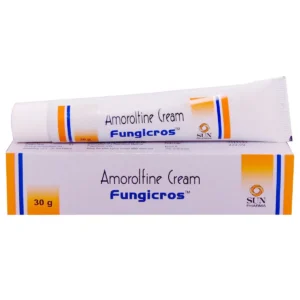
Fungicros Cream (Amorolfine & Phenoxyethanol)
Active Ingredient Amorolfine/Phenoxyethanol Manufacturer Sun Pharmaceutical Industries Ltd Packaging 10 gm in 1 tube Delivery Time 6 To 15 days SKU: Fungicros Cream (Amorolfine/Phenoxyethanol) Price range: $6.00 through $30.00Fungicros Cream (Amorolfine & Phenoxyethanol)
Price range: $6.00 through $30.00 -

Ketoconazole Cream 15gm (Ketoconazole)
Active Ingredient Ketoconazole Manufacturer Healing Pharma, India Packaging 15 gm in 1 tube Strength 15gm Delivery Time 6 To 15 days SKU: Ketoconazole Cream 15gm (Ketoconazole) Price range: $15.00 through $50.00Ketoconazole Cream 15gm (Ketoconazole)
Price range: $15.00 through $50.00 -
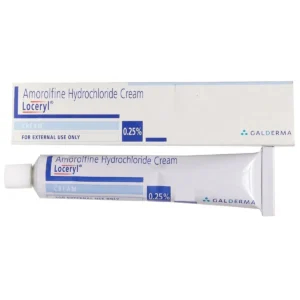
Loceryl Cream (Amorolfine)
Active Ingredient Amorolfine Manufacturer Galderma India Pvt Ltd Packaging 10 gm in 1 tube Delivery Time 6 To 15 days SKU: Loceryl Cream (Amorolfine) Price range: $9.00 through $48.00Loceryl Cream (Amorolfine)
Price range: $9.00 through $48.00 -

Lulifin Cream 10G (Luliconazole)
Active Ingredient Luliconazole Manufacturer Sun Pharmaceutical Industries Ltd Packaging Available in 10g, 20g, 30g & 50g in a Tube Strength 10gm, 20gm, 30gm, 50gm Delivery Time 6 To 15 days SKU: Lulifin Cream 10g (Luliconazole) Price range: $7.00 through $101.00Lulifin Cream 10G (Luliconazole)
Price range: $7.00 through $101.00 -
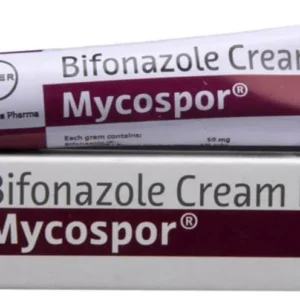
Mycospor Cream (Bifonazole)
Active Ingredient Bifonazole Manufacturer Bayer Zydus Pharma Packaging 10 gm in 1 tube Strength 1% Delivery Time 6 To 15 days SKU: Mycospor Cream (Bifonazole) Price range: $5.00 through $20.00Mycospor Cream (Bifonazole)
Price range: $5.00 through $20.00 -
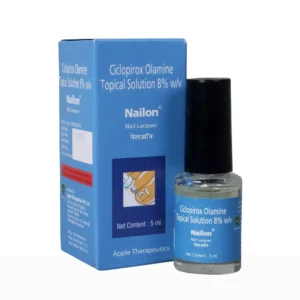
Nailon Nail Lacquer (Ciclopirox)
Active Ingredient Ciclopirox Manufacturer Apple Therapeutics Pvt Ltd Packaging 5 ml in 1 Bottle Strength 8% Delivery Time 6 To 15 days SKU: Nailon Nail Lacquer (Ciclopirox) Price range: $10.00 through $52.00Nailon Nail Lacquer (Ciclopirox)
Price range: $10.00 through $52.00 -
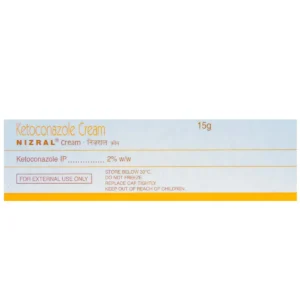
Nizral 15 GM Cream (Ketoconazole)
Active Ingredient Ketoconazole Manufacturer Janssen Pharmaceuticals, India Packaging 15 gm in 1 tube Strength 15gm Delivery Time 6 To 15 days SKU: Nizral 15 GM Cream (Ketoconazole) Price range: $6.00 through $44.00Nizral 15 GM Cream (Ketoconazole)
Price range: $6.00 through $44.00 -

Onabet 2% Cream (Sertaconazole)
Active Ingredient Sertaconazole Manufacturer Glenmark Pharmaceuticals Ltd. Packaging 30g in 1 tube Strength 2% Delivery Time 6 To 15 days SKU: Onabet 2% Cream (Sertaconazole) Price range: $12.00 through $66.00Onabet 2% Cream (Sertaconazole)
Price range: $12.00 through $66.00 -
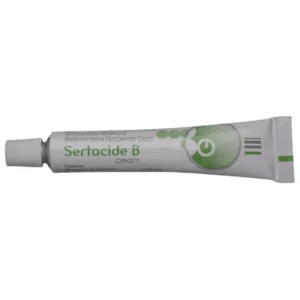
Sertacide B Cream (Sertaconazole & Beclometasone)
Active Ingredient Sertaconazole/Beclometasone Manufacturer Cipla Limited Packaging 10 gm in 1 tube Strength 10gm Delivery Time 6 To 15 days SKU: Sertacide B Cream (Sertaconazole/Beclometasone) Price range: $5.00 through $27.00Sertacide B Cream (Sertaconazole & Beclometasone)
Price range: $5.00 through $27.00