
Fungicros Cream (Amorolfine & Phenoxyethanol)
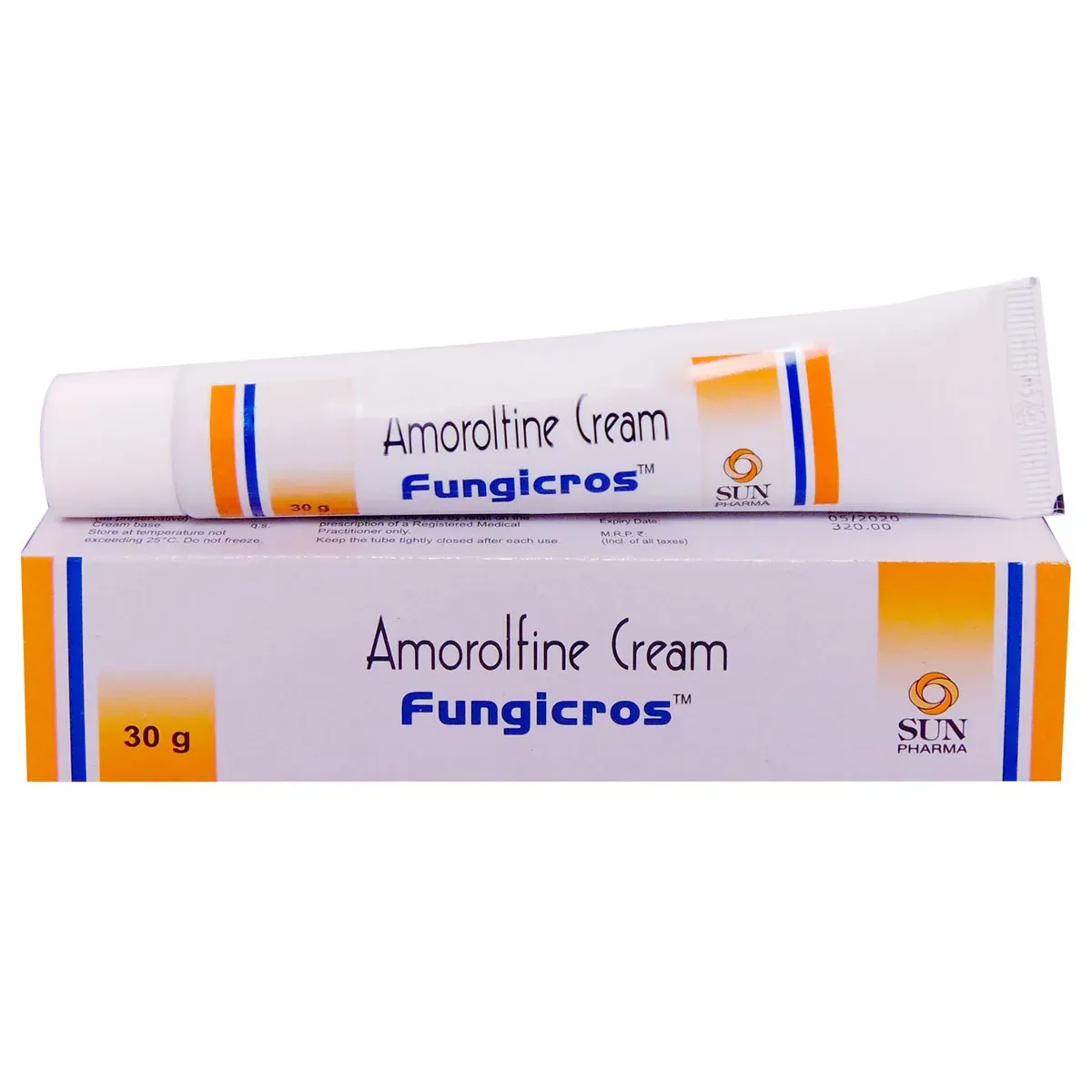
Price range: $6.00 through $30.00
| Active Ingredient | Amorolfine/Phenoxyethanol |
|---|---|
| Manufacturer | Sun Pharmaceutical Industries Ltd |
| Packaging | 10 gm in 1 tube |
| Delivery Time | 6 To 15 days |
| SKU: | Fungicros Cream (Amorolfine/Phenoxyethanol) |
Fungicros Cream (Amorolfine & Phenoxyethanol): The Ultimate Guide to Fungal Infection Relief
Fungal skin infections can be uncomfortable, embarrassing, and remarkably persistent. From the intense itching of ringworm to the persistent scaling of athlete’s foot, fungal pathogens thrive in warm, moist environments and can quickly take over healthy skin. Finding a fast-acting, high-potency solution is essential for relief. That is where Fungicros Cream (Amorolfine & Phenoxyethanol) comes in as a leading dermatologist-recommended topical treatment.
Specially formulated to combat a broad spectrum of fungal and yeast infections, Fungicros Cream pairs a advanced antifungal agent with an antimicrobial booster. If you are struggling with stubborn skin fungus and want to understand how this combination treatment can restore your skin’s health, this comprehensive guide covers everything you need to know.
In this detailed article, we will explore what Fungicros Cream (Amorolfine & Phenoxyethanol) is, its active ingredients, how it works, its core benefits, proper application techniques, potential side effects, and essential tips for preventing fungal reinfection.
What is Fungicros Cream (Amorolfine & Phenoxyethanol)?
Fungicros Cream (Amorolfine & Phenoxyethanol) is a potent prescription topical medication formulated to treat superficial fungal skin infections (dermatomycoses). It combines two complementary active ingredients to eliminate fungal cells, soothe skin irritation, and prevent microbial overgrowth.
Active Ingredient Breakdown
| Active Ingredient | Typical Concentration | Primary Role | Mode of Action |
| Amorolfine Hydrochloride | 0.25% w/w | Broad-Spectrum Antifungal | Inhibits ergosterol synthesis, disrupting fungal cell membranes |
| Phenoxyethanol | Standard Preservative/Booster | Antimicrobial & Preservative | Disrupts bacterial/fungal cell walls and protects cream integrity |
By targeting fungal cell structure directly, Fungicros Cream (Amorolfine & Phenoxyethanol) provides rapid symptomatic relief while thoroughly eradicating the root cause of the infection.
How Does Fungicros Cream Work?
To understand why Fungicros Cream (Amorolfine & Phenoxyethanol) is so effective, it helps to look at how fungal cells survive and replicate on human skin.
Fungi rely on a vital compound called ergosterol to maintain the structure, fluidity, and integrity of their cell membranes. Ergosterol is to fungal cells what cholesterol is to human cells. Without ergosterol, the fungal membrane weakens, breaks down, and leaks essential cellular components, leading to fungal cell death.
1. The Role of Amorolfine
Amorolfine is a morpholine-derivative antifungal agent renowned for its dual mechanism of action within the ergosterol biosynthesis pathway:
-
Inhibits Delta-14-Reductase: Amorolfine blocks the first key enzyme required to convert lanosterol into ergosterol.
-
Inhibits Delta-7-Delta-8-Isomerase: It simultaneously blocks a second crucial enzyme further down the synthesis chain.
By blocking two separate enzymatic steps, Amorolfine causes ergosterol levels to plummet while allowing harmful sterols (ignosterol) to accumulate inside the fungal cell. This dual blockade causes the cell membrane to rupture, effectively killing the fungus (fungicidal effect) and halting its spread (fungistatic effect).
2. The Role of Phenoxyethanol
Phenoxyethanol serves a dual purpose in topical formulations. Primarily known as an antimicrobial preservative, it prevents bacterial and fungal contamination inside the tube. Additionally, Phenoxyethanol exerts mild broad-spectrum antibacterial activity on the skin, helping to suppress secondary bacterial overgrowth that often accompanies raw, scratched fungal lesions.
Key Benefits of Fungicros Cream (Amorolfine & Phenoxyethanol)
Using a broad-spectrum combination treatment like Fungicros Cream (Amorolfine & Phenoxyethanol) offers several distinct advantages over standard antifungal creams:
-
Dual-Action Enzymatic Inhibition: By attacking fungal cell walls at two distinct points, Amorolfine ensures higher efficacy and reduces the likelihood of fungal resistance.
-
Broad-Spectrum Coverage: Highly active against dermatophytes (Trichophyton, Microsporum, Epidermophyton species), yeasts (Candida species), molds, and pityriasis-causing fungi.
-
Rapid Symptom Relief: Quickly alleviates intense itching, burning, scaling, and redness within days of starting treatment.
-
Deep Tissue Penetration: Amorolfine penetrates effectively into the upper epidermal layers, reaching deeply embedded fungal hyphae.
-
Convenient Dosing Schedule: Due to its long-lasting concentration in the skin, Fungicros Cream often requires only once-daily application, improving compliance.
Fungal Infections Treated by Fungicros Cream
Fungicros Cream (Amorolfine & Phenoxyethanol) is indicated for a wide range of superficial fungal conditions affecting the skin, folds, and hands or feet:
1. Tinea Corporis (Ringworm of the Body)
Ringworm presents as raised, red, circular or ring-shaped patches with clearer skin in the center and scaly edges. It can appear anywhere on the torso, arms, or legs.
2. Tinea Cruris (Jock Itch)
Jock itch affects the groin, inner thighs, and buttocks, causing an intensely itchy, red, sharply bordered rash. It thrives in warm, moist, friction-prone areas.
3. Tinea Pedis (Athlete’s Foot)
Athlete’s foot causes peeling, redness, scaling, and severe itching between the toes or along the soles of the feet. Left untreated, it can spread to the toenails.
4. Tinea Manuum (Fungal Infection of the Hand)
Similar to athlete’s foot, tinea manuum causes dry, scaly, thickened skin and mild itching on the palms and between the fingers.
5. Cutaneous Candidiasis (Yeast Infections)
Caused by Candida yeast overgrowth, these infections typically occur in skin folds (under the breasts, in the armpits, or around the abdomen) and present as bright red, moist patches with tiny satellite bumps.
6. Pityriasis Versicolor (Tinea Versicolor)
A superficial fungal infection that causes discolored patches (lighter or darker than surrounding skin) on the chest, back, neck, and upper arms.
Step-by-Step Guide: How to Apply Fungicros Cream Correctly
To maximize the therapeutic benefits of Fungicros Cream (Amorolfine & Phenoxyethanol) and ensure complete eradication of the fungus, follow this step-by-step application routine:
Step 1: Wash and Cleanse
Gently wash the affected area using lukewarm water and a mild, fragrance-free cleanser. Avoid scrubbing aggressively, as this can break the skin barrier and spread the infection to adjacent areas.
Step 2: Dry Thoroughly
Pat the area completely dry with a clean towel. Fungi thrive in moisture. Ensuring the skin is dry before applying the cream is critical for successful treatment. Use a separate towel for the infected area to prevent spreading the fungus to other body parts.
Step 3: Apply a Thin Layer
Dispense a small amount of Fungicros Cream onto your clean fingertip. Apply a thin, light layer over the infected patch plus a 1 to 2 cm border of healthy surrounding skin. Fungal hyphae often extend beyond the visible edge of the rash, so treating the surrounding skin prevents edge recurrence.
Step 4: Rub in Gently
Gently massage the cream into the skin until it is fully absorbed. Do not apply thick layers; a thin coat is sufficient and absorbs more effectively.
Step 5: Wash Your Hands
Wash your hands thoroughly with soap and warm water immediately after application (unless your hands are the area being treated) to prevent transmitting the fungus to other parts of your body or other people.
Application Schedule & Treatment Duration
For most superficial fungal infections, Fungicros Cream (Amorolfine & Phenoxyethanol) is applied once daily (preferably in the evening before bed) or as directed by your physician.
Recommended Duration Guidelines
[Target Infection] ------------> [Average Treatment Duration]
Tinea Corporis (Ringworm)        2 to 3 Weeks
Tinea Cruris (Jock Itch)         2 to 4 Weeks
Tinea Pedis (Athlete's Foot)     3 to 6 Weeks
Cutaneous Candidiasis            2 to 4 Weeks
Pityriasis Versicolor            2 to 3 Weeks
Crucial Rule: Always continue applying Fungicros Cream for at least 3 to 5 days after visible symptoms (redness, itching, scaling) have completely disappeared. Fungal spores can survive invisible to the naked eye. Stopping treatment too early is the leading cause of fungal recurrence.
How to Prevent Fungal Reinfection and Spread
While Fungicros Cream (Amorolfine & Phenoxyethanol) effectively eliminates the active infection, adopting proper hygiene habits ensures the fungus does not return:
-
Keep Skin Dry: Thoroughly dry all skin folds, groin areas, and between toes after showering.
-
Wear Breathable Fabrics: Choose loose-fitting, moisture-wicking cotton underwear and socks. Avoid tight synthetic clothing that traps sweat.
-
Change Clothes Daily: Change socks and underwear at least once a day, or twice daily if you sweat heavily or exercise.
-
Never Share Personal Items: Do not share towels, clothing, comb brushes, or footwear with others.
-
Disinfect Footwear: If treating athlete’s foot, spray the insides of your shoes with antifungal spray and allow them to dry completely between wears.
-
Wear Flip-Flops in Public Areas: Always wear protective footwear in locker rooms, public showers, and pool decks.
Possible Side Effects and How to Manage Them
Fungicros Cream (Amorolfine & Phenoxyethanol) is well-tolerated by most individuals because topical systemic absorption is minimal. However, minor local skin reactions can occasionally occur.
Common, Mild Side Effects
-
Mild Burning or Stinging: A temporary warm or prickling sensation immediately after application.
-
Skin Dryness or Flaking: Mild surface peeling as the infected epidermis sheds.
-
Mild Erythema (Redness): Slight localized flushing at the application site.
-
Mild Contact Dermatitis: Minor itching or localized skin irritation.
Managing Mild Side Effects
-
Do Not Overapply: Using excessive cream will not speed up recovery and increases the chance of localized stinging.
-
Ensure Skin is Dry Before Application: Applying active creams to damp skin can intensify burning sensations.
-
Consult Your Physician: If severe redness, swelling, blistering, or oozing develops, discontinue use and consult a healthcare professional, as this may indicate a hypersensitivity reaction.
Precautions and Safety Guidelines
Before starting Fungicros Cream (Amorolfine & Phenoxyethanol), keep these safety considerations in mind:
-
External Use Only: This medication is strictly for topical use on the skin. Do not apply near the eyes, inside the mouth, nose, vagina, or on deep open wounds.
-
Pregnancy and Breastfeeding: Data regarding topical Amorolfine safety during pregnancy is limited. Consult your physician before using this cream if you are pregnant, planning to conceive, or nursing. If breastfeeding, do not apply the cream near the chest area to avoid infant ingestion.
-
Avoid Occlusive Dressings: Do not cover the treated area with airtight bandages, plastic wraps, or tight rubberized clothing unless specifically advised by a doctor, as occlusion increases systemic absorption and irritation risk.
-
Pediatric Use: Consult a pediatrician before using Fungicros Cream on young children or infants.
Fungicros Cream vs. Alternative Antifungal Formulations
To understand how Fungicros Cream (Amorolfine & Phenoxyethanol) stands out, compare it with other common topical antifungal agents:
| Feature | Fungicros Cream (Amorolfine & Phenoxyethanol) | Clotrimazole Cream | Ketoconazole Cream | Terbinafine Cream |
| Drug Class | Morpholine + Preservative/Booster | Azole Antifungal | Azole Antifungal | Allylamine Antifungal |
| Mechanism | Dual Ergosterol Blockade (2 Enzymes) | Single Ergosterol Blockade | Single Ergosterol Blockade | Squalene Epoxidase Inhibition |
| Typical Frequency | Once Daily | 2 to 3 Times Daily | 1 to 2 Times Daily | 1 to 2 Times Daily |
| Antibacterial Support | Yes (via Phenoxyethanol) | Minimal | Minimal | Minimal |
| Relapse Resistance | Very Low Risk | Moderate Risk | Moderate Risk | Low Risk |
Frequently Asked Questions (FAQs)
1. How long does it take for Fungicros Cream to show visible results?
Most patients notice a reduction in itching, redness, and burning within 3 to 5 days of initiating treatment. However, complete skin clearing requires several weeks depending on the infection site.
2. Can I use Fungicros Cream for toenail fungal infections (Onychomycosis)?
Fungicros Cream is formulated primarily for skin infections. While Amorolfine is an active ingredient used for nail fungus, nail infections generally require specialized lacquers (such as Amorolfine 5% Nail Lacquer) or oral antifungal medications to penetrate the hard nail plate effectively.
3. What should I do if I miss an application?
If you forget to apply your daily dose, apply it as soon as you remember. If it is close to the time for your next scheduled dose, skip the missed application and resume your regular daily schedule. Do not double up on cream.
4. Is Fungicros Cream effective against ringworm?
Yes. Ringworm (tinea corporis) is caused by dermatophyte fungi, which are highly sensitive to Amorolfine. Consistent once-daily application clears ringworm patches effectively.
5. Can I apply moisturizer or lotion over Fungicros Cream?
Yes, but wait at least 20 to 30 minutes after applying Fungicros Cream to allow the active ingredients to fully absorb into the skin before applying a gentle moisturizer.
6. Can Fungicros Cream be used for diaper rash?
No. Diaper rash in infants can be caused by friction, moisture, or yeast, but Fungicros Cream should not be used on infants without explicit medical guidance from a pediatrician.
7. Why must I continue using the cream after the rash disappears?
Fungal organisms produce microscopic spores that remain dormant in the top layers of skin even after visible redness clears. Continuing treatment for a few additional days ensures these lingering spores are completely destroyed, preventing a relapse.
Final Summary & Verdict
Fungal skin infections require a targeted, reliable treatment to stop itching, clear inflamed skin, and prevent recurring flare-ups. Fungicros Cream (Amorolfine & Phenoxyethanol) stands out as a high-potency, broad-spectrum solution that attacks fungal cells through a unique dual enzymatic blockade.
By adhering to a consistent application schedule, continuing treatment past visible healing, and practicing good personal hygiene, you can successfully eliminate skin fungus and enjoy clear, comfortable skin.
Medical Disclaimer: This article is for educational and informational purposes only and does not substitute for professional medical advice, diagnosis, or treatment. Always consult a qualified dermatologist or healthcare practitioner before starting any new medication.
Additional information
| unit | 1 Cream, 3 Cream, 6 Cream |
|---|



Reviews
There are no reviews yet.